


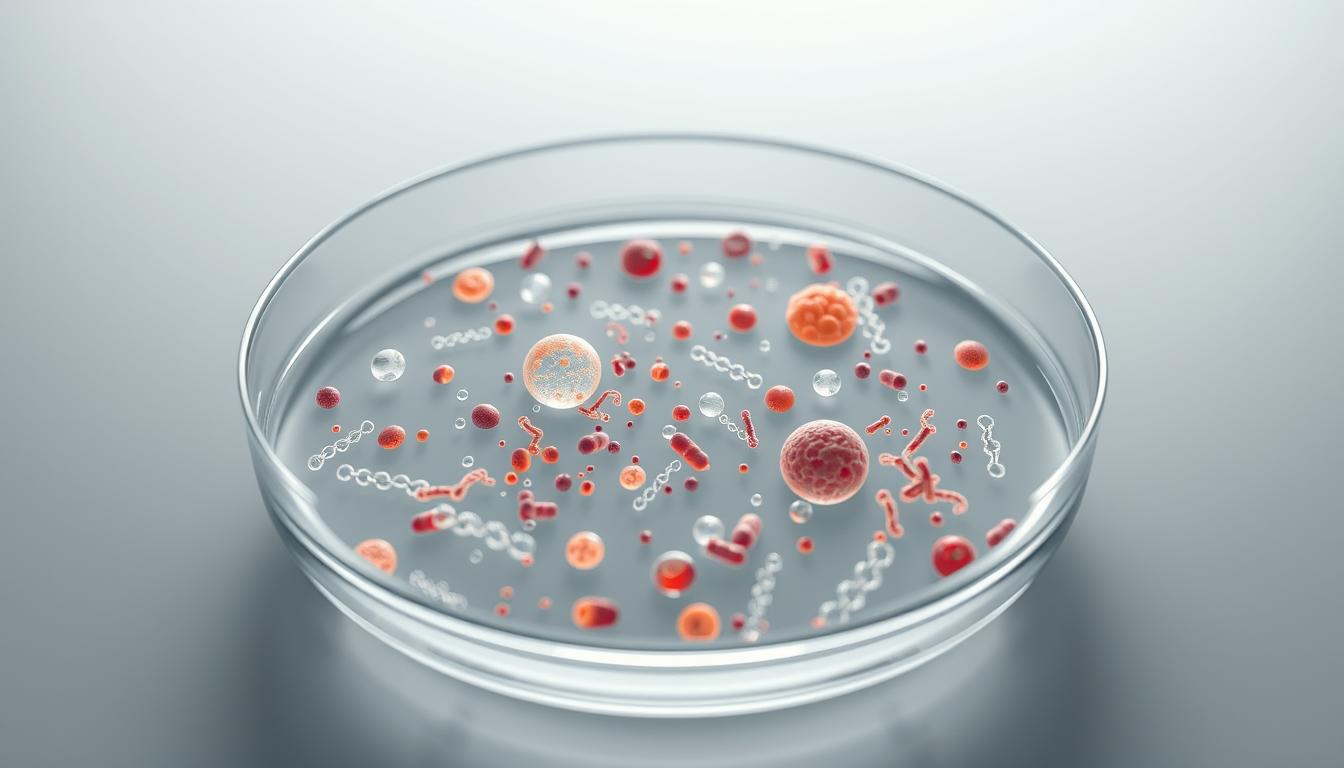
Have you ever wondered how the surface area of a cell culture dish can dramatically influence your research outcomes? The seemingly simple 100 mm cell culture dish holds critical secrets to successful cellular growth and experimental precision.
Cell culture vessels represent more than just container technology. These 100 mm cell culture dish platforms provide researchers with a precisely engineered environment for cellular cultivation, enabling groundbreaking discoveries across biological sciences.
Understanding the nuanced characteristics of cell culture dishes—particularly their surface area—can transform experimental results from ordinary to extraordinary. Researchers rely on these specialized tools to create optimal conditions for cell growth, proliferation, and study.
Key Takeaways
- 100 mm cell culture dishes offer approximately 56.7-60 cm² of growth area
- Surface area directly impacts cell seeding density and confluency
- Polystyrene material provides consistent cellular attachment
- Standard hydrophilic surfaces support adherent cell cultures
- Precise dish specifications enable reproducible experimental conditions
Understanding Cell Culture Dishes
Cell culture dishes are precision instruments critical to biological research, providing scientists with controlled environments for growing and studying cells. These specialized containers enable researchers to investigate cellular behavior, develop treatments, and advance medical understanding.
These containers are engineered with specific culture plate dimensions to support optimal cell growth and experimental conditions. Typically constructed from tissue culture treated plastic, they offer researchers a reliable platform for multiple scientific investigations.
Core Purpose in Scientific Research
Cell culture dishes serve several fundamental purposes in biological research:
- Provide a sterile environment for cell cultivation
- Enable controlled experimental conditions
- Support long-term cellular studies
- Facilitate drug development research
Significance in Biological Investigations
Scientific progress heavily relies on these specialized dishes. The 100 mm diameter provides ample space for various cell types, making them versatile tools for:
- Stem cell research
- Cancer studies
- Genetic manipulation experiments
- Pharmaceutical screening
| Characteristic | Specification |
|---|---|
| Diameter | 100 mm |
| Height | 20 mm |
| Surface Area | 56.7 cm² |
| Material | Polystyrene/Glass |
| Surface Treatment | Tissue Culture Treated |
The precision of these dishes, particularly their tissue culture treated plastic surfaces, ensures optimal cell adhesion and growth, making them indispensable in modern biological research.
100 mm Cell Culture Dish Specifications
Cell culture dishes are critical tools in scientific research, providing essential growth surface area for cell proliferation space. These standardized vessels support precise experimental conditions for researchers across various biological disciplines.
Researchers rely on precise measurements to ensure consistent cell growth and experimental accuracy. The standard 100 mm cell culture dish offers specific characteristics that make it a versatile option for multiple research applications.
Standard Dimensional Specifications
The typical 100 mm cell culture dish presents specific dimensional characteristics essential for optimal cell cultivation:
- Diameter: 100 mm
- Surface area: 56.7 cm²
- Maximum cell seeding density: 2.2 x 10⁶ cells
- Confluent cell capacity: 8.8 x 10⁶ cells
Surface Area Calculations
Accurate surface area measurement is crucial for understanding cell proliferation space. The growth surface area directly impacts cell density, nutrient distribution, and experimental outcomes.
| Surface Type | Characteristics |
|---|---|
| Nunclon Delta | Enhanced cell attachment |
| UpCell | Temperature-responsive surface |
| BioLite | Optimized cell growth |
| Sphera-treated | Uniform cell distribution |
Researchers can select from gridded or non-gridded options, with vented or non-vented lids, ensuring flexibility for diverse experimental requirements.
Optimal Volume Considerations
Understanding recommended volumes is critical for maintaining cell health:
- Versene volume: 5 mL of 0.05% EDTA
- Trypsin volume: 5 mL of 0.05% trypsin
- Growth medium volume: 12 mL
Selecting the appropriate 100 mm cell culture dish requires careful consideration of surface type, growth surface area, and specific research needs.
Surface Area and Cell Growth
Cell culture research relies critically on understanding the relationship between surface area and cellular development. The 100 mm cell culture dish plays a pivotal role in adherent cell expansion, providing researchers with a controlled environment for precise cellular studies.
When considering monolayer confluency, scientists must carefully evaluate the dish’s surface characteristics. A standard 100 mm dish offers approximately 56.7 cm² of growth area, which supports critical cellular processes.
Impact on Cell Density
Cell density directly correlates with surface area availability. Researchers can optimize experimental outcomes by understanding key metrics:
- Typical seeding density: 2.2 x 10⁶ cells
- Maximum cell capacity: 8.8 x 10⁶ cells at full confluency
- Recommended growth medium volume: 12 mL
Nutrient Availability Dynamics
Surface area significantly influences nutrient distribution and cellular metabolism. Larger surface areas enable more uniform nutrient access, supporting consistent cell growth and reducing potential metabolic variations.
| Surface Treatment | Cell Adhesion Characteristics |
|---|---|
| Nunclon Delta | Enhanced cell attachment |
| Supra | Improved cell spreading |
| UpCell | Temperature-responsive properties |
Selecting the appropriate surface treatment becomes crucial for maintaining optimal cellular environments and achieving reproducible experimental results.
Types of Surfaces Available
Cell culture researchers understand the critical role of surface treatments in tissue culture treated plastic. Different surface modifications can dramatically impact cell growth, attachment, and experimental outcomes. The selection of appropriate cell culture vessels requires careful consideration of surface characteristics.
Modern tissue culture treated plastic offers multiple surface options to meet diverse research needs. Scientists can choose from various surface treatments designed to optimize cell performance:
- Hydrophilic surfaces for standard adherent cell cultures
- Specialized coatings for sensitive cell types
- Modified surfaces for specific research applications
Surface Treatment Categories
Surface treatments transform standard cell culture vessels into precision research tools. Researchers can select from multiple surface modifications:
| Surface Type | Cellular Application | Key Characteristics |
|---|---|---|
| Nunclon Delta | Adherent cell cultures | Enhanced cell attachment |
| Nunclon Supra | High-performance cultures | Improved cell spreading |
| UpCell | Temperature-responsive cultures | Easy cell harvesting |
| BioLite | Sensitive cell types | Uniform surface properties |
Specialized Coating Applications
Researchers can enhance cell culture vessels with specific protein coatings to support unique experimental requirements. Collagen, fibronectin, and poly-L-lysine represent common modifications that improve cell adhesion and growth characteristics.
- Red surfaces: Optimal for hydrophilic adherent cell cultures
- Yellow surfaces: Ideal for sensitive primary cells
- Green surfaces: Designed for suspension cell growth
Selecting the right surface treatment ensures robust and reproducible cell culture results across various research disciplines.
Selecting the Right Dish for Experiments
Choosing the appropriate cell culture dish is a critical step in ensuring experimental success. Researchers must carefully evaluate multiple factors when selecting a 100 mm dish to support their specific scientific investigations.
The vessel geometry plays a crucial role in determining optimal cell growth conditions. Scientists must consider several key aspects when making their selection:
- Cell seeding density requirements
- Growth characteristics of specific cell lines
- Experimental objectives
- Surface treatment specifications
Essential Considerations for Dish Selection
Different cell types demand unique culture conditions. For instance, HeLa and NIH3T3 cell lines have specific growth parameters that influence dish selection. The 100 mm dish offers versatile characteristics suitable for various research applications.
“The right cell culture dish can make or break your experimental results.” – Cell Biology Research Guidelines
Compatibility Factors
When evaluating cell culture dishes, researchers should assess:
- Surface area (approximately 56.7 cm²)
- Optimal cell seeding density (2.2 x 10⁶ cells)
- Material composition (virgin polystyrene)
- Surface treatment for cell attachment
Specialized features like stacking beads and vented designs can significantly enhance experimental workflow and cell growth conditions. Selecting a dish with consistent gas exchange and optimal cell attachment properties ensures more reliable research outcomes.
Sterilization and Handling Techniques
Maintaining sterility is crucial when working with cell culture vessels. Proper sterilization and handling techniques protect the integrity of scientific research and prevent contamination that could compromise experimental results.
Cell culture treated plastic requires meticulous care to ensure optimal performance. Researchers must follow strict protocols to preserve the delicate environment of tissue cultures.
Best Practices for Sterilization
- Always use sterile, tissue culture treated plastic dishes
- Perform surface decontamination with 70% ethanol
- Use laminar flow hood for all manipulation procedures
- Implement UV irradiation for additional surface sterilization
Safe Handling Procedures
When managing cell culture vessels, precision is key. Researchers should wear appropriate personal protective equipment and minimize exposure to potential contaminants.
| Procedure | Recommended Protocol |
|---|---|
| Opening Dishes | Flame sterilize edges, minimize time open |
| Surface Treatment | Use tissue culture treated plastic with consistent coating |
| Storage | Keep in controlled, sterile environment |
*”Sterility is not an accident, but a deliberate scientific practice”* – Laboratory Safety Expert
Each cell culture vessel demands careful handling. The surface area of 56.7 cm² requires consistent monitoring to maintain optimal cell growth conditions.
Key Tip: Always check manufacturer specifications for specific sterilization recommendations for your cell culture vessels.
Evaluating Dish Performance
Cell culture researchers must carefully assess the performance of their 100 mm cell culture dishes to ensure optimal experimental outcomes. Understanding key metrics and troubleshooting strategies can significantly improve cell proliferation space and monolayer confluency.
Successful cell culture depends on precise monitoring of several critical parameters. Researchers should focus on specific metrics that directly impact experimental results.
Key Performance Metrics
- Cell adhesion rates
- Cell proliferation space utilization
- Monolayer confluency progression
- Contamination potential
Troubleshooting Common Challenges
Researchers frequently encounter specific issues when working with cell culture dishes. Uneven cell distribution and edge effects can compromise experimental integrity. By implementing strategic approaches, scientists can mitigate these challenges.
| Challenge | Solution |
|---|---|
| Uneven Cell Distribution | Gentle media rotation during seeding |
| Edge Effects | Use center-focused seeding techniques |
| pH Fluctuations | Regular media monitoring |
The recommended seeding density of 2.2 x 10⁶ cells provides an optimal starting point for most cell culture experiments. Achieving consistent monolayer confluency requires careful attention to cell proliferation space and growth conditions.
Optimization Strategies
- Standardize seeding protocols
- Implement consistent media change schedules
- Use appropriate cell culture dish surfaces
- Monitor cell growth regularly
By following these guidelines, researchers can maximize the performance of their 100 mm cell culture dishes and improve experimental reproducibility.
Disposal and Environmental Considerations
Laboratory waste management represents a critical aspect of responsible scientific research. Cell culture vessels, particularly tissue culture treated plastic, require careful disposal to minimize environmental impact and maintain safety protocols.
Researchers must follow specific guidelines when managing cell culture vessels to protect both human health and ecological systems. The disposal process involves several key steps:
- Sterilization of contaminated materials
- Proper segregation of biological waste
- Exploring recycling opportunities
- Implementing sustainable laboratory practices
Proper Disposal Protocols
Effective disposal of cell culture vessels begins with thorough decontamination. Laboratories typically use autoclaving or chemical disinfection to eliminate potential biological hazards before waste management.
Environmental Sustainability Strategies
Scientific manufacturers are increasingly developing eco-friendly solutions for tissue culture treated plastic. Some innovative approaches include:
- Producing dishes using renewable energy sources
- Creating recyclable cell culture vessels
- Developing biodegradable plastic alternatives
Laboratory professionals can contribute to environmental conservation by selecting manufacturers committed to sustainable production practices and implementing rigorous waste reduction strategies.
Responsible disposal of cell culture vessels is not just a regulatory requirement but a commitment to scientific and environmental integrity.
Advancements in Cell Culture Dish Technology
The landscape of cell culture technology continues to evolve rapidly, with cutting-edge innovations transforming how researchers approach adherent cell expansion. Material science breakthroughs are pushing the boundaries of traditional growth surface area design, enabling more sophisticated and precise experimental methodologies.
Researchers are now exploring advanced materials that enhance cellular interactions and optimize growth conditions. Emerging technologies integrate smart surfaces with microstructural features that promote better cell attachment, improved nutrient distribution, and more uniform cell proliferation. These developments significantly impact the efficiency of cell culture processes across biological research disciplines.
Innovative dish designs are incorporating advanced sensor technologies and microscale engineering techniques. Three-dimensional printed custom geometries and microfluidic integrations represent the next generation of cell culture platforms. These sophisticated approaches enable researchers to create more controlled environments that can dynamically respond to cellular needs, ultimately improving experimental outcomes and research precision.
The future of cell culture technology lies in developing intelligent systems that can monitor and adapt to cellular behaviors in real-time. By leveraging nanotechnology and advanced biomaterials, scientists are creating next-generation dishes that optimize growth surface area and support more complex cellular interactions with unprecedented accuracy.
FAQ
What is the standard surface area of a 100 mm cell culture dish?
A typical 100 mm cell culture dish provides approximately 59 cm² of surface area, which is optimized for growing adherent cell lines and supporting monolayer cell cultures. Researchers should always verify the exact surface area with the specific manufacturer, as slight variations can exist between different brands.
How do surface treatments affect cell growth in 100 mm dishes?
Surface treatments significantly impact cell adhesion and proliferation. Tissue culture treated (TCT) surfaces are chemically modified to enhance cell attachment, while untreated surfaces may prevent cell adhesion. Specialized coatings like collagen, poly-L-lysine, and fibronectin can be used to optimize cell growth for specific cell types and experimental requirements.
What factors should I consider when selecting a 100 mm cell culture dish?
Key considerations include cell type compatibility, experimental goals, required cell seeding density, and surface treatment needs. Researchers should evaluate the specific growth characteristics of their cell line, the desired confluency, and the experimental protocol to choose the most appropriate dish.
How can I prevent contamination when using cell culture dishes?
Maintain strict aseptic techniques by working in a laminar flow hood, using sterile personal protective equipment, and following proper handling procedures. Always use sterile techniques when opening dishes, minimize exposure to potential contaminants, and sterilize dishes through methods like autoclaving or UV irradiation before use.
What are the best practices for disposing of used cell culture dishes?
Follow biosafety regulations by first sterilizing contaminated dishes through autoclaving or chemical decontamination. For non-contaminated plastics, explore recycling options specific to laboratory plastics. Consider environmentally responsible disposal methods that minimize plastic waste and adhere to local laboratory safety guidelines.
How does surface area impact cell growth and experimental outcomes?
The surface area directly influences cell density, nutrient distribution, and cellular metabolism. A 100 mm dish’s 59 cm² provides adequate space for cell proliferation, ensures even nutrient distribution, and allows cells to grow to optimal confluency. Researchers must carefully match the surface area to their specific cell type and experimental requirements.
What emerging technologies are improving cell culture dish design?
Recent innovations include smart materials with responsive surfaces, 3D-printed custom geometries, microfluidic integrations, and dishes with built-in sensors for real-time cellular monitoring. These advancements aim to enhance experimental precision, improve nutrient distribution, and provide more sophisticated cell culture environments.





Leave a Comment
Your email address will not be published. Required fields are marked *