


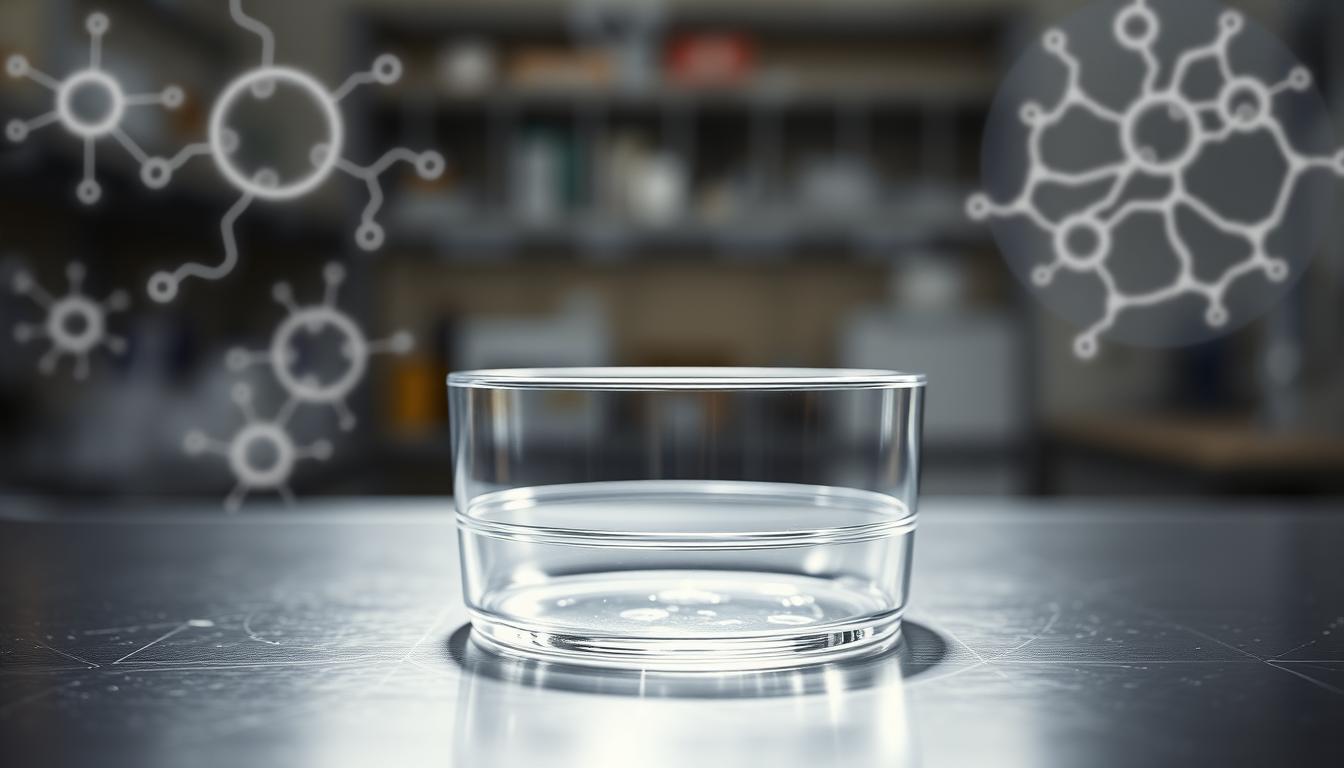
Have you ever wondered what microscopic environments enable groundbreaking scientific discoveries? The 100 mm cell culture dish stands as a critical gateway to understanding cellular behavior, providing researchers with a precision instrument for exploring life’s fundamental processes.
These specialized polystyrene vessels represent more than simple containers. Engineered with meticulous detail, the 100 mm cell culture dish offers scientists a standardized platform for cultivating and studying cells with unprecedented reliability and consistency.
Designed to support intricate biological research, these dishes feature a carefully optimized growth area of 58.8 cm², enabling researchers to conduct experiments with confidence and reproducibility. The premium grade polystyrene construction ensures optical clarity and superior cell adherence, making them an indispensable tool in modern laboratory settings.
Key Takeaways
- Essential tool for advanced cellular research
- Precision-engineered 100 mm polystyrene design
- Optimized 58.8 cm² growth area for cell cultivation
- Supports consistent and reproducible experimental results
- Manufactured under strict quality control standards
Introduction to 100 mm Cell Culture Dishes
Cell culture research represents a critical field in biological sciences, with 100 mm dishes serving as fundamental tools for scientific investigation. These specialized containers provide researchers with precise environments for cultivating and studying cellular specimens with exceptional reliability.
The development of tissue culture treated dishes has revolutionized cellular research by creating optimal surfaces for cell growth and proliferation. Sterile conditions remain paramount in maintaining cellular integrity and preventing contamination during experiments.
Overview of Cell Culture Techniques
Modern cell culture techniques rely on specialized dishes that meet rigorous scientific standards. Key characteristics of these dishes include:
- Precisely engineered surface treatments
- Controlled growth areas
- Consistent material composition
- Standardized dimensions
Importance of Standardization in Cell Culture
Standardization ensures reproducible research outcomes across different laboratories. The 100 mm cell culture dish has emerged as a universal standard, offering researchers:
- Optimal growth surface of approximately 58.8 cm²
- Consistent working volume around 13 ml
- Reliable polystyrene construction
- Gamma-irradiated sterile processing
Scientists depend on these precisely manufactured dishes to create controlled experimental environments that support accurate cellular studies and breakthrough research.
Material Composition of Cell Culture Dishes
Cell culture research relies heavily on the quality and composition of laboratory vessels. The selection of materials plays a critical role in ensuring optimal cell growth, experimental accuracy, and reproducibility.
Scientists predominantly choose polystyrene for manufacturing cell culture dishes due to its exceptional properties. This versatile material offers unique characteristics that make it ideal for sophisticated cellular research.
Key Material Characteristics
- High-clarity polystyrene for superior optical transparency
- USP 6 grade raw materials ensuring premium quality
- Consistent surface treatments for enhanced cell adhesion
Surface Treatment Technologies
Modern polystyrene cell culture dishes feature advanced surface treatments that optimize cellular environments. These innovative treatments include:
- Nunclon Delta: Enhances cell attachment
- UpCell: Enables temperature-responsive cell harvesting
- BioLite: Improves cellular interaction
- Sphera-treated: Provides uniform cell distribution
Advantages of Single-Use Polystyrene Dishes
Single-use polystyrene dishes offer significant benefits for laboratory workflows. These specialized containers minimize contamination risks, streamline research processes, and provide consistent performance across experiments.
The precise engineering of polystyrene cell culture dishes ensures researchers can focus on their critical scientific investigations without worrying about vessel quality or performance.
Applications of 100 mm Cell Culture Dishes
The 100 mm cell culture dish represents a critical tool in modern biological research, bridging scientific discovery across multiple disciplines. These versatile dishes play a pivotal role in advancing our understanding of cellular mechanisms and developing breakthrough medical technologies.
Cellular Biology Experiments
Researchers leverage the 100 mm cell culture dish for intricate cellular investigations. These dishes provide an optimal environment for studying complex biological processes such as:
- Cell proliferation dynamics
- Gene expression analysis
- Cell signaling pathways
- Protein interaction studies
Drug Testing and Efficacy Studies
The standardized surface treatment of 100 mm cell culture dishes enables precise drug screening protocols. Pharmaceutical researchers use these dishes for:
- High-throughput screening platforms
- Dose-response evaluation
- Toxicity assessment
- Mechanism of action investigations
Tissue Engineering Research
Advanced surface treatments in 100 mm cell culture dishes support sophisticated tissue engineering techniques. Polystyrene construction and specialized coatings facilitate the growth of complex cellular structures, including organoids and 3D tissue models.
“The 100 mm cell culture dish is not just a container, but a precision instrument driving scientific innovation.” – Cellular Research Institute
With dimensions of 100 mm diameter and 20 mm height, these dishes offer a working volume of 10 mL, making them ideal for diverse research applications across biological sciences.
Advantages of 100 mm Cell Culture Dishes
Cell culture research demands precision and reliability. The 100 mm cell culture dish represents a crucial tool that meets these essential scientific requirements through its innovative design and superior functionality.
Scientists rely on specialized laboratory equipment that supports consistent experimental outcomes. The flat bottom design of these dishes provides critical benefits for cell cultivation:
- Ensures uniform cell distribution
- Promotes even growth across the surface
- Minimizes experimental variability
Enhanced Surface Area for Cell Growth
The 100 mm dish offers an optimal growth environment with its spacious flat bottom. Researchers can seed multiple cell types with confidence, knowing the surface provides consistent support for cellular proliferation.
Compatibility with Various Cell Lines
Versatility stands out as a key attribute of these culture dishes. The vented lid design facilitates gas exchange while protecting cultures from external contamination. This feature makes the dishes suitable for diverse cell lines, from delicate primary cultures to robust established cell types.
Ease of Handling and Incubation
Laboratory efficiency is paramount. The standardized 100 mm size allows seamless integration with automated systems and manual manipulation. Researchers appreciate the practical dimensions that balance growth area with convenient handling.
Precision in cell culture begins with selecting the right equipment.
Sterilization and Handling Best Practices
Laboratory researchers understand the critical importance of maintaining sterile conditions when working with cell culture dishes. The integrity of scientific experiments depends entirely on preventing contamination and ensuring a pristine research environment.
Proper sterilization of cell culture dishes involves multiple sophisticated processes designed to eliminate potential biological contaminants. Manufacturers employ advanced techniques to guarantee the highest standards of cleanliness and safety.
Pre-sterilization Methods
Modern cell culture dishes undergo rigorous sterilization protocols to ensure absolute purity. Key sterilization techniques include:
- Gamma irradiation for comprehensive microbial elimination
- Specialized surface treatments that prevent contamination
- Certification for being DNase, RNase, DNA, and pyrogen free
Safe Handling Procedures
Researchers must follow strict single use guidelines to maintain sterile conditions. Essential handling practices include:
- Open sterile packaging carefully in laminar flow hoods
- Use clean, non-touch techniques when manipulating dishes
- Minimize exposure time outside controlled environments
- Discard dishes after a single experimental use
The polystyrene material used in these dishes provides an inert, stable environment for cell cultures. With vented or non-vented lid options and easy-to-open sleeves, researchers can minimize contamination risks while maintaining optimal experimental conditions.
Experimental Considerations with Cell Culture Dishes
Successful cell cultivation requires careful attention to multiple critical factors. Researchers must understand the nuanced aspects of cell culture dishes to ensure optimal experimental outcomes.
When working with tissue culture treated surfaces, scientists must pay close attention to several key experimental parameters:
- Surface treatment characteristics
- Cell seeding density
- Media volume requirements
- Incubation conditions
Optimal Conditions for Cell Cultivation
The tissue culture treated surface plays a crucial role in cell adherence and growth. Polystyrene dishes with specialized surface treatments provide an ideal environment for various cell lines. These surfaces enhance cellular attachment and proliferation through precise microstructural modifications.
“Proper surface treatment is the foundation of successful cell culture experiments.” – Cell Biology Research Institute
Importance of Proper Seeding Density
Seeding density represents a critical parameter in cell culture experiments. Different cell types require specific densities to achieve optimal growth. Researchers must calculate precise cell numbers to ensure:
- Consistent cell distribution
- Adequate nutrient access
- Optimal cell-to-cell interactions
- Prevention of overcrowding
Key considerations include cell line characteristics, experimental duration, and specific research objectives. Standard 100 mm dishes typically provide 55 cm² growth area, allowing researchers to manage cell populations effectively.
Advanced surface treatments enable more uniform cell distribution and improved experimental reproducibility. Careful selection of tissue culture treated dishes ensures researchers can achieve consistent and reliable results across multiple experiments.
Quality Standards and Regulatory Compliance
Research laboratories demand exceptional precision in cell culture equipment. The stringent requirements for sterile polystyrene cell culture dishes represent a critical aspect of scientific methodology, ensuring reliable and reproducible experimental outcomes.
Modern scientific research relies on rigorous quality control mechanisms that guarantee the highest performance standards for laboratory equipment. Manufacturers of cell culture dishes implement comprehensive quality assurance protocols to meet international scientific standards.
Overview of Laboratory Standards
The most prominent quality management framework in laboratory equipment production is the ISO 9001 standard. This internationally recognized certification ensures:
- Consistent manufacturing processes
- Stringent quality control measures
- Comprehensive performance validation
Ensuring Quality Control in Cell Culture
Researchers must verify multiple parameters to maintain experimental integrity. Key quality control considerations include:
- Sterility validation
- Material composition verification
- Surface treatment assessment
- Contamination prevention
“Precision in quality control determines the success of scientific research.” – Scientific Research Institute
Specialized polystyrene cell culture dishes undergo extensive testing to meet critical standards. Gamma sterilization processes ensure complete elimination of potential contaminants, providing researchers with confidence in their experimental materials.
Certification processes confirm that these dishes are:
- DNase free
- RNase free
- Non-cytotoxic
- Pyrogen free
Innovations in Cell Culture Dishes
The field of cell culture technology continues to evolve rapidly, pushing the boundaries of scientific research through groundbreaking surface treatment innovations. Researchers are developing increasingly sophisticated approaches to enhance cell growth and experimental outcomes.
Modern cell culture dishes are experiencing transformative developments in surface treatments that significantly improve cellular performance. These advanced technologies focus on creating optimal environments for different cell types.
Cutting-Edge Surface Treatment Strategies
Biocoating technologies are revolutionizing tissue culture treated surfaces by introducing innovative approaches:
- Synthetic peptide coatings that enhance cell adhesion
- Plasma-treated surfaces improving cellular interactions
- Extracellular matrix mimetic technologies
Advanced Biocoating Technologies
Researchers are now developing surface treatments that provide more physiologically relevant growth conditions. CytoOne dishes, for example, offer excellent growth conditions by implementing specialized coating techniques that support diverse cell lines.
Key innovations include:
- Microfluidic integrated dish designs
- Enhanced gas exchange mechanisms
- Precision-engineered surface topographies
These advancements are particularly significant in fields like stem cell research, cancer biology, and regenerative medicine, where precise cellular environments are critical for experimental success.
Conclusion: The Role of 100 mm Cell Culture Dishes in Research
The 100 mm cell culture dish represents a critical tool in modern biological research, bridging the gap between experimental precision and practical laboratory workflow. These standardized dishes provide researchers with a reliable platform for cell cultivation, offering consistent performance across various scientific disciplines.
Advanced design features like the SUREGrip mechanism and vented lid options enhance researchers’ ability to maintain optimal cell growth conditions. The polystyrene construction with a hydrophilic surface ensures superior cell attachment and reproducible experimental outcomes. Researchers can confidently utilize these 100 mm cell culture dishes knowing they meet rigorous scientific standards.
Future Perspectives in Cell Culture Technology
Emerging technological innovations continue to transform cell culture methodologies. The development of sophisticated surface treatments and enhanced material technologies promises more refined research capabilities. Researchers can anticipate future 100 mm cell culture dishes with integrated biosensors and advanced gas exchange mechanisms that will further streamline experimental protocols.
Final Thoughts on Laboratory Efficiency and Effectiveness
Laboratory efficiency hinges on selecting appropriate research tools. The 100 mm cell culture dish exemplifies this principle by providing researchers with a standardized, reliable, and versatile platform for cellular studies. As biological research advances, these dishes will remain essential instruments in unlocking new scientific discoveries across multiple research domains.
FAQ
What is a 100 mm cell culture dish?
A 100 mm cell culture dish is a standardized laboratory tool made of polystyrene, designed specifically for growing and maintaining cell cultures. It features a flat bottom, tissue culture treated surface, and typically comes with a vented lid to facilitate optimal cell growth and experimental conditions.
Why are 100 mm cell culture dishes important in biological research?
These dishes are crucial because they provide a consistent, sterile environment for cell growth, support various experimental applications, and offer a standardized platform for reproducible research across different laboratories. Their specific size and design make them ideal for cell proliferation, drug testing, and tissue engineering studies.
What makes the surface of a cell culture dish special?
The tissue culture treated surface is specifically modified to enhance cell adhesion, promote even cell distribution, and support optimal cell growth. This treatment typically involves modifying the polystyrene surface to make it more hydrophilic and compatible with different cell types.
Are 100 mm cell culture dishes reusable?
No, these dishes are designed for single use to minimize the risk of contamination. They are pre-sterilized, typically through gamma irradiation, and should be discarded after a single experiment to maintain sterility and prevent potential cross-contamination.
What types of cells can be grown in a 100 mm cell culture dish?
These versatile dishes can support a wide range of cell types, including adherent mammalian cells, suspension cultures, and various cell lines used in research fields such as cellular biology, cancer research, and drug discovery.
How do I maintain sterility when using these dishes?
Maintain sterility by working in a laminar flow hood, using aseptic technique, carefully opening sterile packaging, minimizing exposure to potential contaminants, and handling the dishes with sterile techniques. Always verify the dish’s integrity and sterile certification before use.
What are the advantages of a vented lid on these dishes?
The vented lid provides crucial gas exchange while minimizing contamination risks. It allows for proper CO2 and oxygen circulation, which is essential for maintaining optimal cell growth conditions during incubation.
How do I determine the correct seeding density for my cells?
Seeding density varies depending on the specific cell type and experimental goals. Researchers should consult cell-specific guidelines, consider the cell’s growth rate, and calculate the appropriate number of cells to seed based on the 100 mm dish’s surface area and the intended experimental duration.
Are these dishes compatible with microscopy?
Yes, polystyrene cell culture dishes are designed with optical clarity, making them compatible with various microscopy techniques, including phase-contrast and fluorescence microscopy. This allows for direct observation and analysis of cell cultures.
What quality standards apply to these cell culture dishes?
Reputable manufacturers typically adhere to standards such as ISO 9001, ensuring consistent manufacturing processes. These dishes are often certified to be DNase, RNase, DNA, and pyrogen-free to maintain the highest quality for scientific research.






Leave a Comment
Your email address will not be published. Required fields are marked *