


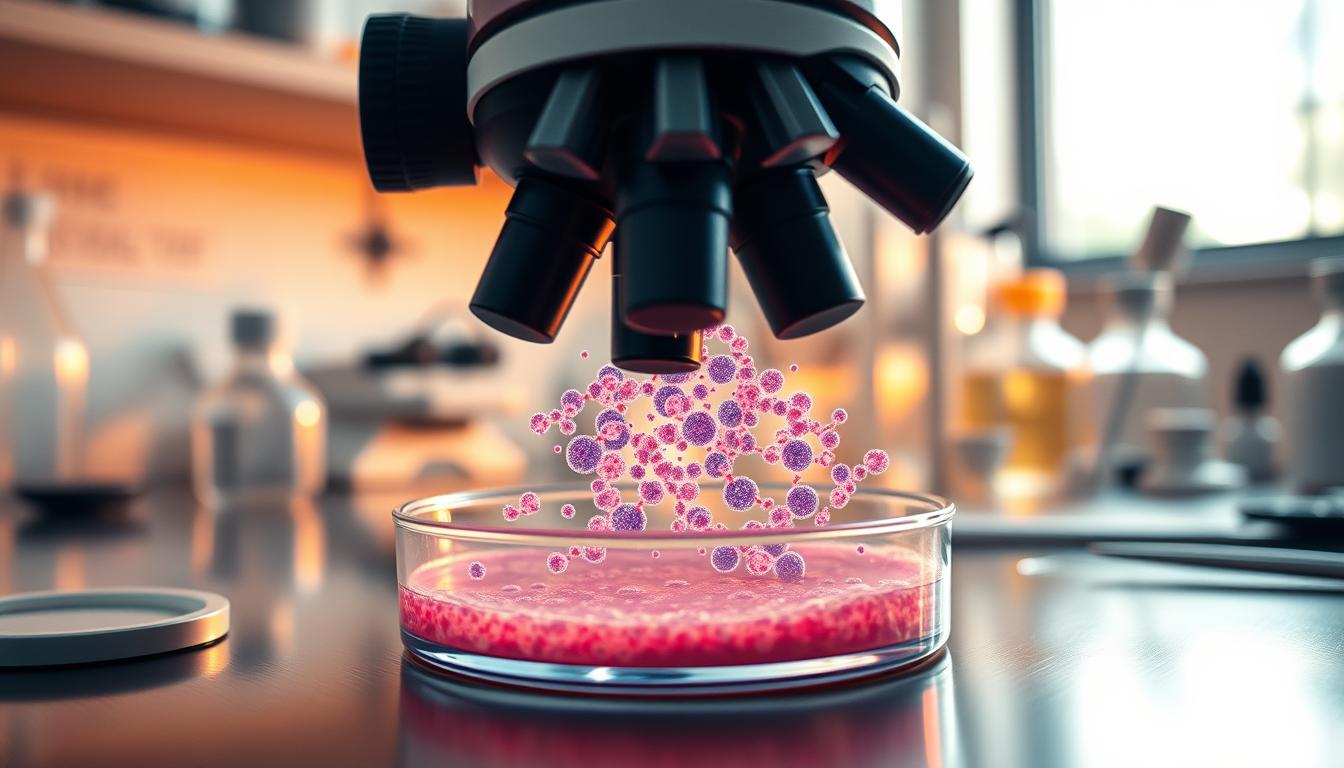
What if the key to unlocking groundbreaking medical discoveries lay hidden in a simple circular dish? Cell culture in petri dish techniques have revolutionized biological research, providing scientists with a powerful window into cellular behavior and potential medical breakthroughs.
Cell culture represents a critical microbiology technique that enables researchers to grow and study cells under carefully controlled laboratory conditions. These delicate methods involve cultivating eukaryotic or prokaryotic cells in specialized environments, using petri dishes as their primary growth platform.
Julius Richard Petri pioneered this transformative approach by modifying traditional plating methods, creating a standardized container that dramatically reduced contamination risks. Modern cell culture techniques have expanded far beyond Petri’s original design, incorporating advanced surfaces like Nunclon Delta and specialized dish configurations to support diverse research needs.
Scientists now utilize a range of petri dish sizes—from compact 35 mm to expansive 150 mm dishes—each offering unique capabilities for different research protocols. These dishes feature innovative surface treatments that enhance cell attachment, growth, and experimental precision.
Key Takeaways
- Cell culture techniques provide controlled environments for cellular research
- Petri dishes enable precise observation of cellular growth and behavior
- Modern dishes offer multiple surface treatments for specialized research
- Microbiology techniques have dramatically evolved since their original inception
- Petri dishes are fundamental tools in contemporary biological research
Overview of Cell Culture Techniques
Cell culture represents a fundamental technique in biological research that enables scientists to study cells outside their natural environment. This method provides researchers with unprecedented insights into cellular behavior, growth, and interactions.
Scientists use specialized techniques to grow and maintain cells in controlled laboratory conditions. Bacterial growth on agar plates serves as a critical foundation for understanding cellular development and research methodologies.
Definition of Cell Culture
Cell culture involves removing cells from an organism and growing them in a controlled artificial environment. The process typically uses agar plates as a primary medium for bacterial growth and cellular studies.
Importance in Biological Research
- Enables detailed cellular mechanism studies
- Supports drug development research
- Provides insights into disease progression
- Allows genetic manipulation experiments
Types of Cell Cultures
| Culture Type | Characteristics | Applications |
|---|---|---|
| Adherent Cultures | Cells attach to surface | Tissue engineering |
| Suspension Cultures | Cells float in liquid medium | Protein production |
| Primary Cultures | Directly extracted from tissue | Initial research stages |
| Continuous Cultures | Immortalized cell lines | Long-term experiments |
Understanding these diverse cell culture techniques allows researchers to select the most appropriate method for their specific scientific investigations, ensuring precise and reliable experimental outcomes.
Materials Required for Cell Culture
Successful cell culture depends on careful selection of specialized laboratory equipment and precise techniques. Researchers must prepare a comprehensive set of materials to ensure optimal growth conditions and maintain aseptic techniques throughout the experimental process.
Effective cell culture requires a strategic approach to selecting and preparing materials. Scientists must carefully choose equipment that supports reproducible results and maintains the integrity of cell colonies.
Essential Laboratory Equipment
- Laminar flow hood for sterile work environment
- Incubators for controlled temperature and humidity
- Precision pipettes and sterile tips
- Microscopes for colony morphology observation
- Centrifuges for cell preparation
Petri Dishes: Specifications and Selection
Petri dishes play a critical role in cell culture, with specific design features crucial for successful experiments. Researchers can choose from multiple sizes and surface treatments to match their specific research needs.
| Dish Size | Diameter | Surface Treatment | Packaging |
|---|---|---|---|
| Small | 35mm | Nunclon Delta | Individually packaged |
| Medium | 60mm | Supra | Sleeves of 10 |
| Large | 150mm | BioLite | Sleeves of 20 |
Sterilization and Aseptic Techniques
Maintaining sterile conditions is paramount in cell culture. Aseptic techniques prevent contamination and ensure reliable experimental outcomes. Key sterilization methods include autoclaving, 70% ethanol sprays, and using sterile disposable equipment.
- Autoclave equipment at 121°C
- Use sterile personal protective equipment
- Regularly disinfect work surfaces
- Handle cells with sterile techniques
Preparing for Cell Culture
Cell culture preparation demands precision and meticulous attention to detail. Researchers must create an environment that supports delicate cellular growth while preventing contamination. The process involves multiple critical steps that ensure successful antimicrobial susceptibility testing and other scientific investigations.
Maintaining a Sterile Environment
Creating a sterile workspace is fundamental to successful cell culture. Key strategies include:
- Disinfecting work surfaces with 70% ethanol
- Using personal protective equipment (PPE)
- Minimizing traffic and drafts in the work area
- Keeping the workspace uncluttered
Essential Equipment for Cell Culture
Researchers require specialized equipment to maintain optimal growing conditions for cell cultures:
| Equipment | Purpose |
|---|---|
| Cell Culture Hood | Provides sterile working environment |
| Incubator | Maintains consistent temperature and CO2 levels |
| Cryogenic Storage Units | Preserves cell lines for future research |
Preparing Culture Medium
Culture medium preparation is crucial for antimicrobial susceptibility testing. The medium must be:
- Pre-warmed to 37°C
- Supplemented with essential nutrients
- Sterilized using appropriate methods
- Checked for pH and nutrient balance
“Successful cell culture begins with meticulous preparation and unwavering commitment to sterile techniques.” – Research Laboratory Protocols
Proper preparation ensures robust cellular growth and reliable research outcomes in antimicrobial susceptibility testing and other scientific applications.
Inoculation Techniques in Petri Dishes
Cell culture research relies on precise inoculation techniques to ensure successful microorganism isolation and cell growth. Researchers use specialized methods to transfer cells into Petri dishes, creating optimal conditions for scientific investigation.
Core Methods of Cell Inoculation
The streak plate method stands as a critical technique for microorganism isolation. This approach allows scientists to separate individual cell colonies with remarkable precision. Researchers typically employ several key strategies during the inoculation process:
- Sterilizing inoculation tools before use
- Maintaining a controlled environment
- Using appropriate growth media
- Controlling temperature and humidity
Strategic Inoculation Approaches
Different cell types require unique inoculation techniques. Some methods focus on:
- Direct plating of cell suspensions
- Serial dilution techniques
- Gradient spreading for uniform distribution
| Inoculation Technique | Primary Use | Complexity Level |
|---|---|---|
| Streak Plate Method | Microbial Isolation | Intermediate |
| Pour Plate Technique | Cell Counting | Advanced |
| Spread Plate Method | Colony Quantification | Basic |
“Precision in inoculation determines the success of cellular research” – Dr. Emily Rodriguez, Cell Biology Research Institute
Successful inoculation demands meticulous attention to detail. Researchers must ensure sterile conditions, use appropriate tools, and select the right technique for their specific experimental goals.
Monitoring Cell Growth
Cell culture research demands precise monitoring techniques to ensure optimal cell health and growth. Researchers rely on multiple strategies to track cellular development, utilizing advanced biochemical tests and observation methods that provide critical insights into cell population dynamics.
Visual inspection plays a crucial role in understanding cell culture conditions. Scientists evaluate several key indicators to assess cellular health:
- Morphological consistency
- Color changes in growth media
- Cell density and distribution
- Cellular response to environmental conditions
Key Indicators of Cell Health
Phenol red serves as an essential pH indicator in cell cultures. Its color-changing properties reveal critical information about cellular metabolic processes. When cells are healthy, the media maintains a consistent color, signaling stable growth conditions.
“Cellular health is not just about survival, but about maintaining optimal functional integrity.” – Cell Biology Research Principles
Using Microscopy for Observation
Microscopic examination allows researchers to perform detailed biochemical tests and evaluate cellular characteristics. Inverted microscopes enable direct observation of adherent cells, revealing subtle changes in morphology that might indicate potential issues.
| Observation Parameter | Healthy Cells | Compromised Cells |
|---|---|---|
| Morphology | Consistent shape | Irregular contours |
| Nucleus | Clear, defined | Granular appearance |
| Cytoplasm | Smooth texture | Vacuolation present |
Growth Curves and Their Analysis
Growth curve analysis provides quantitative insights into cell population dynamics. By tracking cell numbers over time, researchers can identify growth phases, assess proliferation rates, and detect potential contamination through biochemical tests and visual monitoring.
Understanding these intricate monitoring techniques empowers scientists to maintain robust and reproducible cell cultures, driving advanced research across multiple scientific disciplines.
Common Cell Types Used in Petri Dishes
Cell culture in petri dish techniques involve diverse cell types that play crucial roles in microbiology research. Scientists use different cellular models to explore biological mechanisms, develop treatments, and understand cellular behavior.
Researchers categorize cells based on their growth characteristics and origin, which significantly impacts their use in scientific experiments.
Adherent vs. Suspension Cells
Two primary cell culture classifications exist in microbiology techniques:
- Adherent Cells: Attach to culture surfaces and grow in monolayers
- Suspension Cells: Float freely in growth media without attaching
Primary Cells and Cell Lines
Cell cultures are distinguished by their source and replicative capacity:
- Primary Cultures: Directly extracted from living tissue, typically subcultured at 1:2 ratio
- Diploid Cell Lines: Limited replication potential
- Example: CCD-1117Sk human skin fibroblasts
- Example: CCD-18Co human colon cells
Stem Cells in Petri Dish Cultures
Stem cell research represents a cutting-edge application of cell culture in petri dish techniques. These versatile cells can differentiate into multiple cell types, offering immense potential in regenerative medicine and developmental biology.
HeLa cells remain a landmark example in cell culture experiments, demonstrating the transformative power of cellular research.
Challenges in Cell Culture
Cell culture research confronts numerous critical challenges that can compromise experimental integrity and scientific outcomes. Researchers must navigate complex obstacles to maintain reliable and consistent cell growth environments.
Cell culture contamination represents a significant threat to scientific research. Bacterial growth can rapidly undermine experimental results, introducing unexpected variables that invalidate carefully designed studies.
Contamination: Prevention and Management
Preventing contamination requires rigorous aseptic techniques and comprehensive laboratory protocols. Researchers must implement multiple strategies to protect cell cultures from potential biological threats.
- Regular equipment sterilization
- Use of specialized antibiotics
- Strict personal protective equipment protocols
- Routine quality control checks
Variability in Cell Behavior
Cell cultures exhibit inherent biological variability that can complicate research outcomes. Genetic drift, passage number, and environmental conditions significantly impact cellular responses.
| Contamination Source | Potential Impact | Prevention Strategy |
|---|---|---|
| Bacterial Intrusion | Reduced Cell Viability | Sterile Technique |
| Mycoplasma | Altered Cell Function | Antibiotic Treatment |
| Fungal Contamination | Complete Culture Failure | Strict Environmental Control |
Environmental Factors Affecting Growth
Environmental conditions profoundly influence cell culture success. Temperature, pH levels, nutrient availability, and oxygen concentration create complex interactions that determine cellular health and proliferation.
Understanding these challenges enables researchers to develop robust protocols that minimize contamination risks and maximize experimental reliability in cell culture studies.
Applications of Cell Culture
Cell culture techniques have revolutionized multiple scientific domains, providing researchers with powerful tools for investigating complex biological processes. These versatile methods enable critical advancements across various scientific and medical fields.
Drug Development and Testing
Pharmaceutical research relies extensively on cell culture techniques for drug screening and development. Antimicrobial susceptibility testing plays a crucial role in evaluating potential medications, allowing scientists to assess drug effectiveness against specific microorganisms.
- Screening potential therapeutic compounds
- Analyzing drug interactions
- Evaluating potential side effects
Genetic Research and Analysis
Cell cultures provide an ideal platform for conducting sophisticated genetic investigations. Biochemical tests help researchers understand cellular mechanisms, gene expression, and complex molecular interactions.
- Studying gene function
- Investigating cellular mutations
- Exploring genetic disease mechanisms
Vaccine Production
The development of vaccines depends critically on cell culture techniques. Researchers use specialized petri dishes to cultivate cell lines essential for creating and testing immunizations against various diseases.
| Research Area | Cell Culture Application |
|---|---|
| Viral Vaccine Development | Cultivating viral strains for immunization |
| Bacterial Vaccine Research | Studying bacterial antigen responses |
| Immunology Studies | Analyzing immune cell interactions |
Modern cell culture techniques continue to drive scientific innovation, offering researchers unprecedented insights into biological systems and potential medical treatments.
Ethical Considerations in Cell Culture
Cell culture in petri dish research demands rigorous ethical standards that protect both scientific integrity and biological resources. Researchers must navigate complex moral landscapes while conducting sensitive biological investigations.
Scientific research involving cell culture requires comprehensive ethical frameworks that address multiple critical dimensions of biological investigation.
Regulatory Guidelines for Biological Materials
Ethical cell culture practices involve strict adherence to established guidelines that govern biological material usage. Key considerations include:
- Obtaining informed consent for human tissue samples
- Ensuring transparent sourcing of biological materials
- Maintaining rigorous documentation of sample origins
- Protecting donor privacy and confidentiality
Responsible Research Practices
Researchers performing cell culture in petri dish experiments must prioritize responsible methodologies that respect biological resources. Ethical considerations extend beyond laboratory protocols to encompass broader societal implications of scientific research.
Minimizing Biological Risk
Advanced cell culture techniques now support ethical practices through innovative approaches:
- Utilizing xeno-free culture surfaces
- Reducing animal-derived serum dependencies
- Implementing non-pyrogenic sterilization methods
- Developing contamination-prevention strategies
By embracing these ethical principles, scientists can conduct cell culture research that balances scientific progress with moral responsibility.
Future Trends in Cell Culture Techniques
The landscape of microbiology techniques is rapidly evolving, with cutting-edge innovations transforming traditional cell culture approaches. Advanced technologies are reshaping how researchers work with agar plates and cell culture systems, integrating artificial intelligence, big data analytics, and Internet of Things (IoT) technologies to enhance precision and efficiency in biological research.
Emerging 3D cell culture technologies are pushing the boundaries of scientific understanding. These sophisticated systems provide more realistic models for disease modeling and drug testing, mimicking in vivo tissue structures with unprecedented accuracy. Lab-on-a-Chip and Organ-on-a-Chip technologies are revolutionizing biomedical research by enabling automated processes such as cell seeding, medium perfusion, and real-time cellular response monitoring.
Digital twin technology represents a significant breakthrough, allowing researchers to simulate and optimize cell culture processes without extensive wet-laboratory experiments. Cloud-based software solutions and open-source technologies are facilitating customized machine learning approaches, improving data accuracy, transparency, and traceability. While challenges remain, including regulatory compliance and skilled labor shortages, the potential for innovation is immense.
Cross-functional collaboration between IT specialists, automation experts, and data scientists is driving these technological advancements. As researchers continue to develop more sophisticated microbiology techniques, the future of cell culture promises more precise, efficient, and insightful approaches to understanding biological systems and developing groundbreaking medical treatments.
FAQ
What is cell culture in a petri dish?
Cell culture in a petri dish is a fundamental microbiology technique that involves growing cells in a controlled environment on a specialized culture medium. Scientists use these dishes to cultivate various types of cells, including bacteria, mammalian cells, and microorganisms, allowing for detailed study of cellular behavior, growth, and interactions.
Why are petri dishes important in biological research?
Petri dishes provide a sterile, controlled environment for cell growth, enabling researchers to observe and manipulate cells with precision. They are crucial for numerous applications, including drug development, genetic research, antimicrobial susceptibility testing, and understanding cellular processes in fields like microbiology and biotechnology.
What are the key components needed for successful cell culture?
Successful cell culture requires several critical components: sterile petri dishes, appropriate growth media, precise temperature control, aseptic techniques, and specialized equipment like laminar flow hoods. The choice of media and culture conditions depends on the specific cell type and research objectives.
How do researchers prevent contamination in petri dish cultures?
Preventing contamination involves using strict aseptic techniques, including working in a sterile environment like a laminar flow hood, using sterilized equipment, wearing protective gear, and carefully preparing and handling culture media. Regular monitoring and proper technique are essential to maintain the integrity of cell cultures.
What types of cells can be cultured in petri dishes?
Researchers can culture various cell types in petri dishes, including bacterial cells, mammalian cell lines, primary cells, stem cells, and microorganisms. These can be adherent cells that attach to the surface or suspension cells that grow in liquid media, each requiring specific culture conditions and techniques.
What is the streak plate method?
The streak plate method is a technique used for microorganism isolation, where a small amount of sample is spread across the surface of an agar plate using a sterile loop. This method helps separate individual bacterial colonies and allows researchers to obtain pure cultures for further study and analysis.
How are cell cultures used in drug development?
Cell cultures play a crucial role in drug development by providing a platform for testing new compounds, studying drug interactions, assessing toxicity, and evaluating potential therapeutic effects. Researchers use various cell types to simulate biological responses and screen potential medications before animal or human trials.
What are the challenges in maintaining cell cultures?
Key challenges include preventing contamination, managing cell growth consistency, maintaining appropriate environmental conditions (temperature, pH, nutrient availability), and preventing genetic drift or mutations. Researchers must carefully monitor cell health, use precise techniques, and have robust quality control measures.
What future innovations are emerging in cell culture techniques?
Emerging innovations include 3D cell culture systems, advanced automation, artificial intelligence-driven analysis, improved culture surfaces, and more sophisticated monitoring technologies. These developments aim to create more accurate representations of biological systems and enhance research capabilities across various scientific disciplines.
What ethical considerations are important in cell culture research?
Ethical considerations include obtaining proper consent for biological materials, ensuring responsible sourcing of cells, following strict regulatory guidelines, maintaining scientific integrity, and considering potential environmental and societal impacts of cell culture research. Researchers must adhere to established ethical frameworks in their work.





Leave a Comment
Your email address will not be published. Required fields are marked *