



Imagine a single tool that could change science forever. Cell culture tubes are the hidden gems of biology, making new discoveries possible in many fields.
Tissue culture vessels are key for scientists who need exact results. These special containers let cells grow and multiply in the best conditions.
Cell culture tubes come in many shapes, like round, flat, and conical. Scientists use them to keep experiments clean and precise.
There are many sizes and types of tubes for different studies. The right tube can lead to big discoveries or just more questions.
Key Takeaways
- Cell culture tubes are fundamental to modern biological research
- Multiple tube designs support diverse scientific investigations
- Sterility and precision are critical for successful experiments
- Tube selection impacts research quality and reproducibility
- Advanced tube technologies continue to evolve scientific capabilities
Introduction to Cell Culture Tubes
Cell culture tubes are key tools in today’s science labs. They act as sterile containers for studying cells. This lets researchers understand how cells work with great detail and accuracy.
Science labs use cell culture flasks and tubes for important research. These tools help scientists create the best conditions for cell growth and study.
Importance in Biological Research
Cell culture tubes are crucial in biology. They offer big benefits:
- They give cells a clean, standard place to grow.
- They let scientists control cell conditions exactly.
- They support complex research methods.
- They help get the same results over and over.
Applications in Various Fields
Scientists in many areas use cell culture tubes for key studies:
- Medical Research: Looking into disease causes.
- Drug Development: Testing new medicines.
- Biotechnology: Working on genetic changes.
- Environmental Studies: Studying how cells react to the environment.
These versatile containers help scientists do detailed experiments. They help us learn more about life at the molecular and cellular levels.
Types of Cell Culture Tubes
Cell culture research needs precision and special tools. Choosing the right polystyrene culture tubes is key. It helps keep experiments accurate and cells healthy.
Scientists face a wide range of tube types, each for different needs. Knowing the details of each helps design better experiments and get reliable results.
Standard Cell Culture Tubes
Standard tubes have important features for research:
- Consistent wall thickness
- Uniform optical clarity
- Sterile manufacturing processes
- Compatibility with many research protocols
Specialized Cell Culture Tubes
Vented cell culture tubes are for those needing better gas exchange. They have special designs for:
- Improved cellular respiration
- Controlled environmental conditions
- Less contamination risk
Material Comparisons
Each material has its own benefits for research:
| Material | Key Properties | Research Applications |
|---|---|---|
| Polystyrene | High optical clarity | Microscopy studies |
| Polypropylene | Chemical resistance | Harsh chemical environments |
| Specialized Polymers | Enhanced gas permeability | Long-term cell cultivation |
The world of cell culture tubes is always growing. It gives scientists better tools for their work.
Key Features of Quality Cell Culture Tubes
Laboratory researchers need precise and high-performance cell culture tubes for successful experiments. Choosing the right cryogenic vials and centrifuge tubes is key. It helps keep research clean and prevents contamination.
Modern science requires tubes that meet strict quality standards. These standards cover many important areas.
Sterility and Contamination Prevention
Stopping contamination is a top goal for cell culture tubes. Researchers should look for tubes made with:
- Advanced sterilization methods
- Non-pyrogenic materials
- Leak-proof seals
- Virgin polypropylene resin
Volume Capacity and Size Variations
Centrifuge tubes vary in size to fit different research needs. They come in various volumes, such as:
| Tube Type | Volume Range | Typical Applications |
|---|---|---|
| Microcentrifuge Tubes | 0.5 – 2 mL | Small-scale molecular work |
| Standard Centrifuge Tubes | 15 – 50 mL | Cell culture, protein research |
| Large Capacity Tubes | 250 – 500 mL | Bulk sample processing |
Compatibility with Laboratory Equipment
Top-notch cell culture tubes work well with many lab tools, like:
- Centrifuges
- Incubators
- Microscopes
- Automated liquid handling systems
Researchers must check tube specs to ensure they work well in various experiments. Precise engineering and material choice are crucial for quality and reliable results.
Best Practices for Using Cell Culture Tubes
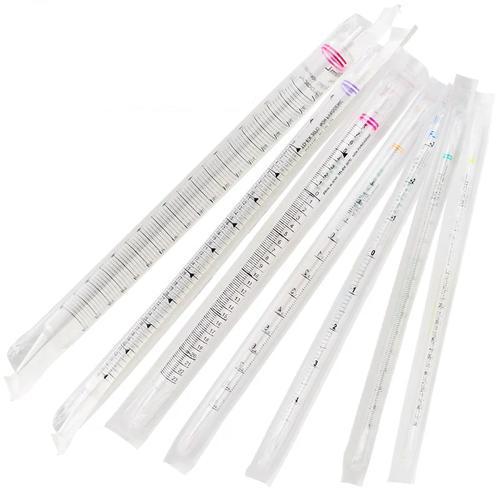
For cell culture research, it’s important to be precise and careful. You need to know how to work with microcentrifuge tubes and serological pipettes. This helps keep your experiments clean and reliable.

Good cell culture work starts with careful preparation and following set protocols. It’s key to protect your samples and keep your experiments reliable.
Preparation and Sterilization Techniques
Keeping your cell culture experiments clean is vital. Here are some important steps:
- Use 70% ethanol for surface disinfection
- Implement strict aseptic techniques
- Utilize personal protective equipment (PPE)
- Clean incubators and work surfaces regularly
Handling and Storage Recommendations
When handling microcentrifuge tubes and serological pipettes, follow these tips:
| Handling Practice | Recommendation |
|---|---|
| Pipette Usage | Use each sterile pipette only once |
| Container Management | Cap containers immediately after use |
| Storage Conditions | Protect from light and moisture |
Being careful in the lab greatly lowers the chance of contamination. This ensures your research is trustworthy. About 16.1% of papers have issues with cell lines. This shows how crucial careful techniques are.
Maintaining a sterile environment is not just a recommendation—it’s a critical requirement for successful cell culture research.
Cell Culture Tube Selection Criteria
Choosing the right cell culture tubes is key for researchers. They need to look at many factors for the best results. This ensures their cells grow well and their research is accurate.
When picking cell culture tubes, researchers should think about a few important things:
- What they want to achieve in their research
- Which cells they are working with
- The type of material the tubes are made of
- How the tubes will perform in different conditions
Assessing Research Needs
Choosing the right tubes starts with knowing what you need. Scientists should look at things like:
- How sensitive the cells are
- How long the cells will be in the tubes
- How complex the experiment is
- The size and volume of the tubes needed
Material Compatibility Considerations
Each type of cell culture tube has its own material. Polypropylene and coated tubes affect how cells stick and grow.
Choosing the right material is crucial for cell behavior and research success.
Cost-Effectiveness vs Quality
Researchers have to balance their budget with the quality of their research. Cost is important, but so is the tube’s performance, sterility, and fit with their research.
In the end, picking the right tubes helps research run smoothly. It reduces the chance of contamination and ensures reliable results.
Innovative Technologies in Cell Culture Tubes
Modern science relies more on advanced containers for cell culture. These containers are changing how labs work. They use new materials and designs to improve research.
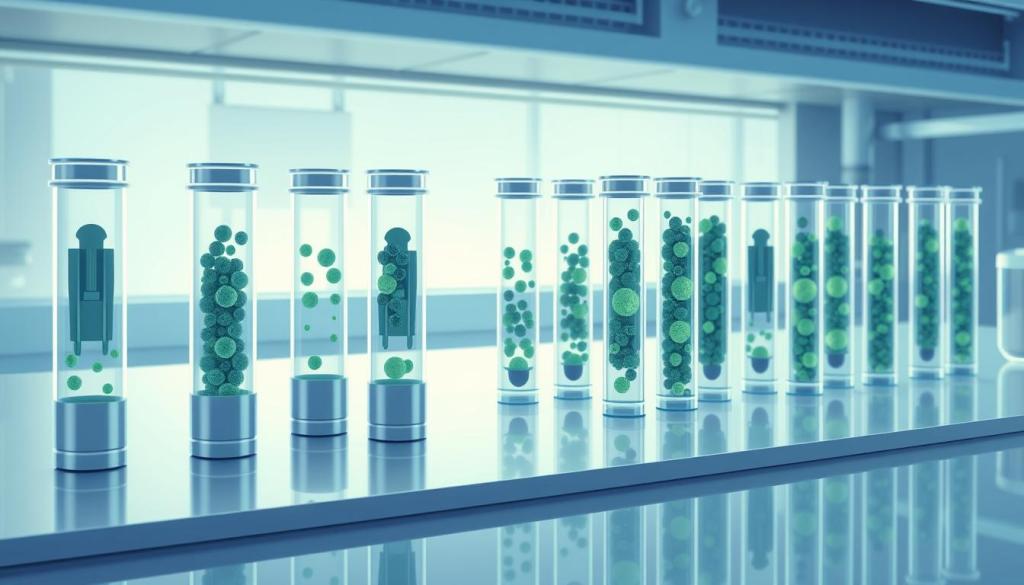
Researchers are looking at new polystyrene culture tubes. These tubes improve lab work and results. They focus on three main areas:
- Advanced Material Engineering
- Automated Processing Systems
- Enhanced Laboratory Efficiency
Advanced Material Developments
New technologies bring novel polymers to the table. These containers have:
- Improved optical properties
- Enhanced cell adhesion surfaces
- Optimized growth environment characteristics
Automation in Cell Culture Processes
New polystyrene culture tubes work well with robots. They help with fast screening and big cell production. This makes complex experiments easier.
Laboratory Efficiency Impact
The latest cell culture tubes aim to cut down on mistakes. They speed up research and offer high precision. Microfluidic systems and 3D-printed vessels lead this change. They promise to change how we do cellular research.
Regulatory Standards for Cell Culture Tubes
Laboratory research needs strict rules to keep equipment safe and of high quality. Vented cell culture tubes and cryogenic vials must follow strict standards. These standards protect researchers and keep experiments reliable.
The rules for cell culture tubes cover many important areas. Researchers must follow detailed guidelines. These guidelines ensure the products are reliable and safe.
FDA Regulations
The Food and Drug Administration (FDA) sets clear rules for lab equipment. They focus on several key points:
- Product safety verification
- Material biocompatibility testing
- Sterility assurance protocols
- Traceability requirements
ANSI and ISO Standards
Standardization groups are key in setting performance standards for vented cell culture tubes. The American National Standards Institute (ANSI) and International Organization for Standardization (ISO) create detailed guidelines. These guidelines ensure:
- Consistent manufacturing quality
- Performance reliability
- Interoperability across different laboratory systems
- Safety compliance for cryogenic vials
Compliance and Safety Measures
Laboratory professionals must follow established rules closely. Comprehensive documentation and strict testing are key for top research quality.
Regulatory compliance is not just a requirement, but a commitment to scientific excellence and safety.
Important safety points include material purity and preventing contamination. Researchers must pick cell culture tubes that meet or go beyond these strict rules.
Troubleshooting Common Issues with Cell Culture Tubes
Laboratory researchers often face challenges with centrifuge and microcentrifuge tubes. Knowing how to solve these problems can greatly improve results and cut down on mistakes.
Addressing Contamination Problems
Contamination in cell cultures is a big worry for scientists. It’s important to spot and stop contamination early on.
- Check the media for any signs of trouble like turbidity or color changes
- Keep an eye on how cells are growing
- Follow strict rules for keeping things clean and sterile
Mycoplasma is especially hard to find but can really mess with cell behavior. Here are some ways to stay ahead:
- Start fresh with new cell batches every 3 months
- Clean lab equipment thoroughly
- Don’t overuse antibiotics
Tips for Handling Breakages
Being careful with microcentrifuge tubes can help avoid breakage and losing samples. It’s all about gentle handling and the right storage.
Here are some tips:
- Use the right speed when spinning
- Keep tubes away from extreme temperatures
- Make sure tubes are sturdy before using them
Knowing the risks and being careful can stop big problems with cell culture tubes.
Future Trends in Cell Culture Tube Development
The world of lab research is changing fast. New technologies are changing how scientists work with cells. These changes are making cell culture flasks and serological pipettes better, leading to big steps forward in science.
Cutting-Edge Technological Horizons
Scientists are looking into new ways to improve cell research. Some exciting areas include:
- Nanotechnology-enhanced surface coatings
- Integrated sensor technologies
- Smart tracking systems for cell cultures
- Advanced material designs
Sustainable Laboratory Practices
Now, making lab equipment that’s good for the planet is key. Companies are making eco-friendly cell culture tubes that are better for the environment but still work great.
New ideas include:
- Recyclable cell culture materials
- Energy-efficient manufacturing processes
- Reduced plastic consumption
- Biodegradable component research
The future of cell culture tech looks very promising. With smart tech and green practices, scientists will have better tools. These tools will help them do more precise, efficient, and eco-friendly research.
Conclusion: The Role of Cell Culture Tubes in Research
Cell culture tubes are key in scientific research, leading to many breakthroughs. They are not just containers but tools for precise research. They help scientists study cells in detail.
The technology behind cell culture tubes has grown a lot. It has changed from simple glass to advanced tubes for specific needs. Now, scientists can control cell environments better. This helps in studying diseases, developing drugs, and in regenerative medicine.
Key Research Contributions
Today’s cell culture tubes are advanced tools for studying complex biology. They keep conditions like pH and temperature just right. This is crucial for experiments in molecular biology, genetics, and more.
As technology improves, so does our understanding of biology. This leads to new treatments and therapies.
Future Innovation Pathway
The scientific world needs to keep improving cell culture tubes. Future work will focus on making them cleaner, better materials, and more specialized. This will help with more complex research.
Researchers are leading the way in making these tools even more powerful. They are key to unlocking new discoveries.
FAQ
What are cell culture tubes, and why are they important in laboratory research?
Cell culture tubes are special containers for growing cells. They help scientists study cells and find new treatments. These tubes keep cells safe and controlled.
What materials are typically used to manufacture cell culture tubes?
Most tubes are made from polystyrene or polypropylene. These materials are clear, resistant to chemicals, and good for cell growth. The right material depends on the research and cells being used.
How do researchers ensure the sterility of cell culture tubes?
Tubes are sterilized with gamma irradiation or ethylene oxide. Scientists use aseptic techniques and work in clean areas. They also wear protective gear to avoid contamination.
What types of cell culture tubes are available for different research needs?
There are many types of tubes. You can find standard tubes, vented tubes for gas, conical tubes for spinning, and cryogenic vials for freezing. There are also tubes with special coatings for certain cells or experiments.
How do I select the right cell culture tube for my research?
Think about the cell type, how long you’ll culture them, and what you need to do with the cells. Also, consider the material, volume, and if it fits with your lab equipment. Choose tubes that help your cells grow well and get good results.
What are some common challenges when using cell culture tubes?
Problems can include contamination, cells sticking to the tube, and breaking tubes. Using the right techniques, working in clean areas, and picking good tubes can solve these issues.
Are there regulatory standards for cell culture tubes?
Yes, tubes must follow FDA, ANSI, and ISO rules. These standards ensure the tubes are safe, clean, and work well. It’s important to choose tubes that meet these standards.
What innovative technologies are emerging in cell culture tube design?
New technologies include better polymers, special coatings, and microfluidic systems. There are also designs for automation and smart features like RFID and sensors.
How should cell culture tubes be stored and handled?
Keep tubes in a clean, dry place away from light and moisture. Use the right temperature and handle them carefully. Always follow proper sterilization and aseptic techniques.
What are the future trends in cell culture tube development?
Future trends include using sustainable materials and eco-friendly processes. There will also be advanced coatings, automation, and specialized tubes for personalized medicine and tissue engineering.





Leave a Comment
Your email address will not be published. Required fields are marked *