



Ever thought about how a small filter tip can change the game in science? In the world of lab science, filter tips pipette are more than just tools. They protect the integrity of experiments.
In labs, precision is key. Filter tips pipette help keep samples pure, stop contamination, and make sure results are the same. They’re vital in many scientific fields.
These tools use the latest tech to solve liquid handling problems. They’re used in everything from DNA studies to medical tests. Pipette filter tips have changed how scientists do their work.
Key Takeaways
- Filter tips pipette are essential for preventing sample contamination
- Advanced manufacturing techniques ensure high-quality performance
- Different filter tip designs cater to specific research needs
- Proper selection of filter tips impacts experimental accuracy
- Filter tips reduce risks of cross-contamination in sensitive research
Understanding Filter Tips Pipette and Their Importance
Pipette tip filters are a big deal in lab research. They help scientists handle liquids with precision and keep things clean. These tips are made to protect samples and lab tools from harmful contaminants.
These filters do more than just move liquids around. They block tiny particles that could mess up experiments.
Definition of Pipette Tip Filters
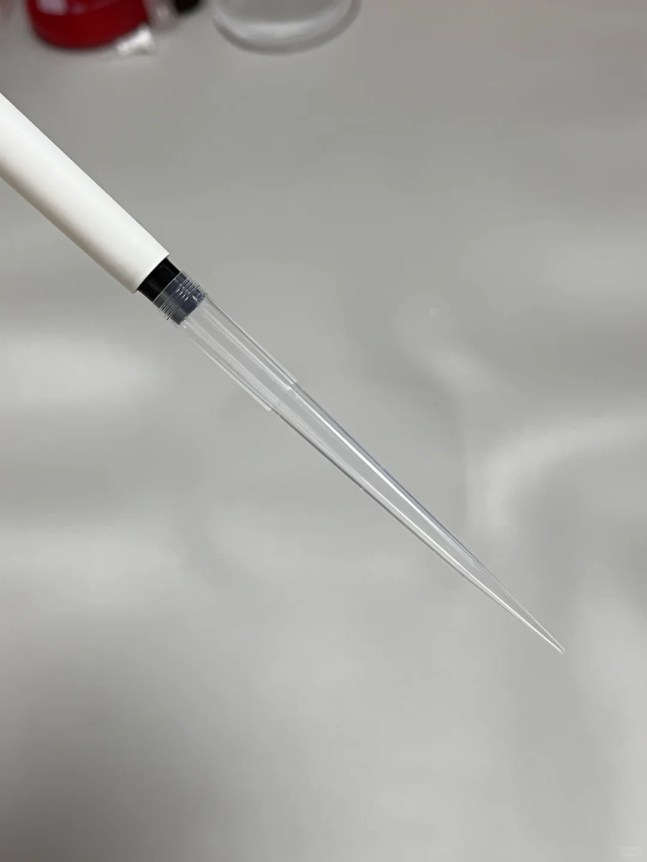
Pipette tip filters are special tools for moving liquids. They have a filter made of porous plastic with a zigzag design. This design catches aerosols and particles, letting air through. It’s a smart way to keep things safe during lab work.
- Prevent sample cross-contamination
- Protect sensitive research equipment
- Ensure consistent experimental results
Role in Laboratory Settings
In labs, these filter tips are key. They’re especially important in precise work like qPCR, molecular biology, and clinical tests.
The precision of scientific research often depends on the smallest details – and filter tips are one such critical detail.
| Application | Filter Tip Advantage |
|---|---|
| Molecular Biology | Prevents DNA/RNA contamination |
| Clinical Diagnostics | Maintains sample integrity |
| Genetic Research | Reduces risk of cross-contamination |
Using top-notch filter tips made from clear polypropylene boosts research reliability. The extra cost is worth it for the safety these tips offer.
Advantages of Using Filter Tips in Pipetting
In the world of lab research, disposable pipette filter tips are key. They help keep experiments accurate. These tips make scientific work better and more reliable.
Experts see sterile pipette filter tips as vital for top-notch research. These tools do more than just move liquids around.
Preventing Contamination and Sample Loss
Filter tips keep experiments safe from contamination. The main benefits are:
- Lowering contamination risk by up to 99.9%
- Stopping cross-contamination in delicate tests
- Keeping samples safe from airborne particles
Enhancing Precision and Accuracy
Studies show filter tips make pipetting better:
| Performance Metric | Improvement Percentage |
|---|---|
| Measurement Accuracy | Up to 15% Less Variation |
| Sample Recovery | 10-20% More Samples Found |
| Laboratory Preference | 75% of Experts Choose Filter Tips |
Reducing Cross-Contamination Risks
In important tests like PCR and cell studies, filter tips are essential. They help avoid mistakes by blocking harmful particles.
Filter tips are not just accessories—they are fundamental tools for maintaining research integrity.
Using top-notch disposable pipette filter tips boosts lab work. It makes experiments more reliable, cuts down on repeat tests, and keeps science at its best.
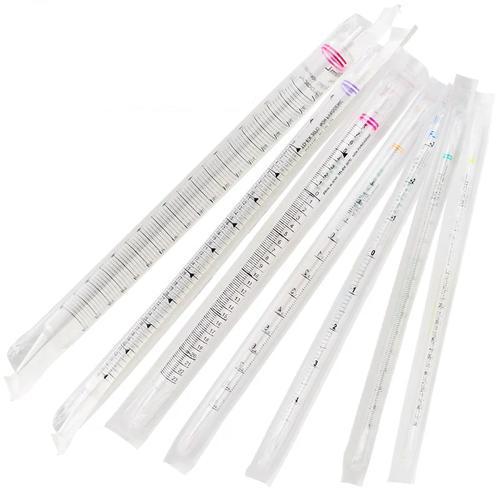
Types of Filter Tips Pipette Available
Laboratory researchers use different filter tip designs for precise and clean liquid handling. Knowing the various types helps scientists pick the best tools for their research.
Filter tips come in many designs for various scientific uses. Researchers can find specialized options that improve experimental accuracy and keep samples safe.
Standard vs. Extended Length Tips
Pipette filter tips are mainly in two lengths:
- Short tips: Great for filling small wells in 384 or 1,536 well-plates
- Extended length tips: Help reduce contamination by reaching the bottom of vessels
Volume Ranges for Different Applications
Low retention pipette filter tips are versatile across different volumes:
- Macro tips: Handle 5-10 ml reagent volumes
- Micro tips: Transfer 0.5-1,250 µL liquid volumes
- Ultra-Micro tips: Manage 0.5-20 µL volumes
Specialized Filter Tip Options
Aerosol-resistant pipette filter tips offer special benefits for certain research needs:
- Wide orifice tips: Reduce cell shearing and flow resistance
- Beveled tips: Prevent sample sticking and ensure full retrieval
- Flat tips: Best for gel loading applications
- Positive displacement tips: Suitable for viscous, volatile, or extreme temperature samples
Selecting the right filter tip ensures experimental precision and sample protection.
Key Features to Consider When Choosing Filter Tips
Choosing the right pipette filter tips is key for lab work and keeping samples safe. Researchers need to look at many factors to get the best results.
When picking hydrophobic pipette filter tips, there are important features to think about:
Material Composition and Compatibility
Most filter tips are made from high-quality polypropylene resin. Important things to consider are:
- Chemical resistance
- Temperature stability
- Free from silicone and latex
- Minimal molecular binding properties
Filtration Efficiency and Pore Size
The success of filter tips depends on their pore size and design. The best filters meet these needs:
| Pore Size | Protection Level | Recommended Use |
|---|---|---|
| 14-18 µm | Superior Protection | Sensitive molecular applications |
| 20-25 µm | Reasonable Protection | Standard laboratory procedures |
Sterility and Packaging
Packaging is key to keeping tips sterile. Racked pipette filter tips have big benefits:
- Pre-sealed with protective lids
- Reduced contamination risk
- Easy workflow integration
- Options for individually wrapped sterile tips
Researchers should choose tips that pass strict quality tests. This ensures reliable results in experiments.
Best Practices for Using Filter Tips Pipette
When working with filter tips pipette, precision and care are key. Scientists use these tools to keep samples safe and prevent contamination. This is vital for their experiments.
Using pipette filter tips right is important. It ensures they work well in biological research.
Essential Handling Techniques
- Always use a new sterile filter tips pipette for each sample transfer
- Hold pipettes vertically to prevent potential liquid contamination
- Inspect filter tips for any visible damage before use
- Avoid touching the sterile portion of filter tips
Achieving Accurate Volume Dispensing
Getting the right amount of liquid is crucial with filter tips pipette. Here are some tips to improve accuracy:
- Calibrate pipettes regularly according to manufacturer guidelines
- Select appropriate filter tip size matching specific volume requirements
- Maintain consistent pipetting technique
- Use low retention filter tips for minimizing sample loss
| Tip Type | Sample Retention | Recommended Use |
|---|---|---|
| Standard Filter Tips | Standard retention | General laboratory work |
| Low Retention Tips | 3-5x less sample retention | Expensive or limited samples |
| Extended Length Tips | Minimal carryover | Deep vessel pipetting |
Maintaining consistent technique and using the right filter tips pipette are key for reliable results.
Applications of Filter Tips in Biological Research
Biological research needs precision and must avoid contamination. Laboratory pipette tips are key, especially disposable pipette filter tips. They change how we do science.
Filter tips are now essential in many research areas. They give scientists a reliable way to handle complex tasks.
Sample Preparation and Analysis
In sample prep, filter tips are unmatched. They offer:
- Certified free of RNase, DNase, and pyrogen contamination
- Made from pure virgin sintered polyethylene
- Pre-sterilized by radiation
- Minimum filtering efficiency of 85% for aerosol sizes
Molecular Biology Techniques
Molecular biology needs high precision. Disposable pipette filter tips are great for:
- PCR (Polymerase Chain Reaction)
- DNA sequencing
- Virus detection processes
- Genetic disease testing
Filter tips greatly reduce cross-contamination risk, making experiments reliable.
Cell Culture Processes
Cell culture needs to be sterile. Laboratory pipette tips with filters stop aerosol spread and protect cells.
Choosing the right filter tips can lower contamination risks. They’re made for specific scientific needs.
Maintenance of Pipettes and Filter Tips
Keeping sterile and low retention pipette filter tips in good shape is key for precise lab work. Lab experts know that taking care of equipment is vital for good results.
To keep lab gear in top shape, a mix of cleaning, calibration, and storage is needed.
Regular Cleaning Protocols
Cleaning regularly is the first step in maintenance. Here’s what to do:
- Use 70% ethanol or isopropanol for daily cleaning
- Do monthly functional tests
- Deep clean seasonally to keep things running smoothly
Calibration and Performance Verification
Calibration keeps your pipettes accurate. Here’s what to focus on:
- Follow the maker’s calibration advice
- Stick to ISO 8655 standards
- Check volume accuracy within limits
Getting your pipettes professionally calibrated keeps your lab work precise and reliable.
Storage Techniques for Optimal Preservation
Storing tips right is essential for their quality. Here’s how:
- Keep them in clean, dust-free spots
- Keep temperature and humidity steady
- Avoid direct sunlight
- Use sterile packaging when you can
Regular upkeep not only makes your equipment last longer but also helps get consistent scientific results.
Environmental Considerations in Filter Tip Usage
Laboratory research is now focusing on being more sustainable. Pipette tip filters are key in this effort. Researchers are looking for ways to reduce waste and lessen their impact on the environment.
The issue of waste in labs is big. Labs use a lot of plastic, which harms the environment. But, new technologies are coming up with better designs and materials.
Biodegradable Options for Aerosol-Resistant Pipette Filter Tips
Modern aerosol-resistant pipette filter tips are getting greener. New developments include:
- Biodegradable materials instead of plastic
- Innovative designs that use less plastic
- Systems that can be recycled
Waste Management Strategies
To manage waste from pipette tip filters, labs need a solid plan. Here are some steps to help:
- Sort waste carefully
- Use recyclable materials for tips
- Use refill systems to cut down on plastic
Tools like the TerraRack show great promise. They can cut plastic waste by up to 80%. New technologies will likely offer even more benefits.
Material Considerations for Sustainability
| Material | Recyclability | Environmental Impact |
|---|---|---|
| Polypropylene (PP) | Grade 5 – High Energy Recycling | Requires Specialized Recycling |
| Polyethylene Terephthalate (PET) | Grade 1 – Easy Recycling | Maintains Material Characteristics |
Research is working on making pipette tip filters better for the planet. By choosing eco-friendly options, labs can lower their environmental impact. This way, they can keep up high standards while being kinder to the Earth.
Common Challenges with Filter Tips Pipettes
Laboratory researchers often face specific problems with pipette filter tips. It’s important to know these issues and how to solve them. This helps keep experiments reliable and accurate.
The Filter Pipette Tips Market was worth USD 1.2 Billion in 2022. It has many technical challenges that researchers need to handle with care.
Critical Issues in Pipetting
There are several big challenges when using hydrophobic pipette filter tips:
- Liquid leakage during sample transfer
- Unexpected tip blockages
- Cross-contamination risks
- Volume dispensing inaccuracies
Potential Problems and Their Solutions
To tackle challenges with racked pipette filter tips, a smart plan is needed. Key solutions include:
- Proper tip selection: Choose tips that fit the volume needed
- Maintain the right suction head depth
- Control pipetting speed
- Keep tips clean and well-maintained
| Challenge | Impact | Recommended Solution |
|---|---|---|
| Liquid Leakage | Experimental contamination | Use high-quality hydrophobic filter tips |
| Tip Blockage | Reduced accuracy | Regular tip replacement and cleaning |
| Cross-Contamination | False experimental results | Implement strict handling protocols |
By tackling these challenges head-on, researchers can greatly enhance their lab work’s reliability and precision.
Trends in Filter Tips Technology
The world of laboratory pipette tips is changing fast. New technologies and research needs are driving these changes. Scientists are seeing big improvements in filter tips design that could change how we do research.
Market trends show exciting changes in laboratory pipette tips technology. The global market is growing fast, with a predicted 8.0% annual growth rate from 2022 to 2030.
Innovations in Design and Functionality
New filter tips pipette innovations are focusing on several key areas:
- Enhanced filtration efficiency
- Improved ergonomic designs
- Advanced material compositions
- Increased compatibility with diverse research applications
Future Developments in Pipetting Solutions
The future of laboratory pipette tips looks bright, with expected advancements in:
- Nanotechnology-enhanced filtration membranes
- Smart material integration
- Sustainability-focused manufacturing
The pipette tips market is expected to reach USD 1.3 billion by 2030, reflecting substantial technological potential.
Researchers can look forward to more specialized filter tips. These will offer:
- Unprecedented contamination prevention
- Ultra-precise volume control
- Optimized research workflows
Investment in laboratory pipette tips technology is promising for science. It shows a future where research can tackle complex challenges more effectively.
Conclusion: The Essential Role of Filter Tips Pipette in Research
Scientific research relies heavily on precision and reliability. Disposable pipette filter tips have become crucial in labs. They improve liquid handling, keeping samples safe and experiments accurate.
Pipette filter tips are a game-changer in lab tech. They block contamination, keeping research clean. This is key for sensitive work like DNA/RNA studies and medical tests. Labs see the value in using top-notch filter tips to cut down on mistakes and boost efficiency.
Choosing the right filter tips is vital for researchers. While they might be pricier, they protect valuable samples and ensure reliable results. Companies like Plasticus Tips show how new materials and designs can improve research.
As research methods evolve, filter tips will remain essential. They help achieve precision and reliability in biological studies. Their use is a step towards excellence in science.
FAQ
What are filter tips pipettes?
Filter tips pipettes are special tools for labs. They help keep liquids and aerosols out of the pipette. This keeps samples safe and prevents contamination in research.
Why are filter tips important in laboratory research?
Filter tips are key in labs because they stop contamination. They also protect equipment and keep samples pure. This is very important in work with cells and DNA.
How do I choose the right filter tips for my pipette?
Look at the volume, material, and sterility of the tips. Also, think about your research needs. Check the length, how well they filter, and if they have special features.
What are the main advantages of using filter tips?
Filter tips prevent contamination and protect pipettes. They help handle liquids accurately. This leads to consistent results in experiments.
Can filter tips be used with different types of liquids?
Yes, filter tips work with many liquids. But, make sure they match your liquid’s needs. Always check compatibility before use.
How should filter tips be stored?
Store tips in sealed, sterile packaging. Keep them in a clean, dry place away from sunlight. This keeps them sterile and prevents contamination.
Are there environmentally friendly filter tip options?
Yes, there are eco-friendly tips and packaging. These options help reduce waste while still meeting lab standards.
How often should filter tips be replaced?
Use disposable tips once and then throw them away. For sensitive work, use new tips for each step to avoid contamination.
What temperature can filter tips withstand?
Many tips can handle 121°C in an autoclave. But, always check the manufacturer’s advice for your tips.
Can filter tips be used in molecular biology techniques?
Yes, filter tips are used in PCR and DNA sequencing. They help prevent contamination and ensure precise results in these techniques.




Leave a Comment
Your email address will not be published. Required fields are marked *