


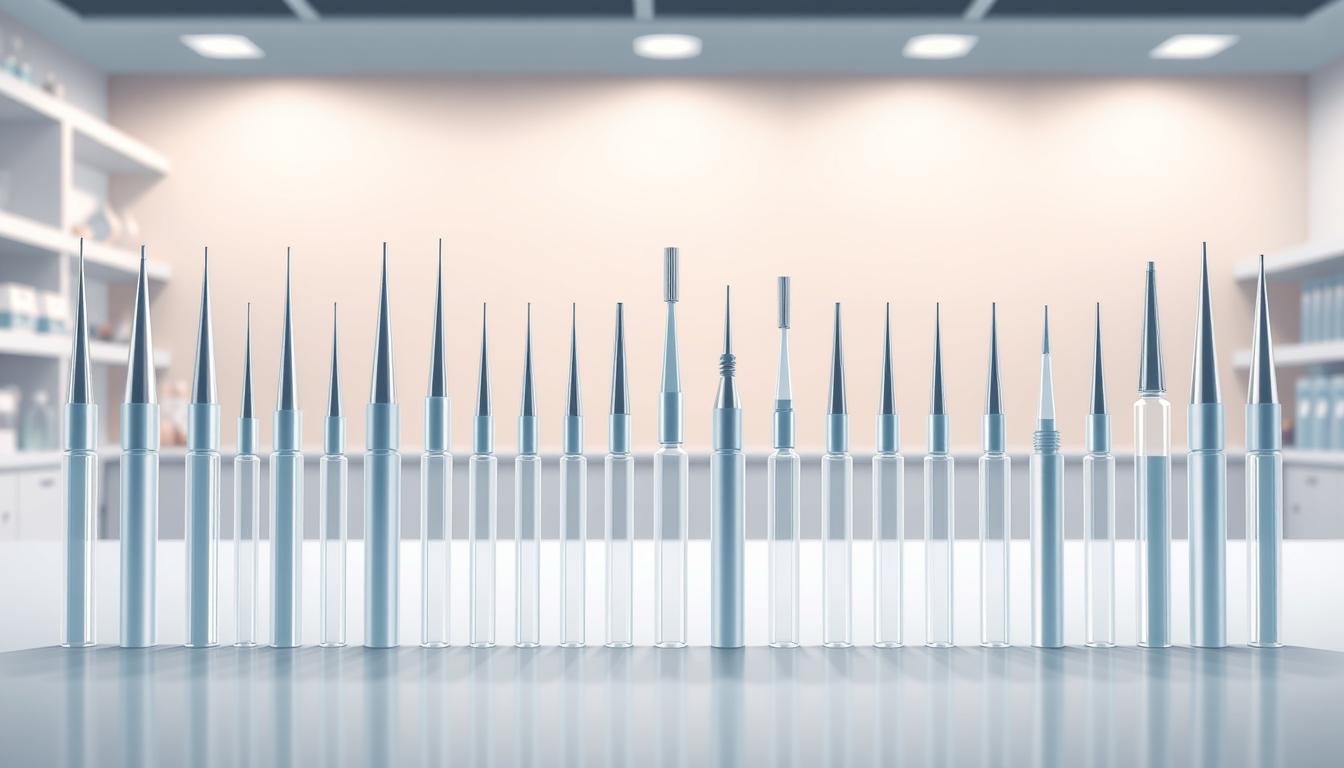
Ever wondered how scientists handle tiny amounts of liquid with such precision? It’s all about micropipette tips sizes and their key role in labs.
Micropipette tips are vital for scientists. They help move tiny liquid amounts with great accuracy. These tools come in many sizes and types, fitting different lab needs in fields like molecular biology and biochemistry.
Choosing the right micropipette tips is crucial for good results. There are tips for small volumes (0.1 to 10 µL) and larger ones (200 to 1000 µL). Each type is made for a specific task, helping labs get reliable results.
Key Takeaways
- Micropipette tips sizes range from 0.1 to 1000 µL
- Precise tip selection enhances experimental accuracy
- Different tip volumes support various laboratory techniques
- Material composition affects liquid handling performance
- Tip compatibility is crucial for optimal pipetting
Introduction to Micropipette Tips
Micropipette tips are key tools in science, used for precise liquid handling. They connect to micropipettes and are vital in many lab tasks. These tools help researchers work with tiny amounts accurately.
Knowing about micropipette tip sizes and capacities is key for good results. These tools come in different shapes and materials for various uses. Labs use these tools to keep experiments reliable
Importance in Laboratory Settings
Micropipette tips are crucial for scientific accuracy. They allow for measuring volumes from 0.1 to 5000 microliters with high precision. The size of the tip is important for the success of experiments.
- Ensure accurate liquid transfer
- Minimize contamination risks
- Support reproducible scientific research
Overview of Micropipette Functionality
Different micropipette tips are needed for different research tasks. Color-coded tips help researchers pick the right volume quickly:
- White tips: 0.2 – 20 µL range
- Yellow tips: 20 – 200 µL range
- Blue tips: 100 – 1000 µL range
Choosing the right micropipette tip improves experiment accuracy. It also helps avoid mistakes in research.
Understanding Micropipette Tip Sizes
Micropipette tip sizes are key in lab work. Scientists use them to move tiny amounts of liquid with great care. This is crucial for many biological studies.
Choosing the right micropipette tip is vital for good results. Each size fits a specific volume range. This is important for successful lab work.
Standard Volume Ranges for Micropipette Tips
Micropipette tips are made to handle small amounts of liquid well. They come in different sizes for different needs. Here are the main ranges:
- 0 to 20 µL: Ultra-micro tips for minimal volume transfers
- 20 to 200 µL: Standard mid-range tips for general laboratory work
- 200 to 1000 µL: Large volume tips for broader experimental requirements
Impact of Tip Size on Experimental Precision
The right tip size is crucial for accurate results. Using the wrong size can cause big problems in lab work.
When picking a tip size, consider a few things:
- Sample viscosity
- Liquid volume requirements
- Potential risk of contamination
- Specific research protocol demands
Top labs focus on tip sizes to keep quality high. This helps them get reliable results in many biological studies.
Types of Micropipette Tips
Micropipette tips are key in science, helping with precise liquid handling. Knowing the different types is crucial for accurate results and keeping samples safe.
Lab workers have many options for micropipette tips. The best choice depends on the research and the experiment’s needs.
Filtered vs. Non-Filtered Tips
Filtered tips are vital for keeping samples clean. They have:
- A filter to stop aerosols
- Protection for sensitive samples like DNA and RNA
- Less chance of contamination
Non-filtered tips are more common for everyday lab work. They are cheaper and versatile, fitting well with pipette tip compatibility in many tasks.
Universal vs. Specific Tips
There are two main types of micropipette tips:
- Universal Tips
- Work with many pipette brands
- Flexible for different labs
- A budget-friendly option
- Specific Tips
- Made for specific pipette models
- Best performance guaranteed
- Perfect match with the manufacturer
Choosing the right tip is important. It depends on the research, budget, and the experiment’s needs. Labs must think carefully about their needs to pick the best micropipette tips.
Choosing the Right Micropipette Tip Size
Choosing the right micropipette tip is key for accuracy and precision in labs. The correct tip greatly affects experiment results and research efficiency.
Lab experts must think about many factors when picking micropipette tips. They need to know the experiment’s needs and the liquid’s properties.
Key Factors in Tip Selection
- Volume range of the experiment
- Liquid viscosity
- Required precision level
- Sample sensitivity
- Potential contamination risks
Materials and Performance Considerations
Different tip materials affect accuracy. Researchers should pick tips based on their needs.
| Tip Type | Key Characteristics | Recommended Applications |
|---|---|---|
| Standard Tips | Cost-effective, general use | Routine laboratory work |
| Low-Retention Tips | Hydrophobic surface | Protein and DNA research |
| Filter Tips | Barrier protection | Sensitive molecular techniques |
Precision begins with selecting the right micropipette tip for your specific research requirements.
Pro tip: Always match the tip size to your pipette’s volume range for best precision. Micro tips are best for 0.5-1,250 µl, while macro tips handle up to 10 ml.
Micropipette Tip Volumes
In the world of biological research, knowing about micropipette tip volumes is key. It helps get accurate results. Scientists pick the right tip volumes for reliable data in many fields.
Lab experts use many micropipette tip sizes for different needs. The tip’s volume affects how well liquids are handled.
Standard Volume Ranges for Micropipette Tips
Micropipette tip volumes fall into several standard ranges:
- 0 to 20 µL: Perfect for molecular biology
- 20 to 200 µL: Good for most lab work
- 200 to 1000 µL: Best for big volume moves
Precision and Accuracy Considerations
Choosing the right tip volume is vital for good experiments. Each range has its own benefits:
| Volume Range | Typical Application | Precision Level |
|---|---|---|
| 0-20 µL | Molecular Biology | High Precision |
| 20-200 µL | General Lab Work | Moderate Precision |
| 200-1000 µL | Cell Culture | Standard Accuracy |
Scientists must pick the right tip size for their experiments. The correct volume helps avoid losing samples and keeps results consistent.
Micropipette Tip Selection for Different Protocols
Choosing the right micropipette tips is key for good science in molecular biology and cell culture. It’s important to pick tips that match the needs of your research. This ensures your results are accurate and reliable.
Different labs need special micropipette tips for their work. It’s all about knowing what each experiment needs.
Molecular Biology Applications
In molecular biology, being precise is crucial. You need low-volume tips for tasks like:
- PCR and qPCR techniques
- DNA sequencing
- Genetic cloning
- Enzyme assays
These tips should handle very small amounts of liquid. They’re vital for precise work in molecular biology.
Cell Culture Techniques
Cell culture needs special tips to protect cells and keep things clean. The right tip can make a big difference in your results.
| Tip Type | Volume Range | Recommended Application |
|---|---|---|
| Filter Tips | 0.5-1000 µL | Preventing aerosol contamination |
| Extended Length Tips | 10-200 µL | Deep well plate handling |
| Low Retention Tips | 2-20 µL | Minimizing sample loss |
When picking micropipette tips, think about your sample’s size, how thick it is, and any risks of contamination. This helps make your experiments better.
Best Practices for Using Micropipette Tips
Getting accurate results with micropipette tips is key in labs. Scientists must follow certain steps to avoid contamination and get reliable results.
There are important steps to handle micropipette tips right. These steps can greatly affect research results. Lab workers need to be very careful to avoid mistakes.
Avoiding Cross-Contamination
Contamination can ruin experiments. Here are some ways to prevent it:
- Always use fresh, sterile tips for each sample
- Use filtered tips for sensitive biological applications
- Change tips between different sample types
- Avoid touching tip surfaces directly
Proper Discarding Techniques
Getting rid of micropipette tips needs careful thought. It keeps labs safe and prevents mix-ups:
- Discard used tips in designated biohazard containers
- Remove tips carefully to prevent splashing
- Seal biohazard containers properly after use
- Follow institutional waste management protocols
Knowing how to calibrate micropipette tips is crucial. Without the right methods, errors can be as high as 12% or more.
Precision in micropipette tip handling is not just a recommendation—it’s a scientific necessity.
By following these best practices, researchers can improve their results. They can keep their work at the highest scientific standards.
Micropipette Maintenance and Care
Keeping micropipette tips in good shape is key for top-notch research results. The right care ensures precision and reliable results. It’s important for scientists to take good care of their laboratory equipment for the best performance.
Understanding the importance of micropipette tip materials is the first step. They are very sensitive to their environment. Each research task needs its own care plan to keep these tools working well.
Essential Cleaning Procedures
Cleaning micropipettes properly is crucial to avoid contamination and keep results accurate. Important steps include:
- Daily check for dirt or damage
- Using the right cleaning solutions for the tip material
- Wipe gently with soft laboratory wipes
- Stay away from strong chemicals that can harm the tips
Replacement Guidelines
Knowing when to replace micropipette tips is essential for keeping precision. Tips should be replaced when:
- They show visible damage or wear
- They don’t work as well as before
- They don’t transfer liquids correctly
- The manufacturer says it’s time
Regular checks and upkeep are vital for micropipette tips to stay reliable. Experts suggest checking them every three months for daily use. For more frequent use, a full service every six months is recommended.
Innovations in Micropipette Tips
The world of lab tech keeps getting better, with micropipette tips leading the way. Now, scientists have tips that are more precise, work better with other tools, and perform better overall.
New micropipette tip sizes have changed how we handle liquids in labs. They bring new tech that makes experiments more accurate.
Advances in Material Science
New materials in micropipette tips have changed lab work. The big changes include:
- Low-retention surface treatments
- Hydrophobic coatings
- Enhanced chemical resistance
- Precision-engineered tip geometries
Emerging Pipetting Technologies
New standards for pipette tip compatibility have led to big tech leaps. Now, tips have amazing features like:
| Technology | Key Benefits |
|---|---|
| SOFTattach Technology | Perfect seal with minimal operating forces |
| SOFTeject System | 50% reduced tip ejection forces |
| Smart Tip Design | Improved sample retention and transfer |
Eppendorf’s epT.I.P.S. 384 pipette tips show these advances. They offer unmatched precision for tough lab tasks.
Environmental Considerations
Laboratory research creates a lot of plastic waste. Micropipette tips are a big part of this problem. Scientists are working hard to find ways to be more eco-friendly without sacrificing research quality.
New sizes and volumes of micropipette tips offer chances to be more green. Researchers can now choose options that help reduce waste and support eco-friendly labs.
Biodegradable Tip Innovations
Modern labs are going for eco-friendly micropipette tips. Some big steps include:
- Biodegradable polypropylene alternatives
- Recyclable tip materials
- Designs that use less plastic
The reload configuration is a big step forward. It lets labs reuse tip racks many times, cutting down on plastic waste a lot.
Waste Disposal Best Practices
Good waste management is key for taking care of the environment. Labs can follow these steps:
- Sort tips into clean and dirty piles
- Set up recycling plans
- Work with waste management experts
By using these green practices, scientists can lessen their plastic use. They can still do precise research.
Regulatory Compliance for Micropipette Tips
Understanding micropipette tip regulations is complex. It requires knowledge of industry standards and certification needs. Researchers must make sure their pipette tips follow strict scientific rules to keep experiments reliable.
The biological research world needs strict rules for micropipette tips. These rules ensure the tips are of high quality and reliable. Manufacturers must follow these guidelines to prevent contamination and ensure the tips work well.
Safety Standards in Micropipette Tip Production
Important safety standards for micropipette tips include:
- ISO 8655 quality assurance compliance
- Cleanroom manufacturing (Class 5, 7, or 8)
- FDA regulatory requirements
- Sterility certification processes
Certification Requirements
Researchers need to check several important certifications when picking micropipette tips:
| Certification Type | Key Requirements |
|---|---|
| Sterility Certification | Gamma radiation treatment |
| Contamination Control | Free of RNase, DNase, endotoxins |
| Volume Precision | Meet ISO 8655-2 calibration standards |
The latest ISO 8655-2 guidelines focus on systematic calibration of pipettes and tips together. This method ensures precise liquid handling in various research fields.
By following these regulatory standards, labs can keep their experiments accurate and reliable in biological research.
Conclusion: Optimizing Micropipette Use
Getting the best results in lab work depends on choosing the right micropipette tips and using them correctly. The accuracy of these tips is key to success in experiments. Every small detail can affect the outcome of research.
Choosing the right tip is more than just a simple step. It’s a crucial decision that affects how reliable your data is. It’s about making sure your tips match your research needs.
Understanding the needs of different research areas is the first step to precision in pipetting. Specialized tip designs help tackle specific challenges in science. This way, researchers can reduce mistakes and keep their experiments consistent.
It’s important to keep your pipette tips in good shape. Regular checks, proper loading, and calibration are essential. Following these steps helps scientists get more consistent results and keeps their research reliable.
FAQ
What are micropipette tips and why are they important in laboratory settings?
Micropipette tips are key tools in labs for handling liquids with precision. They are vital for accurate volume transfer in research fields like biology, chemistry, and medicine. Choosing the right tip is crucial for avoiding sample loss and contamination.
How do I choose the right micropipette tip size for my experiment?
The right tip size depends on the liquid volume, sample viscosity, and your experiment’s needs. Consider your pipette’s volume range, precision needs, and application type (like molecular biology or cell culture).
What is the difference between filtered and non-filtered micropipette tips?
Filtered tips have a barrier to prevent liquid from touching the pipette shaft. This helps avoid contamination and protects sensitive experiments. Non-filtered tips are for less critical uses or clean samples. Filtered tips are key in molecular biology and with biological samples.
Can I use universal tips with different pipette brands?
Some universal tips fit various brands, but it’s best to use specific tips for better performance. Universal tips might not match the precision of brand-specific tips, which are made for specific pipettes.
How do I prevent contamination when using micropipette tips?
Use a new tip for each sample and handle tips carefully to avoid contamination. Use filtered tips for sensitive work. Always change tips between samples and keep your area clean.
What are the most common micropipette tip volume ranges?
Common tip volumes are:
– 0.1-10 µL (ultra-micro tips)
– 1-200 µL (standard micro tips)
– 100-1000 µL (macro tips)
– 1-10 mL (macro volume tips)
The right range depends on your experiment’s needs.
How should I dispose of used micropipette tips?
Dispose of tips based on the sample type. Use biohazard containers for hazardous materials and follow safety rules. For non-contaminated tips, check if your lab recycles plastic. Always follow local and lab guidelines for waste.
What materials are micropipette tips typically made from?
Tips are usually made from polypropylene for its chemical resistance and low binding. Some tips have special surfaces to reduce sample adhesion, important for viscous or precious samples.
How often should I replace my micropipette tips?
Replace tips after each use to prevent contamination. For the same sample, you can reuse a tip. But always change tips between different samples or solutions.
Are there environmentally friendly options for micropipette tips?
Yes, there are biodegradable tips and recycling programs. Some tips are made from sustainable materials or have less plastic. Using tips efficiently and recycling can also help.






Leave a Comment
Your email address will not be published. Required fields are marked *