


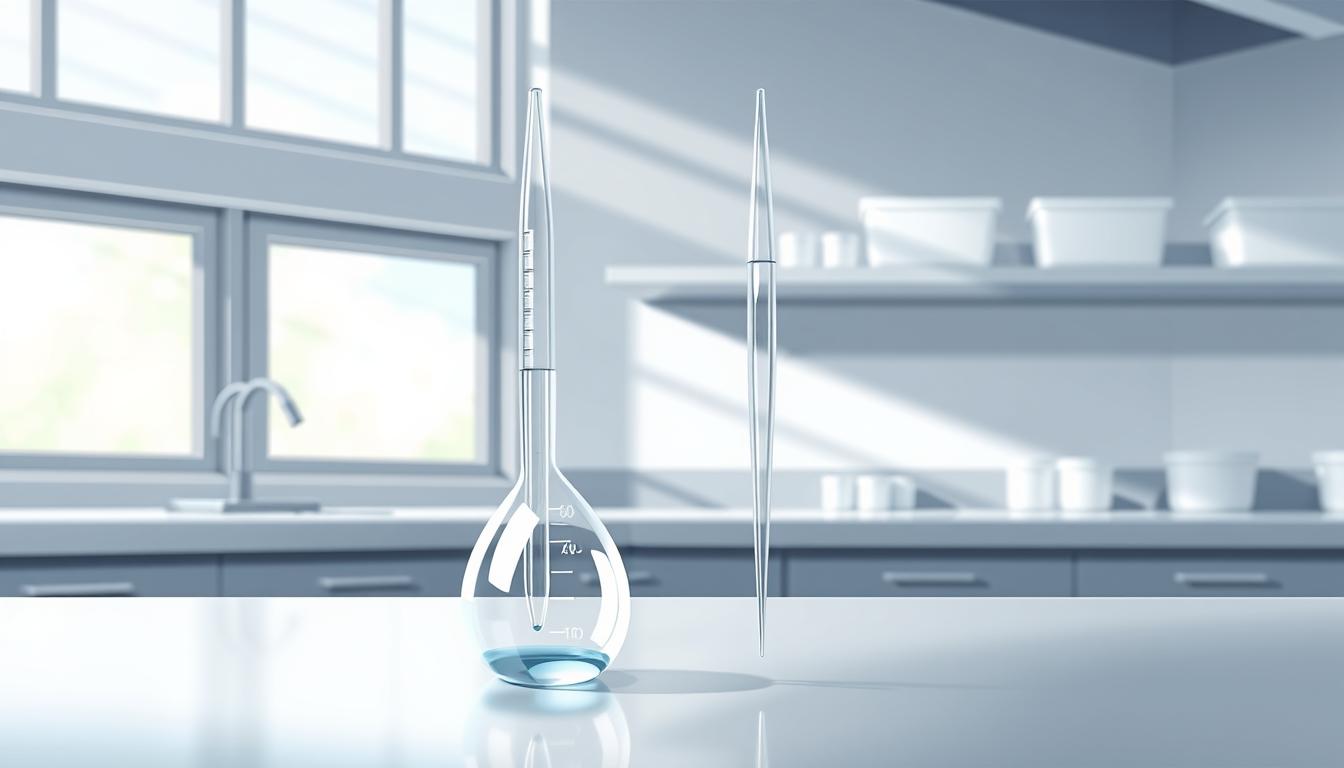
Do you find it hard to tell the difference between serological and transfer pipettes? These tools are key in labs, but picking the right one can be tough. Scientists and researchers need to choose carefully for accurate work.
Pipettes are vital in science labs. They help move and measure liquids with great precision. The right pipette can make a big difference in your research results.
Knowing the details about these tools is important. It helps experts pick the best pipette for their work. We’ll look into the different types of pipettes and what they’re used for.
Key Takeaways
- Serological pipettes offer precise graduated measurements
- Transfer pipettes are ideal for simple liquid transfers
- Accuracy varies between different pipette types
- Material composition impacts pipette performance
- Laboratory requirements determine pipette selection
Understanding Pipettes in Laboratory Settings
Scientific research needs precise liquid handling. Pipettes are key tools in labs. They help researchers measure and move liquids accurately in many fields.
Pipettes are special glassware for measuring and moving liquids. Scientists use various techniques to get accurate results in their work.
Definition of Pipettes
A pipette is a tool for measuring and moving liquids in labs. There are many types, each for different uses:
- Manual single-channel pipettes for precise liquid dispensing
- Multichannel pipettes for handling multiple samples at once
- Electronic pipettes for automated dispensing
Importance of Accurate Liquid Handling
Accurate liquid handling is vital in science. It helps researchers:
- Get the same results every time
- Keep samples clean and free from contamination
- Keep their data reliable
Types of Pipettes Used by Scientists
Scientists use different pipettes for their work. Calibrated serological pipettes can hold from 0.1 mL to 25 mL. Volumetric pipettes can hold 1-100 mL.
The Clinical and Laboratory Standards Institute says to calibrate pipettes every 3-6 months. This keeps their work accurate and reliable.
Overview of Serological Pipettes
Serological pipettes are key tools for precise liquid handling in science. They are essential in labs for many fields. They help researchers move and measure liquids accurately.
These pipettes handle liquids from 0.1 milliliters to 50 milliliters. They come in glass and plastic, each suited for different needs.
Design and Structure
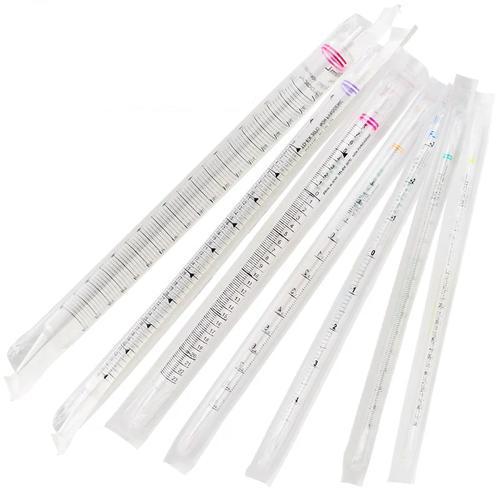
The design of serological pipettes is unique:
- They have graduated markings all the way.
- They have “To Deliver” (TD) calibration specs.
- They are made of glass or polystyrene.
- They measure from 1 mL to 50 mL.
Common Applications
Serological pipettes are used in many labs, especially in:
- Cell culture work.
- Microbiology research.
- Chemical sample prep.
- Cell purification.
Advantages of Using Serological Pipettes
These tools bring many benefits to science:
| Advantage | Description |
|---|---|
| Accuracy | They measure volumes consistently. |
| Versatility | They fit many lab needs. |
| Material Options | They come in glass and plastic. |
| Contamination Reduction | Pre-sterilized options reduce risks. |
*Precision in liquid handling is the cornerstone of reliable scientific research.*
Choosing the right serological pipettes boosts research quality. It improves results in many scientific areas.
Overview of Transfer Pipettes
Transfer pipettes are key tools in labs, used for precise liquid handling. They are vital in scientific research and medical tests.
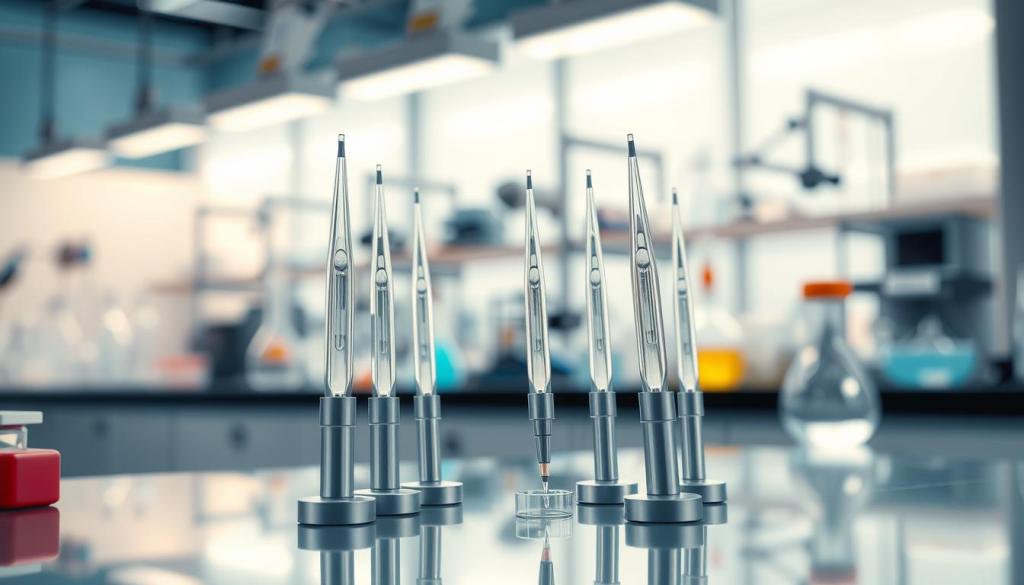
Scientists use transfer pipettes for their ease and speed in moving liquids. They are simpler than many lab tools, making liquid transfer straightforward.
Design and Structure
Transfer pipettes, also known as Pasteur pipettes, have a unique design. They are made from:
- Disposable plastic materials
- Glass for certain uses
- Gradations for measuring volumes
- A slim shape for accurate handling
Common Applications
Researchers use transfer pipettes in many fields, including:
- Preparing microbiology samples
- Working with cell cultures
- Transferring chemical solutions
- Medical diagnostic tests
Advantages of Using Transfer Pipettes
Transfer pipettes offer many benefits in labs:
- Cost-effective disposable options
- Low risk of contamination
- Fast and simple liquid management
- Flexible for different volume needs
Transfer pipettes remain essential for scientists needing reliable volume measurement in labs.
Key Differences Between Serological and Transfer Pipettes
It’s important to know the differences between serological and transfer pipettes. These tools are used in labs for different tasks. Each has its own special features.
Scientists use different pipettes for precise liquid handling. The main differences are in how well they work and their design.
Volume Accuracy Variations
The accuracy of these pipettes varies a lot. Serological pipettes are very accurate, with marks every 0.1 mL. They can be off by just ±1% for volumes from 1 mL to 10 mL.
- Serological pipettes: Precise measurements with graduated scales
- Transfer pipettes: Approximate volume transfers
- Accuracy range for serological pipettes: ±1%
- Accuracy range for transfer pipettes: ±10%
Measurement Calibration Differences
Calibration is another big difference. Serological pipettes have many calibration marks. This lets researchers measure volumes accurately.
| Pipette Type | Calibration Characteristics | Typical Volume Range |
|---|---|---|
| Serological Pipettes | Precise graduated markings | 1 mL to 50 mL |
| Transfer Pipettes | No detailed calibration | Fixed volumes (1 mL or 5 mL) |
Liquid Handling Specialization
Each liquid type needs a special pipette. Serological pipettes are great for many liquids with high precision. Transfer pipettes are better for fast, simple transfers.
Lab workers pick the right pipette based on their needs. This ensures the best way to handle liquids.
Serological Pipettes: Features and Benefits
Scientific glassware is key for precise liquid handling. Serological pipettes are vital in labs. They have special features that scientists find essential.
Material Composition
Serological pipettes are made of two main materials:
- Polystyrene: Lightweight and clear
- Polypropylene: Strong and resistant to chemicals
Most are for one-time use to avoid contamination. Their design lets you see what you’re handling clearly.
Graduated Measurements
Precision is crucial in science. Serological pipettes have precise markings. They help measure from 1 ml to 50 ml accurately.
This accuracy leads to reliable results in experiments.
Sterility and Reusability
Sterility is a big deal in labs. Most pipettes are thrown away after use. But some glass types can be cleaned and used again.
Whether to use once or many times depends on the experiment and risk of contamination.
Accurate liquid handling is the cornerstone of reliable scientific research.
Scientists can pick the right size for their needs. This ensures their work is precise and efficient.
Transfer Pipettes: Features and Benefits
Transfer pipettes are key in labs, making precise liquid handling easier. They help scientists in many fields by streamlining pipetting techniques.
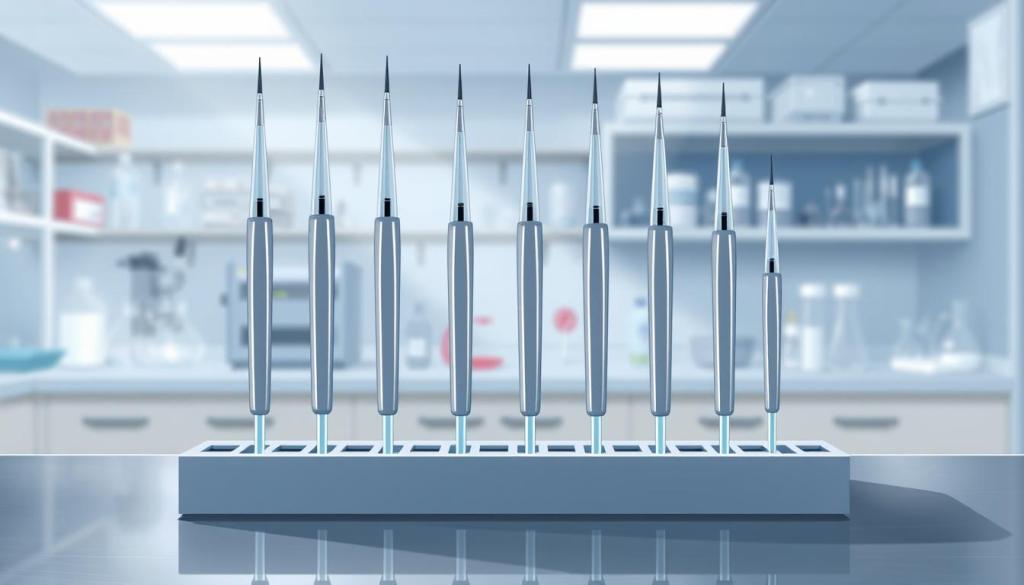
Laboratory experts value transfer pipettes for their special features. These tools are great for many research tasks.
Ease of Use
Transfer pipettes make liquid transfers easy with their simple design. They offer:
- Lightweight construction
- Disposable nature
- Simple manipulation
- Minimal training required
Material Options
Scientists have many material choices for transfer pipettes:
| Material Type | Key Characteristics |
|---|---|
| Plastic | Lightweight, cost-effective, single-use |
| Glass | Chemical-resistant, precise measurements |
Ideal Uses in Laboratories
Transfer pipettes are versatile in many scientific areas. Critical applications include:
- Cell culture procedures
- Microbiology experiments
- PCR setup
- Analytical chemistry
“Transfer pipettes provide researchers with a reliable, efficient liquid handling solution.” – Laboratory Research Journal
Knowing the special features of transfer pipettes helps lab experts improve their work. They get better results.
Considerations for Choosing the Right Pipette
Choosing the right pipette is key for accurate measurements and successful experiments. Scientists need to look at several important factors. This helps them pick the best pipette for their research.
- How much liquid they need for their experiments
- How precise their research needs to be
- The type of liquids they’ll be working with
- How often they’ll use the pipette
- What their budget is
Laboratory Requirements Assessment
Different labs need different pipettes. Precision-critical experiments need pipettes that are very accurate. This is especially true for small volumes of liquid, from 1 μL to 5 mL.
Experimental Considerations
The type of experiment also matters. Researchers should think about:
- How much liquid they need
- The liquid’s thickness
- If the liquid might react with the pipette
- If the pipette needs to be clean
Accessibility and Budget Factors
Cost is also important. While expensive pipettes have cool features, labs have to think about their budget. They need to find a balance between what they can afford and what they need.
| Pipette Type | Volume Range | Typical Cost | Best For |
|---|---|---|---|
| Fixed Volume | 1 μL – 1,000 μL | Low | Routine, repetitive tasks |
| Variable Volume | 0.2 μL – 10 mL | Medium | Flexible research applications |
| Automated Pipettes | 1 μL – 1,200 μL | High | High-throughput research |
By looking at these factors, researchers can pick pipettes that help their lab work better. This ensures accurate measurements and supports their research goals.
Maintenance and Care of Pipettes
Keeping precision instruments like pipettes in good shape is key for accurate research. Labs need to take care of their scientific glassware to keep it working well.
Good pipetting techniques help your lab tools last longer and reduce errors. It’s important for researchers to follow a detailed maintenance plan to keep their equipment in top shape.
Cleaning Procedures
Cleaning regularly stops contamination and keeps pipettes working right. Here are some important steps:
- Use the right cleaning solutions for your pipette’s material
- Wipe the outside with the right disinfectants
- Be careful when cleaning removable parts
- Don’t soak electronic parts in liquids
Regular Calibration
Calibration keeps your measurements accurate and reliable. Scientists should:
- Check calibration every 6-12 months
- Use certified tools for calibration
- Keep records of each calibration
- Replace old parts quickly
*Routine maintenance can extend pipette lifespan by 20-30%*
Storage Recommendations
Storing your tools right keeps them safe from damage and contamination. Here’s how:
- Put pipettes upright in their racks
- Store in clean, controlled environments
- Use covers when not in use
- Avoid big changes in temperature
By following these care tips, labs can keep their equipment in top condition and ensure accurate results.
Conclusion: Selecting the Right Pipette for Your Needs
Knowing the difference between serological and transfer pipettes is key for good liquid handling in labs. Researchers need to think about what they need for their experiments. They should look at how accurate the pipette is, how easy it is to use, and what makes each type special.
Getting precise in science means paying close attention to how you move liquids. Mistakes in pipetting can cut down accuracy by half. That’s why picking the right pipette is so important. Electronic pipettes can help a lot by making the process almost error-free.
Key Considerations for Pipette Selection
The market for serological pipettes is growing fast. It’s expected to go from US$ 188.2 Million in 2021 to US$ 260.2 Million by 2028. This shows how critical precise liquid handling is becoming. Scientists should think about comfort, tip fit, and what they need for their work when choosing pipettes.
The best labs focus on the right tools and techniques. By knowing the differences between pipettes and using the best methods, scientists can get the most accurate results.
FAQ
What is the primary difference between serological and transfer pipettes?
Serological pipettes are for precise volume measurements. They have graduated markings and are calibrated for specific volumes. Transfer pipettes are simpler. They are used for quick, approximate small-volume liquid transfers with less precision.
When should I use a serological pipette versus a transfer pipette?
Use serological pipettes for accurate volume measurements in scientific experiments. This includes cell culture or microbiology work. Choose transfer pipettes for quick, approximate liquid transfers. This is especially true for smaller volumes or when disposability is preferred.
Are serological pipettes reusable?
Serological pipettes can be reusable or disposable. Glass versions can be cleaned and sterilized for multiple uses. Plastic versions are usually for single-use to prevent cross-contamination.
What materials are pipettes typically made from?
Pipettes are often made from polystyrene (plastic) or borosilicate glass. Plastic pipettes are disposable and cost-effective. Glass pipettes are durable and often preferred for specialized lab work.
How do I ensure accuracy when using serological pipettes?
Ensure accuracy by regularly calibrating your serological pipettes. Use them within their specified volume range. Follow proper handling techniques. Always check the pipette’s calibration markings and use proper technique when dispensing liquids.
Can transfer pipettes be used for precise scientific measurements?
No, transfer pipettes are not for precise scientific measurements. They are best for approximate liquid transfers and quick, low-precision applications. Exact volume is not critical in these cases.
What factors should I consider when choosing between serological and transfer pipettes?
Consider the required precision, volume of liquid, type of experiment, budget, and specific lab requirements. Serological pipettes offer more accuracy. Transfer pipettes provide simplicity and ease of use.
How should pipettes be stored to maintain their quality?
Store pipettes vertically in a clean, dry area away from direct sunlight and extreme temperatures. For reusable pipettes, ensure they are completely dry and sterile before storage. This prevents contamination and maintains their integrity.
Are there different sizes of serological and transfer pipettes?
Yes, both serological and transfer pipettes come in various sizes. They range from 1 mL to 50 mL. The size depends on the intended application and the volume of liquid being handled.
What is the typical calibration method for serological pipettes?
Serological pipettes are typically calibrated using “To Deliver” (TD) or “Ex” calibration methods. This ensures accurate volume delivery. The calibration markings indicate precise measurement points for consistent and reliable liquid handling.




Leave a Comment
Your email address will not be published. Required fields are marked *