



What if the key to unlocking groundbreaking medical research lies within a single blood sample? Leukopak PBMC isolation is a key technique. It’s changing how we do immunological research and cell therapy.
Leukopak cell processing lets researchers get high-quality PBMCs from blood. They use a special method called leukapheresis. This method pulls out lymphocytes from blood, giving scientists a lot of immune cells to study.
Scientists use special techniques to get a lot of cells that are very pure. The leukopak PBMC isolation process lets them collect more cells than old methods. This opens up new ways for medical research.
Key Takeaways
- Leukopak PBMC isolation provides superior cell collection compared to traditional methods
- Leukapheresis enables precise extraction of lymphocytes from peripheral blood
- High-quality PBMC samples support advanced immunological research
- Specialized processing techniques maximize cell viability and recovery
- Leukopak cell processing supports breakthrough medical studies
Understanding Leukopak and Its Importance
Leukopaks are key in biomedical research, giving scientists a rich source of PBMCs for detailed studies. They help in pbmc purification with better efficiency and accuracy.
What is a Leukopak?
A leukopak is made from donor blood through leukapheresis, focusing on white blood cells. It has much higher cell counts than regular blood samples. Studies reveal it can give 20 times more PBMCs than whole blood.
Applications of Leukopak in Research
- Immunology studies
- Drug development research
- Cell therapy investigations
- Stem cell research
Advantages of Using Leukopak
Leukopaks bring big benefits to research, especially in density gradient centrifugation. The main advantages are:
- Higher cell yields
- Reduced processing time
- Minimized donor variability
- Enhanced cell preservation
With 6 to 10 billion cells in each sample, and about 50% T cells, researchers can do more thorough and trustworthy studies.
Overview of PBMCs
Peripheral Blood Mononuclear Cells (PBMCs) are key to our immune system. They help fight off infections and diseases. These cells are vital for studying the immune system and for medical research.
Defining Peripheral Blood Mononuclear Cells
PBMCs are a type of white blood cell with a single, round nucleus. Lymphocyte separation shows they make up about 60% of white blood cells in healthy adults. The main types are:
- T cells (60% of PBMCs)
- Monocytes/macrophages (15%)
- Natural killer cells (15%)
- B cells (10%)
Role of PBMCs in Immunology
These cells are vital for our immune system. They move through our blood to find and fight threats. Mononuclear cell isolation helps scientists learn how they protect us.
| PBMC Type | Percentage | Estimated Cells per mL |
|---|---|---|
| T Helper Cells | 70% of T Cells | 210-840 cells |
| Cytotoxic T Cells | 30% of T Cells | 90-360 cells |
| B Cells | 10% | 50-200 cells |
Importance of PBMC Isolation
Getting PBMCs is key for research, like finding new medicines and vaccines. A good PBMC sample has over 90% of cells alive. This makes it very useful for science.
PBMCs give us a peek into how our immune system works. They help scientists find new ways to prevent and treat diseases.
Step-by-Step Process of Leukopak PBMC Isolation
Getting peripheral blood mononuclear cells (PBMCs) from leukopaks needs careful steps. Researchers must follow a detailed plan to get high-quality cells for scientific studies.
Initial Preparation and Equipment Needed
To start isolating PBMCs, you need to gather certain lab tools and materials. Important items include:
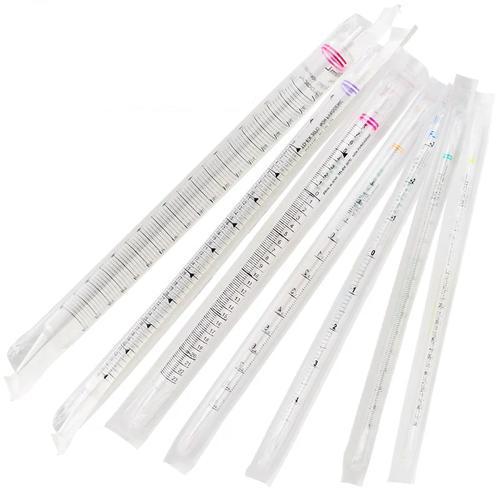
- Sterile pipettes
- Centrifuge
- Ficoll-Paque density gradient solution
- Phosphate-buffered saline (PBS)
- Cell culture media
- Personal protective equipment
Centrifugation Techniques for Isolation
The Ficoll-Paque density gradient method is the best way to separate blood components. It works by using different densities to separate cells.
| Cell Type | Percentage in Leukopak |
|---|---|
| T Cells | 50% |
| Monocytes | 20% |
| B Cells | 20% |
| NK Cells | 20% |
Washing and Resuspending PBMCs
After centrifugation, researchers collect the buffy coat layer with PBMCs. They need to wash the cells several times. This removes leftover density gradient media and ensures the cells are pure.
Resuspending means mixing the cells gently in a culture medium. Gentle handling is key to keep cells alive and avoid damage during the process.
Quality Control in PBMC Isolation
Ensuring the highest standards in white blood cell isolation is key for reliable research. Quality control in leukocyte purification uses many rigorous techniques. These techniques ensure the integrity and functionality of isolated peripheral blood mononuclear cells (PBMCs).
Assessing Cell Viability
Cell viability is a crucial parameter in PBMC quality control. Research standards demand that freshly isolated PBMC viability be over 95%. There are two main methods for checking cell viability:
- Trypan blue exclusion technique
- Flow cytometry analysis
- Automated cell counting systems
Analyzing Cell Morphology
Detailed morphological examination confirms the authenticity of isolated PBMCs. Microscopic evaluation helps identify:
- Cell size and shape consistency
- Membrane integrity
- Nuclear characteristics
Confirming PBMC Purity
Immunophenotyping is key to validating white blood cell isolation purity. Advanced techniques allow for precise characterization of cell populations through specific marker identification.
| Quality Parameter | Acceptable Range | Assessment Method |
|---|---|---|
| Cell Viability | >95% | Trypan Blue Exclusion |
| Morphological Integrity | Uniform Population | Microscopic Analysis |
| Immunophenotyping | Specific Marker Identification | Flow Cytometry |
Meticulous quality control ensures researchers can confidently use isolated PBMCs. This maintains the highest standards of scientific investigation.
Factors Influencing PBMC Isolation Success
Getting PBMCs right is all about paying attention to many important details. Researchers face challenges that affect how well cells survive and the quality of their research. Knowing these key points can really help improve the process of getting PBMCs.
Sample Quality and Handling
The success of PBMC isolation starts with the quality of the sample. Different leukopaks can greatly change the results of research. Important things to think about include:
- Donor characteristics impact cellular composition
- Age of donor influences cell functionality
- Health status of donor affects PBMC quality
Temperature and Storage Conditions
Keeping the right temperature is key during PBMC isolation. Researchers need to keep the conditions just right to keep cells healthy and prevent damage.
| Storage Parameter | Recommended Condition |
|---|---|
| Initial Storage Temperature | 4°C |
| Processing Timeframe | Within 24 hours |
| Long-term Storage | Liquid nitrogen (-196°C) |
Time Sensitivity in Processing
Time is very important in PBMC purification. Rapid processing is key to keeping cells alive and avoiding contamination. Studies show that keeping cells for too long can harm their function and the quality of research.

There are big differences in leukopak quality, as seen in over 500 clinical trials on cellular therapies. It’s crucial to have precise methods for isolating PBMCs. The best leukopak should have more than 90% PBMCs and a hematocrit of ≤3%.
Common Challenges in PBMC Isolation
Researchers working with peripheral blood mononuclear cells (PBMCs) face many technical hurdles. It’s key to know these challenges to keep cell samples top-notch and research results trustworthy.
Scientific studies often struggle with separating lymphocytes and using density gradient centrifugation. These challenges pop up at different stages of PBMC isolation.
Contamination Management
Dealing with cellular contamination is a big problem in PBMC research. Red blood cells and platelets can mess up results. It’s vital to use strong purification methods to get rid of these unwanted cells.
- Implement strict washing protocols
- Use advanced density gradient centrifugation methods
- Employ precise separation techniques
Cell Loss Mitigation
To reduce cell loss, pay close attention to the details. Experts suggest tweaking centrifugation settings and creating standard washing steps.
“Precision in isolation techniques directly correlates with successful cellular research outcomes.”
Cell Yield Variability
Cell yield variability is a big challenge. About 60% of this issue comes from technician experience. Standardizing methods and keeping procedures consistent can help fix this problem.
- Establish consistent processing timelines
- Maintain optimal temperature conditions
- Train personnel in precise isolation techniques
Knowing these challenges helps researchers create better PBMC isolation methods. This improves the quality and reliability of scientific studies.
Best Practices for Efficient Isolation
Getting mononuclear cells right needs precision and careful following of scientific steps. Researchers must use smart strategies to get top-quality peripheral blood mononuclear cells (PBMCs) from leukopaks.
To get the best results in PBMC isolation, you need to know all the important details and how to do things right.
Optimizing Centrifugation Parameters
The Ficoll-Paque density gradient method is key for separating cells well. Important things to think about include:
- Spinning at 200 to 400 x g for 10 minutes
- Keeping the temperature between 15 to 30 °C
- Having the same rotor speed and time every time
Using Proper Reagents and Media
The right reagents make a big difference in cell isolation quality. Researchers should pay attention to:
- Using top-quality density gradient media
- Choosing sterile phosphate-buffered saline
- Using tested cell preservation solutions
Following Standard Operating Procedures
Having set protocols is key for getting the same results every time. Important steps include:
- Using the same methods for handling samples
- Following the exact timing for each step
- Keeping everything very clean and sterile
By following these best practices, researchers can get superior mononuclear cell isolation. They will get cells that are very alive and pure.
Applications of Isolated PBMCs in Research
Peripheral Blood Mononuclear Cells (PBMCs) are key in biomedical research. They help scientists in many fields. The leukopak cell processing method lets researchers use these cells for important studies.
Drug Development and Testing
PBMCs are vital in drug research. They help check how well drugs work and if they are safe. Scientists use buffy coat separation to:
- See how the immune system reacts to new drugs
- Look for bad reactions to drugs
- Study how cells work with drugs
Vaccine Research and Development
Vaccine research needs to understand how the immune system works. PBMCs are a valuable cellular model for studying:
- How the immune system sees new antigens
- If vaccines work well
- How cells fight off infections
Personalized Medicine Studies
PBMCs are key in personalized medicine. With most cells being lymphocytes, researchers can:
- Make targeted treatments
- Design treatments just for each person
- Learn about how each person’s immune system works
“PBMCs provide a more representative cellular platform compared to traditional mouse models or human cell lines, enabling more direct clinical translation.”
Advanced leukopak cell processing opens up new ways to understand biology and create new treatments.
Regulatory Considerations in PBMC Research
Research on white blood cells and leukocytes needs strict following of rules. Scientists must deal with many ethical and legal issues. This ensures the quality of their work.
Understanding Ethical Guidelines
Being ethical is key in PBMC research. Important ethical rules include:
- Getting consent from donors
- Keeping donors’ privacy
- Being clear about research plans
- Keeping donors’ identities secret
Compliance with Industry Standards
Leukocyte purification must meet industry standards. Researchers should stick to:
- Standard ways of handling samples
- Proven methods for isolation
- Good quality control steps
- Consistent results
Documentation and Record-Keeping
Keeping detailed records is vital in white blood cell research. Good record-keeping means:
- Tracking sample collection
- Keeping accurate logs
- Using strong data systems
- Keeping records for a long time
Following rules helps keep research top-notch and ethical.
Future Trends in PBMC Isolation Techniques
The world of leukopak PBMC isolation is changing fast. New technologies are being developed. These advancements are making it easier to work with cells.
New ways to purify PBMCs are changing biomedical research. These methods use the latest technology. They promise to change how we collect and process blood cells.
Advancements in Isolation Methods
New methods for isolating leukopak PBMCs are getting better. They are more precise and efficient. Some of these advancements include:
- Microfluidic devices for targeted cell separation
- Novel density gradient materials
- Enhanced sorting techniques with higher cell viability
Integration of Automation in Isolation
Automation is making PBMC isolation faster and more accurate. Technologies like robots and artificial intelligence are helping. They make the process more consistent and reduce mistakes.
- Standardized isolation procedures
- Reduced human error
- Increased processing speed
Potential for Enhanced Cell Manipulation
Scientists are exploring new ways to work with PBMCs. They are looking into:
- In vitro cell expansion
- Genetic modification strategies
- Advanced reprogramming methods
These new trends are exciting for the future of PBMC isolation. They could lead to big advances in personalized medicine and regenerative research.
Conclusion: Significance of Efficient Leukopak PBMC Isolation
The world of biomedical research is changing fast, thanks to new ways of separating lymphocytes. Leukopaks are a big step forward, giving scientists a valuable tool for getting top-notch PBMCs. With special methods, they can get much more cells from one donor than old blood collection methods.
Studies show Leukopaks are very promising. They have about 55% T cells and can give up to 14 times more PBMCs than old methods. This means scientists can do bigger studies, work on new vaccines, and find personalized treatments.
Advancing Scientific Understanding
Leukopaks are key in today’s science because they keep cells alive and healthy. Scientists can quickly get a lot of immune cells. This helps them do better research in fields like immunology, oncology, and regenerative medicine.
Future Research Horizons
As biotechnology gets better, Leukopak methods will be even more important. They help scientists find new ways to help people. This could lead to big changes in how we understand and prevent diseases.
FAQ
What is a leukopak and how is it different from whole blood samples?
A leukopak is a concentrated mix of white blood cells. It’s made through leukapheresis. Unlike whole blood samples, leukopaks have more cells, less red blood cell contamination, and are great for big immunology studies.
What are Peripheral Blood Mononuclear Cells (PBMCs)?
Peripheral Blood Mononuclear Cells (PBMCs) are key to our immune system. They include lymphocytes, monocytes, and dendritic cells. These cells are vital for fighting off infections and are used in many research areas.
How are PBMCs isolated from a leukopak?
Isolating PBMCs from a leukopak involves density gradient centrifugation. The leukopak is layered over a medium like Ficoll-Paque. This separates the mononuclear cells from other blood parts, giving a pure PBMC fraction.
What are the key quality control measures for PBMC isolation?
Quality control for PBMC isolation includes several steps. These are cell viability checks, cell morphology analysis, and purity confirmation through immunophenotyping. These steps ensure research results are reliable and consistent.
What challenges might researchers encounter during PBMC isolation?
Researchers might face issues like red blood cell and platelet contamination, cell loss, and varying cell yields. To overcome these, they can improve centrifugation, use the right washing methods, and stick to standard procedures.
What are the primary applications of isolated PBMCs?
Isolated PBMCs are vital in drug development, vaccine research, and personalized medicine. They help understand immune responses and find new treatments for diseases.
What regulatory considerations are important when working with PBMCs?
Working with PBMCs requires following ethical guidelines, getting donor consent, and protecting privacy. Researchers must also follow good laboratory practices and document everything. These steps are crucial for ethical and legal research use.
What are the emerging trends in PBMC isolation techniques?
New trends include microfluidic devices, better density gradient materials, automation, and cell manipulation. These advancements aim to improve isolation quality, purity, and open up new research and therapy areas.
How can researchers optimize their PBMC isolation process?
To optimize PBMC isolation, researchers should control centrifugation, use the right reagents, and follow standard procedures. They should also keep temperatures right, manage processing times, and check quality rigorously for top-notch results.
Why are leukopaks preferred over traditional blood collection methods?
Leukopaks are better because they have more cells, take less time, and have less donor variation. They are a concentrated source of white blood cells, making them great for large-scale research and cell therapy.





Leave a Comment
Your email address will not be published. Required fields are marked *