



Are you unknowingly ruining your research with simple pipetting mistakes? Mastering liquid handling is key for scientific accuracy. Even a small error can change your results a lot.
Pipetting is a basic skill that makes scientific research accurate. It’s like a chef measuring ingredients with care. Every drop counts.
Experts know that using a pipette right is more than just technique. It’s about knowing your equipment, keeping practices consistent, and using smart liquid handling methods. This helps avoid mistakes.
Errors in pipetting can cut accuracy by up to 50% if tips aren’t seated right. This shows how important it is to have great pipetting skills in labs.
Key Takeaways
- Precision in pipetting directly impacts research reliability
- Proper technique can reduce measurement errors significantly
- Regular equipment maintenance ensures consistent performance
- Ergonomic considerations enhance pipetting accuracy
- Continuous training improves overall laboratory efficiency
Understanding the Importance of Accurate Pipetting
Precision pipetting is key in scientific research, especially in biological labs. Getting the volume right is crucial. It can change the whole outcome of an experiment.
Lab workers know that small mistakes in pipetting can ruin research. Wrong measurements can cause big problems in science.
The Role of Pipettes in Laboratory Settings
Pipettes are essential for handling liquids accurately in science. They help in:
- Transferring exact amounts of liquid
- Making sure experiments are the same every time
- Helping with important research steps
Impacts of Inaccurate Measurements on Research
Bad pipetting can lead to big issues in research. Studies show that:
- Small mistakes can cause big errors
- Experiments may not be reliable
- It can cost more money to do tests again
Key Applications in the Biological Industry
| Application | Precision Requirements |
|---|---|
| DNA Sequencing | Ultra-high accuracy needed |
| PCR Techniques | Consistent volume critical |
| Cell Culture | Precise liquid handling essential |
Precision pipetting is vital in biological research. It ensures scientific validity and success in many fields.
Choosing the Right Type of Pipette
Choosing the right pipette is key for good lab work. Different types and accessories can affect how well and fast you work. Scientists need to think about their specific needs when picking a pipette.
- How much liquid they need
- How precise they need to be
- How often they’ll use it
- How comfortable it is to hold
Manual vs. Electronic Pipettes
Manual pipettes are still common in labs. They’re easy to control and don’t cost much. Electronic pipettes are more precise and help avoid hand strain.
Fixed Volume vs. Adjustable Volume Pipettes
Labs can pick between fixed and adjustable pipettes. Fixed volume ones give exact amounts, from 1 μL to 5 mL. Adjustable ones, like PIPETMAN L, can go from 0.2 μL to 10 mL.
Selecting the Appropriate Pipette Size for Experiments
It’s important to match pipette size to your experiment. Think about:
- The usual volumes in your work
- How precise you need to be
- The type of liquid
- Risks of contamination
Precision in pipetting can make or break experimental results.
Using the right accessories, like filter tips, can improve accuracy and prevent contamination. It’s best to use tips made by the same company as your pipette.
Mastering Pipetting Techniques for Efficiency
Precision pipetting is key in biological research. It needs careful technique and practice. Lab pros must have a systematic way to get accurate results.
Good pipetting skills rely on several important factors. Researchers must master these to succeed:
- Proper plunger control and pressure
- Correct tip immersion depth
- Consistent dispensing angle
- Understanding liquid behavior
Steps for Proper Pipetting Technique
For air-displacement pipettes, follow these steps:
- Set the desired volume carefully
- Depress the plunger smoothly
- Immerse the tip to the correct depth
- Release the plunger gently
- Pause briefly before dispensing
- Touch the pipette tip against the vessel wall
- Dispense liquid with consistent speed
Avoiding Common Pipetting Mistakes
Researchers face challenges that can affect pipetting accuracy. Common mistakes include inconsistent plunger pressure, incorrect tip positioning, and improper dispensing angles. With practice and focus, these errors can be reduced.
The Importance of Consistent Speed and Angle
Keeping a steady speed and angle is vital for reliable results. Factors like temperature and altitude can change liquid volume. So, consistent technique is even more important.
Precision is not an accident, but a result of careful practice and attention to detail.
Tips for Effective Pipette Calibration
Precision pipetting is key in labs, and calibrating pipettes is essential for accurate research. It’s important for scientists to know how to keep their pipettes in top shape. This ensures their experiments are reliable.
Calibration is more than just a routine task. It’s vital for keeping scientific measurements trustworthy. Pipettes are considered calibrated within the normal range if they’re accurate between 99% and 101%.
How to Calibrate a Pipette
The calibration process has several important steps:
- Let pipettes adjust to the environment for at least one hour
- Use distilled water at 20°C (density of 1 g/mL)
- Do a minimum of ten volume trials
- Use the accuracy formula: A = 100 x Vavg/V0
When to Perform Calibration
Regular calibration is crucial for keeping pipetting precise. Here’s a suggested schedule:
- Daily-use pipettes: Every three months
- Less frequent pipettes: Annually
- After big environmental changes
- Before important experiments
Signs Indicating Calibration is Needed
Look out for these signs that your pipette needs a check-up:
- Inconsistent volume delivery
- Visible physical wear
- Variations over ±1% accuracy
- Changes in plunger tension
By focusing on pipette calibration, scientists can greatly improve their research’s reliability and reproducibility.
Maintaining Your Pipettes for Longevity
Keeping pipettes in good shape is key for accurate results in lab work. Scientists rely on these tools to get the same results over and over. So, taking care of pipettes is a must.
By following a set routine for pipette care, you can make these tools last longer. Regular upkeep stops them from getting worse and cuts down on mistakes in experiments.
Daily and Weekly Maintenance Fundamentals
There are a few important steps to keep pipettes in top condition:
- Clean the outside after each use
- Look for any damage or wear
- Make sure the piston moves smoothly
- Check that the tip fits well
Cleaning Techniques for Precision
Each type of pipette needs its own cleaning method. Chemical-resistant pipettes are best for harsh chemicals to avoid damage. For biological samples, autoclaving the shaft keeps it clean.
Strategic Storage Solutions
Storing pipettes and accessories right is also vital. Labs should:
- Put pipettes upright in special racks
- Keep a steady temperature and humidity
- Set pipettes to the lowest volume when idle
- Shield them from dust and knocks
Remember to calibrate pipettes every year. Use gravimetric methods to check their accuracy. Also, replace O-rings every 6-12 months, especially if they’re used a lot.
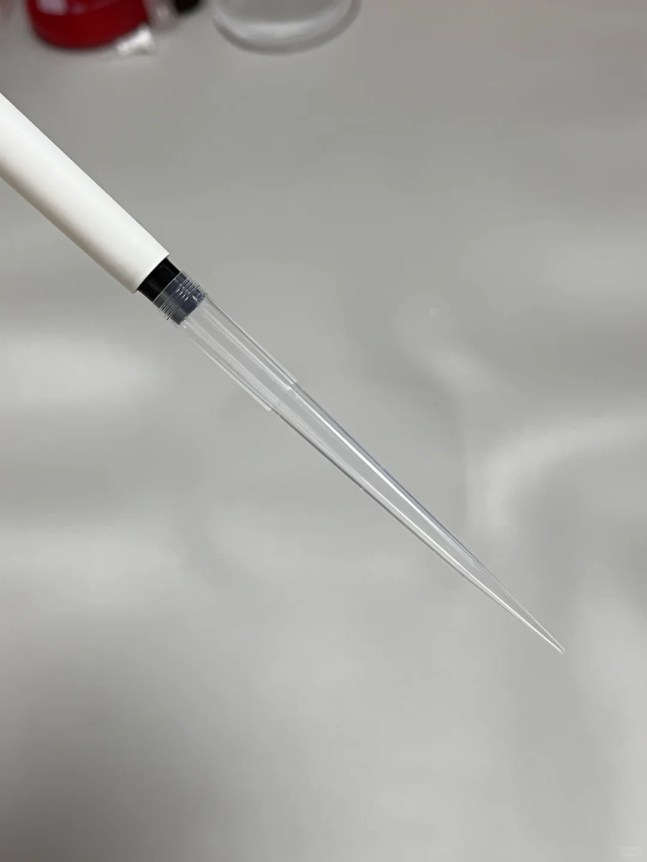
Understanding Pipette Tips and Their Importance
Pipette tips are key in lab work, helping with accuracy and reliability. They prevent contamination and ensure precise sample transfer. This is vital in many scientific fields.
Researchers need to pick the right pipette tips for their work. This keeps their science safe and sound.
Types of Pipette Tips Available
- Standard Tips: Most common, suitable for general laboratory applications
- Low Retention Tips: Minimize sample loss with hydrophobic surfaces
- Filter Tips: Prevent aerosol and cross-contamination
- Sterile Tips: Pre-sterilized for sensitive molecular biology work
- Extended Length Tips: Reach narrow or deep vessels
Selecting the Right Tip for Different Applications
Choosing the right pipette tips is key for precise liquid handling. Each research task needs its own special tip to keep the work right.
| Tip Type | Recommended Application | Key Benefit |
|---|---|---|
| Barrier Tips | PCR and qPCR | Prevent sample carryover |
| Low Retention Tips | Viscous or expensive reagents | Maximum sample recovery |
| Wide Orifice Tips | Fragile samples | Minimize shear forces |
Avoiding Contamination During Pipetting
Contamination can ruin a whole research project. To keep samples clean, follow these tips:
- Always use fresh tips between samples
- Handle tips with care to prevent external contamination
- Store tips in sealed containers
- Use sterile techniques when necessary
Good pipette accessories and handling practices can greatly improve research. They help reduce mistakes and boost results.
Best Practices for Disposing of Pipette Tips
It’s very important to dispose of pipette tips correctly. This keeps labs safe and helps the environment. People working with liquids need to follow strict rules for waste management.
Safe Disposal Procedures for Contaminated Tips
When getting rid of contaminated pipette tips, there are important steps to take. These include:
- Keep plastic pipettes separate from other lab waste to avoid spills
- Use special containers for different types of waste
- Make sure trash bags are strong and fit well
- Put pipettes in the same direction in the containers
Eco-Friendly Disposal Options
Labs can also help the planet by using better ways to throw away waste. Sustainable practices for handling liquid waste include:
- Using systems that refill instead of throwing away tips, saving up to 85%
- Choosing recyclable materials like PET instead of usual ones
- Looking into compostable tips as an option
Regulatory Compliance in the Disposal Process
Following the rules is key when getting rid of pipette tips. Labs must:
- Get in touch with the Biosafety Officer for waste management rules
- Keep detailed logs of treatment
- Make sure containers aren’t more than 75% full
- Use strong, leak-proof containers for dangerous stuff
By following these steps, labs can handle pipette tip disposal well. This keeps people and the planet safe.
Training Staff on Pipette Best Practices
Effective pipetting techniques are key for precise and reliable biological research. Laboratory professionals need to master these skills for accurate results. Training is essential to equip staff with the right knowledge and precision pipetting skills.
Importance of Training and Skill Development
Studies show that 70% of lab errors come from bad pipetting. Good training can cut down these mistakes and improve research quality. Key skills include:
- Understanding ergonomic pipette usage
- Mastering proper handling techniques
- Recognizing potential sources of experimental variation
- Learning about equipment maintenance
Resources for Effective Training Programs
Many resources help with pipetting technique education. Online tools and training platforms offer interactive learning. Some great resources include:
- Manufacturer-provided workshops
- Digital simulation courses
- Hands-on laboratory training sessions
- Peer mentorship programs
Continuous Learning and Improvement in Techniques
The field of laboratory research is always changing. Professionals must keep learning to stay up-to-date with new pipetting techniques. Continuous learning ensures researchers maintain high standards of experimental precision and adapt to technological advancements.
Investing in thorough pipetting training can dramatically enhance the quality and reliability of biological research outcomes.
By focusing on comprehensive training and skill development, labs can reduce errors and costs. This leads to more significant scientific discoveries.
Troubleshooting Common Pipetting Issues
Precision in pipetting is key for accurate research. Scientists often face errors that affect their results. Knowing these issues helps them find ways to improve their work.
Fixing pipetting mistakes needs careful attention. Systematic errors show up as consistent volume differences. Using an average of 10 measurements can spot these issues. Good pipette handling and quality tips are also crucial.
To fix volume delivery problems, focus on a few key techniques. Keep the pipette straight, press the plunger gently, and wet the tips first. Also, being comfortable while working helps avoid mistakes.
Training staff in advanced pipetting is the best way to solve problems. By focusing on quality control and the right tip use, teams can get better at their work.
FAQ
Why is accurate pipetting so important in biological research?
Accurate pipetting is key because it affects the trustworthiness of scientific studies. It ensures that results are consistent and reliable. This is vital for maintaining the quality of research in areas like DNA sequencing and cell culture.
Even small mistakes in pipetting can cause big problems. These errors can ruin research findings and waste time and resources.
How do I choose the right pipette for my laboratory work?
Choosing the right pipette involves several factors. Think about the volume range of your experiments and the type of liquid you work with. Also, consider how precise you need to be.
Manual or electronic pipettes, fixed or adjustable volumes, and the right capacity are important. Match the pipette to your experimental needs. Consider the liquid’s viscosity and your workflow when making your choice.
What are the most common pipetting mistakes to avoid?
Common mistakes include uneven plunger pressure and wrong tip depth. Also, using the wrong dispensing angle and speed can cause issues. To avoid these, practice consistent technique and proper tip attachment.
Develop muscle memory and focus on hand positioning. This will improve your pipetting skills and make results more reliable.
How often should I calibrate my pipettes?
Calibration frequency depends on how often you use your pipettes. Labs should calibrate them annually or every six months for frequent use. Signs that it’s time to calibrate include inconsistent volume delivery and visible wear.
Calibration is crucial for accurate measurements and reliable experiments. Regular checks are essential.
What maintenance is required to keep pipettes in optimal condition?
Daily and weekly cleaning, proper storage, and regular checks are needed. Clean pipettes after each use and store them in a clean, dry place. Check for wear and tear and lubricate parts as needed.
Addressing minor issues quickly helps prevent bigger problems. This keeps your pipettes working well.
How do I prevent contamination when using pipette tips?
To prevent contamination, choose the right tips and handle them carefully. Use sterile tips for your needs and change them between samples. Avoid touching the tip’s sterile end.
Use filtered tips for sensitive experiments. Always follow proper technique when attaching and ejecting tips. Be extra careful with biological samples or in sterile environments.
What are the best practices for pipette tip disposal?
Proper disposal involves following safety and regulatory guidelines. Use different containers for different types of tips. Follow your lab’s waste management rules.
Use biohazard containers for contaminated tips. Ensure proper labeling and documentation as required by local and institutional regulations.
How can I improve my pipetting skills?
Improving pipetting skills takes practice and training. Attend workshops and manufacturer training programs. Seek advice from experienced researchers.
Focus on consistent technique and proper ergonomics. Use online tutorials and hands-on training to stay updated on best practices.
What should I do if I encounter pipetting issues like air leakage?
If you have air leakage or other problems, first find the source. Check for worn seals, damaged pistons, or tips that don’t fit right. Consult the manufacturer’s guide and consider professional service if needed.
Regular maintenance and quick action to problems can prevent bigger issues. This keeps your pipettes working well.
Are electronic pipettes better than manual pipettes?
It depends on your research needs. Electronic pipettes offer consistent dispensing and less strain. They also have advanced features like volume tracking.
Manual pipettes are often cheaper and good for simpler tasks. The best choice depends on your budget, workflow, and experiment requirements.




Leave a Comment
Your email address will not be published. Required fields are marked *