



Is your lab’s work being held back by uneven liquid handling and contamination risks? A high-quality filter tip pipette could be the game-changer your research needs.
In scientific research, the tools you use matter a lot. Filter tip pipettes are a big step forward in handling liquids. They offer unmatched accuracy and help prevent contamination.
These tools come in various sizes, from 0.1-10μL to 1-1250μL. They meet the needs of many labs in the U.S. They help ensure reliable and consistent scientific results.
For 80% of lab work, precise liquid handling is key. Filter tip pipettes are crucial for this. They cut contamination risks by up to 90%, making them vital in delicate experiments.
Key Takeaways
- Filter tip pipettes provide superior precision in liquid handling
- Available in multiple volume ranges to suit diverse research needs
- Reduces contamination risks by up to 90%
- Essential for 80% of laboratory precision applications
- Supports reproducibility in scientific experiments
Introduction to Filter Tip Pipettes
Laboratory research needs precise and clean liquid handling. Filter tip pipettes are key for keeping samples safe in many fields. They act as a shield against contamination, protecting both the researcher and the sample.
Filter tip pipettes solve big problems in science. They use smart design to keep samples safe and accurate during transfers.
Definition and Core Purpose
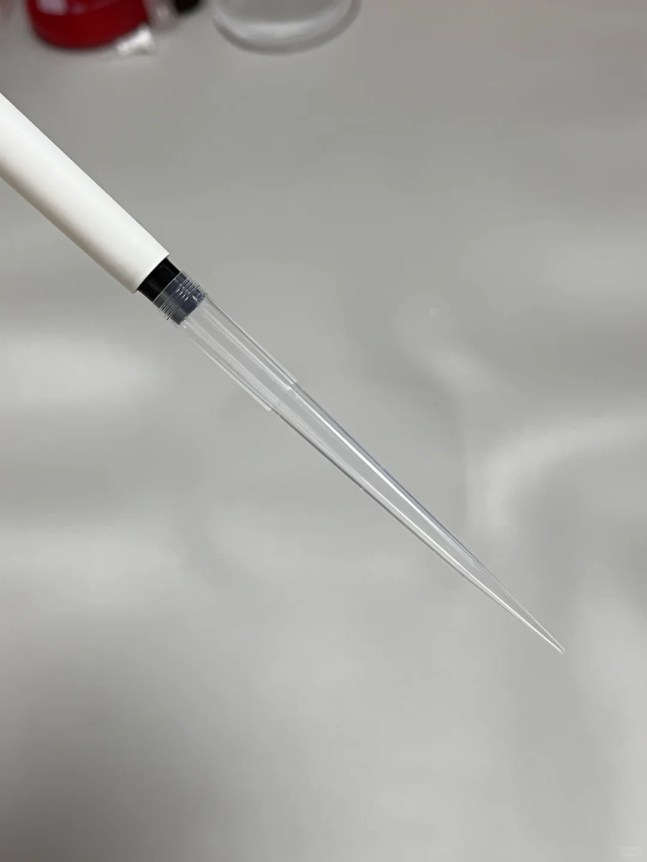
A filter tip pipette stops cross-contamination in liquid handling. It has:
- An integrated hydrophobic filter in the tip
- Ability to block aerosols and microscopic particles
- Enhanced contamination prevention mechanism
- Preservation of sample integrity during experiments
Importance in Research Settings
Labs use filter tip pipettes for precise work. They are vital in places where contamination is a big risk, like:
- Molecular biology research
- Genetic sequencing
- Clinical diagnostic procedures
- Cell culture investigations
These pipettes create a strong barrier against contamination. This lets researchers move liquids safely, knowing their samples stay clean.
Key Features of Filter Tip Pipettes
Filter tip pipettes are a big step forward in lab tools. They help scientists handle liquids with great care and precision. This is key for keeping samples safe and stopping contamination.
Sterility and Contamination Prevention
Filter tip pipettes are great at keeping labs clean. They have special barriers that stop liquids and aerosols from getting into the pipette. This includes:
- Pre-sterilized tip construction
- DNase/RNase-free materials
- Hydrophobic barrier technology
Using these scientific consumables can cut down contamination risks by up to 99%. Scientists say their work gets much more reliable.
Precision and Accuracy in Liquid Handling
Getting the right amount of liquid is very important in science. Filter tip pipettes help a lot with this by:
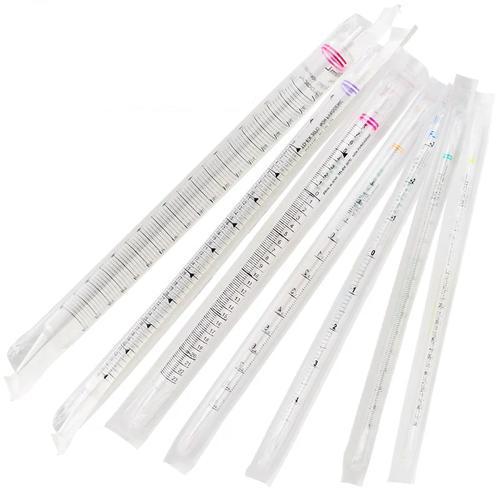
- Having graduated markings for exact volume
- Using low-retention tip materials
- Fitting with many different pipette models
These pipettes can make liquid handling 15% more precise than regular tips. Their design works well in many lab settings, from biology to clinical research.
Types of Filter Tips Available
Laboratory consumables like filter tips are key in scientific research. They help in keeping samples safe and precise. Different types of pipette tips are used for various experiments.
There are many types of disposable plastics for research. Each is made to solve specific lab problems. Choosing the right filter tips is crucial for good results.
Standard Filter Tips
Standard filter tips are the most used in labs. They protect against contamination and work well consistently.
- Non-barrier tips for everyday lab work
- Fit with many pipette brands
- Available in different sizes:
- Micro tips: 0.5 µL to 1,250 µL
- Macro tips: 5 ml to 10 ml
- Ultra-Micro tips: 0.5 µL to 20 µL
Specialty Filter Tips
Specialty filter tips have extra features for certain research tasks. They are made for complex needs with high precision.
- Aerosol Barrier Tips: Keep PCR clean
- Low-retention tips for delicate molecular work
- Wide orifice tips to reduce cell damage
- Extended length tips for better contamination control
Picking the right filter tip is key for handling samples well. It’s important for the success of scientific experiments.
Advantages of Using Filter Tip Pipettes
Laboratory experts see filter tip pipettes as key for top-notch research. These tools bring big benefits for keeping samples pure and experiments precise.
Filter tip pipettes are great at stopping contamination. They help keep samples and research safe. Their design tackles big challenges in handling liquids in labs.
Enhanced Sample Protection
Filter tips make pipetting more reliable. They have special features for protecting samples:
- Pre-sterilized design prevents outside contamination
- Integrated filters block aerosols and liquid splash-back
- DNase/RNase-free construction keeps sensitive experiments safe
- Prevents accidental liquid transfer between samples
“Filter tips represent a critical innovation in maintaining experimental accuracy and reproducibility.” – Laboratory Research Journal
Reduced Carryover Contamination
Filter tip pipettes have a special barrier to cut down on contamination. They stop liquid from moving into the pipette shaft. This helps keep consistent experimental conditions for all samples.
These tools are vital for many fields, like forensics and clinical diagnostics. They help ensure research is precise and clean.
Selecting the Right Filter Tip Pipette
Choosing the right filter tip pipette is key for precise liquid handling and keeping scientific instruments in top shape. Researchers need to look at several factors to pick the best pipette for their lab needs.
Finding the right filter tip pipettes means knowing what different scientific tasks need. The right pick can greatly affect your research results and how precise they are.
Size and Volume Considerations
Getting the right pipette size is crucial for accurate volume measurements. Filter tip pipettes come in many sizes to meet different research needs:
- Microvolume tips (0.1-10μL) for ultra-precise measurements
- Standard volume tips (20-200μL) for everyday lab work
- Extended volume tips (200-1250μL) for bigger sample needs
“Precision begins with selecting the right scientific instrument for your specific experimental needs.”
Compatibility with Different Liquids
Knowing what liquids you work with is key for the pipette to work well. Different tips are made for different liquid handling needs:
- Wide-orifice tips for thick or particle-filled samples
- Extended-length tips for reaching deep in containers
- Low retention tips for tricky liquids
Think about the liquid’s viscosity, surface tension, and contamination risks when picking filter tip pipettes. The right choice helps get reliable results and cuts down on experiment errors.
Maintenance and Care for Filter Tip Pipettes
Keeping scientific instruments in good shape is key for reliable lab work. Filter tip pipettes need special care to keep their precision and avoid contamination. This is important for the safety of lab supplies.
Lab teams must have detailed plans for maintaining these tools. Regular upkeep helps these instruments last longer and ensures consistent results in experiments.
Essential Cleaning Protocols
There are important steps for cleaning filter tip pipettes:
- Daily disinfect the outside with 70% ethanol
- Clean the inside parts every three months
- Wash immediately if you see dirt
- Check for any damage or wear
Calibration and Performance Verification
Keeping things accurate means regular calibration. Filter tip pipettes need thorough checks to work right.
| Inspection Type | Frequency | Purpose |
|---|---|---|
| Functional Test | Every 3 months | Check for damage and contamination |
| Leak Test | Quarterly | Assess piston seal integrity |
| Volumetric Check | Annually | Verify precise liquid dispensing |
It’s important to keep records of all maintenance. Regular care stops unexpected failures and keeps research honest.
Applications in the Life Sciences
Filter tip pipettes are key in life sciences research today. They change how we handle liquids in many fields. These tools help keep samples safe and clean in sensitive labs.
Filter tip pipettes are vital in many research areas. They stand out in two main fields:
Clinical Research Applications
In clinical research, these pipettes are essential. They help scientists manage samples accurately. They are used for:
- Precise diagnostic sample preparation
- Drug discovery processes
- Genetic testing procedures
- Protein analysis workflows
Environmental Testing Challenges
Environmental testing needs precise liquid handling. Filter tip pipettes help by:
- Minimizing cross-contamination risks
- Enabling accurate sample collection
- Supporting sensitive environmental analysis
The use of advanced filter tip technologies has changed lab work. It boosts sample handling and cuts down on downtime.
| Research Area | Interest Percentage |
|---|---|
| Pipetting and Dispensing | 40% |
| Cell Analysis – Live Cell Analysis | 30% |
| Microbiological Testing | 20% |
These specialized pipettes are a big step forward in science. They help researchers work more accurately and reliably with liquids.
Innovations in Filter Tip Pipette Technology
Scientific tools are always getting better, with filter tip pipettes leading the way in precision. Lab supplies have changed a lot, thanks to new research and tech.
The world of lab gear has seen big changes lately. Scientists and makers are exploring new ideas in scientific instrument design. They’re making tools that are smarter and work better for tough scientific tasks.
Advances in Material Science
Material science has changed filter tip pipettes a lot with new discoveries:
- Development of ultra-pure polymers
- Enhanced filtration membrane technologies
- Innovative hydrophobic materials
- Improved chemical resistance
These new materials have made pipettes work better. They protect samples better and cut down on contamination risks.
Improvements in Ergonomics
Today’s lab supplies focus on making life easier for users. Ergonomic updates have changed how scientists use their tools, focusing on:
- Reduced hand strain during extended use
- Lightweight design
- Improved grip and balance
- Intuitive adjustment mechanisms
The growth of filter tip pipettes shows the scientific world’s dedication to better tools. They want tools that are efficient, easy to use, and reliable.
Best Practices for Usage
To get the best results in liquid handling, you need to master precision pipetting. Lab experts know that getting the right amount of liquid depends on how you do it. Specialized deep well plates help improve research by working with advanced pipetting methods.
Mastering Proper Pipetting Techniques
Good liquid handling starts with basic techniques that give you reliable results. Researchers should pay attention to a few key things:
- Keep the pipette at a steady angle
- Move smoothly and in control
- Wet tips before using them with thick liquids
- Avoid air bubbles
Troubleshooting Common Pipetting Challenges
Even pros face problems with precision pipetting. Knowing what might go wrong helps keep your experiments reliable:
| Problem | Potential Solution |
|---|---|
| Inconsistent volume delivery | Check pipette calibration and tip seating |
| Sample retention | Use low-retention tips and proper dispensing technique |
| Cross-contamination risks | Utilize filter tips and change between samples |
Using these tips can reduce mistakes and help with reproducible scientific research. With regular practice and focus on details, pipetting becomes an art that ensures your results are trustworthy.
Conclusion: The Value of High-Quality Filter Tip Pipettes in Labs
Scientific instruments are key to moving research forward. Filter tip pipettes are vital for handling liquids accurately. They cut down on contamination risks and boost measurement precision in many fields.
High-quality filter tip pipettes do more than just move liquids. They protect against contamination, leading to more trustworthy results. Labs use these pipettes to keep samples safe, especially in delicate areas like molecular biology and forensic science.
Summary of Benefits
Researchers see filter tip pipettes as top-notch for working with tricky chemicals. Their design is pre-sterilized and non-pyrogenic, reducing the chance of sample damage. They prevent contamination, making them crucial for advanced scientific studies.
Future Trends in Pipetting Technology
New pipetting tech is all about better precision, comfort, and keeping things clean. As research gets more complex, filter tip pipettes will get even better. They’ll use new materials and designs to make them more accurate, easier to use, and faster in labs everywhere.
FAQ
What is a filter tip pipette?
A filter tip pipette is a special tool for labs. It stops contamination when handling liquids. It has a filter in the tip that keeps samples separate, keeping research precise and clean.
Why are filter tip pipettes important in laboratory settings?
They are key because they block harmful particles. This keeps samples and the pipette safe from contamination. It helps labs get accurate results in their work.
What makes filter tip pipettes different from standard pipette tips?
Filter tip pipettes have a special filter. This stops liquids and particles from moving between samples. They also have clear markings and fit all pipettes, making them better for science.
How do I choose the right filter tip for my research?
Pick the right tip based on your needs. Think about the size, length, and if it fits your pipette. Different studies need different tips, so choose wisely.
What are the primary advantages of using filter tip pipettes?
They protect samples, reduce contamination, and improve accuracy. They are vital in labs where contamination can ruin results.
How should I maintain my filter tip pipettes?
Clean and calibrate them regularly. Follow the maker’s cleaning guide and check for damage. This keeps them working well and lasts longer.
What recent innovations have improved filter tip pipette technology?
New materials and designs have made them better. They are now more comfortable to use and prevent contamination better. These changes help scientists work more accurately.
Can filter tip pipettes be used in different types of research?
Yes, they are used in many fields. This includes clinical, environmental, and molecular biology research. They are key for keeping samples clean.
What are some best practices when using filter tip pipettes?
Use the right technique and tip size. Avoid air bubbles and follow the maker’s advice. Proper use is key for good results.
How do filter tips contribute to sample integrity?
They act as a barrier against contamination. This keeps each sample separate and clean. It’s vital for reliable science.




Leave a Comment
Your email address will not be published. Required fields are marked *