



What if the key to groundbreaking scientific discoveries lies in something as simple as a tissue culture tube? Researchers know that these tubes are more than containers. They are critical for the success of experiments.
Tissue culture tubes are the foundation of modern scientific research. They provide a controlled space for growing and studying cells. This allows scientists to delve into complex biological processes with great precision.
The success of cellular research depends on choosing the right tissue culture tubes. Researchers must think about the material, sterility, and design. These factors ensure the best cell growth and experimental results.
Key Takeaways
- Tissue culture tubes are essential tools in scientific research
- Proper tube selection impacts experimental success
- Cell propagation vessels require specific quality standards
- Material and design play crucial roles in cellular studies
- Sterility is paramount in tissue culture research
Introduction to Tissue Culture Tubes
Scientific research needs precise tools for big discoveries. Sterile culturing containers are key for understanding life. They help researchers with their delicate work.
Tissue culture tubes are special containers for growing cells. They are used in many scientific fields. Since 1907, they have changed how we study life, thanks to Ross G. Harrison’s work.
Definition and Core Characteristics
Tissue culture tubes are made with care. They are usually made of polypropylene. They have important features:
- Nonpyrogenic composition
- Non-cytotoxic design
- Sterile internal environment
- Precise dimensional specifications
Importance in Scientific Research
These containers are vital for keeping cells healthy in research. They help researchers:
- Keep cell lines pure
- Control experiments
- Study cells for a long time
- Get the same results every time
Modern tissue culture tubes are a top achievement in lab engineering. They help in medical and agricultural research.
The precision of tissue culture tubes directly impacts the quality and reliability of scientific research.
Types of Tissue Culture Tubes
Researchers need special tubes for micropropagation labware. These tubes are made for precise scientific work. They come in many materials and shapes, each for a specific research need.

Tissue culture tubes have different designs for lab work. Scientists pick the right one for their experiments.
Standard Tube Varieties
- Conical polystyrene (PS) tubes
- Flat bottom glass tubes
- Round bottom glass tube models
Materials and Construction
The way tissue culture tubes are made is key for keeping things clean in aseptic growth chambers. Two main materials are used:
- Virgin polypropylene resin
- Clarified polypropylene
| Tube Type | Height Options | Diameter | Sterilization Method |
|---|---|---|---|
| Conical PS Tubes | Variable | Standard sizes | Gamma irradiation |
| Flat Bottom Glass Tubes | 100 mm, 145 mm | 24 mm | Autoclave |
Today’s micropropagation labware has advanced designs. These designs help cells grow better and make experiments more precise. Scientists can choose tubes that fit their specific research needs.
Key Features of Quality Tissue Culture Tubes
Scientists need top-notch tissue culture tubes for their work. These tubes keep cells safe and help get accurate results.
Lab equipment must work well for scientists. Quality tissue culture tubes are key for many research projects.
Sterility and Contamination Control
Keeping things clean is crucial in cell culture. The best plant tissue flasks have many ways to stop contamination:
- Guaranteed nonpyrogenic materials
- Non-cytotoxic surface treatments
- Leakproof design
- Single-use sterile packaging
Chemical Resistance and Durability
Good tissue culture tubes can handle tough lab work. Optimal chemical resistance means they stay strong through:
- Centrifugation processes
- Temperature changes
- Being exposed to different chemicals
- Going through sterilization many times
90% of tissue culture tubes are made from high-grade polystyrene. This ensures they perform well in research.
The right tubes protect cells from harm and give them a great place to grow. Scientists can trust their work because their samples are safe and healthy.
Applications of Tissue Culture Tubes in Laboratories
Tissue culture tubes are key in scientific research. They are used in many lab settings. These containers help scientists do detailed and complex experiments.

Scientists use explant incubation tubes for many things. This includes cell biology and drug development. The tubes help keep samples in the best condition for growth.
Cell Culture and Biotechnology
In cell culture, special containers are used to grow cells. These containers have important features:
- High clarity for monitoring cell growth
- Precise temperature resistance
- Chemical stability
- Sterility maintenance
Pharmaceutical Research and Development
Pharmaceutical labs use tissue culture tubes for important tasks. These tasks include finding new drugs and testing them. The tubes create the right environment for these tasks.
Researchers pick tubes based on what they need. They look at things like:
- Volume capacity (5 mL to 50 mL)
- Material composition
- Sterilization compatibility
- Thermal shock resistance
Borosilicate glass and special plastic tubes help scientists. They allow for precise and safe experiments.
Choosing the Right Tissue Culture Tube
Choosing the right tissue culture tubes is key for researchers and lab professionals. The right containers can greatly affect your results and the quality of your research.
When picking tissue culture tubes, researchers need to think about several things. This ensures the best performance and success in their experiments.
Essential Selection Criteria
- Experimental requirements and cell type
- Required tube volume and capacity
- Material compatibility with research protocols
- Sterilization and contamination prevention needs
Volume and Size Considerations
Tissue culture tubes vary in size for different research needs. Here are some common sizes:
- 5 mL for microvolume experiments
- 15 mL for standard cell culture work
- 50 mL for larger sample volumes
- 250 mL and 500 mL for extensive research projects
Material Selection Insights
Researchers can choose between borosilicate glass and plastic tubes. Borosilicate glass is great for its chemical stability and heat resistance. Plastic tubes are lighter and less likely to break.
When choosing materials, consider things like thermal shock resistance and chemical compatibility. The containers must also meet high quality standards to avoid contamination and ensure reliable results.
Additional Features to Evaluate
- Thread design compatibility
- Screw cap options
- Surface treatment requirements
- Disposability for single-use applications
By looking at these factors, researchers can pick the best tissue culture tubes for their research.
Best Practices for Using Tissue Culture Tubes
Successful lab work needs careful handling of cell and plant culture vials. It’s important to follow strict rules to keep samples safe and clean. This helps avoid contamination during experiments.
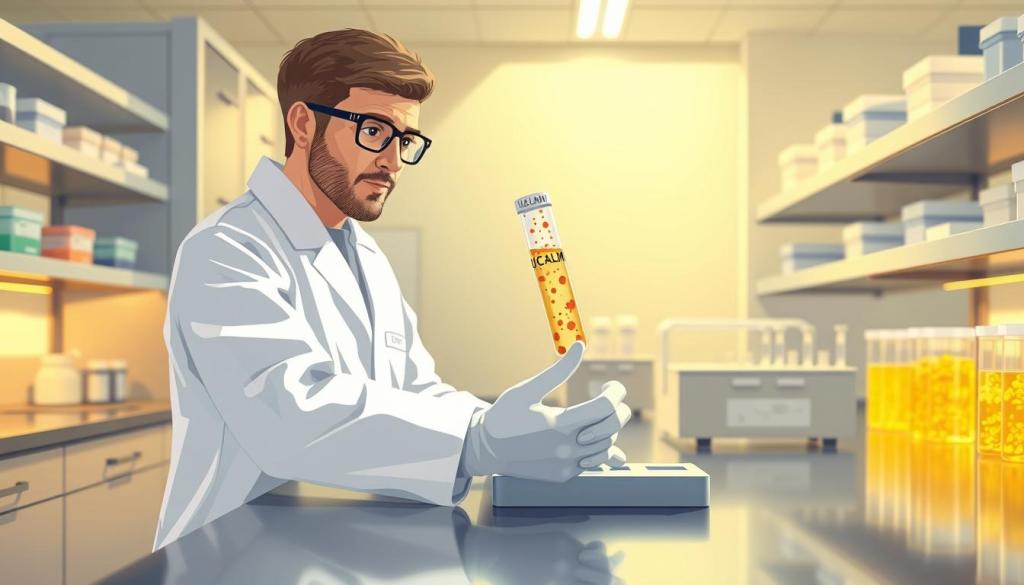
Keeping the work area clean is key when using tissue culture tubes. Aseptic methods are crucial to keep cell and plant cultures in top shape.
Preparation and Setup Guidelines
- Disinfect work surfaces with 70% ethanol before and after use
- Use personal protective equipment (PPE) including gloves and lab coats
- Ensure all cell propagation vessels are sterile before use
- Work in a designated clean area with minimal traffic
Handling and Storage Best Practices
Managing plant culture vials well is important. Here are some key points to remember:
- Always cap containers when not in use
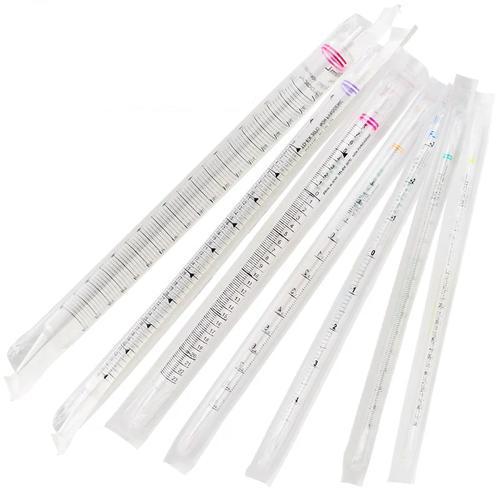
- Use sterile, single-use pipettes to prevent cross-contamination
- Store tubes at recommended temperatures
- Organize samples systematically with clear labeling
Keeping the right temperature is vital for keeping samples alive. Incubators should maintain temperatures within ±0.2°C, while refrigerators should stay between 2-8°C for media and reagents.
Strict adherence to microbiological practices ensures the integrity of cell and tissue cultures.
Researchers must watch out for contamination sources. These include nonsterile supplies, airborne particles, and bad handling. By following these best practices, scientists can greatly lower the chance of ruining their valuable research materials.
Compliance and Regulatory Standards
Scientific research needs strict standards for micropropagation labware and aseptic growth chambers. Regulatory guidelines are key to keeping quality and safety high in labs.
The U.S. Food and Drug Administration (FDA) has set detailed guidelines. These protect research integrity and stop contamination risks. They cover many important parts of managing lab equipment.
FDA and USP Regulatory Framework
Important standards for lab equipment include:
- Strict testing for material safety
- Comprehensive contamination screening
- Certification of material quality
- Validation of sterility processes
Quality Assurance Processes
Manufacturers of micropropagation labware must follow strict quality assurance steps. These steps usually involve:
- Rigorous material selection
- Systematic contamination testing
- Continuous performance monitoring
- Comprehensive documentation
“Quality is never an accident; it is always the result of high intention, sincere effort, and intelligent direction.” – Joseph Juran
Research labs depend on these standards for reliable experiments. Aseptic growth chambers need high precision to avoid contamination and ensure consistent results.
Innovations in Tissue Culture Tube Technology
Scientific research is always pushing the limits of lab equipment, especially in in vitro proliferation vessels. The world of plant tissue flasks and tubes is changing fast. This is thanks to new tech advancements.
New materials in science have changed cell growth methods. Now, there are special in vitro vessels for better research.
Material Science Breakthroughs
There have been big steps in tube tech:
- Improved optical clarity for better sample viewing
- Advanced chemical resistance
- Better gas exchange
- Custom surface treatments
Future Trends in Laboratory Equipment
The next plant tissue flasks will have smart tech. This will change how we do research. Trends include:
- Digital monitoring systems
- Tracking environmental conditions in real-time
- Biodegradable materials
- Precision surface engineering
The 3D cell culture market is expected to hit 1,846 million USD by 2024. Researchers can now get better cell growth and more precise results.
The future of tissue culture tech is about smarter, more responsive, and eco-friendly lab tools.
Eco-Friendly Alternatives in Tissue Culture Tubes
Scientific labs are now focusing on being green to help the planet. They used to rely on single-use plastics, but now they’re looking for better options. This includes finding eco-friendly ways for explant incubation tubes and clonal multiplication containers.
Scientists are working hard to cut down on plastic waste in labs. The life sciences industry throws away about 5.5 million tons of plastic every year. This is a big problem for labs trying to be more sustainable.
Biodegradable Tube Alternatives
There are some exciting new ideas in lab equipment:
- Plant-based polymer tubes for explant incubation tubes
- Recyclable composite materials for clonal multiplication containers
- Biodegradable plastic alternatives that work just as well
Sustainability Approaches in Laboratory Practices
Labs can take steps to be kinder to the environment:
- Start recycling programs
- Look for makers who use green methods
- Buy reusable or biodegradable lab tools
New ideas are showing a lot of promise in cutting down plastic waste. Eppendorf’s biobased tubes, for example, are made from 90% biobased plastic. This cuts down on carbon emissions a lot.
| Sustainability Metric | Current Performance |
|---|---|
| Global Plastic Recycling Rate | 9% |
| Plastic Waste Reduction Potential | Up to 40% |
| Carbon Footprint Reduction | 83% (with eco-friendly alternatives) |
By choosing to be more sustainable, labs can help the planet a lot. They can still do great research without harming the environment.
Troubleshooting Common Issues
Scientists often face problems when working with cell propagation vessels. These issues can affect the quality of their research. It’s important to know how to solve these problems.
Working with tissue culture tubes can lead to several major issues. These problems need quick attention and smart solutions.
Identifying Sterility Challenges
Sterility is a big concern in cell culture. Contamination can ruin important research. Look out for these signs:
- Unexpected color changes in culture medium
- Turbid appearance of liquid
- Black or unusual spots developing in cell propagation vessels
- Sudden changes in cell morphology
Preventing Leakage and Breakage
Even though tissue culture tubes are made to last, some steps can help prevent damage:
- Inspect tubes for microcracks before use
- Use appropriate centrifugation speeds
- Handle tubes gently to prevent structural damage
- Store tubes at recommended temperatures
If you think there’s contamination, throw away the affected culture right away. For mycoplasma, you might need a professional to help because it’s hard to get rid of.
Proactive Maintenance Strategies
To avoid problems, researchers can take a few steps:
- Regular inspection of cell propagation vessels
- Maintaining optimal incubator conditions
- Monitoring CO2 levels consistently
- Using high-quality, sterile equipment
By knowing how to fix common issues, scientists can make their tissue culture experiments more reliable. This helps avoid problems in their research.
Conclusion and Final Thoughts
Sterile culturing containers are key in scientific research. They help scientists study many subjects with great detail. The growth of plant culture vials and tissue culture tubes has changed how we do research.
These tools help keep experiments clean and precise. This is crucial for making new discoveries in medicine and biotech. Choosing the right containers is important for getting reliable results and avoiding contamination.
Today’s science needs advanced tools to handle tough experiments. Plant culture vials and tissue culture tubes help scientists grow cells and study genes. As technology gets better, these tools will help us find even more new things.
Future Research Perspectives
New tech will bring better sterile culturing containers soon. We can expect better materials and ways to stop contamination. The future of science will keep improving thanks to better tissue culture tube technology.
FAQ
What are tissue culture tubes and why are they important in laboratory research?
Tissue culture tubes are special containers for growing cells, tissues, and microorganisms in labs. They help keep things clean and support cell growth. This is key for research in biotech, medicine, and plant science.
What materials are typically used to manufacture tissue culture tubes?
These tubes are made from high-quality polypropylene or medical plastics. They resist chemicals well, are clear, and last long. These materials can handle sterilization and help cells grow.
How do researchers prevent contamination when using tissue culture tubes?
To avoid contamination, researchers use sterile methods and work in clean areas. They also wear protective gear and keep their labs tidy. Handling tubes carefully is crucial.
What factors should be considered when selecting tissue culture tubes?
Choosing the right tubes involves several factors. Consider the cell type, how long you’ll need the tube, and the growth conditions. Also, think about the tube’s size, surface treatment, and how it fits with your research.
Are there different types of tissue culture tubes for specific applications?
Yes, there are many types of tubes for different needs. You’ll find standard tubes, microcentrifuge tubes, and conical tubes. Some have special surfaces for growing certain cells.
How long can cells be maintained in tissue culture tubes?
The time cells can stay in tubes varies. It depends on the cell type, growth conditions, and research goals. Some cells can last for days or weeks, while others need more frequent care.
What are the current trends in tissue culture tube technology?
New trends include tubes that are clearer, better at exchanging gases, and can monitor conditions. There’s also a focus on biodegradable materials and custom surfaces for different cell types.
How do tissue culture tubes support sustainability in laboratory practices?
To be more eco-friendly, tubes are now made from biodegradable materials or are recyclable. This helps reduce plastic waste without sacrificing sterility or performance.
What regulatory standards govern tissue culture tube production?
Tubes must meet FDA and USP guidelines. This includes tests for sterility, safety, and cleanliness. It ensures they work well in research.
Can tissue culture tubes be used for both animal and plant cell research?
Yes, these tubes are versatile. They can be used for growing mammalian cells, microbes, plants, and more. They’re used in many scientific fields.





Leave a Comment
Your email address will not be published. Required fields are marked *