


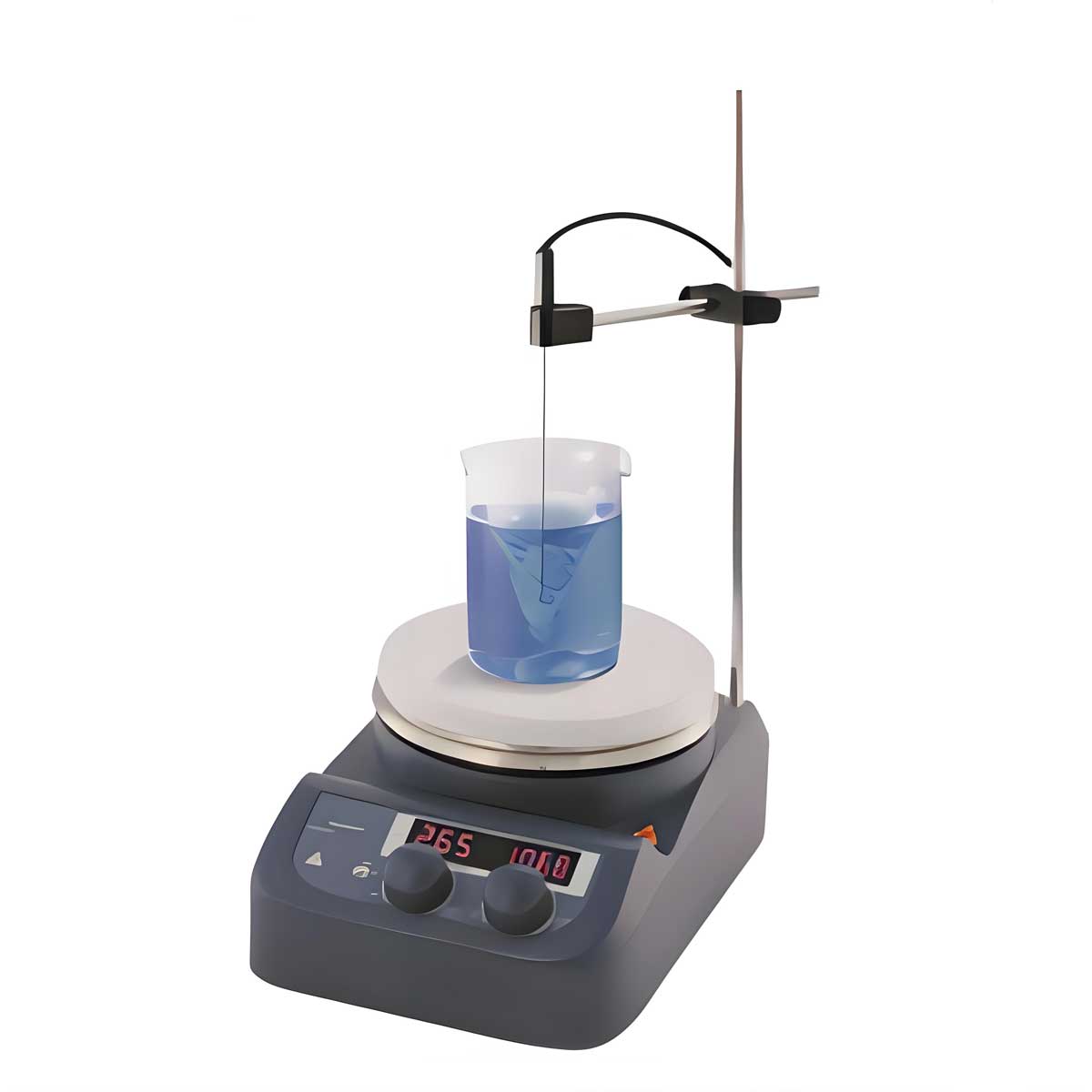
When it comes to laboratory heating equipment, choosing between a standard hot plate and a magnetic stirrer hot plate can be a crucial decision. We believe that understanding your specific laboratory needs is essential before investing in heating equipment.
The right choice can significantly impact experimental outcomes and laboratory efficiency. Laboratory professionals must consider the fundamental differences between these two types of equipment to make informed decisions.
The evolution of laboratory heating technology has led to the development of advanced magnetic stirrer combinations, offering enhanced temperature control and precision. By understanding the key considerations when selecting between a simple hotplate and a magnetic stirrer hot plate, you can optimize your laboratory workflow.
Key Takeaways
- Understand the fundamental differences between standard laboratory hot plates and magnetic stirrer hot plates.
- Consider the impact of heating equipment on experimental outcomes and laboratory efficiency.
- Evaluate the evolution of laboratory heating technology and its benefits.
- Assess your specific laboratory needs before investing in heating equipment.
- Identify key considerations when selecting between a simple hot plate and a magnetic stirrer hot plate.
Understanding Laboratory Heating Equipment
The right laboratory heating equipment is essential for achieving accurate and reliable results. Laboratory heating equipment includes basic hot plates and magnetic stirrer hot plates, each designed for specific applications.
Basic Hot Plates: Features and Functionality
Basic hot plates are designed for simple heating applications, offering a range of temperature controls and heating surfaces. They are ideal for tasks that require consistent heat, but lack the capability for simultaneous mixing.
Magnetic Stirrer Hot Plates: Combined Technology
Magnetic stirrer hot plates combine heating and stirring functions, providing a dual-purpose solution for laboratory needs. These devices enhance workflow efficiency and save valuable laboratory space by integrating two essential functions into one unit.
Key Features of Magnetic Stirrer Hot Plates
Magnetic stirrer hot plates are essential laboratory equipment that combines heating and stirring functions. We will examine the key features that make these devices indispensable in laboratory settings.
Temperature Control and Heating Capacity
Modern magnetic stirrer hot plates, feature advanced temperature control systems, including PID controllers that maintain accuracy within ±1°C. These devices offer a range of heating capacities, typically from ambient to 380°C, suitable for various laboratory applications.
Stirring Mechanisms and Speed Range
The stirring mechanism in magnetic stirrer hot plates utilizes magnetic coupling between the drive magnet and stir bar, allowing for speed ranges typically from 100 to 2000 rpm. This ensures efficient mixing even with changes in viscosity during experiments.
Safety Features in Modern Models
Modern magnetic stirrer hot plates incorporate several safety features, including overheating protection, spillage protection, and automatic shut-off systems. These features enhance both safety and precision in laboratory operations, providing reliable performance for critical procedures.
Applications and Use Cases
Understanding the applications and use cases for different types of hot plates is essential for optimizing laboratory workflows and achieving reliable results. Laboratory professionals must consider the specific requirements of their experiments to choose the most appropriate equipment.
When to Use a Simple Hot Plate
A simple hot plate is sufficient for applications that require gentle warming or maintaining constant temperatures, such as incubation processes or basic laboratory procedures that don’t involve mixing. These tasks don’t necessitate the advanced features of a magnetic stirrer hot plate, making a basic hot plate a cost-effective solution.
When a Magnetic Stirrer Hot Plate is Essential
A magnetic stirrer hot plate is crucial for experiments that require constant agitation, such as chemical reactions, dissolution testing, and sample preparation. The ability to control both temperature and stirring speed (measured in rpm) makes these devices indispensable for processes like synthesis, extraction, and digestion, enhancing experimental reproducibility and efficiency.
Industry-Specific Applications
Magnetic stirrer hot plates find applications across various industries, including pharmaceutical, chemical, educational, environmental, and food science laboratories.
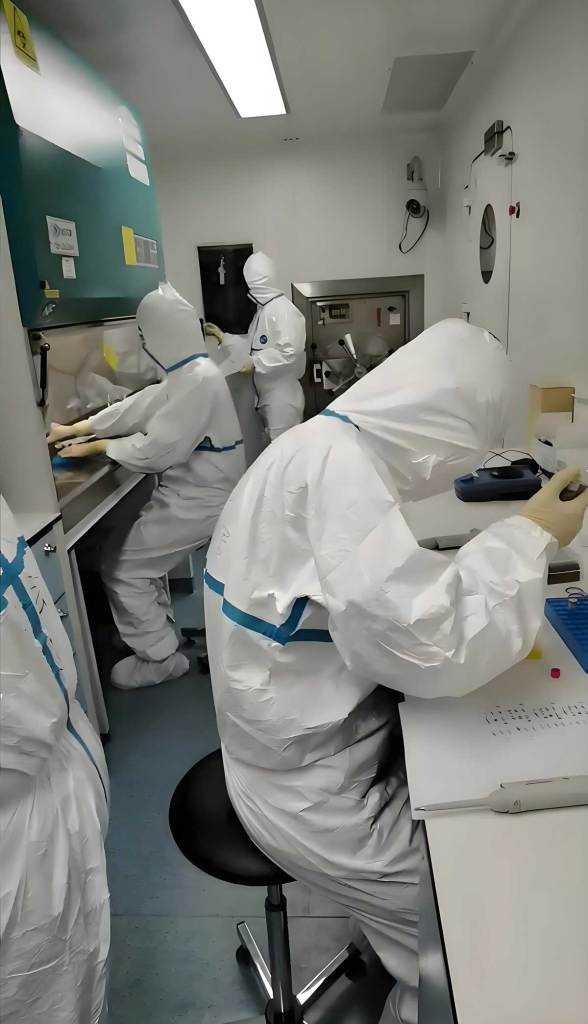
Hot Plate Magnetic Stirrers Usage Scenario
Conclusion: Making the Right Choice for Your Lab
Understanding the differences between hot plates and magnetic stirrer hot plates is essential for making an informed decision that meets your laboratory needs. When selecting equipment, consider factors such as temperature control, heating capacity, and stirring mechanisms. For applications requiring both heating and mixing, a hotplate stirrer offers significant advantages. Future trends in laboratory heating equipment include increased digitalization and enhanced safety features. Choose equipment that matches your experimental protocols for optimal results.
References and further readings:
1.Guidote, A. M., Pacot, G. M. M. (2015). Low-cost magnetic stirrer from recycled computer parts with optional hot plate. Journal of Chemical Education, 92(8), 1368–1370.
https://pubs.acs.org/doi/pdf/10.1021/ed500153r2.Ryu, K. S., Shaikh, K., Goluch, E., Liu, C. (2004). Micro magnetic stir-bar mixer integrated with parylene microfluidic channels. Lab on a Chip.
https://pubs.rsc.org/en/content/articlelanding/2004/lc/b403305a/unauth3.Nagvenkar, A. P., Shani, L., et al. (2017). Graphene-based “hot plate” for the capture and destruction of the herpes simplex virus. Bioconjugate Chemistry, 28(7), 1894–1905.
https://pubs.acs.org/doi/abs/10.1021/acs.bioconjchem.7b00030
FAQ
What is the maximum temperature that a laboratory hotplate can reach?
The maximum temperature varies by model, but many laboratory hotplates can reach temperatures up to 500°C or more, depending on their design and heating elements.
How do I choose the right stirring speed for my experiment?
The ideal stirring speed depends on the specific requirements of your experiment, including the viscosity of the solution and the size of the container. We recommend starting with a lower speed and adjusting as needed to achieve the desired mixing effect.
Are laboratory hotplates and stirrers safe to use with sensitive equipment?
Yes, many modern laboratory hotplates and stirrers are designed with safety features such as overheat protection and secure clamping systems to prevent accidents and ensure safe operation near sensitive equipment.
Can I use a hotplate stirrer with a glass container?
Yes, many hotplate stirrers are compatible with glass containers, but it’s essential to check the manufacturer’s guidelines for specific compatibility and to ensure that the glassware is designed for high-temperature applications.
What is the typical RPM range for laboratory stirrers?
Laboratory stirrers can have a wide range of RPM, but many models, including ours, offer speeds up to 2000 RPM, allowing for flexible adjustment to suit various experimental needs.
How do I maintain and clean my laboratory hotplate stirrer?
Regular cleaning and maintenance are crucial. We recommend wiping down the surface with a compatible cleaning solution, checking for any wear on parts, and following the manufacturer’s instructions for specific maintenance tasks.
Leo Bios
Hello, I’m Leo Bios. As an assistant lecturer, I teach cellular and
molecular biology to undergraduates at a regional US Midwest university. I started as a research tech in
a biotech startup over a decade ago, working on molecular diagnostic tools. This practical experience
fuels my teaching and writing, keeping me engaged in biology’s evolution.




Leave a Comment
Your email address will not be published. Required fields are marked *