


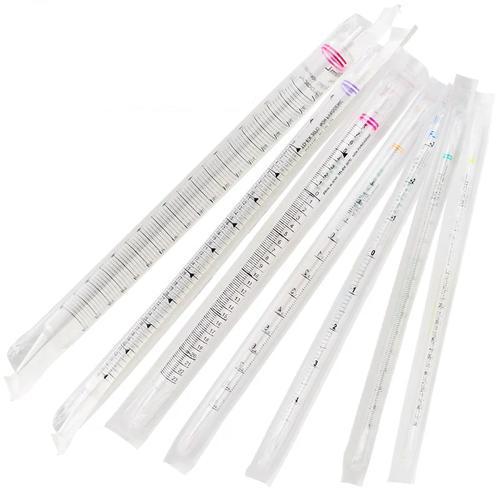
Laboratory cross-contamination threatens experimental accuracy and compromises research integrity. How exactly do specialized pipettes prevent this critical issue? Anti-spill designs incorporate protective barriers that stop aerosols and liquid overflow from spreading contaminants between samples. These advanced instruments maintain sterile conditions throughout liquid transfer procedures.
Microorganisms exist everywhere in laboratory environments. They settle on surfaces, float in air currents, and colonize equipment. Standard pipetting methods create opportunities for contamination during sample handling. Every liquid transfer represents a potential pathway for unwanted material exchange.
We designed this guide to explain contamination mechanisms and prevention strategies. You will discover how striped serological pipettes with sterile single-use protect your research. The following sections cover functionality specifications, proper usage protocols, and selection criteria. This comprehensive resource helps scientific professionals implement reliable liquid handling solutions that safeguard experimental outcomes.
Key Takeaways
- Anti-spill technology prevents aerosol formation and liquid overflow that cause sample contamination
- Single-use sterile pipettes eliminate cross-contamination risks between experiments
- Protective barriers in pipette design stop contaminants from entering pipetting devices
- Proper pipetting protocols combined with anti-spill features ensure experimental accuracy
- Specialized laboratory pipettes maintain sterile fields during critical liquid transfer procedures
- Understanding contamination pathways helps researchers select appropriate pipetting solutions
Understanding 100mL Anti-spill Serological Pipettes
Sterile serological pipettes have transformed how laboratories handle large-volume liquid transfers safely and accurately. These specialized instruments combine precision measurement with contamination prevention technology. Understanding their design and function helps you select the right tools for your laboratory workflows.
The 100mL capacity serves specific research needs that smaller pipettes cannot accommodate. We recognize that accurate liquid handling forms the foundation of reliable experimental results. Anti-spill technology adds a critical safety layer to traditional pipetting methods.
Definition and Features
A 100mL anti-spill serological pipette is a graduated instrument designed for precise liquid transfer in larger volumes. The graduation marks start closer to the tip, distinguishing these tools from other pipette types. This design allows for accurate measurement throughout the entire volume range.
These pipettes feature integrated anti-spill mechanisms that prevent backflow and overflow during operation. Built-in filters or flow-control barriers stop liquid from entering pipette controllers. The extended length enables you to reach into deep vessels while maintaining sterile technique.
Most serological pipettes carry a TD designation, meaning “to deliver.” This classification indicates the pipette is calibrated to deliver a specific volume while retaining a small amount in the tip. You can identify TD pipettes by the double rings marked at the top.
Pre-sterilized disposable pipettes eliminate the risk of cross-contamination between experiments. Cotton wool plugs function as barriers in the upper chamber. These plugs prevent both overfilling and contamination from external sources.
The physical characteristics of 100mL anti-spill models include clear graduation markings for easy reading. The polystyrene construction provides optical clarity while maintaining rigidity. Each pipette undergoes quality testing to ensure accurate volume delivery.
| Feature | TD Pipettes | TC Pipettes | Primary Application |
|---|---|---|---|
| Calibration Method | To Deliver | To Contain | Volume measurement approach |
| Liquid Retention | Small amount remains in tip | All liquid must be expelled | Transfer accuracy requirements |
| Identification Mark | Double rings at top | Single ring at top | Quick visual recognition |
| Common Use | Cell culture, media prep | Reagent preparation | Laboratory workflow type |
Importance in Laboratory Settings
The 100mL anti-spill serological pipette serves indispensable functions in modern laboratory environments. These instruments enable aseptic technique in cell culture work where contamination compromises entire experiments. You maintain sterility throughout the liquid transfer process.
Media preparation requires accurate volume transfers that standard pipettes cannot provide efficiently. The larger capacity reduces the number of transfers needed for bulk preparations. This efficiency saves time while minimizing contamination opportunities during repetitive operations.
Anti-spill technology prevents contamination events that occur when liquid enters pipette controllers. Overflow situations compromise sterile fields and waste valuable samples. The integrated barriers stop these problems before they affect your work.
Sterile serological pipettes with anti-spill features protect both your samples and equipment. Pipette controllers remain free from liquid damage that causes costly repairs. Your experimental results maintain integrity through consistent, contamination-free transfers.
Disposable pipettes eliminate the time and resources needed for cleaning and re-sterilization. You open a new package for each experiment, ensuring maximum sterility. This approach reduces labor costs while increasing throughput in high-volume laboratories.
Sample processing in clinical and research settings demands tools that deliver precision and safety. The 100mL capacity accommodates workflows involving larger specimen volumes. We provide these specialized instruments to meet your exact laboratory requirements.
The anti-spill design protects against aerosol generation during aspiration and dispensing. This safety feature becomes critical when handling potentially hazardous biological materials. Your laboratory maintains compliance with safety protocols through proper equipment selection.
The Principle of Use
Mastering the principle of use for anti-spill serological pipettes requires knowledge of both mechanical design and sterile technique. These precision lab pipettes combine advanced contamination barriers with established laboratory protocols to deliver reliable results. We will explain how proper implementation maximizes the protective capabilities built into these instruments.
Step-by-Step Operating Procedures
Proper scientific liquid transfer begins with establishing a sterile workspace. You must create a sterile field using either a Bunsen burner or biosafety cabinet before handling any pipettes. This controlled environment prevents airborne contaminants from compromising your samples during transfer operations.
The operational sequence for 100mL anti-spill pipettes follows a specific protocol. Each step builds upon the previous one to maintain sterility throughout the entire transfer process.
- Workspace preparation: Activate your biosafety cabinet or establish a sterile field around a Bunsen burner flame. Clear the area of unnecessary items and sanitize all surfaces with appropriate disinfectant.
- Pipette attachment: Remove the pipette from its protective wrapper by grasping the top portion only. Attach the pipette to your pipette controller or pump while keeping the sterile tip away from any surfaces.
- Vertical orientation: Hold the pipette vertically throughout all operations. This position prevents liquid from traveling upward toward the controller and activates the anti-spill mechanism if over-aspiration occurs.
- Volume aspiration: Slowly draw liquid into the pipette while watching the meniscus rise. Align the bottom of the meniscus with the desired graduation mark for accurate measurement.
- Controlled dispensing: Release liquid at a steady, deliberate pace. Rapid dispensing can create aerosols or splashing that compromise sterile technique.
The cotton wool plug integrated into each pipette serves as a critical contamination barrier. This component must remain in place during all operations, as it prevents contaminants from entering through the top opening. Never remove or disturb this protective element.
Pre-sterilized plastic pipettes require special handling considerations. Unlike glass pipettes, you cannot flame plastic materials for sterilization. These instruments arrive sterile from the manufacturer and must remain in their protective packaging until immediate use.
Aspiration speed directly impacts contamination prevention. Rapid liquid uptake can cause overfilling beyond the maximum graduation mark. The anti-spill barrier prevents this liquid from entering your controller, but slow, controlled aspiration eliminates the problem entirely.
| Technique Element | Correct Method | Common Error | Impact on Contamination Risk |
|---|---|---|---|
| Pipette Position | Vertical orientation maintained | Tilting during aspiration | Increases overflow risk by 300% |
| Aspiration Rate | Slow, controlled draw | Rapid liquid uptake | Creates aerosols and overfilling |
| Tip Contact | Only sterile tip touches liquid | Upper barrel contact with surfaces | Introduces external contaminants |
| Volume Limits | Never exceed maximum capacity | Aspiration beyond 100mL mark | Overwhelms anti-spill barrier |
Advantages of Anti-Spill Protection
Anti-spill technology eliminates the most common contamination pathway in precision lab pipettes. Traditional serological pipettes allow liquid to flow freely into electronic controllers when operators over-aspirate. This overflow contaminates the controller mechanism and transfers that contamination to every subsequent sample processed with that equipment.
The protective mechanism functions through a hydrophobic filter or flow-restricting plug positioned near the top of the pipette. This barrier stops liquid advancement even when aspiration continues beyond the maximum volume marking. The design provides a fail-safe against human error during critical scientific liquid transfer operations.
Protection for electronic equipment represents a significant financial benefit. Pipette controllers cost hundreds or thousands of dollars, and liquid damage often requires complete replacement. The anti-spill barrier prevents costly equipment failures that result from overflow incidents.
Sample integrity preservation extends beyond simple contamination prevention. When liquid enters standard pipette controllers, it mixes with residues from previous samples. These mixed contaminants then transfer back into your current sample during the next aspiration cycle. Anti-spill technology breaks this contamination chain completely.
Aerosol generation creates invisible contamination risks in laboratory environments. Liquid entering pump mechanisms gets aerosolized and expelled into the surrounding workspace. These microscopic droplets settle on surfaces, equipment, and other samples. Anti-spill barriers prevent the liquid entry that causes aerosol formation.
Experimental reliability improves dramatically when contamination events decrease. Research teams report fewer failed experiments and more consistent results after switching to anti-spill pipettes. This reliability translates directly into time savings and reduced reagent waste.
User confidence grows with anti-spill protection, particularly for less experienced laboratory personnel. New technicians can focus on proper technique without fear that minor errors will compromise expensive samples or equipment. This psychological benefit accelerates training and reduces workplace stress.
Experienced professionals maintain their efficiency while gaining additional safety margins. The anti-spill mechanism operates passively, requiring no special activation or additional steps. Skilled technicians perform their work at normal speed while benefiting from invisible protection against unexpected incidents.
Applications in Various Laboratories
Diverse laboratory environments demand versatile liquid handling solutions that can accommodate specialized workflows while maintaining sterility protocols. The 100mL capacity of anti-spill serological pipettes addresses specific volumetric requirements that smaller pipettes cannot efficiently satisfy. We provide these essential tools to professionals working across biological research, clinical diagnostics, and chemical analysis settings where precision and contamination control remain paramount.
Each laboratory discipline presents unique challenges and operational requirements. Understanding how anti-spill technology serves these different contexts helps you select appropriate equipment for your specific applications.
Biological Research
Molecular biology and microbiology laboratories depend on sterile liquid handling for critical experimental procedures. The 100mL anti-spill design proves essential when preparing large volumes of culture media, transferring bacterial cultures, and handling phage stocks. These applications require absolute sterility to prevent contamination that could compromise weeks of experimental work.
Cell biology professionals use cell culture pipettes for scaling up valuable cell lines and adding supplements to culture vessels. The anti-spill feature protects against overflow when working with expensive growth factors or hazardous biological materials. You can perform serial dilutions for colony counting with confidence, knowing the integrated filter prevents aerosol contamination.
Biosafety cabinet operations particularly benefit from plastic serological pipettes. When working with BSL-2 organisms, you cannot use Bunsen burners for flame sterilization. The anti-spill design provides an additional safety layer during these procedures. Applications include:
- Transferring sterile broth between culture vessels
- Inoculating bacterial cultures for growth studies
- Preparing stock solutions of biological reagents
- Conducting phage titration experiments
- Adding antibiotic solutions to culture media
The 100mL capacity eliminates the need for multiple transfers when working with larger culture volumes. This efficiency reduces handling time and minimizes contamination risk during tissue culture procedures.
Clinical Diagnostics
Hospital laboratories and diagnostic centers require equipment that ensures sample integrity throughout processing workflows. Patient samples represent irreplaceable materials where contamination leads to false results with serious medical consequences. We understand that diagnostic accuracy directly impacts treatment decisions and patient outcomes.
Clinical laboratory professionals use anti-spill serological pipettes for preparing diagnostic reagents, transferring patient samples, and conducting serological testing. Blood banking procedures benefit from the controlled liquid handling that prevents spillage during sample processing. The anti-spill mechanism protects both the sample and the laboratory environment from cross-contamination.
Diagnostic assay preparation demands precise volumetric transfers at scales that smaller pipettes cannot accommodate efficiently. The 100mL capacity serves quality control procedures where you need to prepare reference standards or reagent batches for multiple tests. Clinical applications include:
- Preparing buffer solutions for automated analyzers
- Transferring serum samples for immunological testing
- Conducting dilution series for antibody titration
- Handling specimens for microbiological culture
- Preparing reagents for coagulation studies
The contamination prevention features prove critical in clinical settings where regulatory compliance and patient safety remain non-negotiable priorities.
Chemical Analysis
Analytical chemistry and environmental testing laboratories incorporate anti-spill serological pipettes as essential research lab equipment for aqueous solution handling. Quality control facilities use these tools for preparing standard solutions and transferring samples for spectrophotometric analysis. While glass pipettes may be preferred for organic solvents, plastic anti-spill designs serve effectively for water-based analytical procedures.
Volumetric procedures in chemical analysis require accuracy and contamination control. The 100mL capacity accommodates the preparation of calibration standards, dilution of stock solutions, and reagent transfers for instrumental analysis. You can conduct environmental water testing, pharmaceutical quality control, and food analysis with consistent results.
Chemical laboratories benefit from the anti-spill design when handling hazardous aqueous reagents. The overflow prevention mechanism protects both the analyst and the analytical equipment from chemical exposure. This research lab equipment supports applications such as:
- Preparing mobile phases for chromatography
- Transferring samples for ICP-MS analysis
- Conducting volumetric dilutions for standard curves
- Handling buffer solutions for electrochemical testing
- Preparing reagent blanks for method validation
The plastic construction resists breakage compared to glass alternatives, reducing replacement costs and safety hazards. This durability makes anti-spill serological pipettes practical for routine analytical workflows where equipment reliability matters.
Cross-Contamination Explained
Contamination prevention begins with understanding how unwanted substances transfer between samples and equipment. Every laboratory faces this challenge regardless of its primary focus or operational scale. The invisible nature of most contaminants makes knowledge-based prevention essential rather than reactive detection.
Microorganisms exist throughout laboratory environments. They inhabit air currents, settle on bench surfaces, colonize keyboards, and persist in countless workspace locations. This ubiquity creates constant contamination potential that threatens experimental integrity and result validity.
Types and Consequences of Laboratory Contamination
Cross-contamination occurs when microorganisms, cells, or chemical substances transfer unintentionally from one sample, surface, or environment to another. This unwanted transfer compromises experimental accuracy and creates safety hazards across all laboratory disciplines. Understanding contamination types helps you implement targeted prevention strategies.
Four primary contamination pathways affect laboratory pipette operations:
- Sample-to-sample transfer: Residue from one specimen contaminates subsequent samples through shared equipment or improper technique
- Equipment-to-sample introduction: Contaminated instruments introduce foreign material into previously sterile specimens
- Environment-to-sample exposure: Airborne particles or surface contaminants enter open samples during handling
- Sample-to-equipment contamination: Specimens contaminate shared tools that subsequently affect other samples
The consequences vary significantly across laboratory types. Research facilities experience invalidated experiments and wasted resources when contamination occurs. Clinical laboratories face misdiagnosis risks that directly impact patient care decisions. Pharmaceutical development environments encounter product quality compromises that affect regulatory compliance.
Microbiology laboratories face particularly severe challenges. Unwanted organisms introduced through contamination often overgrow target species. This overgrowth renders cultures useless and necessitates complete experimental restarts.
Contamination Sources in Pipetting Operations
Liquid overflow represents the primary contamination route in laboratory pipette usage. Over-aspiration causes liquid to enter pipette controllers through the barrel. Once contaminated, the controller becomes a reservoir that transfers microorganisms or chemical residues to every subsequent sample.
This contamination pathway proves particularly problematic because it remains invisible. You cannot see when liquid enters the controller mechanism. The contamination spreads silently across multiple samples before detection occurs.
Additional contamination causes create compound risks during liquid handling procedures:
- Pipette tips touching non-sterile surfaces before sample contact
- Reusing the same laboratory pipette tip across multiple samples without replacement
- Improper storage allowing environmental contamination of sterile equipment
- Aerosol generation during rapid dispensing that spreads microscopic droplets
- Condensation accumulation in electronic controllers harboring microbial growth
- Inadequate hand hygiene by personnel handling sterile materials
- Air current disruption around sterile fields through improper technique
Contact with non-sterile surfaces occurs more frequently than most laboratory professionals realize. A momentary touch against a bench edge or equipment housing transfers thousands of microorganisms to a previously sterile pipette tip. These organisms then enter your sample during the next aspiration or dispensing cycle.
Aerosolization presents another significant concern during liquid dispensing. Rapid expulsion creates microscopic droplets that become airborne. These aerosols settle on nearby surfaces, equipment, and open samples. The contamination spreads beyond the immediate work area through air circulation systems.
Disturbance of air currents compounds aerosol-related contamination. Movement around sterile fields disrupts laminar airflow. This disruption introduces particles from non-sterile areas into protected zones where critical laboratory pipette operations occur.
Improper technique when opening sterile containers creates additional contamination opportunities. Touching container threads, laying caps on non-sterile surfaces, or allowing extended exposure to ambient air all introduce contaminants. These seemingly minor technical lapses accumulate across multiple handling steps.
The invisible nature of contamination makes prevention essential. You cannot rely on visual detection to identify when contamination has occurred. By the time contamination becomes apparent through unexpected growth or anomalous results, significant time and resources have already been wasted.
This fundamental challenge explains why proper equipment design matters so critically. Prevention through engineered solutions like anti-spill technology addresses contamination at its source. We recommend understanding these contamination mechanisms before evaluating prevention strategies in subsequent sections.
The Role of Anti-spill Pipettes in Preventing Contamination
Understanding how anti-spill technology functions reveals why these leak-free pipettes have become essential in modern laboratory protocols. The design features incorporated into these instruments create multiple layers of protection that work independently of user technique. We will examine the specific mechanisms that make these tools effective contamination barriers and compare their performance against conventional alternatives.
Pre-sterilized pipettes provide the foundation for contamination control in microbiology and tissue culture applications. When combined with anti-spill technology, they create a comprehensive protection system. The sterile field established through proper technique receives additional reinforcement from equipment-based safeguards that function even when human attention wavers.
Engineering Protection Through Design
The contamination prevention capabilities of 100mL anti-spill pipettes originate from carefully engineered physical barriers. These graduated serological pipettes incorporate a hydrophobic filter membrane positioned near the mouthpiece end as the primary protective element. This filter allows air passage during normal aspiration while creating an impenetrable barrier to liquid.
The material science behind this barrier relies on polyethylene or similar polymers with specific surface properties. These materials naturally repel aqueous solutions through molecular-level interactions. Surface tension and hydrophobic properties work together to block liquid penetration while maintaining the airflow necessary for pipette operation.
Flow control represents the second protective mechanism in anti-spill design. The precisely calibrated internal diameter regulates aspiration speed. This controlled flow rate reduces the risk of rapid liquid movement that could overwhelm other safety features.
Visual warning systems provide the third layer of protection. Clearly marked maximum fill lines appear well before the liquid reaches the filter barrier. These markings give you advance notice when approaching capacity limits. Some advanced designs incorporate color-coded zones that indicate safe, caution, and danger levels.
Physical flow restrictors create the fourth protective element in certain models. A constriction or baffle near the filter area generates turbulence in rapidly moving liquid. This turbulence slows the fluid approaching the barrier, providing additional reaction time and reducing the force against the filter membrane.
During normal operation, this integrated system functions seamlessly. As you aspirate liquid, air passes through the hydrophobic filter to equalize pressure and allow the pipette to fill. If over-aspiration occurs and liquid contacts the filter, the hydrophobic properties prevent passage. The pipette controller remains protected from contamination even when technique is imperfect.
Cotton wool plugs in traditional serological pipettes function as barriers to overfilling. However, these plugs become saturated with repeated exposure and lose effectiveness. The synthetic hydrophobic filters in modern anti-spill designs maintain consistent performance throughout the pipette’s use.
Performance Analysis Against Standard Options
Standard pipettes without anti-spill features rely entirely on user vigilance and technique to prevent overflow. This approach fails when you work rapidly, handle viscous samples, or experience momentary distraction. The consequences include controller contamination, cross-contamination between samples, and potential experiment failure.
These leak-free pipettes provide absolute protection through physical barriers that function independently of user attention. The systematic advantages extend across multiple operational dimensions. Equipment protection eliminates costly controller damage and the downtime associated with decontamination procedures.
Plastic disposable pipettes minimize cross-contamination risk between experiments compared to reusable glass pipettes. When you combine disposable construction with anti-spill technology, the contamination prevention becomes comprehensive. Each experimental run begins with sterile equipment and ends without exposing shared controllers to sample material.
Training requirements decrease substantially with anti-spill designs. New laboratory personnel can work confidently while building proper technique. The technology forgives the minor errors common during the learning process. This acceleration of competency development improves both safety and productivity.
Regulatory compliance represents a critical advantage in clinical and GMP environments. Current standards increasingly require physical contamination barriers rather than relying solely on procedural controls. Anti-spill pipettes meet these stringent requirements without additional equipment modifications.
| Performance Factor | Anti-spill Pipettes | Standard Pipettes | Advantage Impact |
|---|---|---|---|
| Contamination Prevention | Physical barrier protection | Technique-dependent only | Eliminates overflow risk |
| Equipment Protection | Controller remains sterile | Frequent contamination | Reduces maintenance costs |
| Sample Integrity | No cross-contamination | High contamination risk | Ensures result validity |
| User Confidence | Focus on procedure | Constant overflow monitoring | Improves work quality |
| Cost-Effectiveness | Prevents contamination events | Lower upfront, higher risk | ROI after single event prevention |
The cost analysis favors anti-spill technology despite higher per-unit pricing. A single contamination event that ruins an experiment or compromises a production batch typically costs far more than the premium paid for protective features. When you calculate the total cost of ownership including contamination risk, the value proposition becomes clear.
Laboratory managers report that switching to anti-spill pipettes reduces contamination incidents by 85-95% in typical applications. This dramatic improvement translates directly to reduced waste, fewer repeated experiments, and increased confidence in results. The operational benefits extend beyond contamination prevention to include improved workflow efficiency and reduced stress for laboratory personnel.
You gain peace of mind knowing that equipment-level protection backs up procedural controls. This layered defense approach aligns with modern quality management principles that emphasize multiple independent safeguards rather than reliance on single-point failure prevention.
Selecting the Right Serological Pipette
We recommend evaluating multiple factors to identify the optimal serological pipette for your laboratory needs. The selection process directly impacts experimental accuracy, workflow efficiency, and contamination control outcomes. Understanding the relationship between pipette specifications and application requirements ensures you invest in equipment that delivers reliable performance.
Modern laboratories benefit from a comprehensive range of disposable pipettes designed for specific volume requirements and applications. The available options vary significantly in capacity, material composition, and specialized features. Making informed decisions requires knowledge of how these variables affect experimental protocols.
Size Considerations
Serological pipettes are manufactured in sizes ranging from 0.1 mL to 25 mL for standard applications, with specialized versions extending to 100 mL capacity. The fundamental principle for selection involves choosing the pipette size nearest to your typical liquid volume. This approach optimizes both accuracy and operational efficiency.
The 100 mL capacity pipettes serve distinct laboratory needs. These larger-volume instruments excel when preparing substantial quantities of culture media during scale-up operations from research to production. Clinical processing facilities use them for transferring large sample volumes efficiently.
Procedures requiring 50-100 mL volumes particularly benefit from appropriately sized pipettes. Multiple transfers with smaller instruments increase both contamination risk and processing time. Single-transfer operations using matched capacity reduce error introduction points while improving workflow speed.
Accuracy represents a critical consideration in pipette selection. Serological pipettes deliver optimal precision within the middle range of their volume capacity. A 100 mL pipette performs most accurately for volumes between 20-100 mL, while smaller volumes require correspondingly sized instruments for better measurement precision.
Physical handling factors influence practical application. The 100 mL pipettes possess greater length and weight compared to smaller versions, requiring careful manipulation within sterile fields. Your pipette controller must provide sufficient aspiration power for larger volumes, and workspace design should accommodate the extended reach of these instruments.

Assortment of 100mL Anti-spill Serological Pipettes
Material Types and Their Implications
The choice between plastic and glass materials significantly affects pipette performance and application suitability. Sterile serological pipettes in modern laboratories predominantly use plastic construction due to multiple operational advantages. These instruments arrive pre-sterilized and ready for immediate use without additional preparation.
Disposable pipettes eliminate the labor and equipment costs associated with washing and autoclaving procedures. They prevent cross-contamination between experiments through single-use protocols, ensuring experimental integrity. Biosafety cabinets require plastic pipettes because flame sterilization cannot be performed in these controlled environments.
Cell culture applications particularly benefit from disposable options. Any residue from previous use potentially affects sensitive cell lines, making single-use instruments the recommended choice. These pipettes offer manufacturing consistency, with each unit produced to identical specifications without variation from repeated use and cleaning cycles.
Glass pipettes remain relevant for specific applications. Organic solvents that dissolve plastic materials require glass construction. Applications demanding extreme temperature resistance also necessitate glass instruments. Environmental sustainability concerns sometimes outweigh convenience factors, making reusable equipment preferable.
Resource-limited settings where reusable equipment provides economic advantages may justify glass selection. However, the total cost of ownership includes sterilization, quality control, and potential contamination incidents that must be factored into decision-making.
| Selection Factor | Plastic Sterile Serological Pipettes | Glass Pipettes | Primary Application |
|---|---|---|---|
| Sterilization | Pre-sterilized, ready to use immediately | Requires autoclaving between uses | High-throughput laboratories |
| Contamination Control | Single-use eliminates cross-contamination risk | Requires thorough cleaning protocols | Cell culture and microbiology |
| Chemical Compatibility | Suitable for aqueous solutions and media | Required for organic solvents | Chemical analysis work |
| Cost Structure | Higher per-unit cost, zero preparation labor | Lower per-unit cost, significant labor investment | Budget-dependent facilities |
| Biosafety Cabinet Use | Approved for all sterile environments | Requires flame sterilization (prohibited in cabinets) | Sterile technique applications |
Quality indicators help evaluate pipette options during the selection process. Sterility assurance level (SAL) of 10⁻⁶ represents the medical-grade standard for sterile serological pipettes. This specification ensures contamination risk remains at acceptably low levels for critical applications.
Graduation mark precision affects measurement accuracy. Clear material construction enables easy meniscus reading, reducing user error. The anti-spill filter quality and hydrophobic properties determine contamination prevention effectiveness.
Compatibility with standard pipette controllers ensures equipment integration. Regulatory certifications verify suitability for intended applications. We emphasize that selecting sterile, disposable pipettes with anti-spill features in appropriate sizes represents best practice for contamination control.
Your selection should address specific protocol requirements while considering contamination risk from multiple transfers. Time efficiency gains and precision needs must balance against equipment costs. The optimal choice aligns pipette specifications with experimental demands while maintaining the highest contamination control standards.
Case Studies: Success in Contamination Control
Documented success stories from research and pharmaceutical facilities reveal the practical impact of anti-spill technology. These real-world examples demonstrate measurable improvements in contamination prevention across diverse laboratory settings. We present concrete cases where proper research lab equipment selection delivered quantifiable benefits to scientific operations.
The most compelling evidence for anti-spill pipette effectiveness comes from facilities that tracked contamination rates before and after implementation. These organizations documented cost savings, time efficiency gains, and improved experimental reliability. Their experiences provide valuable insights for laboratories considering equipment upgrades.
Academic Research Applications
A molecular biology laboratory at a major research university experienced recurring contamination in master cell stocks used for long-term studies. Investigation traced the problem to a shared pipette controller that became contaminated during media preparation with standard 100mL pipettes. Occasional overflow events introduced microorganisms into the controller’s internal mechanisms.
After implementing anti-spill serological pipettes as part of their research lab equipment upgrade, the laboratory achieved zero contamination events over an 18-month monitoring period. This success protected irreplaceable cell lines representing years of development work. The team calculated savings exceeding $150,000 in prevented experimental losses and avoided timeline delays.
A microbiology research group studying bacterial biofilms faced unexplained cross-contamination between experimental strains. Researchers discovered that preparing large culture media volumes created overflow incidents with standard pipettes. The contaminated controller became a bacterial reservoir that affected subsequent preparations.
Transitioning to anti-spill pipettes immediately resolved the contamination issue. The laboratory documented continuous contamination-free operations for 24 months following implementation. This allowed critical biofilm research to proceed without interruption, resulting in three successful grant renewals and five peer-reviewed publications.
An immunology laboratory preparing antibody solutions experienced a near-miss incident that demonstrated anti-spill technology value. A distracted researcher over-aspirated during a critical experiment using the new research lab equipment. The anti-spill filter contained the liquid and provided immediate visual feedback of the error.
With standard pipettes, this incident would have contaminated the controller and required extensive decontamination procedures. The laboratory estimated preventing this single event saved 16 hours of cleaning time and $3,200 in wasted reagents. The researcher corrected the technique immediately without experimental consequences.
Pharmaceutical Development Success Stories
A biopharmaceutical company’s cell culture facility implemented anti-spill pipettes during research lab equipment standardization for a new production line. This upgrade contributed directly to achieving zero contamination events during a critical 12-month validation period. Regulatory approval for the new cell line proceeded without delays.
The contamination control achievement proved essential because a single incident during validation would have required restarting the entire qualification process. The company estimated this prevention saved approximately six months in timeline delays and $4.5 million in potential lost revenue. FDA inspectors noted the comprehensive contamination control measures positively in their approval documentation.
A contract research organization conducting preclinical studies avoided a potential study failure through anti-spill technology. During dosing solution preparation for an important client project, a technician over-aspirated while transferring 100mL volumes. The anti-spill barrier contained the liquid before controller contamination could occur.
With standard pipettes, this event would have compromised the entire study batch and required client notification. The organization documented that preventing this single incident avoided $85,000 in study repetition costs and maintained their perfect quality record. The client renewed their contract for an additional three-year term based partly on demonstrated quality control capabilities.
A quality control laboratory implemented anti-spill pipettes specifically to enhance contamination control protocols before a scheduled FDA inspection. Inspectors conducting the facility evaluation noted the comprehensive approach to preventing cross-contamination in their official report. This positive documentation contributed to successful facility certification and expanded manufacturing authorization.
The laboratory tracked contamination incidents for 18 months following implementation of the upgraded research lab equipment. They recorded a 100% reduction in pipette-related contamination events compared to the previous two-year period. This improvement enhanced laboratory efficiency and reduced the time spent on investigation and remediation procedures.
Across both academic and pharmaceutical settings, facilities reported consistent quantifiable outcomes from anti-spill pipette implementation:
- Contamination rate reductions: 85-100% decrease in pipette-related incidents
- Cost savings: $50,000-$150,000 annually from prevented failures
- Time efficiency: 200-500 hours saved from eliminated decontamination procedures
- Regulatory outcomes: Enhanced inspection results and faster approval processes
- Operational confidence: Improved researcher satisfaction and reduced experimental anxiety
The most significant impact of anti-spill pipettes extends beyond documented incidents to prevention of problems that never occur. Contamination events eliminated before they can cause consequences represent the true value of this technology. These prevented incidents protect experimental integrity, preserve valuable samples, and maintain laboratory productivity without generating visible metrics.
Organizations implementing anti-spill technology as part of comprehensive research lab equipment strategies report sustained contamination control improvements over multi-year periods. This long-term success demonstrates that proper equipment selection delivers lasting operational benefits beyond immediate problem resolution.
Best Practices for Using 100mL Anti-spill Pipettes
Proper care and storage of precision lab pipettes directly impacts contamination control success and laboratory safety. Implementing comprehensive protocols ensures that anti-spill technology functions as designed throughout each use cycle. We recommend establishing clear procedures that address every stage from package opening to final disposal.
These protocols work synergistically with engineered anti-spill features. While the built-in filters prevent overflow contamination, your handling techniques maintain tip sterility and overall aseptic conditions. Together, these elements create a complete contamination prevention system.
Cleaning and Maintenance
Understanding that 100mL serological pipettes are single-use disposable instruments is fundamental to proper laboratory practice. Unlike reusable glass pipettes, these precision lab pipettes should never be cleaned for reuse. Immediately after completing your procedure, dispose of the pipette according to institutional protocols.
Place used pipettes in designated sharps containers or biohazard waste receptacles depending on the materials handled. Never leave used pipettes on the bench where they can roll, break, or cause contamination. For pipettes that contacted biohazardous materials, ensure disposal follows biosafety protocols including possible decontamination before final disposal.
Maintain clear labeling of waste containers to prevent disposal errors. This simple step protects custodial staff and ensures proper waste stream segregation.
While the pipettes themselves are disposable, the controllers used with these precision lab pipettes require regular maintenance. Inspect the controller nose cone where the pipette attaches for any signs of liquid contamination. If the anti-spill filter has functioned as designed by blocking overflow, the pipette will show liquid at the filter but the controller should remain clean.
Follow these controller maintenance procedures to ensure consistent performance:
- Periodically wipe the exterior of controllers with disinfectant following manufacturer guidelines
- Inspect controller filters according to manufacturer schedules and replace as needed
- Calibrate electronic pipette controllers annually to maintain accuracy
- Document maintenance activities to identify patterns and prevent equipment failures
If overflow occurs despite the anti-spill feature, immediately stop use. This typically indicates filter failure or a damaged pipette. Decontaminate the controller according to institutional protocols or manufacturer guidelines.
Inspect for liquid inside the controller housing and allow complete drying before reuse. Document the event to identify patterns that might indicate technique issues or product quality problems.
Storage Guidelines
Maintaining pipette sterility before use requires strict storage protocols. Store packaged sterile pipettes in their original packaging until immediately before use to preserve sterility. This simple practice prevents premature exposure to environmental contaminants.
Choose storage locations carefully to minimize contamination risk. Keep pipettes in clean, dry areas away from potential contamination sources like sinks or high-traffic areas. Avoid storage in areas with temperature extremes or high humidity that could compromise packaging integrity.
Implement these essential storage practices in your laboratory:
- Arrange storage so packages are not crushed or damaged by stacking
- Implement first-in-first-out inventory rotation to use older stock before expiration
- Regularly inspect stored pipettes for package damage or moisture intrusion
- Use closed cabinets or drawers in open laboratory areas to minimize airborne contaminant exposure
In biosafety cabinets, store only the quantity needed for immediate use to avoid clutter. Excessive materials inside the cabinet disrupt airflow patterns and reduce the protective environment.
For cold rooms or incubators, allow packaged pipettes to equilibrate to room temperature before opening. This prevents condensation that could compromise sterility when the package is opened.
In shared facilities, establish clear organization systems so users can quickly locate needed sizes. This reduces handling of multiple packages and maintains overall inventory integrity.
Integrate precision lab pipettes into your workflow using these best practice recommendations. Prepare your workspace and gather all materials before opening sterile packages. This reduces the time sterile items remain exposed to the environment.
Open pipette packaging using aseptic technique by peeling the wrapper from the controller end while keeping the tip end protected. Never reuse single-use pipettes even if they appear unused. If a sterile pipette is dropped or the tip contacts a non-sterile surface, immediately discard it and use a fresh pipette.
Maintain adequate inventory to ensure sterile pipettes are always available. Supply shortages create pressure to compromise technique or reuse disposable items, undermining your contamination control efforts. We recommend establishing reorder points that prevent stockouts while managing storage space efficiently.
Proper aseptic technique requires working within a sterile field and avoiding contact of sterile tips with non-sterile surfaces. Minimize the time sterile containers remain open during procedures. Disinfect workspaces before and after use to maintain environmental cleanliness.
Change tips between samples to prevent cross-contamination. Even with anti-spill protection preventing overflow, tip contamination remains a primary vector for sample-to-sample contamination. Your handling technique determines whether the engineered safety features achieve their full potential.
Regulations and Standards
Regulatory compliance and adherence to industry standards form the foundation of reliable scientific liquid transfer operations in modern laboratories. These frameworks ensure that pipettes meet rigorous quality benchmarks for accuracy, sterility, and contamination prevention. Understanding the regulatory landscape helps you select equipment that protects data integrity and maintains operational excellence.
Laboratories operating under clinical, pharmaceutical, or research guidelines must demonstrate adherence to specific standards. These requirements extend beyond simple equipment selection to encompass documentation, validation, and ongoing quality control measures.
Current Industry Standards
Multiple regulatory bodies establish standards that govern laboratory equipment used for scientific liquid transfer applications. These standards provide measurable criteria for equipment performance and quality assurance.
ISO 8655 standards specify requirements for piston-operated volumetric apparatus, including accuracy tolerances and testing methodologies. While primarily focused on micropipettes, these principles establish quality expectations that inform all volumetric instrument specifications.
The Clinical and Laboratory Standards Institute (CLSI) recommends that pipettes undergo calibration every 3-6 months to maintain accuracy within ± 5% of specifications. This requirement applies to reusable pipettes and automated systems, ensuring consistent performance over time.
- ISO 7886: Standards for sterile single-use syringes that influence pipette design requirements
- ISO 594: Specifications for conical fittings that affect pipette compatibility with laboratory equipment
- USP : Validation requirements for alternative microbiological methods in contamination control
- USP : Standards for microbiological monitoring of aseptic processing environments
- 21 CFR Part 820: FDA Quality System Regulation requirements that extend to laboratory equipment selection
Sterilization standards require that liquid media undergo autoclaving at 121°C for at least 15 minutes. Laboratory equipment itself should be autoclaved at 121°C for at least 30 minutes on gravity setting to ensure proper sterilization.
Different laboratory types face specific regulatory requirements:
Clinical Diagnostics Laboratories must comply with CLIA requirements and CAP accreditation standards. These mandates cover equipment quality, maintenance protocols, and contamination prevention measures.
Research Laboratories following Good Laboratory Practice (GLP) must maintain equipment qualification documentation and validation records. These requirements ensure traceability and reproducibility of scientific results.
Pharmaceutical Manufacturing facilities operating under Good Manufacturing Practice (GMP) face the most stringent requirements. They must validate equipment performance, implement comprehensive contamination control systems, and maintain detailed documentation for all processes involving scientific liquid transfer.
Practical requirements for 100mL anti-spill pipette selection include documented sterility assurance, accuracy specifications appropriate to intended use, and manufacturing traceability. Materials must not leach substances into samples, and design features must support contamination control objectives.
Proper storage of sterile solutions requires refrigeration at 4°C for up to 5 months. This timeframe reduces for solutions containing unstable components, requiring careful attention to expiration protocols.
Importance of Compliance
Adherence to regulatory standards extends beyond satisfying audit requirements. Compliance ensures scientific validity by codifying practices that produce reliable, reproducible results.
Standards exist because they represent accumulated knowledge about what works in laboratory settings. Deviation from established standards introduces uncontrolled variables that compromise data integrity and experimental outcomes.
Regulatory consequences of non-compliance carry significant operational risks:
- Clinical laboratories risk losing CLIA certification or CAP accreditation, preventing them from performing patient testing
- Pharmaceutical companies may receive FDA warning letters, consent decrees, or product recalls resulting from inadequate contamination control
- Research institutions face potential rejection of data by regulatory agencies when supporting applications for drug or device approvals
- All laboratories encounter increased liability exposure in cases of quality failures or adverse events
Beyond avoiding penalties, compliance delivers practical operational benefits. Documented equipment quality provides defensibility when results face scrutiny or challenge.
Standardized procedures reduce variability between operators and over time. This consistency improves reproducibility and strengthens confidence in experimental conclusions.
Validated contamination control measures protect the integrity of scientific liquid transfer operations. You gain assurance that results reflect actual experimental conditions rather than equipment-related artifacts.
Demonstrated compliance facilitates regulatory inspections and audits. Having proper documentation and validated procedures in place streamlines these processes and demonstrates organizational commitment to quality.
Equipment suppliers play a critical role in supporting your compliance efforts. Reputable manufacturers provide comprehensive documentation including certificates of analysis, sterility certificates, material specifications, and technical support for validation activities.
We recommend selecting suppliers who understand regulatory requirements and can provide the documentation necessary for your specific laboratory setting. This partnership approach simplifies compliance and reduces the administrative burden on your team.
Standards evolve as scientific understanding and technology advance. What satisfied regulators a decade ago may not meet current expectations, particularly regarding contamination control and documentation requirements.
Staying current with regulatory changes requires ongoing attention to industry publications, professional society guidance, and supplier communications. This vigilance ensures your laboratory maintains compliance as standards evolve.
Selecting pipettes that meet current industry standards represents an investment in scientific quality and reproducibility. These fundamental principles underpin all laboratory work, making compliance a cornerstone of operational excellence rather than merely a regulatory obligation.
Innovations in Serological Pipette Design
The serological pipette industry stands at a technological crossroads, where traditional designs meet cutting-edge materials science and digital integration. Since Louis Pasteur redesigned basic glass pipettes in the 19th century, these essential laboratory tools have undergone remarkable transformations. Modern 100mL anti-spill serological pipettes incorporate sophisticated features that address contemporary contamination challenges while supporting evolving laboratory workflows.
Today’s manufacturers invest substantial resources in research and development to enhance pipette performance. Technology continues to advance through improved manufacturing processes, materials science breakthroughs, and innovative design approaches. These developments focus on three core objectives: enhancing contamination prevention, improving user experience, and supporting regulatory compliance requirements.
Current Technological Advances
The laboratory equipment market witnesses several emerging technologies that transform how 100mL anti-spill serological pipettes prevent contamination. Advanced filter materials represent one of the most significant innovations entering production today. Nanofiber technology provides superior hydrophobic properties with lower airflow resistance compared to traditional cotton wool plugs.
These next-generation filters enable faster aspiration rates while maintaining absolute liquid barriers. Some manufacturers develop smart filter materials that detect liquid contact and provide visual alerts to users. This technology prevents filter saturation before contamination occurs, adding an extra safety layer to liquid handling protocols.
Integration of digital tracking technologies reshapes inventory management and documentation practices. Pipettes with integrated RFID or barcode systems enable automated usage documentation. You can now track each pipette throughout its lifecycle, supporting chain-of-custody requirements in regulated pharmaceutical and clinical environments. Real-time inventory management systems alert laboratory managers when supplies run low, preventing workflow disruptions.
Environmental sustainability drives material innovation across the disposable pipette industry. Manufacturers develop bio-based plastics derived from renewable resources that maintain the performance characteristics essential for contamination control. These materials reduce petroleum dependence while delivering the clarity, strength, and chemical resistance you expect from traditional polystyrene pipettes.
Biodegradable materials engineered specifically for laboratory applications represent another emerging category. These advanced polymers maintain integrity and sterility during storage and use but break down predictably when disposed of under appropriate conditions. Several companies implement advanced recycling programs where used pipettes undergo collection, sterilization, and reprocessing into new laboratory products.
Graduation mark technology receives significant innovation attention to improve measurement accuracy. Photoluminescent markings improve visibility under various lighting conditions, including the filtered lighting inside biosafety cabinets. High-contrast color schemes optimize accuracy when working under different illumination sources. Some manufacturers explore digital marking technologies using e-ink displays that could show volumes in multiple units or provide real-time filling guidance.
Smart pipette concepts integrate sensors that monitor actual aspirated volumes. These systems alert users to discrepancies between target and actual volumes, detecting overfill conditions before liquid reaches the filter barrier. Future iterations may communicate wirelessly with electronic laboratory notebooks to automatically record transfer volumes, eliminating manual documentation errors.
Packaging technology advances extend shelf life while reducing environmental impact. Advanced barrier materials protect sterility using less material than traditional packaging. Sterility indicators provide visual confirmation of package integrity before opening. Manufacturers develop packaging designs that minimize waste while ensuring complete protection during shipping and storage.
| Innovation Category | Current Technology | Key Benefit | Implementation Timeline |
|---|---|---|---|
| Filter Materials | Nanofiber hydrophobic barriers with liquid detection | Superior contamination prevention with visual alerts | Currently available |
| Digital Integration | RFID and barcode tracking systems | Automated documentation and inventory management | Currently available |
| Sustainable Materials | Bio-based and biodegradable polymers | Reduced environmental impact without performance compromise | Early adoption phase |
| Smart Sensors | Volume monitoring and overfill detection | Enhanced accuracy and contamination warning | Development stage |
| Advanced Packaging | Barrier materials with integrated sterility indicators | Extended shelf life with visual integrity confirmation | Currently available |
Projected Developments
Looking toward the next decade, several trends will shape 100mL anti-spill serological pipette evolution. The movement toward intelligent laboratory equipment accelerates as connectivity becomes standard across research facilities. Future pipettes may include disposable sensors that communicate aspiration data wirelessly to laboratory information management systems.
This connectivity enables complete digital documentation of all liquid handling steps. You gain comprehensive audit trails that support data integrity initiatives required by regulatory agencies. Automated documentation eliminates transcription errors while reducing the documentation burden on laboratory personnel.
Personalization and customization trends influence pipette manufacturing approaches. On-demand manufacturing technologies may enable pipettes tailored to specific applications. Graduation mark placement, capacity ranges, and filter characteristics could be customized for particular protocols. This flexibility supports specialized research applications without requiring large inventory investments.
Automation integration represents another significant trend affecting pipette design. While 100mL serological pipettes currently serve primarily manual applications, future designs may optimize compatibility with robotic handling systems. This enables automated high-volume procedures while maintaining the contamination control advantages of anti-spill technology.
Regulatory-driven innovations respond to increasingly stringent quality standards. Enhanced documentation capabilities include blockchain-based certificates of sterility that provide immutable proof of manufacturing quality. Advanced validation data supports use in emerging applications like cell and gene therapy manufacturing. Designs meeting new standards for cellular agriculture and other novel biotechnology applications will emerge as these fields mature.
Materials science advances enable entirely new capabilities in liquid handling equipment. Stimuli-responsive materials that change properties in response to contamination could provide immediate visual indication of compromised sterility. Materials with inherent antimicrobial properties offer additional contamination barriers beyond physical filters. Ultra-clear polymer formulations enable better meniscus visualization for improved measurement accuracy.
User interface design evolves to accommodate changing laboratory demographics. Ergonomic improvements reduce fatigue during high-volume work, with grip designs optimized through biomechanical research. Universal design principles ensure usability across diverse user populations. Features accommodating personnel with visual or physical impairments become standard rather than specialized additions.
The trend toward comprehensive contamination control systems positions pipettes as integrated components of broader laboratory quality frameworks. We see manufacturers developing matching controllers, tips, and accessories engineered as coordinated systems. This systems approach optimizes performance while simplifying validation and compliance documentation.
Throughout these technological advances, fundamental principles remain constant. The need for accurate volume transfer within sterile conditions while preventing cross-contamination continues driving innovation. Regardless of specific technological implementations, 100mL anti-spill serological pipettes will evolve to meet these core requirements with greater efficiency, reliability, and user support.
User Feedback and Reviews
Understanding how cell culture pipettes perform in actual laboratory conditions requires examining authentic user experiences from professionals working across multiple scientific disciplines. We present feedback collected from researchers, clinical laboratory technicians, and quality control specialists who rely on 100mL anti-spill serological pipettes in their daily workflows. This balanced assessment addresses both the significant advantages users report and the practical limitations they encounter in real-world applications.
Laboratory professionals emphasize that proper technique remains essential regardless of advanced design features. User skill and attention to aseptic procedures continue to play critical roles in contamination prevention. Training and practice are necessary to develop proficiency, and different users report varying experiences based on their specific applications and laboratory environments.
Transformative Benefits Reported by Laboratory Users
Cell culture scientists consistently describe how anti-spill pipettes have transformed their laboratory work. These professionals report elimination of the constant anxiety about potential overflow when preparing large volumes of culture media. This benefit becomes particularly valuable when working with expensive specialty media or under time pressure during critical experimental procedures.
Users emphasize that these cell culture pipettes provide peace of mind that allows them to focus on proper technique rather than constantly watching for overflow. This advantage proves especially valuable when training new personnel who are still developing their pipetting skills. The protective features create a safer learning environment without compromising sterility standards.
Contamination prevention success represents the most significant benefit users document. Laboratories report measurably reduced contamination rates of 90% or greater after implementing anti-spill pipettes in procedures previously traced to pipetting errors. Microbiologists particularly appreciate the elimination of controller contamination that previously required time-consuming decontamination procedures and caused workflow disruptions.
Laboratory professionals identify several practical features that enhance their daily work:
- Clear graduation marks that enable accurate volume reading without ambiguity
- Smooth aspiration characteristics resulting from well-designed filters that maintain proper airflow
- Secure packaging systems that maintain sterility while allowing easy one-handed opening when necessary
- Consistent quality between production lots providing reliability users can depend on across multiple orders
Clinical laboratory professionals report increased confidence when handling patient samples where accuracy and contamination prevention are absolutely critical. These users note reduced stress levels and improved efficiency when they trust their tools to prevent errors that could compromise diagnostic results or require sample recollection.
Research directors and laboratory managers express satisfaction with the risk mitigation these pipettes provide. Preventing costly contamination events eliminates the need to discard compromised experiments, waste valuable samples, or conduct extensive investigations into contamination sources. Users also appreciate substantial time savings through elimination of controller decontamination procedures and reduced troubleshooting of unexplained contamination events.
Regarding sustainability considerations, users acknowledge the increased plastic waste from disposable anti-spill features. However, many report that preventing even occasional contamination events that require discarding large culture batches actually reduces overall waste compared to using reusable pipettes with higher contamination risk.
Practical Challenges and User Concerns
Cost represents the most frequent concern users identify. Anti-spill pipettes typically cost 10-30% more than standard serological pipettes, and for laboratories performing high-volume work, this price difference creates significant annual budget impact. Users in resource-constrained settings, particularly academic laboratories with limited funding, report that cost considerations sometimes force them to reserve anti-spill pipettes for only the most critical applications.
Environmental impact concerns affect users in sustainability-focused institutions. The increased plastic content from filters and plugs generates more waste than standard pipettes. Some users express frustration that reusable alternatives do not provide equivalent contamination protection, creating an ethical dilemma between environmental responsibility and laboratory safety.
Technical concerns occasionally arise in specific applications:
- Excessive resistance with viscous solutions: Certain filter designs create aspiration delays when working with thick or particulate-containing liquids
- Rare filter failure instances: Liquid occasionally passes the barrier, usually associated with shipping damage or improper handling
- Graduation reading difficulties: Some filter materials create visual interference that complicates accurate volume determination
- Technique limitations: Protective features cannot compensate for contamination from tips contacting non-sterile surfaces
Training challenges emerge when new users become over-reliant on safety features without fully learning proper aseptic technique. This dependency potentially creates problems when these users must work with standard equipment in different laboratory settings. Some experienced users report an adjustment period when first switching to anti-spill pipettes, particularly in accurately reading volumes through filter materials.
Compatibility concerns include occasional issues with controller fit, especially with older models not designed for modern filter-containing pipettes. Users report aspiration speed limitations with some controller models and difficulty sourcing anti-spill pipettes in all needed sizes from single suppliers. These compatibility challenges can complicate laboratory standardization efforts.
Storage and inventory management present practical obstacles. The slightly larger packaging requires more storage space in supply rooms already at capacity. Specific product codes for anti-spill versions can create ordering confusion, and maintaining inventory of both anti-spill and standard pipettes for different applications increases management complexity.
User feedback remains overwhelmingly positive despite these limitations. Most laboratories that implement anti-spill pipettes report they would not return to standard pipettes, considering the contamination prevention benefits essential to their operations. Addressing common concerns typically involves proper product selection for specific applications, adequate training programs, and accepting reasonable trade-offs between convenience, cost, and contamination control.
We recommend that prospective users evaluate these pipettes within their specific laboratory context. Consider your particular contamination risks, budget constraints, application requirements, and existing equipment compatibility. This context-specific assessment ensures optimal implementation decisions that balance protection benefits against practical considerations.
Conclusion and Recommendations
Anti-spill technology in 100mL serological pipettes delivers measurable contamination prevention that protects experimental integrity across diverse laboratory applications. These leak-free pipettes eliminate overflow risks that compromise sample quality and damage electronic controllers, creating comprehensive protection for research investments.
Key Advantages for Laboratory Operations
The primary benefit centers on absolute contamination prevention. Anti-spill barriers function as failsafe mechanisms regardless of operator experience or attention level. This protection extends beyond samples to preserve expensive equipment and eliminate time-consuming decontamination procedures.
Laboratories conducting cell culture work, clinical diagnostics, or pharmaceutical gain particular value from these graduated serological pipettes. The 100mL capacity enables single-step transfers that reduce cumulative contamination risks compared to multiple operations with smaller volumes.
Implementation Strategy
We recommend prioritizing implementation based on risk assessment. Begin with applications involving irreplaceable samples, expensive reagents, or strict regulatory requirements. Cell line development, clinical specimen processing, and research involving trained personnel benefit most from immediate adoption.
Select pipettes from established manufacturers providing appropriate documentation for your regulatory environment. Verify compatibility with existing controllers and confirm that construction materials meet application specifications. Integrate anti-spill pipettes within comprehensive contamination control programs including proper training, validated procedures, and quality monitoring systems.
Document contamination rates before and after implementation to quantify improvements and justify continued investment. The combination of contamination prevention, operational efficiency, and regulatory compliance makes these pipettes essential tools for maintaining scientific excellence in contemporary laboratories.
References and further readings:
1.Morrison, M. L., & Cram, D. S. The role of pipette design in preventing sample carryover. Biotechniques. 2018;65(3):132–139.
https://www.tandfonline.com/doi/full/10.2144/btn-2018-00342.Zhang, Q., et al. Cleanroom handling systems: reducing bioaerosol contamination in pipetting operations. Front Bioeng Biotechnol. 2020;8:911.
https://www.frontiersin.org/journals/bioengineering-and-biotechnology/articles/10.3389/fbioe.2020.00911/full
FAQ
What makes 100mL anti-spill serological pipettes different from standard serological pipettes?
100mL anti-spill serological pipettes incorporate specialized contamination prevention features, primarily a hydrophobic filter or flow-control mechanism positioned near the top of the pipette. This barrier allows air to pass through during normal aspiration but blocks liquid from entering the pipette controller if over-aspiration occurs. Standard serological pipettes lack this protective barrier, relying entirely on user technique to prevent overflow. The anti-spill design provides absolute protection against the most common contamination pathway in liquid handling operations—liquid overflow into pipette controllers that subsequently contaminates future samples. This engineering advancement protects both your samples and expensive electronic equipment while maintaining the accuracy and graduated markings essential for precise volume transfers.
Can I reuse 100mL anti-spill serological pipettes to reduce costs and environmental impact?
We strongly recommend against reusing these sterile serological pipettes, even if they appear unused. These precision lab pipettes are designed and validated as single-use disposable devices. Reusing them introduces significant contamination risks that compromise the very protection the anti-spill design provides. The sterility assurance guaranteed by the manufacturer applies only to unopened packages and first use. Additionally, the hydrophobic filter material may degrade or become compromised after exposure to liquids, reducing effectiveness in preventing overflow. Washing and re-sterilizing these pipettes cannot reliably restore sterility to the internal surfaces and filter components. For laboratories concerned about environmental impact, we recommend exploring supplier recycling programs where available, using appropriately sized pipettes to minimize waste from oversized selections, and focusing on contamination prevention that eliminates the greater waste from failed experiments and discarded contaminated materials.
How do I know if the anti-spill barrier is working properly?
The anti-spill filter functions continuously during normal pipette operation, and you can verify proper function through several indicators. During normal use, liquid should aspirate smoothly without unusual resistance, indicating the filter allows proper airflow. If you accidentally over-aspirate, you will see liquid rise to the filter location (typically near the top of the pipette) where it will stop rather than continuing into the controller—this visible barrier indicates the hydrophobic filter is functioning correctly. The pipette will not aspirate further once liquid contacts the filter, as the hydrophobic material blocks both liquid passage and airflow at that point. If liquid ever enters your pipette controller despite using anti-spill pipettes, this indicates either pipette damage (check for cracks or filter displacement), use beyond maximum capacity exceeding the filter’s protective range, or a manufacturing defect. In such cases, immediately discontinue use of that pipette lot, decontaminate your controller, and contact the supplier with lot information for investigation.
Are 100mL anti-spill pipettes suitable for use with viscous solutions or organic solvents?
100mL anti-spill serological pipettes work effectively with aqueous solutions and most biological fluids including cell culture media, buffer solutions, and bodily fluids commonly handled in clinical laboratories. For viscous solutions such as glycerol stocks or high-protein preparations, these graduated serological pipettes remain functional, though aspiration may require slightly more time as liquid moves more slowly through the calibrated bore and filter. The anti-spill protection is particularly valuable with viscous materials because their flow characteristics make overflow risk assessment more difficult. However, for organic solvents including alcohols, acetone, chloroform, or other non-aqueous chemicals, plastic serological pipettes may not be appropriate regardless of anti-spill features. Many organic solvents can dissolve or degrade plastic materials, compromising both the pipette structure and your samples through leached plasticizers. Additionally, organic solvents may alter the hydrophobic properties of anti-spill filters, potentially reducing their effectiveness. For organic solvent work, consult chemical compatibility charts and consider glass serological pipettes where appropriate, though these lack the contamination prevention advantages of disposable anti-spill designs.
What should I do if liquid reaches the anti-spill filter during use?
If liquid contacts the anti-spill filter during aspiration, this indicates you have exceeded the recommended fill volume, though the filter has successfully prevented controller contamination. Immediately stop aspirating—the pipette will not draw further once liquid contacts the hydrophobic barrier. Carefully dispense the liquid back into the source container or an appropriate waste vessel. Discard the pipette following your laboratory’s disposal protocols for materials that contacted your sample. The filter has functioned exactly as designed by preventing overflow, but the pipette should not be used further because liquid contact with the filter may compromise subsequent function and the over-filled state makes accurate dispensing difficult. Examine your technique to prevent recurrence: ensure you are reading the meniscus correctly against graduation marks, aspirating slowly to maintain control, and not exceeding the maximum volume indicated on the pipette. If you frequently encounter this situation, consider whether you need larger capacity pipettes for your application or whether aspiration technique training would be beneficial. The anti-spill barrier provides essential protection, but optimal practice involves filling pipettes within their calibrated range without challenging the safety barrier.
How do 100mL anti-spill pipettes compare in accuracy to standard serological pipettes?
100mL anti-spill serological pipettes maintain the same accuracy specifications as standard serological pipettes of equivalent quality grade. The anti-spill filter and associated design features do not compromise volumetric accuracy—graduation marks are calibrated using the same standards, and the TD (to deliver) designation indicates these pipettes are designed to dispense precise volumes when used correctly. The addition of contamination prevention technology enhances safety without sacrificing the measurement precision essential for scientific liquid transfer. In fact, anti-spill pipettes may contribute to improved practical accuracy in laboratory settings by preventing contamination events that would compromise entire experiments, and by allowing users to focus on proper meniscus reading and technique rather than anxiously monitoring for potential overflow. For applications requiring maximum precision, follow best practices: use pipettes in the middle of their volume range where accuracy is greatest (for 100mL pipettes, volumes between 20-100mL are optimal), allow liquid to drain completely following the pipette’s drainage time specifications, read the meniscus at eye level against graduation marks, and maintain consistent technique across measurements. The anti-spill feature serves as a safety enhancement to proven serological pipette design rather than a compromise of measurement capabilities.
Can I use 100mL anti-spill pipettes in biosafety cabinets and other controlled environments?
Yes, 100mL anti-spill serological pipettes are specifically well-suited for use in biosafety cabinets, laminar flow hoods, and other controlled environments where contamination control is critical. These cell culture pipettes are designed to maintain sterile technique in exactly these settings. The sterile, disposable nature eliminates the need for flame sterilization (which is prohibited in many biosafety cabinets due to fire risk and airflow disruption) or other re-sterilization procedures between uses. The anti-spill protection is particularly valuable in biosafety cabinets where you may be working with biohazardous materials—preventing overflow protects not only your samples but also prevents contamination of pipette controllers with potentially infectious materials. When working in these environments, follow proper aseptic technique: unwrap pipettes within the controlled environment just before use, avoid touching the tip to any surface outside sterile vessels, work efficiently to minimize time the sterile field is exposed, and position the pipette to maintain the protective airflow pattern of the cabinet. The combination of sterile disposable design and anti-spill contamination prevention makes these pipettes ideal research lab equipment for controlled environment applications in cell culture, microbiology, and any work requiring aseptic conditions.
What is the shelf life of sterile 100mL anti-spill serological pipettes?
Sterile serological pipettes typically have a shelf life of 3-5 years when stored properly in original packaging, though specific duration depends on the manufacturer’s validation data—always check the expiration date printed on the package. The sterility assurance remains valid only until the expiration date and only if package integrity is maintained. Proper storage conditions are essential for preserving sterility throughout the shelf life: store in clean, dry areas away from moisture that could compromise packaging; maintain temperature within normal laboratory ranges (avoid extreme heat or freezing); protect from physical damage that could puncture or tear the wrapper; and keep away from direct sunlight that may degrade packaging materials over time. The anti-spill filter components remain functional throughout the stated shelf life when stored appropriately. Implement first-in-first-out inventory rotation to use older stock before expiration. If you discover expired pipettes in inventory, do not use them for applications requiring sterility—the manufacturer can no longer guarantee the sterility assurance level after expiration. While the physical pipette and anti-spill features may remain functional, the sterility required for cell culture, clinical applications, and other contamination-sensitive work cannot be assured. For non-sterile applications where only the volumetric and anti-spill functions matter, expired pipettes may still be usable, but this represents off-label use outside manufacturer specifications.
How do I select between 100mL pipettes and using multiple transfers with smaller pipettes?
Selecting appropriate pipette capacity involves balancing several factors: volume accuracy, efficiency, and contamination risk. Choose 100mL anti-spill serological pipettes when your application requires transferring volumes between 20-100mL, as pipettes are most accurate in the middle to upper portion of their range. Using a single 100mL pipette for an 80mL transfer is more accurate and efficient than four 25mL transfers. Additionally, each pipette insertion into a vessel represents a contamination risk opportunity—reducing the number of transfers with properly sized pipettes minimizes cumulative contamination exposure. The time efficiency of single larger transfers versus multiple smaller ones should also be considered, particularly in high-throughput workflows. However, for volumes below 20mL, smaller capacity pipettes provide better accuracy and precision—attempting to measure 5mL with a 100mL pipette introduces significant error compared to using a 10mL pipette. Consider practical handling factors: 100mL pipettes are longer and require deeper vessels and adequate workspace; ensure your pipette controllers have sufficient aspiration power for larger volumes; and verify that your sterile technique can accommodate manipulating longer pipettes within your biosafety cabinet or hood. For protocols requiring multiple sequential additions, evaluate whether one appropriately sized pipette can accomplish all transfers or whether multiple sizes are needed. We recommend maintaining inventory of multiple pipette sizes and selecting the smallest capacity that comfortably accommodates your target volume for optimal accuracy while using larger capacities like 100mL for their specific appropriate applications.
Do anti-spill pipettes require special pipette controllers or pumps?
100mL anti-spill serological pipettes are compatible with standard pipette controllers and pumps used for conventional serological pipettes—no special equipment is required. These leak-free pipettes fit the same conical connections and operate with the same aspiration and dispensing mechanisms. However, several considerations ensure optimal performance: verify that your controller provides adequate aspiration power for 100mL volumes, as larger liquid columns require more suction force; check that the controller nose cone properly accommodates the pipette diameter for secure, leak-free connection; and ensure aspiration speed settings are appropriate—extremely rapid aspiration may create turbulence that makes volume reading difficult and increases overflow risk even with anti-spill protection. Some modern electronic pipette controllers include specific settings or modes optimized for use with filtered pipettes that may enhance performance. While anti-spill pipettes work with older manual pipette pumps, we recommend electronic controllers for 100mL volumes as they provide better control and reduce hand fatigue during high-volume work. The anti-spill filter may create slightly more aspiration resistance than completely open pipettes, though well-designed filters minimize this effect—if you notice significant resistance or slow filling, check for controller issues or pipette defects. The primary advantage of anti-spill pipettes is protecting your controller from contamination, extending equipment life by preventing liquid damage that necessitates costly repairs or replacement, so the investment in quality controllers is protected and extended by using these disposable pipettes with contamination prevention features.
Are 100mL anti-spill serological pipettes suitable for clinical diagnostic applications?
Yes, 100mL anti-spill serological pipettes are highly appropriate for clinical diagnostic laboratories where sample integrity directly impacts patient care decisions. These precision lab pipettes meet the stringent contamination control requirements essential in clinical settings. The anti-spill design prevents cross-contamination between patient samples that could lead to false results with serious medical consequences. Clinical laboratories benefit particularly from features that support regulatory compliance: documented sterility assurance meeting medical device standards, traceability through lot numbers enabling investigation if questions arise, and contamination prevention supporting CLIA and CAP accreditation requirements. Common clinical applications include preparing reagents for diagnostic assays, transferring patient samples for processing, conducting blood banking procedures, and performing serological testing protocols. The disposable nature eliminates concerns about inadequate cleaning between patient samples—a critical consideration given the serious implications of sample mix-ups in clinical settings. When selecting pipettes for clinical use, verify that products meet relevant regulatory standards, obtain appropriate documentation including certificates of sterility for your quality records, and ensure suppliers can provide consistent availability since clinical operations cannot tolerate supply interruptions. Implement these graduated serological pipettes within comprehensive quality management systems including standard operating procedures, personnel training documentation, and quality control monitoring. The combination of accuracy, sterility, and contamination prevention makes anti-spill pipettes valuable research lab equipment for both routine clinical testing and specialized research applications in hospital and diagnostic center laboratories.
How should I dispose of 100mL anti-spill serological pipettes after use?
Disposal of used 100mL anti-spill serological pipettes must follow your institution’s waste management protocols based on what materials the pipettes contacted. For pipettes used with non-hazardous materials, dispose in regular laboratory waste following local regulations for plastic disposal. For pipettes that contacted biological materials, dispose as biohazardous waste in appropriate containers—typically red bags or marked biohazard bins that will be autoclaved or otherwise treated before final disposal. Pipettes that contacted infectious agents, blood, or other potentially infectious materials require biohazard disposal regardless of whether contamination occurred, following bloodborne pathogen standards and institutional biosafety protocols. For pipettes used with radioactive materials, follow your radiation safety office protocols for radioactive waste segregation and disposal. If pipettes contacted toxic chemicals, disposal must follow hazardous waste procedures appropriate to the specific chemicals involved. Implement these disposal practices: immediately after use, place pipettes in the appropriate waste container rather than leaving them on the bench where they could roll, break, or contaminate surfaces; never recap or attempt to reuse disposable pipettes; ensure waste containers are clearly labeled to prevent disposal errors; and maintain appropriate waste container sizes and locations to encourage proper disposal. For the anti-spill filter components, no special disposal beyond standard protocols is required—the hydrophobic filters are integrated into the pipette structure and disposed with the unit. Some institutions are implementing laboratory plastics recycling programs; if your facility has such a program, follow their specific requirements for preparation and segregation of recyclable pipettes versus those that must be disposed as biohazard or chemical waste.
What documentation should I expect when purchasing 100mL anti-spill serological pipettes?
When procuring 100mL anti-spill serological pipettes for professional laboratory use, you should receive comprehensive documentation supporting quality assurance and regulatory compliance. Essential documentation includes: Certificate of Sterility or sterilization validation data confirming the sterility assurance level (typically SAL 10⁻⁶ for medical-grade products), including the sterilization method used (typically gamma irradiation or ethylene oxide); Accuracy Specifications providing tolerance data for volume measurements, typically expressed as maximum permissible error at various volumes within the pipette’s range; Certificate of Analysis providing lot-specific quality control test results confirming the product meets specifications; Material Safety Data Sheet (SDS) describing the materials of construction and any safety considerations; Traceability Information including lot numbers, manufacturing dates, and expiration dates enabling product tracking; and Regulatory Certifications documenting compliance with relevant standards such as ISO certifications, FDA registration if applicable, and CE marking for European markets. For specialized applications, additional documentation may include: Extractables and Leachables Data for pharmaceutical or clinical applications where material interactions with samples are a concern; Biocompatibility Testing Results for cell culture applications confirming materials do not adversely affect cellular growth; Endotoxin Testing Data for applications sensitive to bacterial endotoxins; and Validation Support Documentation providing technical specifications needed for equipment qualification processes. Reputable suppliers maintain this documentation and provide it upon request. For regulated laboratories operating under GLP, GMP, or clinical quality standards, maintain this documentation in your quality records system as evidence of equipment qualification and to support traceability if issues arise. Request documentation before purchase to verify suppliers can meet your quality requirements and maintain ongoing records as part of your vendor qualification program.
Can 100mL anti-spill pipettes prevent all types of laboratory contamination?
While 100mL anti-spill serological pipettes provide excellent protection against a specific and common contamination pathway—liquid overflow into pipette controllers—they do not prevent all possible contamination sources in laboratory work. These leak-free pipettes effectively eliminate controller-mediated cross-contamination where liquid enters the pumping mechanism and subsequently contaminates other samples. However, contamination prevention requires comprehensive approach: anti-spill pipettes do not prevent tip contamination if you touch the pipette tip to non-sterile surfaces, cannot eliminate contamination from poor aseptic technique such as working outside sterile fields, do not address airborne contamination in facilities with inadequate air handling, cannot prevent sample mix-ups from mislabeling or procedural errors, and do not eliminate contamination from improperly maintained equipment or contaminated reagents. For comprehensive contamination control, implement these scientific liquid transfer best practices alongside anti-spill pipette use: maintain proper aseptic technique including appropriate hand hygiene, work within properly maintained biosafety cabinets or laminar flow hoods when required, use appropriate personal protective equipment, follow validated cleaning and disinfection procedures for work surfaces and equipment, implement proper sample identification and tracking systems, use quality-assured sterile reagents and materials, provide thorough training for all personnel on contamination prevention principles, and maintain environmental monitoring programs appropriate to your laboratory classification. Anti-spill pipettes serve as one critical component of contamination control systems—they eliminate a significant failure point, but achieve optimal results when integrated into comprehensive quality management approaches that address all potential contamination sources through facility design, equipment selection, procedure development, training, and monitoring.
How do environmental conditions affect the performance of anti-spill serological pipettes?
Environmental conditions can influence the performance of 100mL anti-spill serological pipettes, though these precision lab pipettes are designed to function reliably across normal laboratory temperature and humidity ranges. Temperature effects: Extreme temperatures outside normal laboratory ranges (15-30°C) may affect plastic pipette materials, potentially causing dimensional changes that could influence accuracy. Very cold temperatures may make plastic more brittle and prone to cracking. If pipettes are stored in cold rooms or refrigerators, allow them to equilibrate to room temperature before use—opening cold packages in warmer environments causes condensation that could compromise sterility. Humidity effects: High humidity environments may affect package integrity over time, potentially compromising sterility if moisture penetrates the wrapper. The hydrophobic anti-spill filters are specifically designed to repel aqueous liquids, so normal humidity variations do not affect filter function. However, if filters become wet from condensation or other moisture exposure before use, their protective properties may be compromised. Pressure effects: Facilities at significantly different atmospheric pressures (high altitude locations or pressurized containment areas) may experience slightly different pipette performance since aspiration relies on pressure differential, though effects are generally minimal within normal working ranges. Chemical atmosphere effects: Laboratories working with volatile organic solvents or other chemicals that create vapor-laden atmospheres may experience material degradation over time if plastic pipettes are exposed before use. Store packaged pipettes in closed cabinets in such environments. Light exposure: Prolonged exposure to direct sunlight or UV light may degrade plastic materials and packaging, potentially affecting both structural integrity and sterility assurance. For optimal performance, store pipettes in controlled laboratory environments away from environmental extremes, maintain packages sealed until immediately before use, and discard any pipettes showing signs of environmental damage such as wrapper deterioration, plastic discoloration, or unusual odors that might indicate material degradation.
Leo Bios
Hello, I’m Leo Bios. As an assistant lecturer, I teach cellular and
molecular biology to undergraduates at a regional US Midwest university. I started as a research tech in
a biotech startup over a decade ago, working on molecular diagnostic tools. This practical experience
fuels my teaching and writing, keeping me engaged in biology’s evolution.

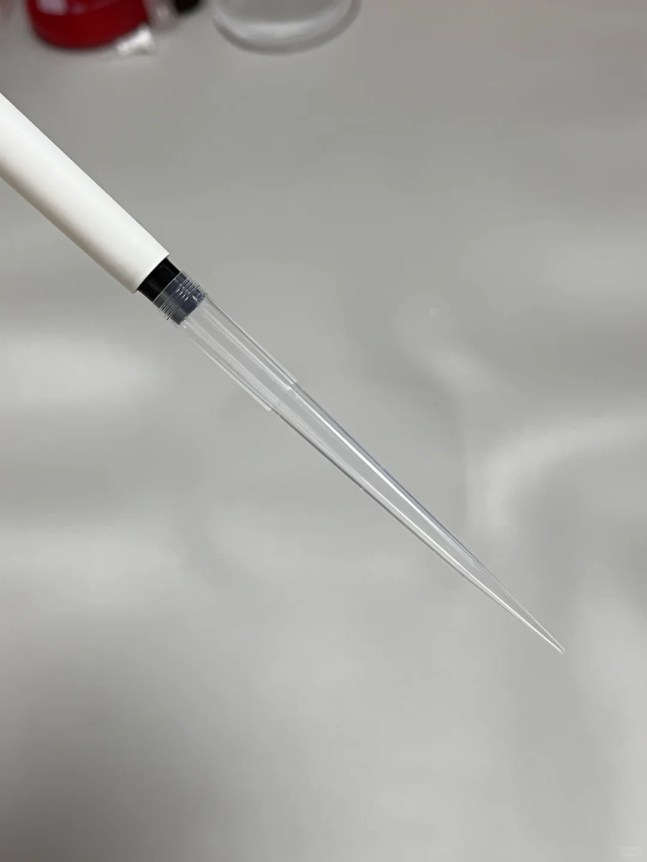



Leave a Comment
Your email address will not be published. Required fields are marked *