


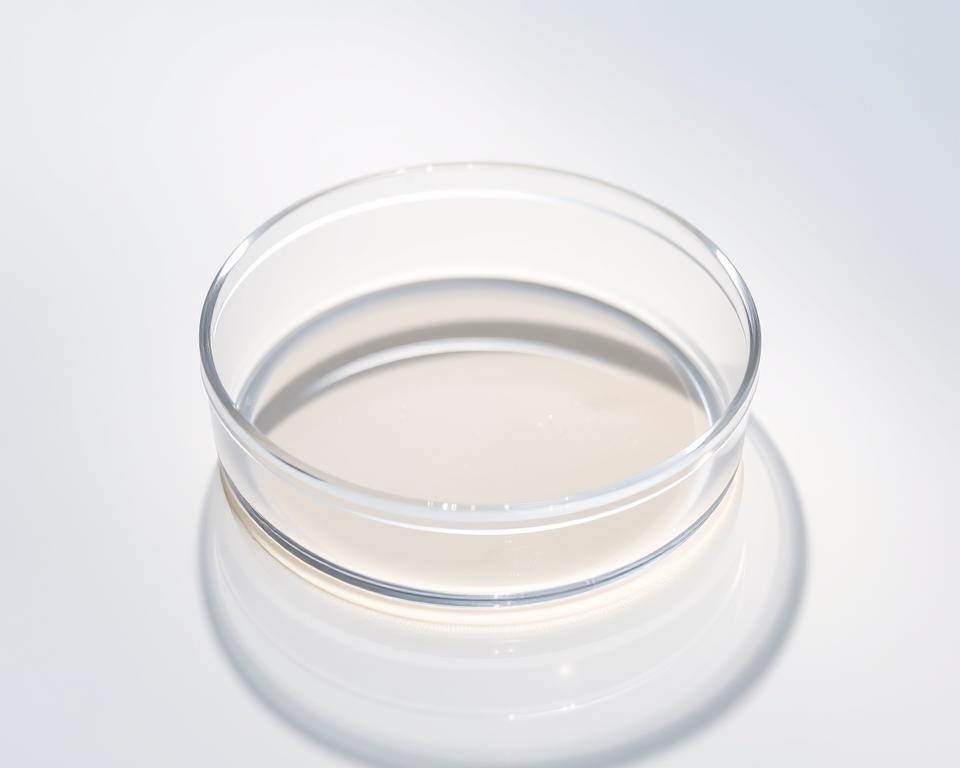
The title suggests that RNA-free high-quality plastic cell culture dishes are key for successful cell culture. These dishes are vital for keeping cells healthy and their genetic material intact. They play a crucial role in several areas.
Firstly, they help avoid RNA contamination, which can mess up research results. Secondly, they provide a stable environment for cells to grow well. This makes scientific findings more reliable.
For scientists and researchers, choosing the right cell culture dish is very important. It ensures their work is precise and reliable.
Key Takeaways
- RNA-free cell culture dishes reduce contamination risks.
- High-quality plastic ensures optimal cell viability.
- Accurate results depend on the materials used.
- Selection of the right dishes enhances research reproducibility.
- Cell culture success is highly influenced by dish quality.
Understanding Cell Culture Dishes
Cell culture dishes are key in labs. They help grow different cell types in a controlled way. These tools are vital for many experiments in biomedicine, like growing tissues and testing drugs.
Definition and Function
The definition of cell culture dishes is simple. They are tools for growing cells in labs. Their main job is to help cells grow well, so scientists can study them and how they react to treatments.
Types of Cell Culture Dishes
There are many types of cell culture dishes for different needs. You’ll find standard plates, multi-well plates, and flasks. Each one is made for a specific use, like growing certain types of cells.
Material Composition
The material composition in laboratory cell culture usually includes polystyrene or polycarbonate. The material affects how cells stick and grow. Good dishes are treated to help cells stick better and stay healthy.
| Type of Dish | Geometry | Usage |
|---|---|---|
| Standard Plates | Flat | Adherent Cells |
| Multi-Well Plates | Multiple Wells | High-Throughput Screening |
| Flasks | Conical or Flat | Suspension Cells |
Significance of RNA-Free Plastic Dishes
In lab research, RNA-free plastic dishes are key for keeping results accurate. They help prevent contamination in tissue culture, which is crucial for sensitive samples. Knowing their value boosts reliability in many molecular biology tasks.
Importance of Contamination Prevention
RNA and DNA can easily get contaminated, leading to wrong data. Using RNA-free dishes cuts down on contamination risks. This is vital for a trustworthy lab setup.
Benefits of RNA-Free Materials
Using RNA-free materials keeps cellular analysis quality high. They reduce the chance of getting false results, especially in PCR and gene studies. This ensures researchers get precise results.
Applications in Molecular Biology
RNA-free dishes are vital for gene editing and CRISPR studies. These need to keep genetic material safe for accurate results. For more on RNA-free labware benefits, check this resource.
Key Characteristics of High-Quality Cell Culture Dishes
Choosing the right cell culture dishes is key for cell growth and research. These dishes help cells stick and grow. Their size and cleanliness also affect the results of experiments.
Surface Treatment and Cell Adhesion
The surface of cell culture dishes is very important. High-quality dishes have special treatments like Nunclon Delta and Supra. These help cells stick better, which is crucial for their growth.
Without the right surface treatment, cells may not grow well. This can harm the results of your experiments.
Dimensions and Volume Considerations
The size of cell culture dishes matters a lot. You need to pick the right size for your cells. Different sizes, like 35 mm, 60 mm, and 100 mm, affect how cells get nutrients and breathe.
This, in turn, impacts how healthy the cells stay.
Sterility and Packaging
Keeping cell culture dishes clean is very important. All good dishes are sterilized and packaged to stay clean. This keeps them safe from things that could ruin them.
Keeping dishes clean helps make sure your results are reliable. It’s important for good science.
For more information on lab standards and options, check out this resource.
Selecting the Right Cell Culture Dish
Choosing the right cell culture supplies is key for good experiments. You need to think about the cell type, growth conditions, and how clean the dish must be. Knowing these things helps pick the best cell culture dishes for your needs.
Factors to Consider
There are many things to think about when picking a cell culture dish. You should look at:
- Cell Type: Different cells need different surfaces and conditions.
- Growth Conditions: The dish must match the cell’s needs for temperature, humidity, and nutrients.
- Sterility: A clean dish is crucial for accurate and reliable results.
Popular Brands and Models
Many top brands make high-quality cell culture dishes. Some well-known ones are:
- Corning: They have a wide range of dishes with special surfaces.
- Thermo Fisher Scientific: They make reliable dishes for many lab needs.
- Savillex: They offer new solutions for lab supplies.
Looking at these brands can help you choose the right dish for your needs.
Cost vs. Quality Comparison
When looking at cell culture products, cost and quality are important. Cheap dishes might not meet quality standards. But, spending more on high-quality dishes can lead to better results and more reliable data. This investment can be worth it for your research.
| Brand | Average Cost | Key Features |
|---|---|---|
| Corning | $50-$200 | Surface treatment for enhanced cell adhesion |
| Thermo Fisher Scientific | $40-$150 | Variety of sizes and shapes for versatile applications |
| Savillex | $60-$180 | Innovative materials for specific cell culture needs |
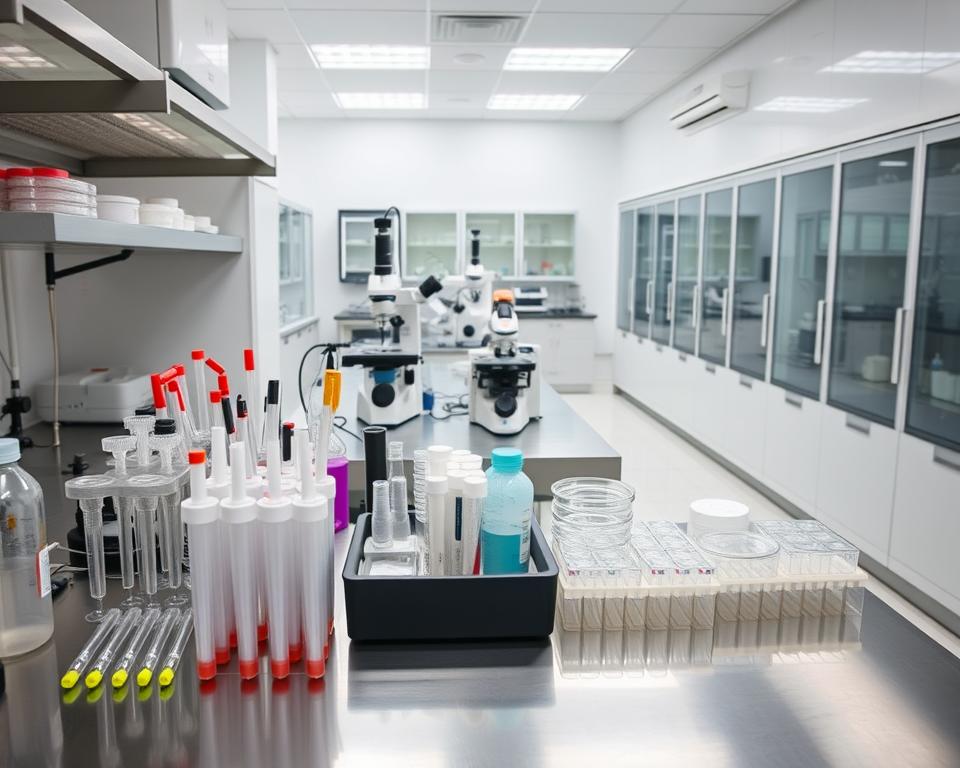
Application Scenarios for Cell Culture Dishes
Cell culture dishes are key in many scientific areas. They help researchers in many ways, pushing science forward. They are used in tissue engineering, drug testing, and academic studies.
Tissue Engineering and Regenerative Medicine
In tissue engineering, making scaffolds is crucial. These dishes help cells grow, which is important for regenerative medicine. They help create tissues for therapy.
Drug Testing and Toxicology Studies
These dishes are vital for testing drugs and studying toxins. They help keep cell cultures safe and reliable. This ensures accurate results for new medicines.
Academic Research and Development
Cell culture dishes are also used in academic research. They help scientists study cells, model diseases, and conduct studies. This research leads to new discoveries and methods.
Influential Studies Highlighting Dish Quality
Research shows that high-quality cell culture dishes are key to getting accurate results. Studies on contamination reveal how bad dishes can ruin cell lines, leading to wrong data. This makes using RNA-free dishes in labs very important.
Research on Cross-contamination in Cell Cultures
Cross-contamination is a big problem in cell culture. Many studies have found that contaminated cells can mess up research. The International Cell Line Authentication Committee has found many misidentified lines. They say RNA-free dishes are needed to avoid contamination and keep research trustworthy.
Impacts of Material Quality on Cell Viability
Studies link dish quality to cell health. Bad dishes can harm cell growth and health. This means choosing the right dishes is crucial for reliable results.
Case Study: RNA-Free Dishes in Cancer Research
Studies show RNA-free dishes make cancer research more reliable. They keep genetic material safe, avoiding damage and contamination. Using these dishes leads to better, more consistent results, helping cancer research a lot. You can learn more about them here.
Best Practices for Using Cell Culture Dishes
Using cell culture dishes right is key to great results. It’s all about preparation, sterilization, and following the rules. This keeps your cell cultures healthy and strong.
Preparation and Sterilization Techniques
Getting your cell culture dishes ready is crucial. You can use autoclaving or chemical sterilization. The method depends on the dish’s material. Good sterilization cuts down on contamination risks.
Handling and Storage Recommendations
How you handle cell culture dishes matters a lot. Always use clean techniques to avoid contamination. Store them in a clean, dry place, following the maker’s advice.
Standard Operating Procedures
Having clear standard operating procedures (SOPs) is vital. They guide everything from preparing dishes to throwing them away. Following these steps keeps your work clean and reliable.
Future Trends in Cell Culture Dish Development
The world of cell culture dish development is always changing. New innovations make our products better and more eco-friendly. We aim to lead in cell culture equipment, ensuring top quality, safety, and care for our planet.
Advancements in Material Science
New discoveries in material science are key to the future of cell culture dishes. Scientists are creating materials that are safer for cells and reduce contamination. These breakthroughs use advanced research and techniques, making cell cultures more reliable.
Eco-friendly Dish Options
More people are thinking about the environment, leading to eco-friendly cell culture supplies. Now, many dishes are made from biodegradable materials. This helps cut down on waste and protects our planet. It’s a big step towards green science.
Integrated Technology in Cell Culture
Technology is becoming a big part of cell culture systems. Automated systems help control conditions and growth better. This makes experiments more reliable and accurate. It lets scientists focus on their work, knowing their equipment supports them.
Conclusion: The Importance of Choosing the Right Dish
We’ve learned that high-quality RNA-free dishes are key for cell culture success. Keeping experiments clean is crucial for reliable results. Using the right dishes helps avoid contamination and ensures accurate findings.
Bad dishes can ruin your research and harm science as a whole. It’s vital to pick the best dishes for your work.
Summary of Key Points
Quality in cell culture materials is very important. A good dish helps keep cells alive and experiments successful. When choosing dishes, think about the material, surface, and how clean they are.
By choosing top-notch materials, you make your research more trustworthy.
Final Thoughts on Quality and Performance
Quality cell culture materials are essential for better research and more credible science. Choosing the right dishes is a big part of achieving your scientific goals. Remember, the right dish can greatly impact your results and help science move forward.
Leo Bios
Hello, I’m Leo Bios. As an assistant lecturer, I teach cellular and molecular biology to undergraduates at a regional US Midwest university. I started as a research tech in a biotech startup over a decade ago, working on molecular diagnostic tools. This practical experience fuels my teaching and writing, keeping me engaged in biology’s evolution.
FAQ
Why is it important to use RNA-free cell culture dishes?
Using RNA-free dishes is key to avoid RNA breakdown and contamination. This ensures the accuracy of results, especially in PCR and gene studies.
What materials are typically used in high-quality cell culture dishes?
Top-notch dishes are made from polystyrene or polycarbonate. They have special coatings to help cells stick and grow well, which is crucial for lab work.
How do different types of cell culture dishes affect my experiments?
The type of dish you choose, like plates or flasks, affects cell growth and nutrient use. It also changes how gases move, impacting your results.
What considerations should I keep in mind when selecting cell culture supplies?
Think about the cell type, growth needs, and sterility when picking supplies. This ensures your experiments are valid and reliable.
How can contamination affect my research results?
Contamination can mess up cell line identification and skew results. Using RNA-free and high-quality materials is key to keeping findings accurate.
What role do cell culture dishes play in drug testing and toxicology studies?
Dishes are vital for testing drugs and assessing toxicity. The quality of cell cultures is crucial for getting accurate results.
What are the best practices for preparing and sterilizing cell culture dishes?
Use strict sterilization methods like heat or chemicals. Also, ensure dishes are properly packaged to stay sterile until use.
What advancements are being made in cell culture dish materials?
New materials are being developed for better biocompatibility and surface properties. This reduces contamination risks in cell culture dishes.
Are there eco-friendly options available for cell culture dishes?
Yes, eco-friendly, disposable dishes made from biodegradable materials are now available. They help reduce lab waste and environmental impact.
How does integrated technology improve cell culture practices?
Advanced technologies, like automated systems, offer precise control over conditions. This improves cell culture outcomes by maintaining optimal conditions.




Leave a Comment
Your email address will not be published. Required fields are marked *