


Does the precision of your scientific research depend on a single key step? Pipette calibration is the unsung hero of accurate scientific measurements. It makes sure every drop matters in experimental success.
Pipette calibration is a basic practice that ensures reliable laboratory measurements. Scientists and researchers need precise volume dispensing for reproducible results in many scientific fields.
Learning to calibrate a pipette is more than just technical skill. It needs careful attention to detail and a thorough approach to keep measurements accurate. Labs around the world see pipette calibration as a vital quality control process. It directly affects research outcomes.
Key Takeaways
- Pipette calibration ensures measurement accuracy in scientific research
- Regular calibration should occur every 3-6 months
- Accuracy is defined within a 99-101% range
- Environmental factors significantly influence measurement precision
- Ten trials are recommended for determining calibration accuracy
Importance of Pipette Calibration in Laboratory Settings
Scientific research needs precision, and calibrating pipettes is key for accurate results. Pipette accuracy is crucial in many fields, from medicine to environmental studies.
When pipettes aren’t calibrated right, labs face big problems. Wrong volume measurements can mess up research findings, which is very serious.
Ensuring Accuracy in Measurements
Calibrating pipettes well keeps research consistent and reliable. Important steps include:
- Regular checks on performance
- Testing volume systematically
- Keeping a controlled environment during calibration
- Using top-notch calibration tools
Impact on Experimental Results
Badly calibrated pipettes can lead to big errors in many areas of research. The problems include:
| Research Field | Potential Impact |
|---|---|
| Pharmaceutical Research | Dosage mistakes |
| Biotechnology | Bad genetic analysis |
| Clinical Diagnostics | Incorrect medical tests |
By setting strict calibration standards, labs can reduce experimental errors. This boosts the quality of scientific research. Reliable pipette accuracy is essential for trustworthy data.
Understanding the Basics of Pipette Calibration
Pipette calibration is key to accurate lab work. Scientists need precise volume checks to keep their results reliable. Knowing how to calibrate pipettes helps labs stay at the top of their game.
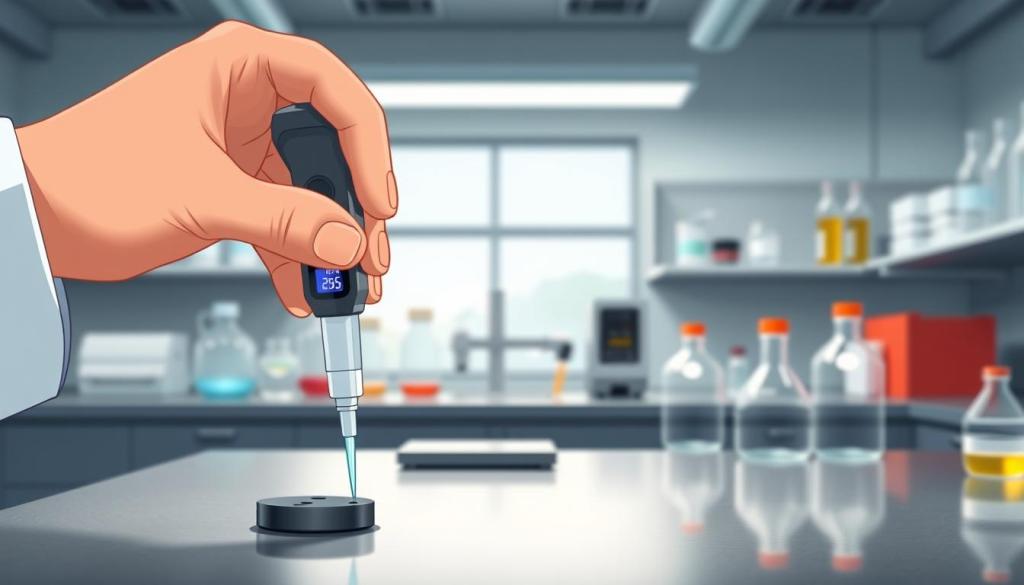
Calibration is a detailed check to see if a pipette really gives the right amount. It’s about making sure the pipette’s display matches the actual volume. Regular calibration is crucial to avoid mistakes in lab work.
Definition of Calibration
Calibration is all about comparing what a pipette actually gives to what it’s supposed to give. The International Organization for Standardization (ISO) 8655 standard guides this important lab task.
- Determines the accuracy of volume delivery
- Compares actual dispensed volume to selected volume
- Identifies potential systematic errors
Frequency of Calibration Requirements
Experts say how often to calibrate pipettes depends on how much they’re used and where they are. Here’s when to check volume:
- Every 3-6 months for often-used pipettes
- After big maintenance or repairs
- When moving to a new lab setting
| Pipette Usage | Recommended Calibration Frequency |
|---|---|
| High-intensity use | Every 3 months |
| Moderate use | Every 6 months |
| Low-intensity use | Annually |
Keeping pipettes in good shape and checking their volume often is vital for good science. By following the right calibration steps, labs can be sure their measurements are spot on.
Preparing for Pipette Calibration
Starting pipette calibration needs careful planning. Lab experts know that precise adjustments and calibrating liquid handling require the right tools and setup.
First, collect all the necessary items for accurate measurements and reliable results.
Essential Equipment for Calibration
- Digital analytical balance (six-place for volumes less than 20 μL)
- Calibration weight set
- Volumetric standard
- Clean work surface
- Distilled water
- Temperature-controlled environment
- Detailed recording materials
Selecting the Right Calibration Method
Choosing the right calibration method depends on your lab’s needs and the type of pipette. There are two main methods:
| Calibration Method | Best For | Accuracy Level |
|---|---|---|
| Gravimetric Method | High-precision measurements | ±0.01% – 0.05% |
| Photometric Method | Quick routine checks | ±0.1% – 0.5% |
The ISO 8655 standards suggest specific calibration methods based on volume and lab needs. Most labs follow these standards for top precision.
Environmental Considerations
Calibrating liquid handling tools needs a stable setting. Keep the room temperature between 20-25°C and humidity steady for precise results.
Step-by-Step Calibration Process
Pipette quality control needs a careful and detailed calibration process. Lab experts must follow a strict method to ensure accurate liquid transfer. This is key to maintaining high scientific measurement standards.
Before starting calibration, several important steps must be taken. The environment and tools used are crucial for getting reliable results.
Setting Up the Calibration Environment
Creating the best calibration setting is essential for accurate liquid transfer. Important factors include:
- Keep the temperature steady between 20-25°C
- Keep humidity levels the same
- Use an analytical balance with 0.0001 grams precision
- Prepare distilled water with a density of 0.998 g/mL
Performing the Calibration
The calibration process needs a strict method for pipette quality control:
- Pre-rinse the pipette tip with distilled water
- Do measurements at three volume settings:
- Minimum volume (100 µL)
- Midpoint volume (500 µL)
- Maximum volume (1000 µL)
- Repeat each measurement 10 times for accuracy
- Calculate accuracy using the formula: Accuracy = 100 x Mean Calculated Volume / Nominal Volume
Documenting Calibration Results
Keeping detailed records is vital for tracking pipette performance. Your calibration log should have:
- Date of calibration
- Target volumes tested
- Accuracy percentages
- Precision measurements
- Technician performing the calibration
Experts should aim for an accuracy range of ±0.5-1% during calibration. Regular calibration every 3-12 months keeps liquid transfer consistent and reliable in labs.
Common Calibration Techniques
Laboratory experts use several key methods to calibrate pipettes accurately. It’s crucial to know how to calibrate a pipette for precise science and reliable results.
Calibrating pipettes involves advanced methods to check their accuracy and function. Each method has its own benefits for different lab needs.
Gravimetric Method: Precision Through Weight Analysis
The gravimetric method is a top choice for pipette calibration. It uses water weight to check volume accuracy. It’s known for:
- Need for a precise balance
- Measuring water weight
- Considering water density at certain temperatures
Volumetric Method: Traditional Calibration Approach
The volumetric method checks pipette performance by comparing volumes. It involves:
- Putting liquid in graduated containers
- Checking the volumes
- Finding any differences
Electronic Calibration Systems: Modern Precision
Electronic calibration systems offer fast, automated checks of pipette accuracy. They provide quick data analysis and detailed performance checks.
Accurate pipette calibration is key to scientific trustworthiness.
| Calibration Technique | Accuracy Range | Recommended Frequency |
|---|---|---|
| Gravimetric Method | 99-101% | Every 3-6 months |
| Volumetric Method | 99-100.5% | Every 6-12 months |
| Electronic Calibration | 99.5-101% | Annually |
Knowing these calibration methods helps lab experts keep pipettes working well. This ensures precise results in experiments.
Troubleshooting Calibration Issues
Calibrating pipettes needs careful attention and knowledge of common problems. Lab professionals must know how to fix these issues to keep results accurate.
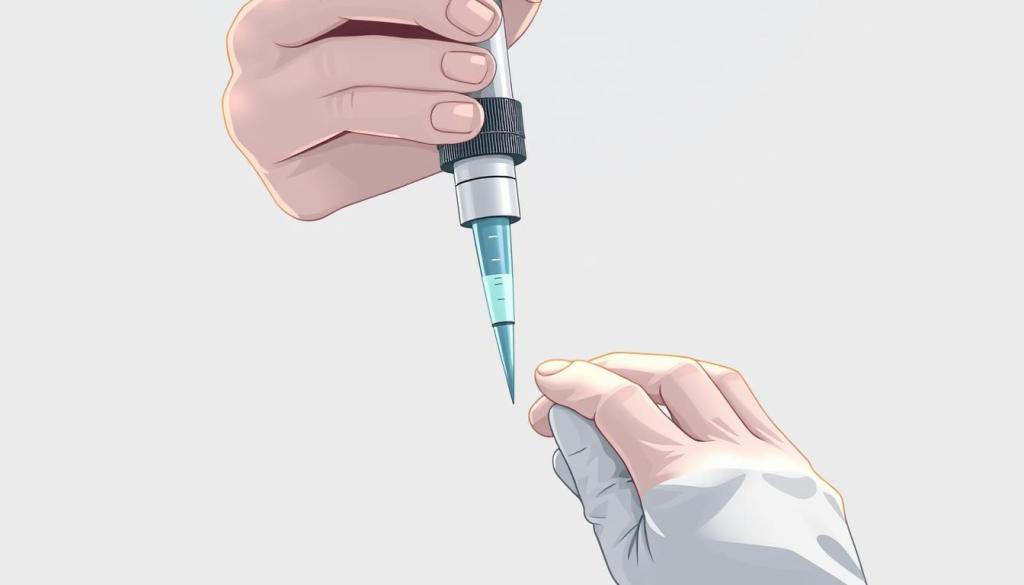
Working with precise tools like pipettes, spotting wrong measurements is key. Studies show that 95% of pipette problems come from five main parts:
- Seal and O-Ring (60% of issues)
- Piston (20% of issues)
- Shaft and Tips (10% of issues)
- Pipette Handle/Body (5% of issues)
Identifying Measurement Inconsistencies
Pipette accuracy can be affected by many things. Labs should look out for these signs:
- Inconsistent liquid volume delivery
- Unexpected variations in experimental results
- Visual wear on pipette components
- Difficulty achieving precise measurements
Addressing Common Calibration Errors
Fixing calibration problems requires a few steps:
- Regular maintenance checks
- Comprehensive component inspection
- Environmental condition monitoring
- Professional calibration services
Calibration adjustments should only be performed after confirming all critical components are fully functional.
Labs following ISO 9001 or ISO 17025 standards suggest checking pipettes yearly. But, they recommend doing it every three to six months for the best results.
Best Practices for Maintaining Pipette Accuracy
Laboratory precision relies heavily on keeping pipettes in top shape. It’s important to follow a detailed plan to ensure your pipettes work accurately.
Good pipette care means regular upkeep, careful handling, and constant checks. By sticking to a maintenance plan, labs can improve their results.
Creating a Maintenance Schedule
Having a solid maintenance schedule is key for pipette performance. Labs should set up a routine that covers all maintenance needs:
- Daily functional checks
- Weekly visual inspections
- Monthly deep cleaning
- Quarterly comprehensive calibration
Essential Usage Techniques
Using pipettes correctly is vital for accurate measurements. Important techniques include:
- Maintaining consistent pipetting angle
- Ensuring 2-3 mm immersion depth
- Using appropriate tip selection
- Controlling environmental factors like temperature
*Precision begins with understanding and respecting your pipetting equipment.*
Environmental factors greatly affect pipette performance. Temperature, humidity, and how you handle them can cause small errors. By following strict maintenance routines, labs can reduce these errors and improve their results.
Types of Pipettes and Their Calibration Needs
Laboratory experts need precise pipette adjustment and liquid handling to get accurate results. Each type of pipette needs a special calibration method. This ensures they work well and reliably.
Labs use two main types of pipettes, each needing its own calibration:
- Single Channel Pipettes
- Multi-Channel Pipettes
Single Channel Pipettes: Precision in Individual Measurements
Single channel pipettes are key for exact liquid handling. They need careful calibration for accuracy. Important steps include:
- Checking volume consistency
- Verifying systematic error ranges
- Evaluating performance at different volume levels
Multi-Channel Pipettes: Complex Calibration Challenges
Multi-channel pipettes have complex calibration needs. Their design demands special care to ensure each channel works the same. Calibration for these must consider:
- Individual channel variations
- Potential tip bending issues
- Volume consistency across multiple channels
Labs should follow ISO 8655 standards. These suggest calibrating every 3-6 months and testing at various volume points. This keeps pipettes at their best performance.
Compliance and Standards in Pipette Calibration
Precise liquid transfer needs strict following of international standards. Lab workers face tough rules to keep pipette quality up to scientific standards.
In April 2022, big changes came to ISO 8655 guidelines. These updates changed how we handle liquids in labs. They affect how we calibrate pipettes in research and medical labs.
Understanding ISO Standards
The ISO 8655:2022 standard now has nine parts. It gives detailed advice on pipette calibration. The main changes are:
- Specifying maximum permissible errors at 100%, 50%, and 10% of nominal volume
- Introducing separate measurement limits for multi-channel pipettes
- Requiring a minimum of ten measurements per volume
Importance of Calibration Certification
Calibration certification is key for lab quality. The new standards set clear rules for keeping records:
- Minimum measurement protocols
- Upgraded balance precision requirements
- Detailed record-keeping of calibration activities
Labs must use better tools now. This includes six-place balances for small volumes and parallel measurements for multi-channel pipettes. These strict rules help ensure pipettes work accurately.
Following these standards is not optional—it’s essential for keeping science reliable and trustworthy.
How to Choose a Calibration Service
Finding the right pipette calibration service is key for keeping your lab precise and research trustworthy. It makes sure your scientific tools work perfectly, avoiding mistakes that could ruin your results.
When looking at calibration services, labs need to think about a few important things. This ensures you get accurate and dependable service.
Evaluating Calibration Providers
Top-notch calibration services must meet strict standards. Here are some key points to consider:
- Accreditation status (ISO 17025 and ISO 8655 compliance)
- Technical expertise and experience
- Quality of calibration equipment
- Turnaround time for service
- Comprehensive documentation
Questions to Ask a Calibration Service
When figuring out how to calibrate a pipette, ask these important questions:
- What calibration methods do you use?
- Are your technicians certified?
- How do you ensure traceability of measurement?
- What documentation will you provide?
- Can you show you meet international standards?
Choosing a trusted pipette calibration service keeps your lab’s data safe. It also makes sure your measurements are always right, no matter the experiment.
Conclusion: The Significance of Accurate Pipette Calibration
Accurate pipette calibration is key for scientific research and industrial precision. It makes sure liquid dispensing is consistent and reliable. Most research labs check pipette accuracy every three months to keep performance high.
Pipette accuracy is crucial for scientific integrity. By following strict calibration practices, researchers can reduce errors. The ISO 8655 standard helps ensure precise and reliable measurements.
Ensuring Reliable Scientific Outcomes
Regular calibration of lab equipment is more than just maintenance. It’s a vital quality control that lowers workplace risks and prevents inconsistencies. Scientists who focus on calibration protect their research’s integrity. This ensures every measurement is accurate and trustworthy.
Long-term Benefits of Regular Calibration
Having a consistent calibration plan brings long-term benefits to labs. It helps catch equipment problems early and keeps pipettes working well. This reduces costly mistakes, saves valuable reagents, and boosts research efficiency. Investing in pipette accuracy is a key step towards scientific excellence and reliable results.
FAQ
Why is pipette calibration important?
Pipette calibration is key for accurate measurements in labs. Small errors can greatly affect research results. This can harm the quality and reliability of data.
How often should pipettes be calibrated?
Calibration frequency varies based on usage and standards. Usually, pipettes need calibration every 6-12 months. High-use instruments might need more frequent checks.
What equipment is needed for pipette calibration?
You’ll need an analytical balance, distilled water, and a controlled environment. Also, calibration weights, micropipette tips, and sometimes special software or systems are required.
What are the most common calibration methods?
Main methods include gravimetric, volumetric, and electronic systems. Each has its own benefits and fits different lab needs.
What factors can affect pipette accuracy?
Accuracy can be affected by temperature, humidity, and mechanical wear. Also, handling, tip quality, and repeated use can cause issues.
How do I recognize when a pipette needs calibration?
Look for inconsistent measurements, physical damage, and trouble with precise volumes. Also, check for large variations and accuracy beyond the manufacturer’s limits.
Can I calibrate pipettes myself or should I use a professional service?
Basic maintenance can be done in-house. But, professional services are best for precise, accredited calibration. They use specialized equipment and follow strict ISO standards.
What are the key ISO standards for pipette calibration?
ISO 8655 is the main standard for piston-operated volumetric apparatus. It sets guidelines for accuracy, precision, and calibration procedures.
How do environmental conditions impact pipette calibration?
Temperature, humidity, and air pressure affect calibration. Most calibrations are done at standard lab conditions (20°C). Careful control of these variables is crucial for precise measurements.
What are the differences between single and multi-channel pipette calibration?
Single-channel pipettes are easier to calibrate. Multi-channel pipettes need more complex procedures. Each channel is tested individually and together for uniform accuracy.




Leave a Comment
Your email address will not be published. Required fields are marked *