


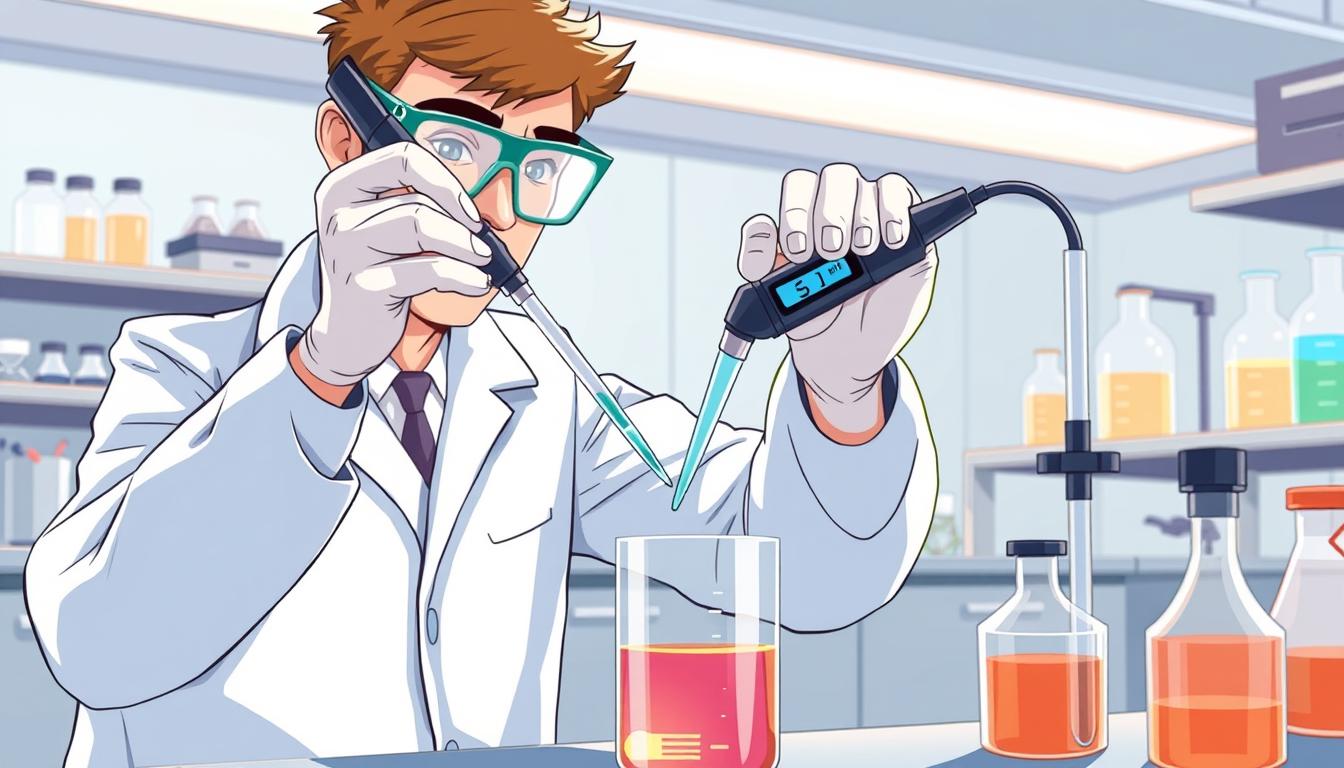
Ever wondered how scientists measure liquids so accurately? Learning to use a pipette well can make you a pro in the lab.
Pipettes are key for measuring small amounts of liquid in science. They work like tiny straws, pulling liquid into their space with great consistency.
Getting good at using a pipette means knowing its special techniques. It’s all about handling it right and keeping it consistent. Experts know that getting the liquid measurement right is key in research and experiments.
This guide will teach you the basics of using a pipette. You’ll learn how to get precise and reliable results in your lab work.
Key Takeaways
- Proper pipette technique significantly improves measurement accuracy
- Different pipette types require specific handling methods
- Consistent rhythm and plunger control are critical for precision
- Regular maintenance prevents contamination and ensures reliability
- Ergonomic considerations enhance long-term pipetting performance
Understanding the Different Types of Pipettes
Pipettes are key tools in labs, helping scientists handle liquids with precision. Knowing the different types is essential for getting the best results.
Scientists use many types of pipettes for their work. These tools can measure liquids from 0.1 microliters to several milliliters. This makes handling them a skill that needs practice.
Manual Pipettes: Fundamental Laboratory Tools
Manual pipettes are the old-school way of moving liquids. They let users control the liquid directly. They come in different sizes:
- Fixed volume options from 1 μL to 5 mL
- Adjustable volume capabilities
- Measurement accuracy up to 4 significant digits
Electronic Pipettes: Precision Technology
Electronic pipettes bring new tech to labs. They have cool features:
- Volume range from 0.5 μL to 10 mL
- Programmable functions
- Reduced user-to-user variance
- Bluetooth connectivity for data tracking
Multi-Channel Pipettes: High-Throughput Solutions
Multi-channel pipettes are made for speed. They help with complex tasks:
- 8 or 12-channel configurations
- Ideal for microplate applications
- Rapid sample preparation
Specialized Pipettes: Targeted Applications
Some pipettes are made for specific tasks. They’re used in different fields:
- Clinical diagnostics
- Forensic analysis
- Drug discovery
- Chemical research
Selecting the right pipette is crucial for maintaining experimental integrity and achieving reproducible results.
Essential Components of a Pipette
Knowing how a pipette works is key to using it well. Each part is important for handling liquids accurately in lab work.
Pipettes are vital for moving small amounts of liquid in labs. They have important parts that help get exact measurements.
Pipette Body
The body of the pipette is its main part. It’s made for easy use and holds the inner workings. Its design helps with:
- Comfortable grip for long use
- Keeping internal parts safe
- Adjusting the volume
Plunger Mechanism
The plunger is the heart of the pipette. It pulls and pushes liquid. It has:
- Three main positions
- Control over the liquid amount
- Smooth action
Tip Holder
The tip holder keeps the disposable tips in place. This stops contamination and keeps measurements right. Connecting it right is key for good results.
Disposable Tips
Disposable tips stop samples from mixing. They come in sizes for different needs:
- Low retention tips for less sticking
- Various sizes for different volumes
- Materials for special uses
Understanding these parts helps scientists improve their pipetting skills. This leads to reliable lab results.
Preparing for Pipetting
Starting a lab project right is key. It’s all about picking the right tools and paying attention to the little things. Doing it well can make your science experiments more accurate and reliable.

Selecting the Right Pipette
Choosing the right pipette is very important. Scientists need to think about a few things:
- How much liquid they need for their experiment
- The type of liquid they’re working with
- How precise they need to be
There are different pipettes for different needs. Air-displacement pipettes are best for water-like liquids. Positive-displacement pipettes are better for thick or non-water liquids.
Choosing the Appropriate Tips
It’s also important to pick the right tips. The wrong tips can mess up your measurements and even contaminate your samples.
| Pipette Type | Recommended Tip Range | Accuracy |
|---|---|---|
| P2 | 0.2-2 µl | ±2% |
| P10 | 0.5-10 µl | ±1% |
| P200 | 20-200 µl | ±0.6% |
Calibrating the Pipette
Keeping your pipette in top shape is crucial. Here’s how to do it:
- Check your most-used pipettes 3-4 times a year
- Do an annual check on less-used tools
- Use weight analysis for the most accurate tests
By following these steps, scientists can make their pipetting better. This will help make their experiments more accurate.
The Correct Technique for Using a Pipette
Mastering accurate pipetting needs precision and skill. It’s key for getting reliable lab results. Scientists must hone their pipette skills for consistent and accurate measurements.
Lab work demands careful attention to detail with liquid samples. Knowing the fine points of pipetting can greatly enhance experimental results.
Grasping the Pipette Properly
Correct hand positioning is crucial for accurate pipetting. Researchers should:
- Hold the pipette vertically at a 90-degree angle
- Maintain a relaxed grip to prevent hand fatigue
- Use the dominant hand for maximum control
Setting the Desired Volume
Choosing the right volume is important. Follow these tips for precise measurements:
| Pipette Type | Volume Range | Reading Method |
|---|---|---|
| P1000 | 100-1000 µL | Thousands, hundreds, tens |
| P200 | 20-200 µL | Hundreds, tens, ones |
| P20 | 2-20 µL | Tens, ones, tenths |
| P2 | 0.2-2 µL | Ones, tenths, hundredths |
Aspiring Liquid with Precision
Aspiring liquid needs specific techniques for accurate pipetting:
- Immerse tip 2-4 mm below liquid surface
- Release plunger smoothly
- Pause one second after aspiration
- Avoid touching tube walls
Dispensing Liquid Accurately
When dispensing, keep speed and pressure consistent. Forward mode is best for most aqueous solutions. Touch the tip against the receiving vessel’s wall at a slight angle for complete liquid transfer.
By mastering these precise pipette skills, researchers can greatly improve their lab experiments’ reliability and reproducibility.
Best Practices for Pipetting
Learning to use a pipette well is more than just knowing how to do it. In professional labs, you need to be precise and careful. Scientists and researchers must follow a consistent method to avoid mistakes and get accurate results.
Good pipetting skills are key for lab experts. Here are some important practices that make a difference:
- Maintain a consistent vertical position during liquid aspiration
- Pre-wet pipette tips to improve volume accuracy
- Select pipettes matching the required volume range
- Implement regular cleaning and maintenance protocols
Maintaining Consistency
Being consistent with pipette use is crucial. Lab technicians should aim for a smooth, steady motion. Repetitive practice helps create muscle memory and lowers the chance of mistakes in important lab work.
Precision in pipetting is not just a skill, but a scientific discipline.
The Importance of Pipette Angle
The angle of your pipette greatly affects how accurate your measurements are. It’s best to hold the pipette at a 45-degree angle when dispensing liquid. This method ensures all liquid is transferred and avoids droplets that could mess up your results.
Avoiding Air Bubbles
Air bubbles can really mess up your pipette’s accuracy. To avoid this, technicians should:
- Immerse the pipette tip slightly beneath the liquid surface
- Release the plunger smoothly and consistently
- Touch the tip against the container wall when dispensing
- Inspect tips for potential air pocket formations
By following these best practices, lab experts can improve their pipette skills. This leads to fewer mistakes, more reliable results, and better science.
Cleaning and Maintaining a Pipette
Keeping your pipette in top shape is key for accurate science work. These tools need regular care to work well.

Regular upkeep stops contamination and keeps your work precise. To use a pipette right, follow a cleaning and care plan.
Daily Maintenance Routines
Having a daily routine stops mistakes in handling liquids. Important steps include:
- Wiping the outside with alcohol
- Looking for damage or wear
- Keeping pipettes upright
- Staying away from very hot or cold places
Cleaning Techniques for Different Pipettes
Each pipette type needs its own cleaning method:
| Pipette Type | Recommended Cleaning Method |
|---|---|
| Single-Channel | Ultrasonic bath at 50°C for 20 minutes |
| Multi-Channel | Gentle surface cleaning with lint-free tissues |
| Electronic | Specialized electronic-safe cleaning solutions |
Regular Calibration Checks
Calibration is vital for precise volume delivery. Labs should check accuracy often, following the maker’s rules and ISO 8655.
Proper maintenance is not an expense, but an investment in scientific accuracy.
Experts say get your pipette checked by pros every year. This keeps it working well and reliable.
Troubleshooting Common Pipetting Issues
Laboratory professionals face many challenges with pipettes. Knowing how to solve these problems can make research more accurate and reliable. The technique of pipetting needs precision and attention to detail.
Researchers often deal with issues that can affect their results. Spotting these problems early is key to keeping scientific work sound.
Dealing with Clogged Tips
Clogged tips can lower accuracy a lot. Here are some ways to handle this:
- Prerinsing tips 2-3 times with the solution
- Using low retention tips to prevent sample adhesion
- Changing tips between different samples
- Selecting appropriate tips for specific liquid types
Addressing Inaccurate Volume Dispensing
Errors in volume dispensing can be big, from 0.5% to 50%. To fix this, follow these steps:
- Using 50-100% of the pipette’s volume range
- Selecting the correct pipette for specific liquid properties
- Maintaining consistent pipetting rhythm
Tips for Improving Accuracy
Here are some tips to improve your pipetting skills:
| Strategy | Impact on Accuracy |
|---|---|
| Regular calibration | Ensures consistent performance |
| Ergonomic posture | Reduces fatigue and improves precision |
| Using filter tips | Prevents contamination |
| Taking breaks | Minimizes strain and maintains accuracy |
Mastering these troubleshooting techniques will help laboratory professionals maintain the highest standards of scientific accuracy.
Safety Protocols When Using Pipettes
Laboratory safety is key when using pipettes. Following the right pipetting method and using pipettes correctly helps avoid hazards. It also prevents injuries in the workplace.
Keeping safe in the lab is all about a detailed safety plan. Researchers need to know the main safety steps for pipetting. These steps help reduce risks.
Personal Protective Equipment (PPE)
Wearing the right personal protective equipment is the first step in safety. Researchers should put on:
- Lab coats with long sleeves
- Chemical-resistant gloves
- Safety glasses or face shields
- Closed-toe shoes
Handling Hazardous Materials
Working with dangerous substances requires careful steps:
- Always work in a designated biosafety cabinet
- Use appropriate containment techniques
- Minimize aerosol generation during pipetting
- Practice sterile technique to reduce contamination risks
Proper Waste Disposal Procedures
Good waste management is vital for safety. Contaminated materials must be disposed of according to established protocols:
- Segregate different types of waste
- Use designated biohazard containers
- Follow institutional hazardous waste guidelines
- Never mix incompatible chemical waste
By sticking to these safety steps, researchers can ensure a safe work environment. They can also keep their scientific work at a high standard.
Documenting Pipetting Data
Accurate documentation is key in scientific research, especially for precise techniques like pipetting. Researchers need detailed records to ensure their work can be repeated, to track progress, and to confirm their findings.

Good pipette skills mean keeping detailed records. Scientists must have a solid plan for documenting every step of their experiments.
Importance of Accurate Record-Keeping
Accurate pipetting needs detailed records. These should include:
- Sample identification numbers
- Volume measurements
- Pipette calibration details
- Environmental conditions
- Technician information
Methods for Data Entry
Today’s labs use different ways to document pipetting:
- Digital laboratory information management systems
- Electronic laboratory notebooks
- Spreadsheet tracking
- Cloud-based research platforms
Utilizing Lab Notebooks
Lab notebooks are still important for keeping detailed records. Researchers should use consistent methods to note down critical experimental parameters accurately.
| Documentation Element | Essential Details |
|---|---|
| Pipette Model | Manufacturer, serial number, calibration date |
| Experiment Details | Date, researcher name, project identifier |
| Volume Measurements | Exact volumes, dilution factors, technique used |
By following strict documentation rules, researchers make their work more credible and traceable. This ensures that their pipette skills lead to reliable, repeatable results.
Training for Effective Pipetting
Learning to use a pipette well takes a lot of practice and keeping your skills sharp. People in labs know how important it is to be precise with pipettes. About 80% say they need better skills to cut down on mistakes.
Good pipette training uses many ways to teach the fine skills needed for handling samples right. Lab managers know that the right technique can really change the results of research.
Instructional Resources
There are many ways to get better at pipetting:
- Online video tutorials showing the right way to do it
- Interactive digital training programs
- Thorough lab training guides
- Articles in scientific journals about pipette use
Hands-On Workshops
Nothing beats real practice for improving pipetting skills. Workshops where you get to try it out are the best. You can learn by doing, with help from experts.
Assessing Skill Proficiency
Checking how well you can pipette is key. Labs use strict tests to see how good you are:
- Practical tests of your skills
- Measuring how accurate you are with volumes
- Checklists for observing your technique
- Regular tests to see if you’re still good
Studies show that regular training can cut pipetting mistakes by up to 50%. This shows how important it is to keep learning in labs.
Innovations in Pipetting Technology
The world of lab research is changing fast. New tech is making pipetting more precise and efficient. This is key for scientists to do their work better.
Advanced Electronic Pipettes
Electronic pipettes are a big step up from old manual ones. They bring many benefits:
- Precise volume control with digital accuracy
- Reduced physical strain during extended research sessions
- Multiple pipetting modes for diverse applications
- Integrated error prevention mechanisms
Software Integration for Data Management
Labs today use smart software to manage data better. Intelligent pipetting systems offer:
- Automatic protocol documentation
- Real-time error tracking
- Comprehensive workflow documentation
- Cloud-based data synchronization
Future Trends in Pipetting Techniques
New tech is set to change lab work even more. We can expect:
- AI-powered calibration systems
- Nano-precise liquid handling
- Sustainable, eco-friendly pipette designs
- Enhanced connectivity between laboratory instruments
These new tools will make pipetting easier, more accurate, and efficient. They will help scientists reach new heights in their research.
Conclusion: Mastering the Use of a Pipette
Precision in lab work depends on mastering pipette technique. Scientists need accurate liquid handling for reliable results. Knowing how to pipette well is key for keeping data consistent across many fields.
Getting good at pipette instructions takes practice and learning. It’s not just about moving liquids; it’s a skill that needs focus. Choosing the right pipette and measuring liquids accurately are crucial for good science.
Keeping up with education is key to being good with a pipette. Lab workers should learn new techniques and stay current with tech. This way, they can do better research in biology, diagnostics, and drug making.
Improving at using a pipette is an ongoing process. Training regularly, keeping instruments in top shape, and knowing what they can do is important. This turns pipetting into a precise science skill. Being skilled at pipetting helps researchers make accurate, reliable data.
FAQ
What is the most important factor when choosing a pipette?
The key to picking a pipette is matching it to your lab needs. Think about the volume you’ll work with and the liquids you’ll handle. Also, consider how precise you need to be. Different pipettes serve different purposes, so knowing your needs is crucial.
How often should I calibrate my pipette?
Labs usually calibrate pipettes once a year or every 6-12 months. This depends on how often you use it and the manufacturer’s advice. If you see any measurement issues or drop the pipette, calibrate it right away. Regular checks keep your work accurate and reliable.
What are the most common mistakes when using a pipette?
Mistakes include wrong tip attachment and not pre-wetting tips for thick liquids. Other errors are using the wrong pipette for the job, not keeping a steady technique, and ignoring environmental factors. These can affect your results.
How do I prevent cross-contamination when pipetting?
Use new tips for each sample and avoid touching the tip to container walls. Use separate pipettes for different samples. Clean your pipettes well between uses, especially when switching between solutions. Filtered tips can also help prevent contamination.
What personal protective equipment (PPE) is necessary when pipetting?
You’ll need gloves, safety goggles, and a lab coat. Choose gloves that resist chemicals. Make sure your PPE fits well and protects you from splashes or aerosols.
How can I improve my pipetting accuracy?
Practice steady technique and use the right tips. Avoid air bubbles and pre-wet tips for thick liquids. Regular calibration and training can also boost your precision.
What’s the difference between manual and electronic pipettes?
Manual pipettes are cheaper and need you to operate them. Electronic pipettes are more accurate and easier on your hands. They’re great for repetitive tasks but cost more upfront.
How do I clean and maintain my pipette?
Clean the outside daily with the right solutions and check for damage. Do deep cleaning as the maker suggests, often with 70% ethanol. Always follow the maker’s maintenance advice and avoid soaking the whole pipette.




Leave a Comment
Your email address will not be published. Required fields are marked *