


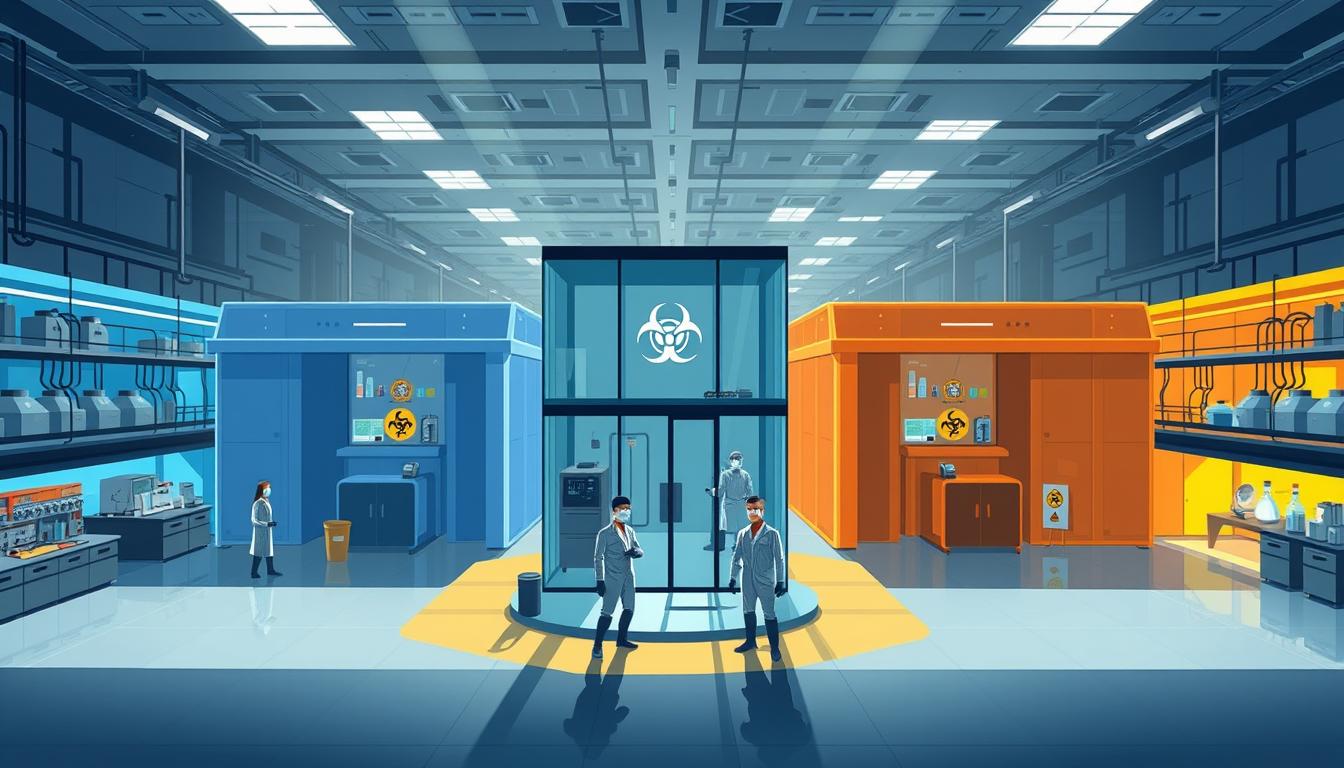
Ever thought about what keeps scientists safe from deadly germs in labs? Knowing about biosafety levels is key to protecting them and stopping biological dangers.
Lab safety is complex and well-organized. When looking into biosafety levels, researchers find a detailed system. It helps manage risks from different germs.
There are four biosafety levels in labs. Each one gets more advanced in handling biological risks. Levels go from BSL-1 for low-risk microbes to BSL-4 for the most dangerous pathogens.
Key Takeaways
- Four distinct biosafety levels exist in scientific research
- Each level provides increasingly stringent safety protocols
- Biosafety levels protect researchers from potential biological risks
- The classification system ranges from BSL-1 to BSL-4
- Safety measures escalate with the potential danger of microorganisms
Understanding Biosafety Levels
Scientific research with biological materials needs strict safety rules. These rules protect those working in labs and the environment from health dangers. This is because of infectious agents.
Biosafety levels are key to keeping labs safe. They range from simple to very complex, each for different risks.
Defining Biosafety Levels
Biosafety levels are set based on important factors:
- Infectivity of the biological agent
- Potential severity of disease transmission
- Transmissibility of the organism
- Specific nature of research activities
Importance in Laboratory Settings
“Safety in biological research is not an option, but an absolute necessity.” – Scientific Safety Commission
Using biosafety levels right is key. It helps by:
- Stopping accidental exposure to pathogens
- Controlling disease spread
- Setting up clear safety rules
- Keeping researchers and communities safe
Knowing about these levels helps labs create the right safety plans. They choose the right gear and reduce biological risks well.
| Biosafety Level | Risk Category | Protection Strategy |
|---|---|---|
| BSL-1 | Minimal Risk | Standard Microbiological Practices |
| BSL-2 | Moderate Risk | Additional Containment Measures |
| BSL-3 | High Risk | Specialized Controlled Environments |
| BSL-4 | Maximum Risk | Highest Level of Containment |
Good biosafety measures are vital for keeping science safe and protecting public health.
Overview of the Biosafety Levels
It’s key to know about biosafety risk groups and protocols for safe research. The Centers for Disease Control and Prevention (CDC) has set up a system of four biosafety levels. These levels offer strong protection against biological dangers.
These levels follow a step-by-step approach to handle biological risks. Each level has stricter containment and safety steps.
Categorizing Biological Risks
How we group biosafety risks is based on several important factors:
- How easily a pathogen can spread
- The severity of possible infections
- If treatments are available
- The risk to the environment
Risk Assessment Framework
Assessing biosafety risks involves a detailed look at:
- The pathogen’s characteristics
- How it can be spread
- The chance of getting infected
- The possible health effects
Each biosafety level gets more complex, showing the growing risk of biological threats.
Biosafety Level Classification
The four biosafety levels help manage the safety of biological research:
- BSL-1: Lowest risk, minimal containment
- BSL-2: Moderate risk, enhanced precautions
- BSL-3: Significant risk, advanced containment
- BSL-4: Highest risk, maximum containment
Researchers must carefully pick the right biosafety level for each agent. This protects people and prevents environmental harm.
Biosafety Level 1 (BSL-1)
Biosafety Level 1 (BSL-1) is the simplest safety level in labs. It’s for working with microorganisms that are well-known and don’t pose a big risk. This level is for basic safety in labs.
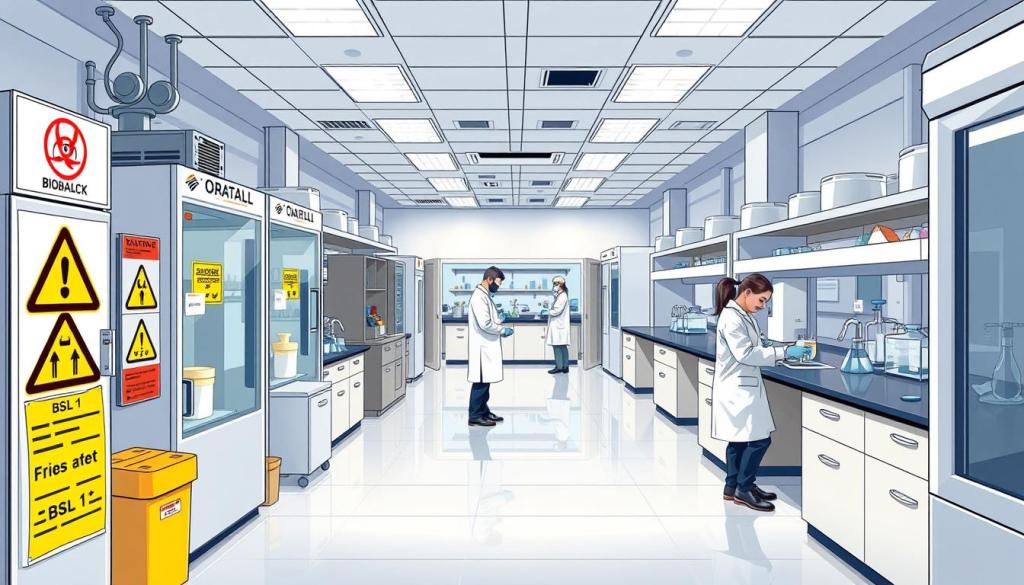
BSL-1 labs follow strict safety rules for handling low-risk biological agents. These places are often in schools and research labs. They need simple safety steps for microbiology work.
Characteristics of BSL-1 Laboratories
BSL-1 labs have a few key features:
- Open bench tops for experiments
- Standard microbiology practices
- Little need for protective gear
- No special barriers needed
- Basic hand-washing areas
Common Organisms in BSL-1 Settings
In BSL-1 labs, researchers work with safe microorganisms. Biosafety regulations allow for certain low-risk agents. These include:
- Bacillus subtilis
- Naegleria gruberi
- Safe bacterial strains
- Specific viral cultures that aren’t harmful
Even though BSL-1 is the lowest level, labs must follow strict safety rules. They need to clean work areas daily, manage waste well, and follow biosafety guidelines. This keeps the lab safe for everyone.
Biosafety Level 2 (BSL-2)
Biosafety Level 2 (BSL-2) is a key level in lab safety. It deals with moderate-risk biological agents. These labs have extra safety steps to protect workers and allow important research.
Key Characteristics of BSL-2 Laboratories
BSL-2 labs follow strict safety rules. They need special gear and controlled areas. Workers get detailed biosafety training to stay safe.
- Restricted access to work areas
- Mandatory personal protective equipment
- Biological safety cabinets for high-risk procedures
- Specific decontamination protocols
Organisms Handled in BSL-2 Environments
These labs handle moderate-risk biological agents. They need careful management and special handling.
| Organism Category | Examples | Risk Level |
|---|---|---|
| Viral Agents | Hepatitis B, HIV | Moderate |
| Bacterial Agents | Salmonella, Staphylococcus | Moderate |
| Parasitic Agents | Toxoplasma | Low to Moderate |
“Proper biosafety training is the cornerstone of safe laboratory operations at BSL-2 level.” – Biosafety Research Institute
Researchers must follow strict rules. This includes daily decontamination, careful use of sharps, and good hygiene. These steps help avoid accidents with biological agents.
Biosafety Level 3 (BSL-3)
Biosafety Level 3 is a key level in understanding biosafety. These labs handle dangerous pathogens that can cause serious respiratory infections.
Unique Characteristics of BSL-3 Laboratories
BSL-3 labs are built with top biosafety measures. They protect researchers and the environment. Key features include:
- Controlled air flow systems with single-pass exhaust
- Negative air pressure environments
- Sealed entry points with decontamination zones
- Restricted access for authorized personnel only
Critical Organisms Managed in BSL-3
Researchers in these labs work with dangerous pathogens. These include:
- Mycobacterium tuberculosis
- West Nile virus
- St. Louis encephalitis virus
- Coxiella burnetii
Advanced Safety Protocols
Staff in BSL-3 labs must follow strict safety rules. This includes:
- Mandatory personal protective equipment (PPE)
- Specialized respirators
- Comprehensive medical surveillance programs
- Regular training and competency assessments
Approximately 80% of laboratory infections are linked to infectious aerosol exposures, highlighting the critical nature of BSL-3 safety protocols.
Biosafety Level 4 (BSL-4)
Biosafety containment levels reach their highest at Biosafety Level 4 (BSL-4). This level offers the most extreme protection against dangerous pathogens. These special labs are made to handle the world’s deadliest and rarest infectious agents.
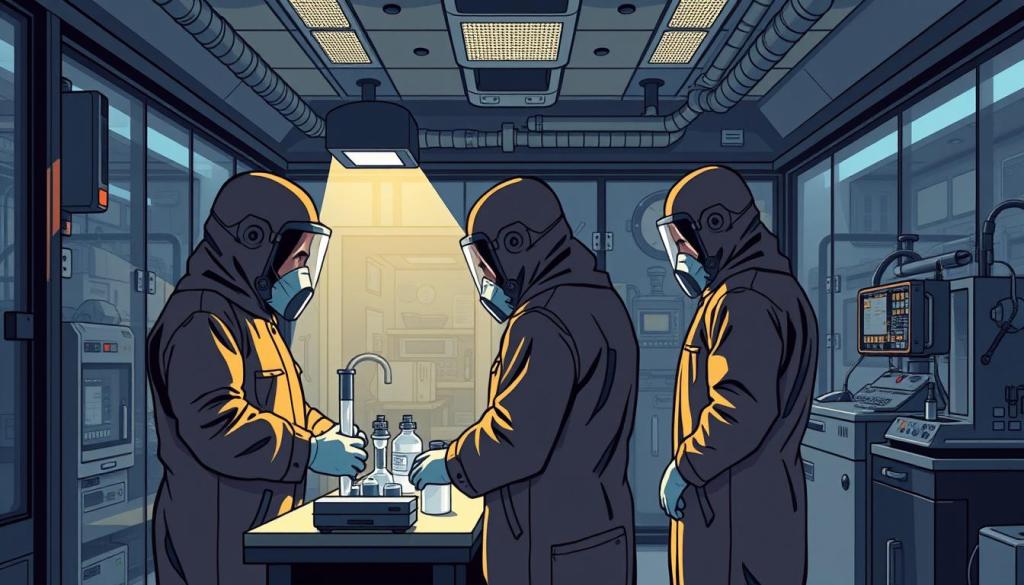
By May 2021, only 42 BSL-4 facilities were found worldwide. This shows how rare and vital they are for scientific research. These labs are key in fighting against humanity’s most dangerous biological threats.
Characteristics of BSL-4 Laboratories
BSL-4 labs have unique safety features that make them stand out:
- They are in completely isolated buildings with special air systems.
- People working there must wear full, enclosed suits.
- They follow strict decontamination rules for all materials.
- They have many safety systems to prevent accidents.
- Access is very controlled with several security checks.
Dangerous Pathogens Managed at BSL-4
Scientists in these labs deal with extremely dangerous agents like Ebola and Marburg viruses. No treatments exist for many of these pathogens. This makes keeping them contained very important for protecting global health.
In the United States, only four BSL-4 labs are working. They are located to study and contain potential pandemic threats. These labs are humanity’s strongest defense against biological challenges.
Compliance and Regulatory Standards
Biosafety rules are key to keeping labs safe. They protect researchers and the public. Labs must follow strict guidelines set by many agencies.
Key Agencies Overseeing Biosafety Regulations
Many important groups help make and enforce biosafety rules:
- Centers for Disease Control and Prevention (CDC)
- National Institutes of Health (NIH)
- Occupational Safety and Health Administration (OSHA)
- World Health Organization (WHO)
Laboratory Compliance Policies
Good biosafety rules need strong compliance plans. Labs must follow strict rules to meet these standards.
| Compliance Requirement | Key Details |
|---|---|
| Institutional Biosafety Committee | Mandatory for approving research involving infectious materials |
| Personnel Training | Annual mandatory training for staff handling potentially infectious agents |
| Background Checks | Required for accessing select agents and high-risk research areas |
“Compliance is not just about following rules, but protecting human lives and scientific integrity.” – Biosafety Research Expert
Labs need to keep detailed records and control access tightly. They must also educate staff regularly. Not following biosafety rules can lead to serious health and legal issues.
Breaking the rules can cause disease spread, legal trouble, and harm to research. Labs must always check their safety measures and improve them. This keeps everyone safe and research credible.
Best Practices for Each Biosafety Level
Protecting researchers and preventing biological hazards is key. Each biosafety level needs its own safety plan. These plans get more complex and strict as the level increases.
Biosafety training is the base of safe lab work. Researchers must know the specific needs and risks of their lab.
General Safety Protocols
Keeping a lab safe is crucial. Important general safety steps include:
- Mandatory personal protective equipment (PPE)
- Strict hand hygiene practices
- Proper waste disposal procedures
- Regular equipment decontamination
- Continuous risk assessment
Level-Specific Safety Procedures
Each biosafety level has its own safety rules for handling biological materials:
- BSL-1: Minimal risk, basic safety precautions
- BSL-2: Moderate risk, enhanced protective measures
- BSL-3: High-risk agents, stringent containment
- BSL-4: Highest risk, maximum isolation protocols
For biosafety protocols to work, education and training are vital. A safety-first culture is also essential for lab staff.
Conclusion: Importance of Biosafety Levels in Research
Knowing about biosafety levels is key in science and health. There are four main biosafety standards. They help manage risks in labs. This lets researchers work safely and learn more.
Biosafety levels offer a detailed way to handle risks. They range from simple steps in BSL-1 to strict BSL-4. These levels show a strong focus on keeping people safe and research honest. Each level has its own plan to reduce risks of spreading diseases.
Impact on Public Health and Safety
Biosafety rules are crucial for stopping disease outbreaks. They keep lab workers and everyone else safe. By using strict safety measures, scientists can study dangerous germs safely. This way, they can keep exploring without risking public health.
Future Trends in Biosafety Research
Biosafety research will get even better as new health threats appear. We might see better safety tools, better gear for protection, and smarter ways to assess risks. The constant improvement in biosafety shows science’s dedication to safety and discovery.
FAQ
What are biosafety levels and how many are there?
Biosafety levels, or BSLs, are classifications for working with biological agents. There are four main levels: BSL-1 to BSL-4. Each level has safety protocols and protective measures based on the risk of the organisms.
Why are biosafety levels important in laboratory settings?
Biosafety levels protect lab workers and prevent harmful biological agents from escaping. They ensure safety for researchers and the environment. These levels help manage risks from different biological materials.
What determines the biosafety level for a particular research project?
Several factors decide the biosafety level, like the organism’s pathogenicity and how it’s transmitted. The risk assessment looks at the severity of infections and the chance of exposure.
What are the key differences between BSL-1 and BSL-4 laboratories?
BSL-1 labs work with low-risk organisms and have minimal containment. BSL-4 labs handle the most dangerous pathogens. They need maximum containment and strict safety measures.
Who regulates biosafety standards?
Agencies like the CDC, WHO, and national health institutions regulate biosafety. They create and enforce safety guidelines for labs. This ensures safety standards are consistent everywhere.
What personal protective equipment is typically used in biosafety laboratories?
Lab coats, gloves, safety glasses, and respiratory protection are common. BSL-3 and BSL-4 labs use more advanced gear, like sealed suits and respiratory systems.
How often do biosafety protocols get updated?
Biosafety protocols are updated regularly. This reflects new science, emerging pathogens, and safety technology advances. Training and risk assessments keep safety standards up to date.
What types of organisms are typically studied in BSL-2 laboratories?
BSL-2 labs study moderate-risk organisms. Examples include Staphylococcus aureus and hepatitis B. These pathogens can cause infections and are spread through contact or air.
How are biological materials safely disposed of in high-level biosafety laboratories?
Biological waste is decontaminated through autoclaving, chemical disinfection, or incineration. Each level has specific disposal protocols to prevent environmental contamination.
What training is required for working in high-level biosafety laboratories?
BSL-3 and BSL-4 lab workers need extensive training. This includes safety protocols, emergency procedures, and protective equipment use. They also learn about pathogen characteristics and must be certified and recertified regularly.




Leave a Comment
Your email address will not be published. Required fields are marked *