


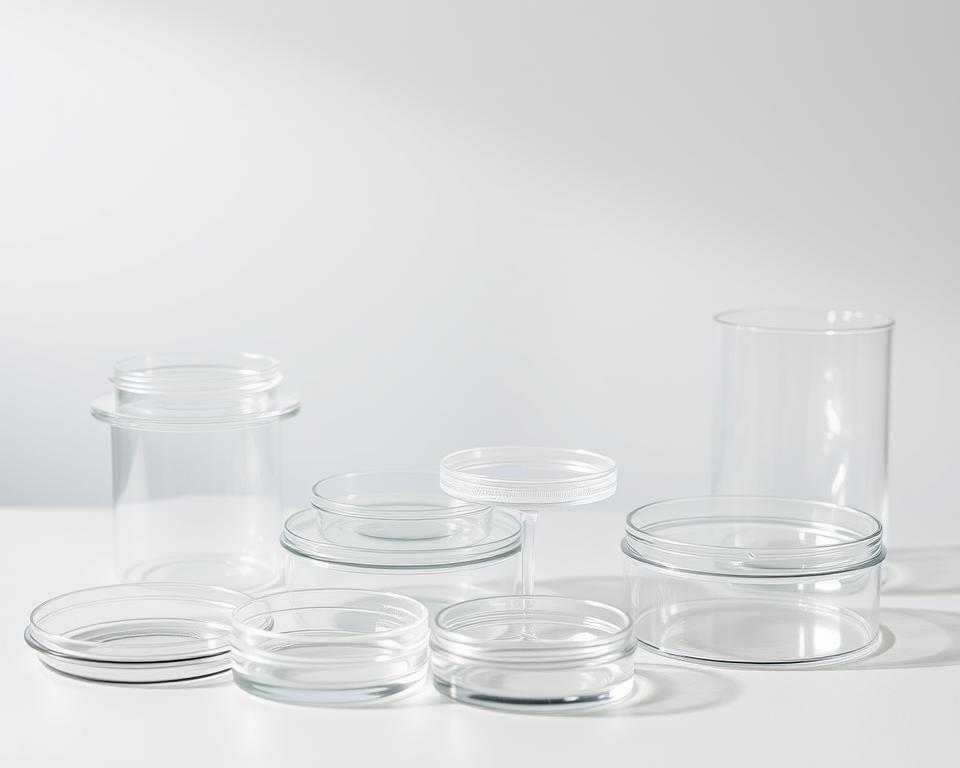
Choosing the right size for a cell culture dish is key for many cell culture tasks. It’s crucial for getting the best results and keeping cells healthy. You need to think about how many cells you have, how long they’ll grow, and what nutrients they need.
Knowing how size affects cell culture is vital for scientists and lab workers. Different tasks need different sizes and types of dishes, like tissue culture dishes. These dishes are important for your cell culture setup.
Key Takeaways
- Choosing the right-sized cell culture dish enhances cell growth.
- Optimal size selection preserves cell viability and experimental integrity.
- Consider the number of cells and growth duration when selecting dish size.
- Diverse applications require different dish materials and dimensions.
- Understanding cell density impacts successful culture outcomes.
- Proper selection of tissue culture dishes can streamline research efforts.
Understanding Cell Culture Dishes
Cell culture dishes are key in biological research. They provide a controlled space for cell growth. Made from plastic or glass, they come in shapes like round and square. Choosing the right dish is vital for cell growth and experiment success.
What is a Cell Culture Dish?
A cell culture dish is a special space for growing cells. It lets researchers control conditions like temperature and sterility. Using these dishes well leads to better results in biotech and medicine.
Types of Cell Culture Dishes
There are many types of cell culture dishes:
- Petri dishes: Great for isolating colonies and basic culturing.
- Flasks: Good for growing and expanding cells, offering scalability.
- Multiwell plates: Ideal for adherent cell growth, used in screening.
Each dish has its own use. Choosing the right one is key for effective experiments. For more info, check out Microlit.
Importance of Size in Cell Culture Dishes
The size of a cell culture dish matters a lot. Smaller dishes are good for starting experiments or growing a few cells. Larger dishes can handle more cells and longer growth, needed for drug tests and cell growth studies.
Knowing the right size is important for good results and avoiding problems. Look at different sizes like 12, 24, and 96 well plates. For special needs, see Ucallm Labs.
Applications of Cell Culture Dishes
Cell culture dishes are key in science and industry. They support many cell types, like fibroblasts, epithelial cells, and stem cells. The right dish helps cells grow better.
Cell Types Commonly Cultured
Many cell types grow well in these dishes. This makes them useful for different uses. Some common cells are:
- Fibroblasts: Important for healing tissues, used in regenerative medicine.
- Epithelial cells: Help protect surfaces and are used in drug studies.
- Stem cells: Have great potential for treating diseases and therapies.
Specific Research and Industrial Applications
These dishes are used in many areas. They are vital in both research and industry. Here are some examples:
- Drug testing: They help check how well drugs work and if they are safe.
- Gene expression studies: Important for understanding how cells react to treatments.
- Biomanufacturing: Used to make biopharmaceuticals and other products.
- Toxicology research: Helps check if chemicals are safe.
Cell culture dishes are flexible for new research. Choosing the right dish is key for better cell health and accurate results.
Factors Influencing the Size Selection
Choosing the right size for your cell culture dish is key to success. The number of cells needed, how long they’ll grow, and their nutrient needs all matter. Knowing these factors helps ensure your cells grow well.
Number of Cells Required
The size of a cell culture dish affects how many cells it can hold. For instance, a 100 mm dish can fit about 2.2 million cells. But a 35 mm dish can only hold around 0.3 million cells. It’s important to know how many cells you need before picking a cell culture dish.
Growth Duration Considerations
The length of time cells grow also affects dish size. Larger dishes are needed for longer cultures to give cells room to grow and get the nutrients they need. On the other hand, shorter experiments might do well in smaller, cheaper dishes.
Nutrient Requirements
The amount of cell culture media needed changes with dish size. Bigger dishes need more media, which can be more expensive and affect cell health. Making sure the media fits your dish size is crucial for healthy cell growth and accurate results. For more on dish options, check out this link to see different cell culture dishes and their specs.
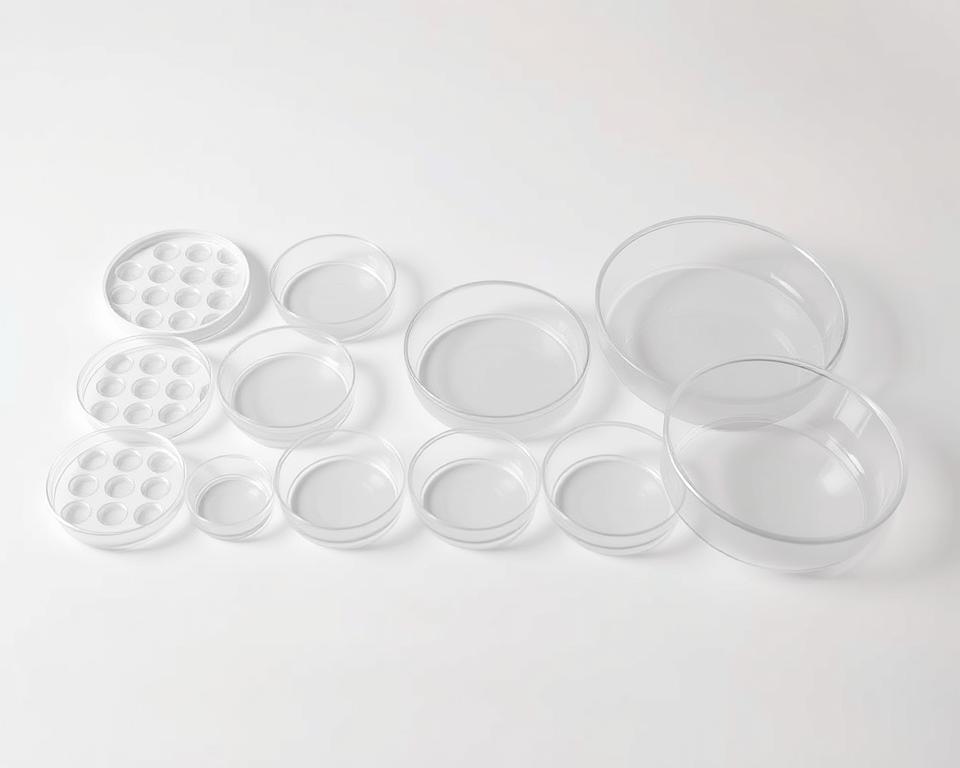
Comparison of Standard Cell Culture Dish Sizes
It’s key to know the differences in cell culture dish sizes for better experiments. The size you choose affects cell growth and the right equipment needed.
35 mm, 60 mm, 100 mm Dishes
Dishes of 35 mm, 60 mm, and 100 mm are used for different needs. Each size fits specific culture needs:
- 35 mm Dishes: Good for small cell numbers and simple tests.
- 60 mm Dishes: Offer a good space for growth, great for common tests.
- 100 mm Dishes: Best for big experiments needing more cells.
Multiwell Plates vs. Petri Dishes
Choosing between multiwell plates and Petri dishes has its benefits:
- Multiwell Plates: Have 24, 48, and 96 wells. They’re perfect for testing many things at once.
- Petri Dishes: Ideal for simple tests where space is not a big deal.
Choosing between plates or Petri dishes depends on your experiment’s goals and needs.
| Size | Diameter (mm) | Common Uses |
|---|---|---|
| 35 mm | 35 | Small assays, cell lines that require less nutrient volume |
| 60 mm | 60 | Moderate experiments, standard cell line growth |
| 100 mm | 100 | High-density cell cultures, long-term cultures |
Selecting the Right Material for Cell Culture Dishes
Choosing the right material for cell culture dishes is key to good results. Both plastic and glass dishes have their own benefits and drawbacks. They affect how cells grow and behave, and what you can do with them.
Plastic vs. Glass Dishes
Plastic dishes are popular because they’re light, affordable, and easy to use once. They’re great for quick experiments. But, they might not be as clear as glass dishes.
Glass dishes, on the other hand, are better for seeing cells clearly. They’re perfect for microscopy and imaging. Your choice depends on what your research needs.
Surface Treatments and Their Impact
Surface treatments help cells stick better, which is important for some cell types. They can be made of collagen or poly-D-lysine. These treatments make the dish surface more friendly to cells.
This is especially good for cells that are very sensitive. The right treatment on either plastic or glass can make cells grow better and work better.
In summary, both plastic and glass dishes have their own effects on cell culture. Thinking about surface treatments can make cells perform even better. For more on cell culture dishes, check out this resource.
Regulatory Considerations for Cell Culture Dishes
In scientific research and industrial use, knowing about regulatory compliance is key. This ensures cell culture dishes meet and go beyond industry standards. Checking the materials and making processes is vital for keeping cells safe and research results accurate.
Compliance with Industry Standards
Following industry standards is crucial when picking cell culture dishes. Certifications like USP Class VI testing show materials are safe for use. These standards help avoid problems with low-quality products that can mess up research results.
Impact of Material on Cell Health
The type of material in cell culture dishes affects cell health. Bad materials can harm cells and mess up research findings. Choosing top-notch materials means dishes last longer and follow strict rules. It’s important to pick dishes that help cells thrive and meet tough standards.
Common Mistakes in Choosing Cell Culture Dishes
In scientific research, picking the right cell culture dish is key. Mistakes in cell culture can ruin results, especially about cell density and sterility. Knowing these mistakes helps improve research outcomes.
Ignoring Cell Density Needs
Researchers often forget about cell density needs. Using a too-large dish wastes growth potential. An overcrowded dish harms cell health. Getting cell density right is vital for studying cell behavior.
Overlooking Sterility and Contamination Issues
Ignoring sterility risks cell culture projects. Using a sterile dish is crucial to prevent contamination. Contamination can ruin many experiments, leading to bad data. Strict sterility rules are essential for reliable results.
User Insights: Lessons from Researchers
User insights from laboratory professionals show us key lessons in picking the right cell culture dishes. They stress the importance of understanding how dish size affects their work. They share how matching dish sizes with their research goals is crucial.
Interviews with Laboratory Professionals
Lab professionals share their experiences in choosing dishes. They say that the right dish is key to their success. The wrong dish can slow down cell growth and mess up results.
They all agree: picking the right dish is essential for good and reliable results.
Case Studies on Size Selection Impact
Researchers share case studies on the benefits of choosing the right dish size. For example, in drug testing, the right size dish helps cells work better. In tissue engineering, the size of the dish affects how cells grow and look.
These examples show why choosing the right dish size is important. It helps make research more efficient and accurate.
Future Trends in Cell Culture Dish Design
The world of cell culture dish design is about to change a lot. New materials are coming that will make dishes better in many ways. They will be more stable, let things pass through, and work well with different cells and uses.
These new materials will make cell culture dishes more useful and effective. They will meet the needs of today’s research better than ever before.
Innovations in Material Science
New materials are being made that are good for cells. They help cells grow and stay healthy. These materials are also getting lighter but stronger, so they can handle lab conditions well.
This change in materials means researchers can get better results. They can work safer and more reliably too.
Potential for Smart Culture Systems
There’s also a chance for smart culture systems in labs. These systems have sensors that watch things like pH, temperature, and nutrients all the time. This makes experiments easier and lets scientists adjust things quickly.
The future of cell culture looks bright. It will be more precise and efficient. This will help scientists make new discoveries.
FAQ
What is a cell culture dish?
A cell culture dish is a container for growing cells in labs. They come in materials like plastic and glass. Shapes include round, square, and rectangular.
What types of cell culture dishes are commonly used?
You’ll find Petri dishes, flasks, and multiwell plates in labs. Each is made for different cell types and uses.
Why is the size of the cell culture dish important?
Dish size affects how cells grow and attach. It also impacts the amount of media needed. Choosing the right size is key for healthy cell growth.
What are some common applications for cell culture dishes?
These dishes are used in drug testing and gene studies. They’re also used in biomanufacturing and product development in the pharmaceutical field.
How do I determine the number of cells required for my experiment?
The number of cells needed depends on the dish’s size. For example, a 100 mm dish can hold about 2.2 million cells. A 35 mm dish can hold around 0.3 million cells.
What is the significance of growth duration in selecting a dish size?
Longer cultures need bigger dishes for more nutrients. Shorter experiments can use smaller dishes, affecting cell growth and viability.
What role do nutrient requirements play in dish selection?
Nutrient needs affect the media amount. Larger dishes need more media, which can change cell growth conditions and costs.
Leo Bios
Hello, I’m Leo Bios. As an assistant lecturer, I teach cellular and molecular biology to undergraduates at a regional US Midwest university. I started as a research tech in a biotech startup over a decade ago, working on molecular diagnostic tools. This practical experience fuels my teaching and writing, keeping me engaged in biology’s evolution.
Can you compare standard cell culture dish sizes?
Standard sizes are 35 mm, 60 mm, and 100 mm. They suit different cell types and needs. Multiwell plates are for many samples at once, while big Petri dishes are for complex cultures.
What are the differences between plastic and glass cell culture dishes?
Plastic dishes are light, cheap, and often used once. Glass dishes are better for seeing cells under a microscope because they’re clear and stable.
How do surface treatments impact cell culture dishes?
Treatments like collagen help cells stick better. This is especially helpful for delicate cells, improving experiment results.
Why is regulatory compliance important for cell culture dishes?
Following rules ensures dishes are safe and of good quality. This is vital for keeping cells healthy and experiments reliable.
What common mistakes should I avoid when choosing cell culture dishes?
Don’t ignore how many cells you need or forget about keeping things clean. Overcrowding or contamination can ruin your work.
What future trends are expected in cell culture dish design?
New materials and smart systems that watch and adjust to cell needs are coming. These will make research better and more efficient.




Leave a Comment
Your email address will not be published. Required fields are marked *