


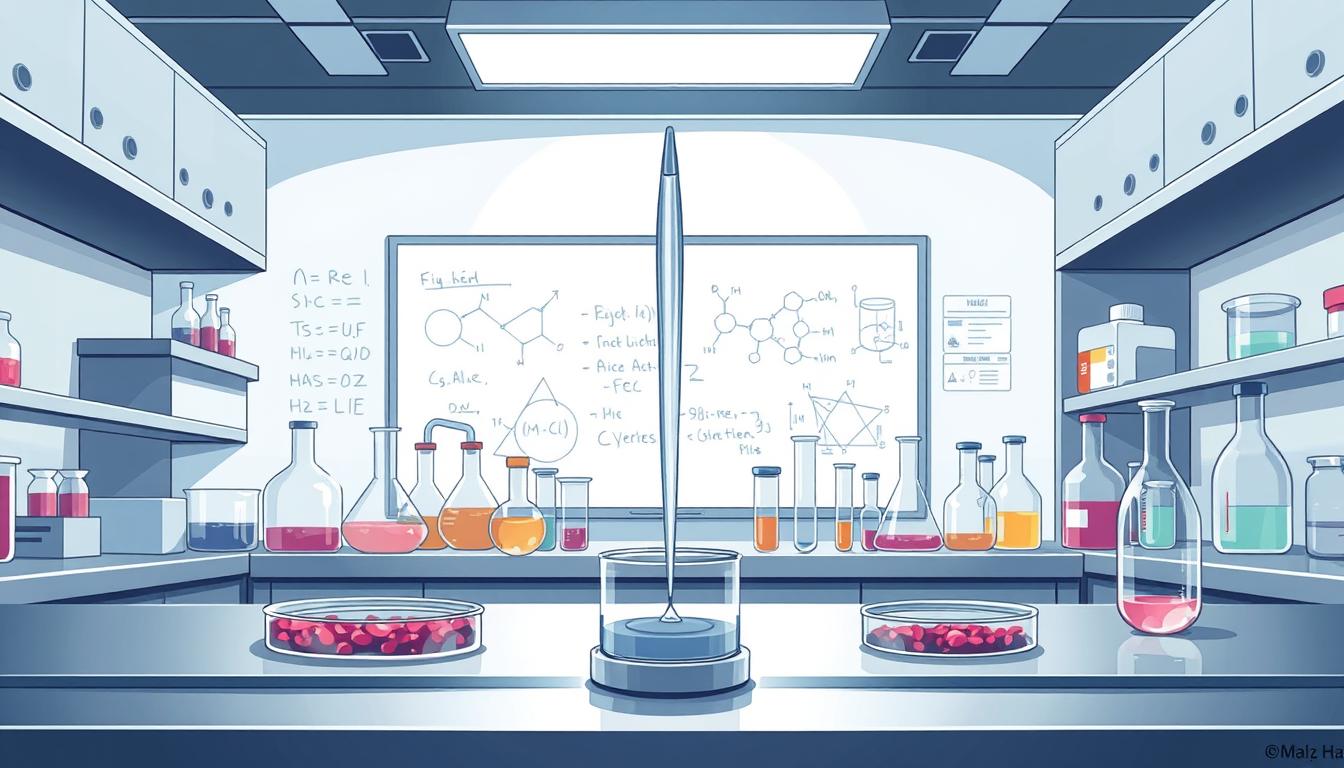
Are you ready to master the art of precision liquid transfer in scientific research? Learning how to use a serological pipette can make your lab work better.
In scientific research, the serological pipette is key for accurate liquid measurement. It helps researchers transfer volumes from less than 1 milliliter to 50 milliliters with great accuracy.
To master pipetting, you need to know how the pipette works. Scientists use these tools for tasks like cell culture, making reagents, and chemical analysis.
Key Takeaways
- Serological pipettes enable precise liquid volume transfers in scientific research
- Accurate pipetting techniques are essential for experimental reliability
- Different pipette sizes accommodate various volume requirements
- Proper handling minimizes contamination risks
- Regular calibration ensures consistent performance
Introduction to Serological Pipettes
Scientific labs need precise tools for accurate experiments. Serological pipettes are key for transferring liquids with great precision. They are used in many scientific fields.
These tools are made for precise work in labs. Serological pipettes have long tubes with markings for measuring liquids. This helps scientists to transfer the right amounts with consistency.
Definition and Core Characteristics
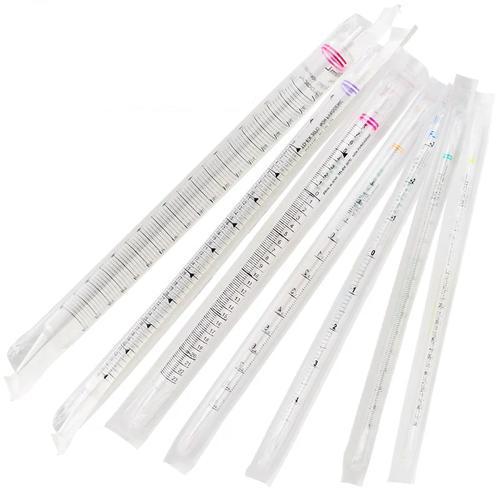
A serological pipette is a clear tube made of polystyrene or glass. It has precise volume markings. Its main features are:
- Volume range from 1 mL to 50 mL
- Color-coded markings for easy identification
- Graduated measurements for precise volume control
- Available in sterile and non-sterile configurations
Primary Laboratory Applications
Serological pipettes are vital in many areas of science. They are used in:
- Microbiology research
- Cell culture investigations
- Biochemical testing
- Clinical diagnostics
- Chemical analysis
Performance Specifications
| Pipette Size | Color Code | Tip Diameter | Graduation Precision |
|---|---|---|---|
| 1 mL | Yellow | 1.67 mm | 0.01 mL |
| 2 mL | Green | 1.63 mm | 0.01 mL |
| 5 mL | Blue | 1.57 mm | 0.1 mL |
| 10 mL | Red | 1.57 mm | 0.1 mL |
Knowing how serological pipettes work is crucial for lab success. Researchers must pick the right pipettes and handle them well. This ensures reliable results in experiments.
Types of Serological Pipettes
Serological pipettes are key in labs, helping with precise liquid handling and sample prep. They’re used in many scientific fields. Each type has its own benefits for researchers and lab workers.
There are three main types of serological pipettes. Each has its own features and uses:
Standard Pipettes
Standard serological pipettes are very versatile. They’re made for many tasks. Key points include:
- They can be reused, saving money in the long run
- Made from high-quality glass
- Can be sterilized in autoclaves
- Great for precise liquid handling in labs
Disposable Pipettes
Disposable serological pipettes are great for sample prep. They offer big benefits:
- They come pre-sterilized, lowering contamination risks
- Made from lightweight polystyrene
- Cost-effective for labs that need a lot of them
- Help prevent cross-contamination
Graduated Pipettes
Graduated serological pipettes are perfect for measuring volumes. They have:
- Clear markings for precise volume measurements
- Can handle liquids from 1 mL to 50 mL
- Available in sizes like 1 mL, 2 mL, 5 mL, and 10 mL
- Essential for tasks like titration and adding small amounts
Knowing about these pipette types helps researchers pick the right one for their work. This ensures the best results and efficiency in lab work.
Essential Components of a Serological Pipette
Serological pipettes are key tools in biochemistry labs and biomedical research. They are made with precision and functionality in mind. Knowing their main parts helps with accurate liquid handling and successful experiments.

Pipette Barrel: The Structural Foundation
The pipette barrel is the main part, made from clear polystyrene or borosilicate glass. It lets researchers:
- See liquid volumes clearly
- Move liquids smoothly
- Keep liquids safe during transfers
Pipette Tip: Precision Point of Contact
The tip is where the pipette meets the liquid sample. In biochemistry labs, these tips are made to:
- Reduce contamination risks
- Dispense liquids precisely
- Fit tightly to prevent leaks
Calibration Marks: Ensuring Measurement Accuracy
Calibration marks are key for keeping experiments accurate. They help measure volumes precisely, which is vital in biomedical research.
| Pipette Size | Typical Volume Range | Accuracy Range |
|---|---|---|
| 1 mL | 0.1 – 1 mL | ±1.5% |
| 5 mL | 0.5 – 5 mL | ±1.2% |
| 10 mL | 1 – 10 mL | ±1% |
| 25 mL | 2.5 – 25 mL | ±0.8% |
| 50 mL | 5 – 50 mL | ±0.6% |
Understanding these key parts helps researchers improve their liquid handling. This leads to better precision in scientific studies.
Proper Handling Techniques
Precision pipetting is key in labs, needing focus and specific ways to handle tools. Learning the right way to use serological pipettes is vital. It helps in making accurate transfers and keeps experiments reliable.
Gripping the Pipette Correctly
Starting with the right grip is crucial for lab tools. Experts suggest these steps:
- Hold the pipette between thumb and forefinger
- Keep a firm but relaxed grip to avoid tired hands
- Always hold the pipette straight up for precise measurements
Preventing Contamination
Contamination can ruin research. To avoid this, follow strict cleanliness rules:
- Always handle pipettes above the gradation marks
- Use new, sterile tips for each sample
- Don’t touch the inside of the tip
“Contamination prevention is the cornerstone of reliable scientific research.” – Laboratory Safety Expert
Optimal Holding Angle
The angle of the pipette is very important for accuracy. Experts say to hold it at a 20-45 degree angle. This helps avoid air bubbles and ensures the right amount of liquid is transferred.
By using these techniques, scientists can make their work more reliable. This leads to better results in precision pipetting.
Techniques for Accurate Liquid Transfer
Mastering the use of a serological pipette is key. It involves understanding how to transfer liquids accurately. Lab experts use specific methods to get precise results.
Accurate liquid transfer is crucial in science. It helps avoid mistakes and ensures reliable data.
Aspiration Method
The aspiration method is essential for using a serological pipette. Here are the main steps:
- Hold the pipette vertically at a 45-degree angle
- Immerse the tip slightly below the liquid surface
- Draw liquid smoothly to prevent air bubble formation
- Ensure the liquid level is above the desired volume mark
Dispensing Method
Dispensing liquid needs a steady hand:
- Position the pipette tip against the container wall
- Release liquid slowly and consistently
- Allow complete liquid drainage
- Touch the tip to the container wall to remove remaining droplets
Reverse Pipetting Technique
The reverse pipetting technique is great for tricky liquids:
| Liquid Type | Recommended Technique |
|---|---|
| Viscous liquids | Reverse pipetting method |
| Volatile solutions | Reverse pipetting method |
| Protein-based samples | Careful volume measurement |
This method helps scientists get precise volume measurement. It reduces errors in experiments.
Preparing for Use
Getting ready is key in science, especially with serological pipettes. Lab workers must take certain steps to get liquids right and keep things clean.
Cleaning and Sterilization Process
Cleaning and sterilizing is a must for good pipetting. Serological pipettes need special care to avoid contamination and keep experiments true.
- Use sterile alcohol solutions for surface cleaning
- Implement autoclave sterilization for reusable glass pipettes
- Dispose of single-use plastic pipettes after one application
Calibration Verification
Checking pipettes often is vital for accurate measurements. Labs should have a plan to check pipette work.
| Calibration Frequency | Recommended Action |
|---|---|
| Every 3-6 months | Full precision and accuracy test |
| Before critical experiments | Detailed volume verification |
| After physical impact | Immediate recalibration |
Selecting Appropriate Pipette Size
Picking the right pipette size is crucial for handling liquids well. Different volumes need specific pipettes to meet science standards.
- Consider liquid volume (0.1 ml to 50 ml range)
- Match pipette capacity to experimental requirements
- Evaluate precision needs for each specific task
By sticking to these prep steps, scientists can improve their pipetting skills and get reliable results.
Tips for Optimal Performance
Getting great results in sample prep is all about mastering precision pipetting. Lab pros need to know what makes a pipette work well. This ensures they get accurate and consistent results every time.
Precision pipetting is all about paying attention to a few key things. These things can really affect how well your experiments turn out:
- Keeping your technique the same for every liquid transfer
- Knowing how different liquids affect your pipette
- Handling how temperature changes the volume of liquids
Maintaining Consistency in Sample Preparation
Having a consistent pipetting method is key to reliable lab work. It’s important to develop a routine that keeps things the same every time. This means:
- Using the same pipetting angle every time
- Moving your pipette in a steady, controlled way
- Checking your pipette’s calibration often
Navigating Liquid Viscosity Challenges
Viscosity can really mess with your pipetting. Thick or sticky liquids need special handling to get the right amount. You should adjust your method based on the liquid’s properties. Sometimes, using reverse pipetting is the best way to go.
Temperature Considerations in Pipetting
Temperature is super important for getting the right volume. Even small changes in temperature can affect how much liquid you get. Lab pros should:
- Make sure pipettes and samples are at room temperature
- Do measurements in the same conditions every time
- Use a controlled environment when you can
Precision is not an accident, but a result of careful preparation and consistent technique.
By using these strategies for precision pipetting, lab pros can make their sample prep more reliable and consistent.
Common Mistakes to Avoid
In biochemistry labs, precision is key. Serological pipettes need careful handling. Researchers often face challenges that can ruin their work. Knowing and avoiding these mistakes can make their research more reliable.
Good pipette handling means knowing common errors. These mistakes can mess up your research:
- Overfilling the pipette beyond recommended volume limits
- Neglecting regular calibration checks
- Improper sample discarding techniques
- Using incompatible pipette tips
Overfilling the Pipette: A Critical Error
Under-pipetting can cause big problems in labs. Studies show that wrong volume can lead to big errors. These errors can mess up important test results in many fields.
Inadequate Calibration Checks
Calibration is key to keeping pipettes accurate. Experts say to check every 6 to 12 months. This keeps errors under 1%. Skipping calibration can lead to big mistakes in your research.
Incorrect Sample Discarding Practices
Getting rid of samples right is vital to avoid contamination. Using the right techniques can cut down contamination by half. Always follow lab rules when dealing with samples.
Precision in pipette handling is not just a skill—it’s a scientific responsibility.
By knowing and fixing these mistakes, lab workers can do better research. They can keep their work at the highest scientific level.
Safety Practices When Using Serological Pipettes
Safety is very important in biomedical research and scientific tools. Researchers must take steps to protect themselves and the environment. This is especially true when using serological pipettes.

Personal Protective Equipment (PPE) Guidelines
Using the right PPE is key to staying safe in the lab. Important items include:
- Chemical-resistant gloves
- Lab coat or protective apron
- Safety goggles or face shield
- Closed-toe shoes
About 50% of pipette users report pain or numbness after long use. This shows why using the right equipment and following ergonomic guidelines is so important.
Proper Waste Disposal
Managing waste well is vital for a safe lab. Researchers should:
- Separate biological and chemical waste
- Use the right containers for each type of waste
- Follow the rules for hazardous waste
- Clean surfaces after use
Emergency Procedures
Being ready for emergencies is crucial. Labs need clear plans for:
- Chemical spills
- Accidental exposure
- Equipment problems
- How to handle personal injuries
Training regularly and knowing these plans can greatly lower risks in research labs.
Troubleshooting Issues
Laboratory professionals using a serological pipette face challenges that can affect accuracy. It’s important to know common problems and how to solve them. This keeps scientific research precise.
Common Problems and Solutions
Researchers often run into several issues with serological pipettes:
- Inconsistent liquid transfer: Check pipette calibration and ensure proper technique
- Difficulty in aspiration or dispensing: Inspect seals and check valve functionality
- Visible physical damage: Examine the pipette for cracks or wear
When to Replace the Pipette
Knowing when to replace a serological pipette is key for accurate liquid transfer. Replace it if:
- Significant measurement discrepancies persist after cleaning
- Physical damage compromises pipette integrity
- Calibration checks consistently fail
| Issue | Recommended Action |
|---|---|
| Leaking | Check and replace rubber seals |
| Inaccurate measurements | Recalibrate or replace pipette |
| Visible wear | Immediate replacement recommended |
Seeking Technical Support
When facing complex issues, professional technical support is crucial. Laboratory managers should:
- Document specific problems in detail
- Contact manufacturer support
- Provide serial number and specific observations
Regular maintenance and careful observation can prevent most problems. This ensures reliable liquid transfer in labs.
Conclusion and Best Practices
Mastering the pipetting technique is key for precise sample preparation in labs. Studies show that proper handling can cut contamination risks by up to 30%. It also boosts experimental reproducibility by about 25%.
Even small mistakes in liquid transfer can greatly affect research results. The success of lab work depends on continuous skill improvement and attention to detail. Labs can boost performance by 30% through regular training.
Understanding the subtleties of serological pipettes is crucial. It includes managing liquid viscosity and choosing the right equipment. This can improve measurement accuracy by up to 50%.
Safety and precision are vital in scientific research. Following best practices, like using protective gear and keeping equipment calibrated, is essential. It helps reduce errors and keeps samples safe.
By constantly improving pipetting skills, researchers can make more reliable and groundbreaking discoveries. This commitment to excellence is what drives scientific progress.
Recap of Key Points
Accurate pipetting is a skill that needs constant practice and attention. Regular calibration, choosing the right equipment, and careful handling are vital for successful sample preparation.
Encouraging Mastery of Techniques
Developing expertise in pipetting takes time and effort. Scientists should invest in continuous learning, attend workshops, and keep up with new lab technologies.
Continuous Learning and Improvement
The scientific world is always changing, and so should a researcher’s skills. By embracing a mindset of continuous improvement and curiosity about new methods, lab professionals can always improve their work and contribute to groundbreaking research.
FAQ
What is a serological pipette?
A serological pipette is a precise tool for moving liquids in labs. It’s used in fields like microbiology and biochemistry. It helps transfer liquids accurately and keeps things clean.
What are the main types of serological pipettes?
There are three main types: reusable, disposable, and graduated pipettes. Disposable ones are safer but reusable ones last longer.
How do I choose the right pipette size?
Choosing the right size depends on the liquid volume you need. Think about your experiment, the volume range, and the precision needed. Smaller volumes need smaller pipettes for accurate measurements.
What are the key safety practices when using serological pipettes?
Wear gloves and lab coats, dispose of waste properly, and keep your workspace clean. Use aseptic techniques to avoid contamination. Always handle pipettes carefully and follow lab safety rules.
How often should I calibrate my serological pipette?
Calibration frequency varies based on usage and manufacturer guidelines. Usually, pipettes need calibration every year or after 12 months of use. Calibrate immediately if damaged or showing inconsistent results.
What is the reverse pipetting technique?
The reverse pipetting technique helps with tricky liquids. It involves taking more liquid than needed and then dispensing the exact amount. This method reduces errors.
How can I prevent contamination when using serological pipettes?
To avoid contamination, use sterile tips and change them between samples. Work in a clean area and use aseptic techniques. Handle pipettes with gloved hands and store them properly.
What common mistakes should I avoid when pipetting?
Avoid overfilling, inconsistent technique, and not checking calibration. Also, be careful with temperature and viscosity changes. Always follow the manufacturer’s guidelines for best results.




Leave a Comment
Your email address will not be published. Required fields are marked *