



Selecting the right pipette tips is crucial for achieving accurate and reliable results in high-throughput PCR applications. We understand that the quality of pipette tips can significantly impact experimental outcomes and reproducibility. The demand for precision and reliability in high-throughput PCR applications makes it essential to choose micro pipette tips that are sterile and have low binding properties to prevent contamination and ensure accurate volume delivery.
When it comes to high-throughput PCR, the integrity of the sample is paramount. Contamination can lead to inaccurate results, making it critical to select pipette tips that are designed to minimize this risk. Eppendorf epT.I.P.S.384 and Thermo Scientific pipette tip systems are examples of products that are engineered to meet these needs, offering optimal wetting properties, high transparency, and certified purity grades.
Key Takeaways
- Understand the importance of sterile and low-binding pipette tips in high-throughput PCR.
- Recognize the role of pipette tip quality in preventing contamination and ensuring sample integrity.
- Learn how advanced technologies in modern pipette tips contribute to improved performance.
- Discover the benefits of using high-quality pipette tips for achieving consistent, error-free results.
- Explore the features to consider when selecting pipette tips for high-throughput PCR applications.
The Critical Role of Precision Pipetting in PCR Success
Achieving precise pipetting is fundamental to obtaining accurate and reproducible PCR results. Precision pipetting ensures that the correct volumes of reagents are dispensed, which is critical for the success of PCR experiments. We understand that the quality of pipette tips used can significantly impact the accuracy and reliability of pipetting.
How Pipette Tip Quality Affects PCR Accuracy and Reproducibility
The quality of pipette tips directly influences the accuracy and reproducibility of PCR results. High-quality tips ensure a precise fit with micropipettes, minimizing the risk of sample contamination and ensuring consistent volume delivery. We recommend using sterile, low-binding micro pipette tips to maximize sample recovery and prevent cross-contamination.
Common Errors in PCR Due to Improper Tip Selection
Improper tip selection can lead to several common errors in PCR, including cross-contamination between samples, volume inconsistency errors, sample loss due to excessive binding, inhibition of PCR reactions, and ergonomic issues leading to user fatigue. To avoid these issues, it’s essential to select micropipette tips with appropriate filter mechanisms and ensure they are compatible with your pipetting equipment. By choosing the right tips, you can significantly reduce the risk of PCR errors and improve experimental consistency.
Essential Features of Micro Pipette Tips for High-Throughput PCR
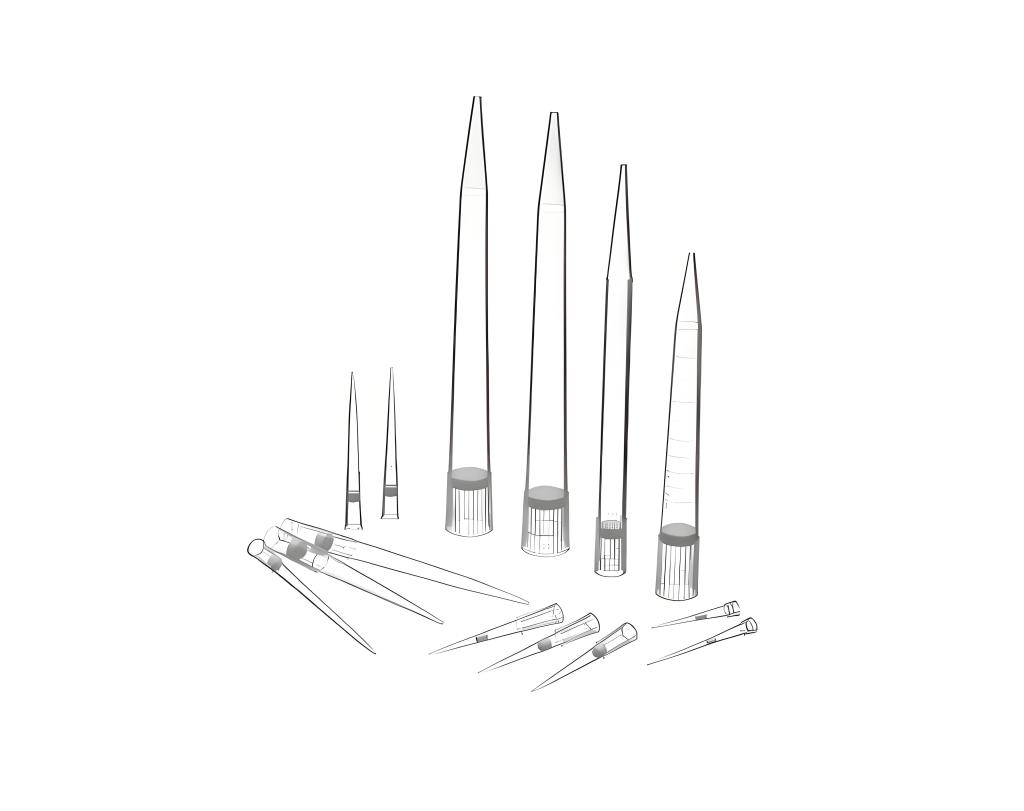
Sterile Pipette Tips
For researchers working with high-throughput PCR, the quality of micro pipette tips can significantly impact the success of their experiments. We understand that precise and reliable pipetting is crucial for achieving accurate results.
Sterility Grades and Certification for Contamination-Free Results
When it comes to PCR, sterility is paramount. We offer sterile micro pipette tips that are certified to be free from contaminants, ensuring that your results are not compromised by external factors. Our tips are designed to meet the highest sterility grades, providing you with the confidence that your pipetting process is contamination-free.
Low-Binding Properties: Maximizing Sample Recovery and Preventing Cross-Contamination
Our micro pipette tips are designed with low-binding properties to maximize sample recovery and prevent cross-contamination. This is particularly important in high-throughput PCR applications where sample loss or contamination can have significant consequences. By using our tips, you can ensure that your samples are handled with care and precision.
Precision Engineering for Consistent Volume Delivery
Precision engineering is critical in the design of micro pipette tips. Our tips feature consistent internal dimensions, uniform orifice size, and exact wall thickness to ensure accurate and reproducible volume delivery. This level of precision is essential for achieving reliable results in high-throughput PCR applications.
Key features of our micro pipette tips include:
- Precision-engineered tips for consistent volume delivery
- Tightly controlled manufacturing tolerance to maintain precision
- Optimal sealing zones for a secure tip fit
- Gradual tapers to minimize dead volume and ensure complete sample dispensing
- Dimensional stability across temperature ranges to preserve pipetting accuracy
By choosing the right micro pipette tips for your high-throughput PCR applications, you can ensure that your results are accurate, reliable, and reproducible. We are committed to providing you with the highest quality products and expertise to support your research needs.
Advanced Technologies in Modern Micro Pipette Tips for 384-Well Applications
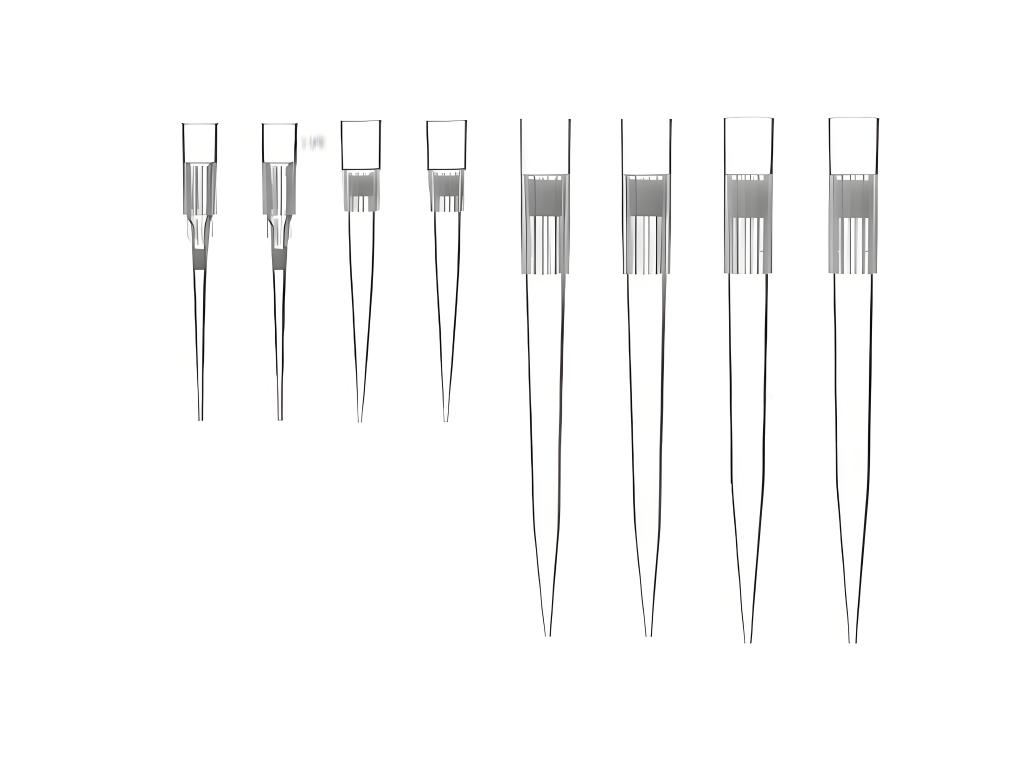
Low-Binding Micro Pipette Tips
Advanced technologies in micro pipette tips are revolutionizing high-throughput PCR workflows, particularly for 384-well applications. These innovations are designed to enhance the accuracy, efficiency, and ergonomics of pipetting.
SOFTattach Technology for Optimal Tip Fit and Reduced Attachment Forces
SOFTattach technology ensures a secure and gentle attachment of tips to pipettes, reducing the forces required for tip attachment and detachment. This technology is crucial for minimizing the risk of tip damage and ensuring consistent pipetting performance.
Spring-Loaded Tip Cones for Reliable Performance and User-to-User Reproducibility
Spring-loaded tip cones provide a reliable and consistent interface between the pipette and the tip, ensuring accurate and reproducible pipetting results. This feature is particularly important for high-throughput PCR applications where consistency is key.
SOFTeject Technology for Ergonomic High-Throughput Pipetting
SOFTeject technology represents a significant ergonomic advancement for high-throughput PCR workflows. By reducing tip ejection forces by up to 50% through sequential ejection, this technology dramatically reduces the risk of repetitive strain injuries during extensive pipetting sessions.
The benefits of these advanced technologies include improved laboratory efficiency, reduced physical strain, and enhanced research productivity. By incorporating these features into your pipetting workflow, you can maintain high levels of accuracy and consistency, even during prolonged pipetting sessions.
Selecting the Right Micro Pipette Tips for Your PCR Workflow
To ensure error-free high-throughput PCR, it’s essential to select micro pipette tips that meet your specific workflow requirements. When choosing micropipette tips, consider compatibility with your pipettes and the volume range required for your PCR protocol.
The purity grade of the tips is also crucial, with options ranging from standard clean to DNase/RNase-free, pyrogen-free, or sterile. Packaging options should be assessed based on your laboratory’s workflow, including bulk packages, refill systems, or pre-racked tips, while considering the environmental impact.
Ergonomic features such as reduced attachment/ejection forces and rack designs can minimize user fatigue during high-throughput applications. When evaluating pipette tips, compare the price per tip and consider hidden costs associated with inferior quality or poor fit.
Technical specifications, including manufacturing material (polypropylene), filter presence, and low-binding properties, should be reviewed. For high-throughput PCR, prioritize tips with features that enhance precision in 384-well formats. Consider specialty tips for specific applications and evaluate manufacturer support and information availability.
By carefully evaluating these factors, you can select the optimal micropipette tips for your PCR workflow, ensuring accurate and reliable results. Check the catalog information and technical specifications to make an informed decision.
References and further readings:
1.Harel, I., Valenzano, D. R., & Brunet, A. (2016).
Efficient genome engineering approaches for the short-lived African turquoise killifish.
Nature Protocols, 11(12), 2010–2028.
https://www.nature.com/articles/nprot.2016.1032.Quinlan, E. M. (2022).
A comparative evolutionary approach to enzyme characterization: AID and AID-like enzymes in early-evolved species.
Memorial University of Newfoundland, Thesis.
https://research.library.mun.ca/15513/1/thesis.pdf3.Hoi, K. H. (2014).
Global survey of the immunoglobulin repertoire using next generation sequencing technology.
University of Texas at Austin, Dissertation.
https://repositories.lib.utexas.edu/server/api/core/bitstreams/34cd6d0a-430d-4ea3-b025-ea243d837b40/content
FAQ
What are the key factors to consider when selecting pipette tips for high-throughput PCR applications?
When choosing pipette tips for PCR, consider factors such as sterility, low-binding properties, and precision engineering to ensure contamination-free and accurate results.
How do I verify the sterility of pipette tips?
Look for certification from recognized standards, such as ISO or FDA, and check the packaging for indicators of sterilization, such as gamma radiation or ethylene oxide treatment.
What is the benefit of using low-binding pipette tips in PCR?
Low-binding tips minimize sample loss and prevent cross-contamination by reducing the interaction between the sample and the tip surface, ensuring maximum sample recovery.
Can I use pipette tips with my existing pipette models?
Check the compatibility of the pipette tips with your pipette models by verifying the tip’s volume range and attachment mechanism to ensure a secure and precise fit.
How do I store pipette tips to maintain their quality and sterility?
Store pipette tips in a dry, clean environment, away from direct sunlight and contaminants, and follow the manufacturer’s guidelines for storage and handling.
What is the role of filter tips in preventing contamination during pipetting?
Filter tips contain a hydrophobic filter that prevents aerosols and liquids from entering the pipette, reducing the risk of contamination and ensuring the integrity of your samples.
How often should I replace my pipette tips?
Replace pipette tips after each use or when switching between different samples or applications to prevent cross-contamination and ensure accurate results.
Leo Bios
Hello, I’m Leo Bios. As an assistant lecturer, I teach cellular and
molecular biology to undergraduates at a regional US Midwest university. I started as a research tech in
a biotech startup over a decade ago, working on molecular diagnostic tools. This practical experience
fuels my teaching and writing, keeping me engaged in biology’s evolution.




Leave a Comment
Your email address will not be published. Required fields are marked *