



Ever curious about how scientists dive into the tiny world of bacteria? Inoculation tubes are key in microbiology labs. They help scientists study bacteria with great detail.
These tubes are special containers used in labs. They help grow and study bacteria. This is crucial for scientists to understand complex microbial environments.
Today’s tools have changed how scientists study bacteria. Inoculation tubes allow for detailed studies of microorganisms. This is thanks to their advanced design.
Key Takeaways
- Inoculation tubes are fundamental to bacterial research and cultivation
- These specialized containers enable precise microbiological studies
- Advanced design supports controlled bacterial culture environments
- Researchers depend on these tubes for accurate scientific investigations
- Microbiology equipment continues to evolve with technological advancements
Understanding Inoculation Tubes and Their Purpose
Inoculation tubes are key tools in microbiology and lab work. They help scientists grow bacteria in controlled settings. This makes it easier to study and understand bacteria.
These tubes are essential for many experiments. They help keep bacterial cultures in the right conditions. Since the 19th century, the design of inoculation tubes has changed a lot.
Defining Inoculation Tubes
An inoculation tube is a clean container for growing bacteria. It helps scientists create the right environment for microbiological media. This lets them:
- Isolate certain bacteria
- Watch how bacteria grow
- Do detailed studies on microbes
Varieties of Inoculation Tubes
There are many types of inoculation tubes for lab work. Each has its own features:
- Glass Tubes: Last long, good for long studies
- Plastic Tubes: Easy to use, great for quick tests
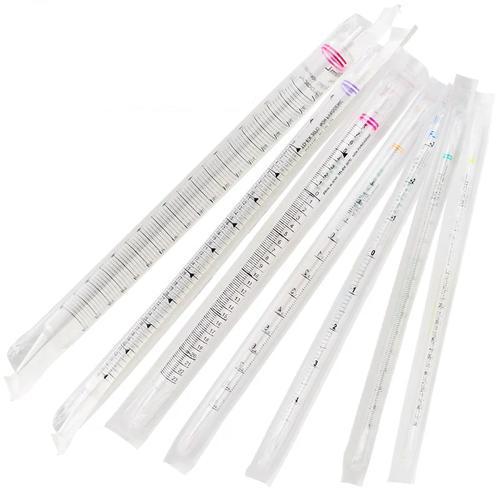
- Graduated Tubes: Help measure volumes accurately
Inoculation tubes come in sizes from 4mL to 36mL. This gives scientists the freedom to design their experiments. The right tube depends on the research and the media used.
Importance of Inoculation Tubes in Microbiology
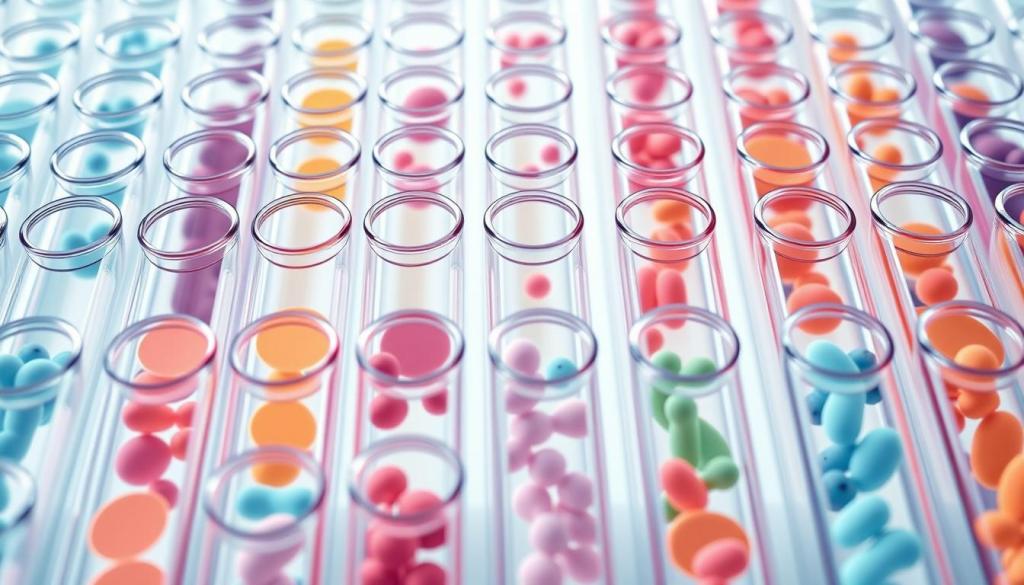
Inoculation tubes are key in microbiology research. They create a controlled space for growing bacteria. This is vital for scientists to study how bacteria behave and interact.
Role in Bacterial Cultivation
Inoculation tubes help bacteria grow well. They give the bacteria what they need to live, like:
- Water for hydration
- Various mineral salts
- Carbon sources for energy
- Nitrogen sources for protein synthesis
Different bacteria need different things to grow. For example, some bacteria need very little oxygen. Inoculation tubes help scientists make the right environment for these needs.
Impact on Experimental Accuracy
Using inoculation tubes correctly is crucial for reliable research. They help avoid contamination and ensure bacteria grow the same way every time. This leads to:
- Consistent bacterial growth patterns
- Reproducible experimental results
- Accurate characterization of microbial behavior
Precision in bacterial cultivation is fundamental to understanding microbial ecosystems and developing critical scientific insights.
Materials Used in Manufacturing Inoculation Tubes
Choosing the right materials is key for making top-notch laboratory supplies and microbiology gear. Inoculation tubes are vital in science, needing careful material selection for the best results.
Each material has its own benefits and drawbacks for inoculation tubes in labs. Scientists must weigh many factors when picking materials for their microbiology tools.
Common Materials for Inoculation Tubes
- Borosilicate Glass: Exceptional chemical resistance
- Polypropylene: Durable and stable at various temperatures
- Polystyrene: Light and affordable
Benefits of Material Selection
The material choice greatly affects lab results. Each material has unique benefits for microbiology research:
| Material | Key Advantages | Research Applications |
|---|---|---|
| Borosilicate Glass | High heat resistance | Long-term bacterial cultivation |
| Polypropylene | Chemical compatibility | Storage of sensitive cultures |
| Polystyrene | Lightweight design | Routine microbiological testing |
Selecting the right material is crucial for research integrity and precision.
Researchers must carefully pick materials for their microbiology tools. The correct material can improve experiment accuracy and lower contamination risks.
Best Practices for Using Inoculation Tubes
Microbiology equipment needs precision and careful handling. Inoculation tubes are key in keeping things sterile. They help keep experiments clean and prevent contamination.
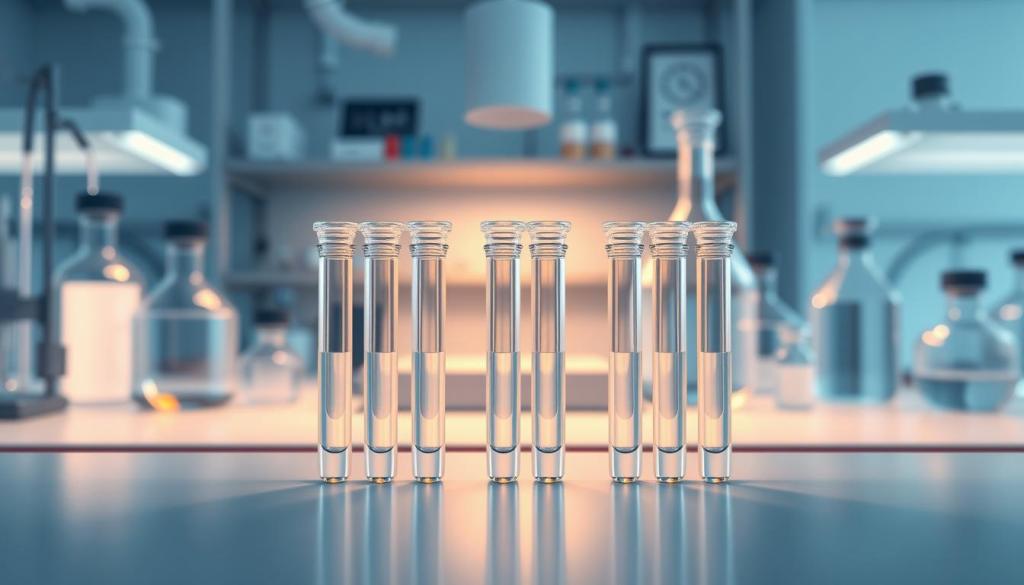
Lab work relies on following the right steps. Researchers must stick to certain rules. This ensures accurate results and keeps the lab safe.
Essential Sterilization Techniques
Sterilization is vital in microbiology. There are several ways to kill off germs:
- Autoclaving at 121°C for 15-20 minutes
- Chemical sterilization using 70% alcohol
- Flame sterilization with a Bunsen burner
- High-temperature dry heat sterilization
Proper Handling Procedures
When working with inoculation tubes, follow strict rules:
- Always wear the right protective gear
- Sterilize tools before and after use
- Work in a clean area
- Use aseptic technique for all transfers
| Sterilization Method | Temperature | Duration |
|---|---|---|
| Autoclave | 121°C | 15-20 minutes |
| Flame Sterilization | 600-800°C | 5-10 seconds |
| Chemical Sterilization | Room Temperature | 10-15 minutes |
By using these sterile methods, scientists can reduce contamination risks. This makes their research more reliable with the right equipment.
How Inoculation Tubes Facilitate Research
Inoculation tubes are key in microbiology, helping research in many fields. They let scientists study bacterial cultures with great detail and accuracy.
Scientists use inoculation tubes for detailed studies in different settings. These special containers are crucial for growing and studying microbes. They are vital in today’s scientific work.
Applications in Clinical Laboratories
In clinics, inoculation tubes have many important roles:
- Diagnosing infectious diseases
- Conducting antibiotic tests
- Isolating certain bacteria
- Doing genetic studies
These tubes help researchers study patient samples with high precision. This lets doctors create specific treatment plans for patients.
Contribution to Environmental Studies
Environmental microbiologists use inoculation tubes a lot. They help scientists:
- Study soil microbes
- Look at water microbes
- Explore how microbes interact
- Track environmental changes with microbes
Inoculation tubes are key for studying bacterial cultures. They help understand complex environmental systems.
Challenges in Using Inoculation Tubes
Researchers using inoculation tubes face big challenges. Keeping things sterile is key to avoid contamination. This ensures their results are reliable.
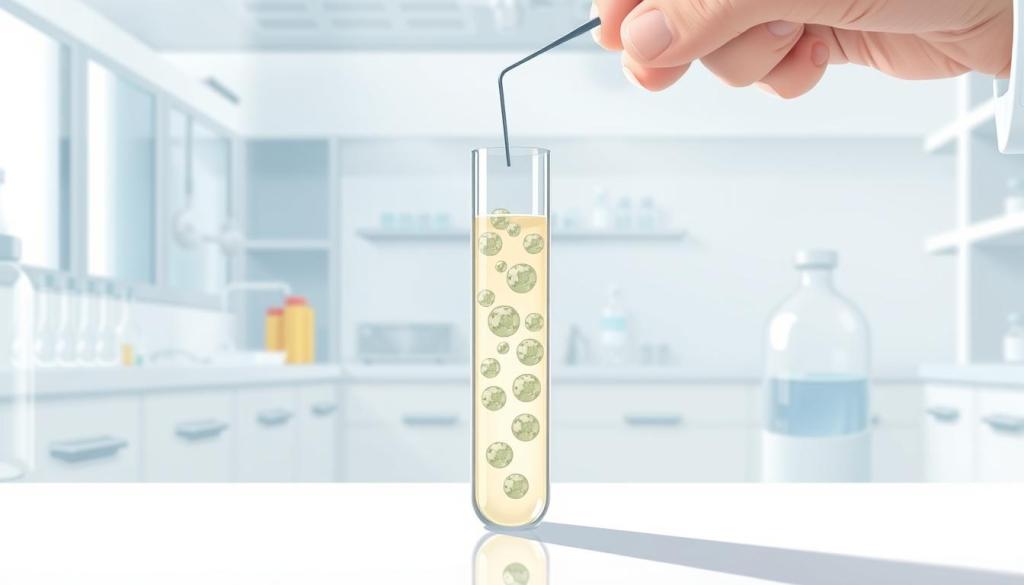
Contamination Risks in Laboratory Supplies
Bacterial contamination is a big problem in microbiology. Studies show:
- 90% of bacterial biomass can form aggregates within 6 hours of growth
- Improper inoculation methods increase contamination probability
- Different inoculation techniques produce varying aggregate formations
Critical Storage Limitations
Storing inoculation tubes right is very important. Temperature fluctuations and oxygen exposure can harm the cultures.
Storage challenges include:
- Maintaining consistent temperature ranges
- Preventing oxygen contamination
- Protecting cultures from external microbial interference
Precision in sterile techniques determines the success of microbiological experiments.
To overcome these challenges, lab professionals need to follow strict quality control. Proper sealing, regular checks, and strict sterile protocols help a lot. This reduces contamination risks in inoculation tube experiments.
Innovations in Inoculation Tube Design
The world of microbiology equipment is changing fast. New designs in inoculation tubes are making research better. These changes improve how scientists work in labs.
Scientists are working hard to make inoculation tubes better. They want to solve big problems in microbiology. The latest tubes use new materials and designs to help scientists work more accurately and efficiently.
Advancements in Materials Science
Today’s inoculation tubes are made with advanced materials. These materials offer:
- Enhanced chemical resistance
- Improved durability
- Reduced risk of contamination
- Better thermal stability
Enhanced Functionality Features
New features in microbiology equipment are exciting:
- Self-standing culture tubes for improved stability
- Precision-printed graduations for accurate measurements
- Improved cap systems preventing accidental contamination
- Ergonomic designs reducing handling errors
These updates show a big push to improve lab supplies. They help scientists do better and more reliable research.
Studies show that new tube designs can cut down on bacterial contamination by 30%. This shows how important it is to keep improving tools for microbiology research.
Safety Protocols Related to Inoculation Tubes
Microbiology labs need strict safety rules to keep researchers safe and experiments accurate. Working with inoculation tubes requires careful safety steps, especially with dangerous microorganisms.
The Center for Disease Control and Prevention (CDC) offers detailed safety guidelines for labs. It’s important for researchers to follow these rules to avoid risks in bacterial studies.
Personal Protective Equipment (PPE) Recommendations
Using the right personal protective equipment is key when working with lab supplies and biosafety cabinets. Here are some essential PPE items:
- Disposable lab coats with long sleeves
- Chemical-resistant gloves
- Safety goggles or face shields
- Closed-toe shoes
- Optional respirators for high-risk environments
Waste Disposal Guidelines
Good waste management is vital for a safe lab. Researchers should follow these important disposal steps:
- Sterilize contaminated materials using autoclave
- Use designated biohazard containers
- Disinfect surfaces with approved chemical agents
- Follow specific disposal guidelines for different biosafety levels
Keeping things clean is crucial to avoid contamination. Proper training and sticking to safety rules are key to protecting researchers and their work.
Evaluating the Performance of Inoculation Tubes
Researchers in microbiology use precise methods to check the quality of inoculation tubes. Choosing the right tube is key for keeping experiments accurate and reliable.
Key Performance Indicators
To evaluate inoculation tubes, several important factors need to be analyzed:
- Colony growth rate
- Contamination resistance
- Sterility maintenance
- Overall experimental reproducibility
Critical Assessment Metrics
Studies show key performance benchmarks for bacterial cultures in inoculation tubes:
| Performance Metric | Key Findings |
|---|---|
| Colony Recovery Rate | 10% improvement with automated methods |
| Microorganism Detection | 24% enhanced recovery compared to manual techniques |
| Sterility Consistency | 83% agreement between independent evaluations |
Evaluation Methodology
Researchers use advanced techniques to evaluate microbiology equipment:
- Growth curve analysis
- Sterility testing
- Quantitative colony counting
- Cross-contamination assessment
Precision in bacterial culture preparation begins with selecting high-performance inoculation tubes.
Advanced evaluation methods help researchers choose inoculation tubes that meet strict scientific standards. This supports major discoveries in microbiological research.
Future Trends in Inoculation Tube Applications
The world of microbiology equipment is changing fast. New technologies are changing how scientists work with bacterial cultures. We’re seeing big changes in how inoculation tubes are made and what they can do, thanks to new science and tech.
New areas like synthetic biology and studying microbiomes are leading to new uses for inoculation tubes. Scientists are looking at materials that fight off bacteria better and can sense things. These new tubes aim to track bacterial growth more accurately and cut down on contamination.
Automation is becoming a big deal in labs. New inoculation tubes are coming with smart systems that give updates on bacterial cultures in real time. They use tiny spectrophotometers to measure growth more precisely. This could make research faster and more reliable.
Digital tech is changing old ways of doing microbiology. Soon, inoculation tubes might use AI and machine learning to guess how bacteria will act. This could change how we study and understand microbes.
FAQ
What are inoculation tubes and why are they important in microbiology?
Inoculation tubes are special containers for growing bacteria in a controlled way. They are key in microbiology for studying bacteria. Scientists use them to learn about bacteria’s behavior and how they interact with their environment.
What materials are typically used to manufacture inoculation tubes?
Inoculation tubes are made from glass, polypropylene, or polystyrene. Each material has its own benefits, like being resistant to chemicals or durable. The choice depends on the research needs and the bacteria being studied.
How do researchers prevent contamination when using inoculation tubes?
To avoid contamination, researchers use biosafety cabinets and follow aseptic techniques. They wear protective gear and sterilize tubes. Keeping to strict protocols is crucial for accurate results.
What are the primary applications of inoculation tubes in scientific research?
Inoculation tubes are used in many areas. They help in diagnosing bacterial infections, testing antibiotics, and studying environmental microbes. They are also used in basic research on bacteria.
What recent innovations have improved inoculation tube design?
New designs include better materials and self-standing tubes. There are also improved caps and printed graduations. These changes make the tubes more accurate and efficient.
What safety precautions are necessary when handling inoculation tubes?
It’s important to wear gloves, lab coats, and eye protection. Work in biosafety cabinets and follow waste disposal rules. Getting proper safety training is also crucial.
How do researchers evaluate the performance of inoculation tubes?
Researchers check if tubes support consistent bacterial growth and resist contamination. They also look at durability and compatibility with lab equipment. Growth curve analysis and sterility tests help evaluate tube performance.
What future trends are emerging in inoculation tube technology?
New trends include automated systems and tubes with antimicrobial properties. There’s also a focus on sustainable labs and specialized designs for complex research. These advancements will help in microbiology studies.




Leave a Comment
Your email address will not be published. Required fields are marked *