



Ever thought about how scientists explore the tiny world of microbes safely and precisely? Bacterial culture tubes are key to this work. They help scientists study the smallest living things.
These tubes are vital for growing, studying, and analyzing microbes. They come in sizes from 4mL to 36mL, made of glass or plastic. They are essential for scientific discoveries.
Scientists use these tubes to create special environments for microbes. This lets them observe, test, and understand these tiny organisms. These tubes are crucial for both clinical work and research, helping us learn more about tiny life.
Key Takeaways
- Bacterial culture tubes are essential microbiology supplies
- Tubes come in various sizes and materials
- Critical for controlled microorganism research
- Used across multiple scientific disciplines
- Provide precise environments for microbial growth
Introduction to Bacterial Culture Tubes
Bacterial culture tubes are key tools in microbiology. They create special environments for growing and studying microorganisms. These tubes act as controlled habitats for researchers to observe and analyze bacterial growth.
Scientists use sterile culture vials to keep bacterial samples safe. These containers help researchers study microorganisms with great precision.
Definition and Purpose
Culture tubes are made to support bacterial growth. They provide what microorganisms need to survive. This includes:
- Nutritional media
- Controlled temperature environments
- Specific chemical compositions
Importance in Microbiology
These tubes are vital in many scientific fields. Researchers use them to:
- Identify bacterial species
- Study bacterial behavior
- Develop medical treatments
- Conduct genetic research
Overview of Common Uses
Bacterial culture tubes are essential in several scientific areas. They are used in:
| Field | Application |
|---|---|
| Medical Research | Diagnosing infectious diseases |
| Environmental Science | Studying microbial ecosystems |
| Pharmaceutical Development | Testing antibiotic effectiveness |
These test tubes for bacteria help scientists gain important insights. They allow us to understand microbial life and its interactions with our world.
Types of Bacterial Culture Tubes
Microorganism growth containers are key in science and labs. Different inoculation tubes have special uses. They help researchers grow and study bacteria well.
Labs use many types of bacterial culture tubes. These containers are made for different needs. They help in studying bacteria by giving them the best place to grow.
Standard Bacterial Culture Tubes
Standard inoculation tubes are the most used in labs. They have:
- Uniform cylindrical design
- Made from glass or plastic materials
- Standardized sizes for consistent experimental conditions
- Compatible with standard laboratory equipment
Specialized Culture Tubes
Specialized tubes have unique features for certain research. These include:
- Centrifuge-compatible tubes for separating bacterial components
- Anaerobic culture tubes with reduced oxygen environments
- Tubes with specific surface treatments for enhanced bacterial adhesion
- Temperature-resistant materials for extreme experimental conditions
Differences Between Types
The main differences in tubes are material, design, and use. Researchers pick tubes based on:
- Experimental protocol requirements
- Bacterial species being studied
- Growth conditions needed
- Anticipated analysis methods
Knowing the details of each tube helps scientists pick the right one. This ensures their research goals are met.
Materials Used in Bacterial Culture Tubes
Choosing the right materials for bacterial incubation vessels is key in microbiological research. Lab culture vessels need to meet strict standards for the best bacterial growth and accurate results.
Scientists use two main materials for bacterial culture tubes: glass and plastic. Each has its own benefits that affect research results.
Comparing Glass and Plastic Tubes
Glass bacterial culture vessels, especially borosilicate glass, have big advantages:
- High chemical resistance
- Excellent temperature tolerance
- Superior optical clarity
Plastic lab culture vessels, made from polypropylene and polystyrene, offer other benefits:
- Lightweight design
- Lower cost
- Reduced risk of breakage
Sterilization Considerations
Sterilization is vital for keeping bacterial incubation vessels clean. Different materials need specific sterilization methods to avoid contamination and ensure reliable results.
Material Selection Criteria
Researchers must think about several factors when choosing materials:
- What the experiment needs
- The characteristics of the bacterial strain
- The environment of the experiment
- The budget
The right material choice is crucial for the success of microbiological research and its outcomes.
The Process of Using Bacterial Culture Tubes
Microbe culture tubes are key in science and medicine. They help scientists study bacteria and understand how they work. Using these tubes needs careful steps and a detailed plan.
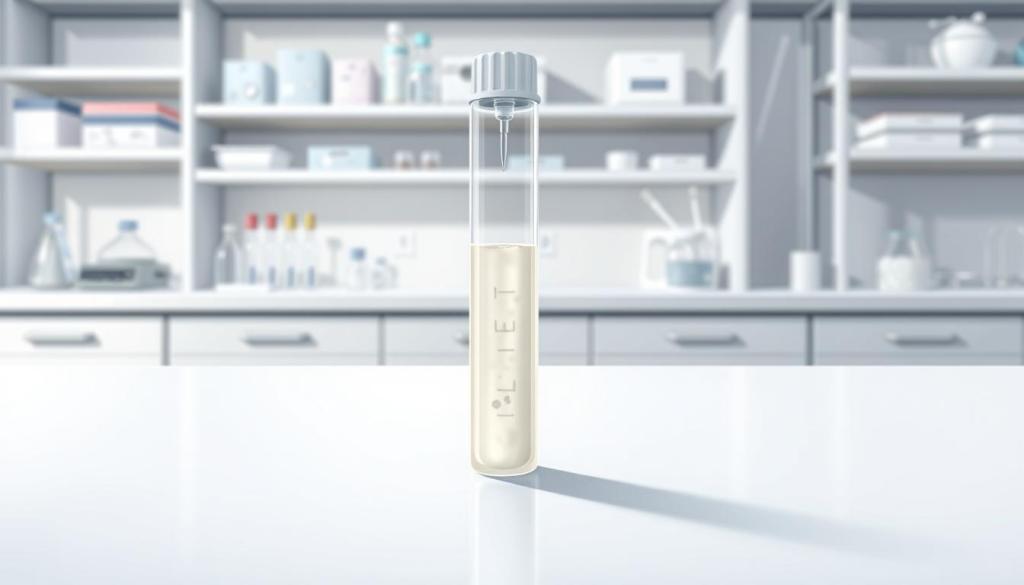
Getting bacteria to grow right is all about following important steps. These steps help get accurate and clean results. Scientists must stick to strict rules to keep their work safe and reliable.
Preparing Samples for Inoculation
Getting samples ready is a crucial first step. It’s important to avoid contamination:
- Sterilize all tools properly
- Use clean, sterile tubes
- Wear the right protective gear
- Work in a clean, controlled area
Techniques for Inoculation
Inoculation needs special skills to move bacteria safely. Important things to remember include:
- Picking the right tubes for bacteria
- Using sterile loops for inoculation
- Keeping everything clean and safe
- Transferring small amounts carefully
Incubation and Observation
The last step is to make sure bacteria can grow well. Scientists watch:
- Temperature control
- Oxygen levels
- How long they incubate
- How they grow
Watching closely helps scientists learn about bacteria. This makes microbe culture tubes very important in research.
Maintaining Laboratory Safety with Culture Tubes
Working with bacterial culture tubes needs strict safety rules. These rules protect lab workers and stop contamination. It’s important to handle microbiology supplies carefully and follow safety steps to keep research safe and protect people.
“Universal precautions dictate that all bacteria should be treated as potential pathogens” – Laboratory Safety Guidelines
Personal Protective Equipment Essentials
Wearing the right personal protective equipment (PPE) is key when working with bacterial culture tubes. Researchers should wear:
- Lab coats with long sleeves
- Disposable gloves
- Safety goggles or glasses
- Closed-toe shoes
Safety Protocols for Handling Cultures
Following strict safety rules is important when working with microbiology supplies. Important steps include:
- Disinfect work surfaces before and after use
- Use 70% ethanol or 10% bleach solutions for cleaning
- Minimize aerosol production during handling
- Practice proper hand hygiene
Waste Disposal Considerations
It’s very important to dispose of bacterial culture tubes correctly for safety. All contaminated materials need to be handled very carefully.
| Waste Type | Disposal Method | Safety Precaution |
|---|---|---|
| Contaminated Tubes | Autoclave | 30-40 minutes at 121°C |
| Liquid Cultures | Bleach Treatment | 1-2 hours in 10% solution |
| Sharp Objects | Biohazard Container | Immediate disposal |
Safety is the top priority when working with bacterial culture tubes. Always put on protective gear and follow lab guidelines.
Best Practices for Storing Bacterial Culture Tubes
Keeping test tubes for bacteria in good shape is key. It helps keep the microbes alive and healthy. Researchers need to think about several things to keep their samples safe.

Keeping bacterial cultures alive for a long time needs careful planning. It’s important to protect them from damage and contamination.
Optimal Temperature Management
Temperature is very important for keeping bacteria alive. There are different ways to store samples:
- Refrigeration (4°C): Keeps them alive for 4-6 weeks
- Standard Freezer (-20°C): Keeps them for 1-3 years
- Ultralow Freezer (-80°C): Can keep them for 1-10 years
- Cryogenic Storage (-140°C): Can keep them up to 15 years
Strategic Labeling and Documentation
Good documentation is crucial for managing test tubes. Researchers should use a detailed labeling system. It should include:
- Strain identification
- Date of collection
- Storage conditions
- Passage number
Long-term Storage Techniques
“Preservation is an art form in microbiology, where precision meets scientific innovation.”
There are advanced ways to keep sterile culture vials safe. These include:
- Cryopreservation using 10-15% glycerol
- Freeze-drying techniques
- Stab culture methods
It’s important to avoid freezing and thawing samples too many times. This can harm the bacteria. Careful handling and smart storage are essential for keeping microbial collections safe.
Troubleshooting Common Issues
Working with microorganism growth containers needs precision and careful attention. Researchers often face challenges with inoculation tubes that can affect their results.
Understanding and solving problems is key to successful bacterial culture management. This is crucial during the research process.
Contamination Problems
Bacterial contamination is a big challenge in labs. To prevent it, researchers should:
- Follow strict aseptic techniques
- Use sterile inoculation tubes
- Clean thoroughly
- Wear proper protective gear
Unexpected Growth Patterns
Researchers need to analyze unusual growth in microorganism containers. Signs of trouble include:
- Irregular colony shapes
- Unusual colors or textures
- Unpredictable growth rates
- Contamination signs
Analyzing Inoculation Failures
Inoculation tubes can fail for many reasons. Important things to check include:
- Wrong media preparation
- Bad sterile technique
- Wrong storage conditions
- Possible equipment problems
Transformation efficiency should always be over 10,000 colonies for good results.
By knowing these common problems, researchers can better their bacterial culture skills. This helps avoid many experimental issues.
Innovations in Bacterial Culture Technology
The world of bacterial research is changing fast with new tech. Modern bacterial incubation vessels are changing how scientists grow microbes. They are moving beyond old lab methods.

Scientists are making new lab culture vessels. These new tools aim to fix old problems in microbial research. They focus on three main areas:
- Enhanced material compositions
- Integrated digital monitoring systems
- Advanced growth observation techniques
Advancements in Tube Design
New bacterial incubation vessels use special materials. Cutting-edge designs help control the environment better. This lowers contamination risks and boosts research results.
Integration of Digital Monitoring
Digital tech is changing lab culture vessels. They now have real-time monitoring. Scientists can track bacterial growth more accurately than ever before.
| Innovation Type | Key Benefits | Research Impact |
|---|---|---|
| Smart Culture Tubes | Real-time growth tracking | Enhanced precision |
| Microfluidic Platforms | Miniaturized cultivation | Reduced sample requirements |
| Automated Monitoring Systems | Continuous data collection | Improved research efficiency |
Future Trends in Microbial Culturing
The future of bacterial culture tech looks automated and efficient. New trends show a move towards smarter, more adaptable bacterial incubation vessels. These will meet complex research needs better.
Regulatory Standards and Guidelines
Laboratories working with microbe culture tubes face a complex set of rules. The scientific world needs strict guidelines for safety, consistency, and reliability in bacterial research and diagnostics.
The FDA Regulatory Science Steering Committee has set key criteria for evaluating microbiological methods. These standards are vital for researchers using isolating bacteria tubes in different scientific environments.
Key Regulatory Validation Requirements
- Method validation must show statistical significance
- It’s necessary to compare to recognized reference methods
- Performance characteristics must include:
- Sensitivity
- Specificity
- Accuracy
- Reproducibility
Compliance Levels in Laboratory Settings
Laboratories must follow several validation stages when using microbe culture tubes. These include:
- Single Laboratory Validation (SLV): Initial testing phase
- Independent Laboratory Validation (ILV): Cross-laboratory verification
The Bacteriological Analytical Manual is the main reference method. It helps labs keep high analytical standards when working with bacterial cultures.
Regulatory compliance is not just a requirement, but a commitment to scientific integrity and safety.
Case Studies: Effective Use of Bacterial Culture Tubes
Bacterial culture tubes are key in many scientific fields. They help researchers dive deep into the world of microbes. These tools have changed how we see life at the microscopic level.
These tubes have led to major breakthroughs in science. Microbiologists use them to study how microbes work together, look at genetic changes, and find new treatments.
Research Applications
In schools, bacterial culture tubes are very important. Scientists use them to:
- Isolate certain bacteria
- Study genetic changes
- Watch how microbes act in a controlled setting
- Work on new biotech methods
“Bacterial culture tubes are the microscopic windows through which we observe life’s most fundamental processes.” – Dr. Elena Rodriguez, Microbiology Research Institute
Clinical Diagnostics
Hospitals use bacterial culture tubes to find pathogens. These tools help doctors to:
- Find harmful microbes
- Check if bacteria are resistant to antibiotics
- Choose the right treatments
- Keep track of how patients are doing
Industrial Approaches
Businesses also use bacterial culture tubes for important checks. They help in testing food safety and in making medicines. These tubes are crucial for keeping products safe and effective.
They are used to check for contamination, make probiotics, and ensure safety in biotech production.
Conclusion: The Role of Bacterial Culture Tubes in Advancing Science
Bacterial culture tubes are key in scientific research, leading to big discoveries in microbiology. They are more than just lab tools; they open doors to understanding complex microbial worlds. Today, scientists can recognize over 12,000 bacterial species, up from 1,791 in 1980.
These tubes are vital for research that goes beyond old methods. Even though 80% of bacteria can’t be cultured, these tubes help scientists explore. New methods like culturomics have found 168 new bacterial species, showing the power of these tubes.
Science keeps moving forward with better research tools. Bacterial culture tubes help us understand microbes, health, and new technologies. These tools are crucial for unlocking the secrets of tiny life forms and their big impact on our world.
Key Discoveries
The journey of bacterial research shows how important precise tools are. Test tubes help find tiny bacteria and discover new species. They promise big advances in medicine, biotech, and environmental science.
Future Perspectives
Looking to the future, these tubes will get even better. They’ll help scientists study more complex microbial worlds. The future holds many discoveries, bringing us closer to understanding the microbial world around us.
FAQ
What are bacterial culture tubes and why are they important?
Bacterial culture tubes are special containers for growing microorganisms. They are key in microbiology for studying and analyzing bacteria. This helps scientists understand and work with bacteria safely and accurately.
What types of bacterial culture tubes are available?
There are many types of tubes, like standard and specialized ones. They are made from materials like glass or plastic. Each type is designed for specific needs, such as handling certain bacteria or working at certain temperatures.
How do I prevent contamination when using bacterial culture tubes?
To avoid contamination, use sterile tubes and work in a clean area. Wear protective gear and follow strict handling rules. This keeps your work safe and accurate.
What safety precautions should be taken when working with bacterial cultures?
Wear protective clothing and work in a safe cabinet. Dispose of waste properly and follow safety rules. Knowing the risks of the bacteria you work with is also important.
How should bacterial culture tubes be stored?
Store tubes in the right temperature and keep them labeled. Protect them from light and extreme temperatures. Use special storage methods like refrigeration or freezing as needed.
What are the advantages of glass versus plastic culture tubes?
Glass tubes are durable and heat-resistant. Plastic tubes are lighter and less likely to break. Choose based on your experiment’s needs and the bacteria you’re studying.
What recent innovations exist in bacterial culture tube technology?
New materials and designs improve bacterial growth. There are also digital systems for watching bacteria grow. These advancements make research more efficient and accurate.
How do I troubleshoot issues with bacterial cultures?
Check for contamination and review your methods. Look at incubation conditions and keep detailed records. This helps you understand and fix any problems.
What regulatory standards govern the use of bacterial culture tubes?
Standards come from groups like the CDC and NIH. They ensure safe and ethical research. These guidelines cover everything from safety to waste disposal.
Where are bacterial culture tubes used beyond research laboratories?
They’re used in clinics for identifying diseases and in quality control for food and drugs. They’re also used in environmental monitoring, forensic science, and agriculture. This helps in many fields.






Leave a Comment
Your email address will not be published. Required fields are marked *