


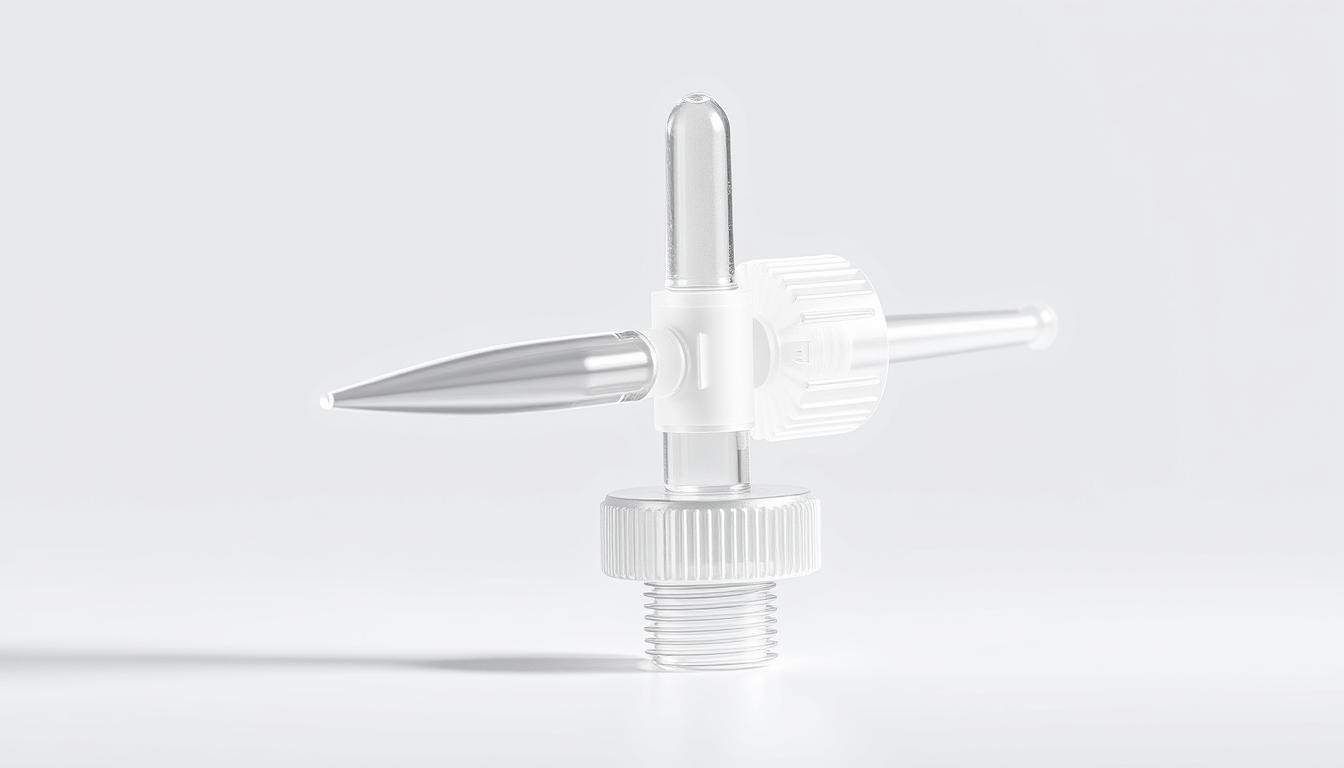
Ever thought about how scientists keep their work clean from tiny contaminants? Pipette filters are key to keeping experiments precise and safe from errors.
In today’s labs, tools like pipette filters are vital. They help keep experiments clean and pure. This is important for many scientific fields.
Filtered pipette tips are a must for precise work like qPCR. Even a small mistake can ruin a study. Labs rely on these tools to keep samples safe and results accurate.
Key Takeaways
- Pipette filters are crucial for preventing sample contamination
- Pre-sterilized filters ensure high-quality laboratory performance
- Filtered tips reduce potential errors in scientific research
- Different applications require specific pipette filter types
- Quality filters protect both samples and research equipment
Understanding the Purpose of Pipette Filters
Laboratory researchers use precise scientific tools to keep their work accurate. Pipette filters are key in stopping contamination. They protect samples and equipment from harmful cross-contamination.
Precision pipetting is more than just moving liquids. Filters in pipette tips block harmful particles. This keeps research results safe from contamination.
What are Pipette Filters?
Pipette filters are tiny barriers in pipette tips. They stop liquids and particles from spreading. These filters offer several benefits:
- Block tiny contaminants
- Stop samples from mixing
- Keep pipettes safe
- Make experiments more reliable
Why Use Pipette Filters in Laboratories?
Scientific research needs to be very precise. Filtered pipette tips help keep samples and tools clean. Labs working with delicate materials like DNA and cells really benefit from these filters.
Using advanced pipette filters helps researchers:
- Lower the chance of mistakes
- Save expensive tools
- Keep test results consistent
- Reduce damage to samples
Investing in top-notch pipette filters is vital for keeping science accurate and reliable.
Types of Pipette Filters Available
Choosing the right filter tips is key for molecular biology and lab research. Different filters have unique features that affect results. Here, we look at the main types used in science.
Membrane Filters
Membrane filters are vital in molecular biology. They keep particles out and work well with chemicals. Scientists like them because they:
- Prevent cross-contamination
- Ensure precise liquid filtration
- Maintain sample integrity
Precision in filtration can make the difference between successful and compromised experimental results.
PTFE Filters
PTFE filters are known for their strong chemical resistance. They perform well in tough lab settings, making them great for many molecular biology tasks.
Nylon Filters
Nylon filters are strong and work with many liquids. They’re good for labs needing durable, reliable filters.
Cellulose Acetate Filters
Cellulose acetate filters have special benefits for certain research. Their unique traits are perfect for specific molecular biology methods.
When picking filter tips, researchers must think about their experiment’s needs. This ensures the best results.
Benefits of Using Pipette Filters
Laboratory professionals know how important pipette filters are. They help keep research precise and protect sample integrity in many fields.
Pipette filters are key in keeping labs safe. They block harmful particles, making sure experiments are reliable.
Preventing Cross-Contamination
Cross-contamination is a big problem in labs. Pipette filters help by:
- Stopping sample interference
- Lowering contamination by up to 99.9%
- Keeping sensitive experiments safe
Ensuring Sample Purity
Keeping samples pure is crucial in research. Filtered pipette tips help by:
- Stopping liquid spills between samples
- Lessening RNA/DNA damage
- Helping get the same results every time
Enhancing Pipette Longevity
Pipette filters also help your equipment last longer. Studies show they can make pipette tips last about 30% longer. This saves money on lab upkeep.
Protecting your research starts with protecting your samples.
Using pipette filters is a smart move for accurate and reliable science.
Selecting the Right Pipette Filter
Choosing the right pipette filter is key for precise pipetting in labs. It’s important to look at several factors to get the best results and accuracy.
When picking a pipette filter, researchers need to think about a few things:
- Liquid viscosity and chemical compatibility
- Desired filtration flow rate
- Protection level needed for sensitive experiments
- Potential contamination risks
Critical Factors in Filter Selection
The right filter can greatly affect your results. Laboratory consumables like pipette filters are crucial for keeping samples safe and preventing contamination.
Understanding Pore Size Considerations
Pore size is very important for precise pipetting. Different experiments need different types of membranes:
- Small pores (0.2-0.45 μm): Great for filtering bacteria
- Medium pores (0.45-1.2 μm): Good for most lab uses
- Large pores (1.2-10 μm): Best for thick liquids
Matching Filters with Liquid Types
Choosing the right filter depends on the liquid’s properties. Researchers must consider the liquid’s chemical makeup, particles, and sensitivity. This helps pick the best filter for precise pipetting.
Best Practices for Using Pipette Filters
Laboratory experts know that handling pipette filters right is key. It keeps contamination at bay and ensures sterile filtration. To manage these tools well, you need to focus on how you install, maintain, and replace them.
Proper Installation Techniques
Getting pipette filters to work starts with the right installation. Here’s what to do:
- Check the filter for any damage before you start
- Make sure it fits tightly with the pipette tip
- Make sure it’s okay for the liquids you’re working with
- Attach it gently but firmly
Regular Maintenance Tips
Keeping pipette filters in good shape is important. 90% of users say proper care boosts pipetting accuracy. Here are some tips:
- Clean the filters after each use with the right solvents
- Store them in a clean, cool place
- Use filters in rotation to avoid wear
- Keep a record of when and how you use them
Recognizing Filter Wear
Spotting when a filter is getting old is vital. Look out for:
- Any color changes or damage to the material
- If the filter isn’t catching particles like it used to
- If it’s harder to push liquid through
- If the liquid flows unevenly
By following these tips, labs can get the most out of their pipette filters. This ensures reliable sterile filtration and keeps research quality high.
Applications of Pipette Filters in Biological Research
Pipette filters are key in protecting molecular biology supplies in many research areas. Scientists use them to keep samples safe and prevent contamination during detailed experiments.
Molecular Biology Applications
In molecular biology, pipette filters are crucial for exact research methods. They help in:
- PCR (Polymerase Chain Reaction)
- DNA sequencing
- Gene expression studies
Researchers use specialized filter tips to lower DNA contamination risks. These filters block aerosols and stop sample mixing between different experiments.
Microbiology Research
Microbiological studies need top cleanliness. Pipette filters keep cell culture experiments safe by:
- Stopping bacterial cross-contamination
- Keeping experiments sterile
- Protecting delicate microorganism cultures
Biochemistry Techniques
Biochemists rely on pipette filters for tasks like protein purification and enzyme tests. These filters help in precise measurements and guard against contamination of expensive lab tools.
Today, labs follow strict rules, making specialized molecular biology supplies vital for quality and reliable research.
Compliance and Safety Standards
Keeping safety standards high is key in scientific research. Lab workers know how vital it is to follow strict rules, especially with sophisticated lab tools like pipette filters.
Regulatory Requirements for Laboratory Safety
Lab safety needs 100% compliance with certain rules. Using proper sterile filtration is crucial for research integrity. Important rules include:
- Following ISO standards for lab gear
- Checking pipette filter performance
- Keeping quality control records
Ensuring Lab Safety with Filters
Pipette filters help stop contamination and keep samples clean. Studies show they can cut contamination by up to 99%. This greatly reduces mistakes in science.
| Safety Metric | Impact Percentage |
|---|---|
| Contamination Reduction | 99% |
| Error Reduction in Testing | 30% |
| Laboratory Professionals Prioritizing Safety | 75% |
Labs need to follow strict safety rules. This includes checking equipment, choosing the right filters, and following maker’s guidelines. By focusing on these steps, scientists can keep their work precise and safe.
The safety standards keep getting better as science grows. Lab workers keep updating their methods to meet new rules.
Innovations in Pipette Filter Technology
The world of lab equipment is always changing. Pipette filter technology has seen big improvements. These changes are making precision pipetting better and safer.
New designs in pipette filters are making labs more efficient. They help scientists get better results. These new technologies solve big problems in handling samples.
Material Science Breakthroughs
Today’s pipette filters use advanced materials. This has made them much better. Some key improvements include:
- High-performance barrier membranes with near-perfect aerosol retention
- Reduced tip attachment forces for smoother precision pipetting
- Ergonomic designs that minimize user fatigue
Efficiency-Enhancing Technological Solutions
The newest pipette filter tech is a big step up for labs:
- 50% reduction in pipetting steps when processing multi-well plates
- Innovative filter mechanisms that prevent cross-contamination
- Enhanced reproducibility through standardized filtration techniques
These advances are a huge improvement in pipette filter design. They let researchers get more accurate and reliable results. It’s easier and more efficient now.
Conclusion
Laboratory consumables like pipette filters are key in scientific research. They help keep samples safe from contamination. This is thanks to their role as an aerosol barrier.
These tools have changed how we do research. They make sure experiments are accurate and reliable. This is crucial for fields like molecular biology and forensics.
Choosing the right pipette filters is important for good results. While they cost more upfront, they save money and ensure data quality in the long run. As research gets more precise, these tools will play an even bigger role.
The future of pipette filters looks promising. We can expect better filtering, lower costs, and solutions for new research challenges. These advancements will help with more complex studies in various fields.
FAQ
What are pipette filters and why are they important in laboratory settings?
Pipette filters are special tools used in labs to stop contamination. They act as a barrier, keeping out harmful particles. This is key for precise work in science.
They help keep experiments accurate by stopping sample carryover. This protects the pipette and the results.
How do pipette filters prevent contamination during laboratory procedures?
Pipette filters block contaminants by creating a barrier. They are made from materials like membrane filters or PTFE. These materials trap particles while letting liquid pass through.
This method greatly lowers the chance of contamination. It keeps the pipette and results safe.
What types of pipette filters are available for different laboratory applications?
There are many types of pipette filters. Each is suited for different needs:
– Membrane filters work well with water solutions
– PTFE filters are great for chemicals
– Nylon filters are good for general use
– Cellulose acetate filters are best for proteins
How do I select the right pipette filter for my specific research needs?
Choosing the right filter involves several factors:
– What liquids you’re working with
– How fast you need the liquid to flow
– The size of the filter’s pores
– How well it resists chemicals
– Your specific research needs
Think about your sample and how much contamination you want to prevent.
What are the best practices for using and maintaining pipette filters?
To use filters well, follow these steps:
– Install them correctly
– Check them regularly for damage
– Store them in a clean place
– Choose the right filter for your work
– Follow the maker’s instructions for use and when to replace them
Watch for signs of wear and replace filters as needed to keep samples safe.
In what specific areas of biological research are pipette filters most critical?
Pipette filters are vital in many areas of research:
– Molecular biology for PCR and DNA sequencing
– Microbiology for cell culture and sterile work
– Biochemistry for protein purification and enzyme tests
– Genetic research to avoid DNA contamination
They’re especially important in precise and sensitive experiments.
How do recent innovations impact pipette filter technology?
New advancements in pipette filters include:
– Better chemical resistance
– Less sample retention
– Improved filtration
– Designs for more precise liquid handling
– New materials that reduce contamination risks
These changes aim to make labs more efficient and experiments more reliable.




Leave a Comment
Your email address will not be published. Required fields are marked *