


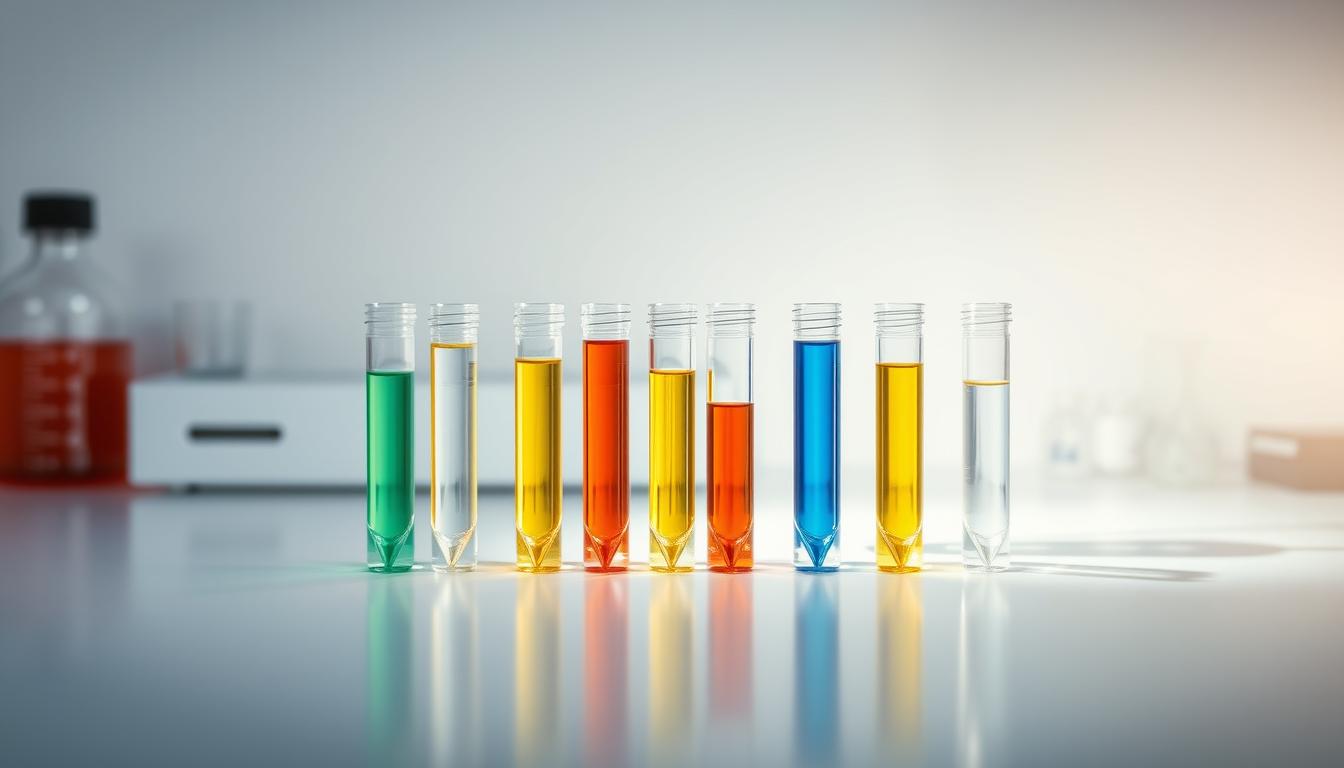
Ever wondered how scientists move tiny liquid samples with perfect accuracy? The answer is pipette tubes, the hidden stars of science and lab supplies.
Pipette tubes are key tools in science, letting researchers work with tiny amounts of liquid. They come in sizes from 0.2 mL to 7.4 mL, with stem sizes from 1.2 mm to 8.0 mm.
Today’s labs depend on these advanced tools for precise sample transfers. They’re vital in fields like molecular biology and clinical diagnostics. Pipette tubes help keep research reliable and trustworthy.
Key Takeaways
- Pipette tubes enable precise liquid handling in scientific research
- Available in multiple sizes for diverse laboratory applications
- Essential for maintaining experimental accuracy and reproducibility
- Used across multiple scientific disciplines
- Critical for maintaining sample integrity
Introduction to Pipette Tubes
Pipette tubes are key tools in labs for precise liquid handling. They help scientists work with tiny amounts accurately. This is crucial for making new discoveries in many fields.
Scientists use micropipettes for precise handling in many studies. These tubes help move liquids with great consistency. This makes sure experiments are reliable and can be repeated.
Definition and Core Purpose
Pipette tubes are made to move small amounts of liquid with high precision. Their main jobs are:
- Measuring exact liquid amounts
- Keeping samples clean
- Making liquid movement fast and controlled
- Keeping experiments consistent
Importance in Scientific Research
Pipette tubes are very important in science. They are used in many areas, like:
- Biological studies
- Medical tests
- Creating new medicines
- Chemical studies
“Precision is the soul of scientific investigation” – Modern Laboratory Practice
Air displacement micropipettes can handle volumes from 0.1 μL to 1,000 μL. This shows how versatile they are. Scientists count on these tools to keep their work accurate. They should be checked every six months if used often.
Learning to use pipette tubes well is a basic skill for scientists in many fields.
Types of Pipette Tubes
Laboratory researchers need precise sampling techniques. They must choose the right pipette tubes for this. Knowing the different types helps scientists improve their work.
Pipette tubes vary in materials and designs. Each type is made for specific scientific needs. The main things to think about are the material and if the tube is sterilized.
Glass vs. Plastic Tubes
Researchers have two main choices for pipette tubes:
- Glass Tubes: Known for chemical resistance and heat tolerance
- Disposable Plastics: Popular for their ease and lower risk of contamination
Plastic tubes, especially disposable ones, are favored in labs today. They are easy to use and keep samples safe from contamination.
Pre-sterilized and Non-sterilized Tubes
Sterility is key in scientific work. Different needs call for different sterilization methods:
| Tube Type | Sterilization Method | Typical Applications |
|---|---|---|
| Pre-sterilized Tubes | Gamma Irradiation | Molecular Biology, Clinical Diagnostics |
| Non-sterilized Tubes | No Special Treatment | General Laboratory Research |
Pre-sterilized tubes are cleaned thoroughly to remove all biological contaminants. They are vital for experiments that need the highest sample quality.
Choosing the Right Pipette Tube
Choosing the right lab consumables is key for scientific success. It’s all about picking the perfect pipette tube for your research.
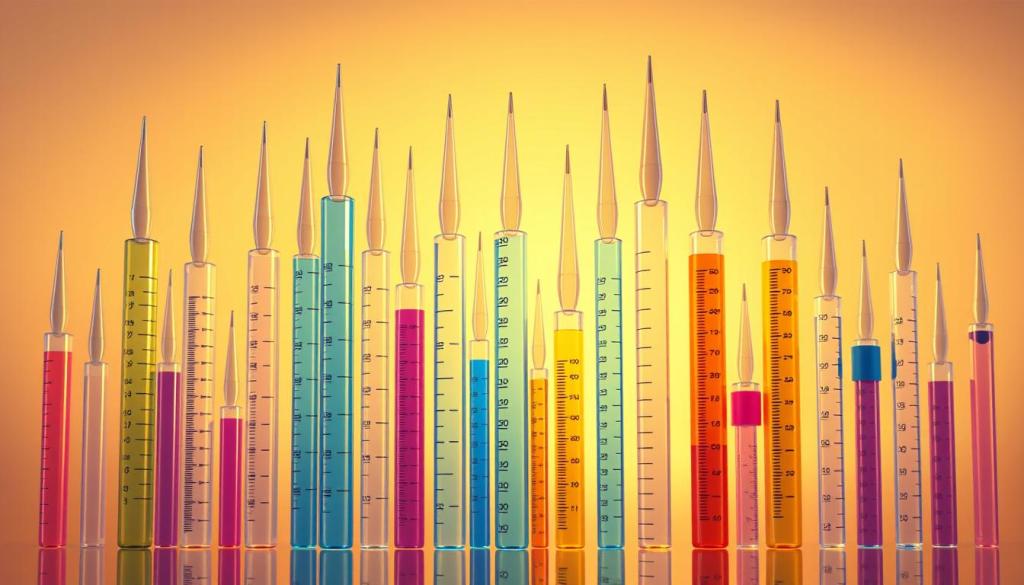
Scientists need to think about many things when picking pipette tubes. They must understand what each research project needs.
Key Factors in Pipette Tube Selection
When picking pipette tubes, focus on a few important things:
- Volume capacity range (0.2 mL to 7.4 mL)
- Stem diameter specifications (1.2 mm to 8.0 mm)
- Material compatibility
- Intended experimental application
Liquid Compatibility Considerations
Different liquids need special pipette tubes. Viscosity, chemical composition, and potential reactivity are key.
Choosing the right pipette tube for your liquid ensures accurate and clean sample handling.
Scientists must look at these liquid traits:
- Chemical reactivity
- Viscosity levels
- Temperature sensitivity
- Potential corrosiveness
Getting precision in dispensing means paying close attention to these details. Always choose tubes that fit your scientific needs.
Applications in the Laboratory
Pipette tubes are key tools that change how we handle samples in science. They help us move liquids with great care in labs. This is crucial for many important studies.
Scientists use pipette tubes for many tasks. They need to be very accurate and keep things clean. These tools are vital in fields like biology and medical testing.
Biological Research Applications
In biology, pipette tubes are essential for many tasks:
- Genomic research DNA extraction
- Protein analysis and purification
- Cell culture preparation
- Microbiology sample management
Clinical Diagnostic Procedures
Clinical labs use pipette tubes for exact sample handling. They help with:
- Blood sample preparation
- Diagnostic test setup
- Quality control procedures
- Patient specimen processing
*Accuracy in liquid transfer is paramount in scientific research and medical diagnostics.*
Micropipettes are very important. They can be very accurate, less than 3%. They let scientists work with tiny amounts of liquid. This is key for detailed studies in many areas.
Chemical and Analytical Applications
In analytical chemistry, pipette tubes help with:
- Solution preparation
- Precise chemical titrations
- Reagent measurement
- Experimental solution handling
Pipette tubes are vital for precise liquid handling. They are essential in today’s science and medical testing.
Benefits of Using Pipette Tubes
Scientific equipment is key in labs, with micropipettes and pipette tubes leading in sample handling. These tools change how scientists do experiments, making results reliable and consistent.
Precision in dispensing is vital for scientific research. Pipette tubes bring many benefits to lab work.
Precision in Sample Transfer
Scientists use pipette tubes for their accuracy in handling liquids. These tubes offer big advantages:
- Precise volume transfers from 1 mL to 50 mL
- Graduated markings for consistent measurements
- Work with many experimental protocols
- Use in various scientific fields
Reducing Contamination Risks
Keeping samples clean is crucial in science. Pipette tubes help a lot:
- Pre-sterilized to avoid biological contamination
- Disposable to stop cross-contamination
- Materials chosen to reduce environmental impact
- Keep experiments sterile
Using these advanced tools, scientists get better and more consistent results.
How to Properly Use Pipette Tubes
Mastering the art of sample handling is key for lab professionals. Pipette tubes are essential tools in science, needing careful use and attention.

Good sample handling means knowing the right practices. These practices help keep samples accurate and safe from contamination. Scientists must learn to handle liquids carefully to protect their samples.
Best Practices for Sample Handling
- Select the right pipette tube for the liquid volume
- Check the pipette’s calibration before important tests
- Use the same method for taking and giving liquids
- Make sure the pipette is fully in the liquid when transferring
Tips for Accuracy and Efficiency
Getting precise with lab supplies means knowing the small details of pipetting. Here are some key tips:
- Wet the pipette tips before using them with thick liquids
- Use the pipette within 35-100% of its max capacity
- Wait a second after taking liquid to avoid air bubbles
- Keep a good posture while pipetting for a long time
*Precision begins with technique* – Laboratory Performance Guide
| Pipette Type | Volume Range | Recommended Immersion Depth |
|---|---|---|
| Micropipette | 0.1-10 µL | 1-2 mm |
| Low-Range Pipette | 10-100 µL | 2-3 mm |
| Medium-Range Pipette | 100-1000 µL | 3-6 mm |
By keeping them well-maintained and using them correctly, pipette tubes become vital tools for scientific discoveries.
Cleaning and Maintenance of Pipette Tubes
Keeping lab supplies clean is key for accurate research. Pipette tubes, vital for science, need careful cleaning to work well and avoid contamination.
Lab experts know clean pipette tubes are crucial for good science. If they get dirty, it can ruin experiments, wasting time and money.
Importance of Proper Maintenance
Keeping pipette tubes in good shape involves several important steps:
- Stopping contamination between samples
- Ensuring results can be repeated
- Keeping lab tools working longer
- Keeping research quality high
Cleaning Methods and Recommendations
Each type of dirt needs a special cleaning method for pipette tubes:
| Contaminant Type | Recommended Cleaning Method | Duration |
|---|---|---|
| DNA/RNA | 3% Sodium Hypochlorite Soak | 15 minutes |
| Radioactive Materials | Strong Detergent + Distilled Water Rinse | Multiple rinses |
| Viruses | UV Radiation Exposure | 30-60 minutes |
Scientists should follow these critical guidelines when cleaning pipette tubes:
- Always rinse with distilled water
- Use the right chemicals for cleaning
- Rinse well after using chemicals
- Make sure all cleaning agents are gone
Proper cleaning is not just a procedure, but a fundamental aspect of scientific integrity.
By sticking to strict cleaning rules, scientists can make sure their tools are reliable. This helps them make important discoveries in labs all over the world.
Innovations in Pipette Tube Design
Scientific equipment keeps getting better, making labs more precise. New pipette tube designs are leading the way. They improve how we work in labs, making things more efficient and easier to use.
Today’s lab workers have access to amazing new tools. These tools change how we handle samples. They focus on better materials and designs that are easier to use.
Recent Advancements in Materials
New materials are making pipette tubes better. Now, researchers can find tubes with:
- Improved chemical resistance
- Less sample sticking
- Longer-lasting tubes for tough tasks
- Better heat handling
Ergonomic Features for User Comfort
New designs in lab supplies make work easier on the body. Key features include:
- Lighter tubes for longer use
- Better grip for less slipping
- Less strain on hands during precise work
- Easier to hold and use
These updates help labs work more accurately and efficiently. They let scientists do their jobs with more confidence and less strain.
Regulatory Compliance and Pipette Tubes
Scientific research needs strict standards for lab supplies and equipment. Pipette tubes are key in keeping lab work safe and accurate. They follow strict rules to ensure quality.

Labs must follow detailed rules to keep their work safe and reliable. These rules help protect the results of research and stop contamination.
Importance of Compliance in Laboratory Settings
Following rules is crucial in science. It includes:
- Ensuring accurate sample handling
- Minimizing contamination risks
- Maintaining equipment precision
- Protecting research integrity
Key Regulatory Standards Impacting Pipette Tubes
Many groups set important rules for pipette tubes and lab gear. These rules cover how well labs work.
| Regulatory Body | Primary Focus | Key Requirements |
|---|---|---|
| FDA | Medical Device Regulation | Quality Control Protocols |
| ISO | International Standards | Calibration Guidelines |
| CLIA | Clinical Laboratory Standards | Performance Validation |
Labs need to keep detailed records of pipette tube use. They must check quality often to keep research high.
Accurate documentation and consistent maintenance are the cornerstones of regulatory compliance in laboratory settings.
Good training and digital records help labs meet strict rules. This makes sure all equipment and supplies are up to standard.
Case Studies: Pipette Tubes in Research
Scientific research needs precise handling of samples and liquids. Micropipettes and special pipette tubes are key tools for making new discoveries. They help in many research areas.
The MRC Molecular Haematology Unit at the University of Oxford shows the power of advanced sample handling. Their work shows how new pipette technologies change science.
Breakthrough Examples from Biotech Industry
Scientists use pipette tubes for detailed work. This includes:
- DNA sample normalization
- Genetic research
- Protein assay development
- Molecular diagnostics
Impact on Pharmaceutical Development
Pharmaceutical research relies on exact liquid transfer. Here’s how it improves:
| Workflow Aspect | Standard Workflow | Digitalized Workflow |
|---|---|---|
| Experimental Setup Time | 14 minutes | 9 minutes |
| Pipetting Time | 27 minutes | 19 minutes |
| Consumables Used | 24 tubes, 53 tips | 3 tubes, 28 tips |
These changes show how precise micropipettes and new pipette tubes are changing science. They make research faster and more accurate in many fields.
The Future of Pipette Tubes
The world of scientific tools is changing fast. New technologies in precision are leading to big changes in labs. Pipette tubes are leading this change, bringing new ideas to lab work and research.
New trends in labs are changing how scientists handle samples. The market for pipette tips is expected to hit US$1.8 Billion by 2030. It will grow at a rate of 5.1% each year.
Technological Innovations on the Horizon
New advancements are going to change pipette tubes a lot:
- Smart sensors for real-time volume tracking
- Enhanced material technologies
- Increased automation compatibility
- Sustainability-focused design
Key Market Projections
| Market Segment | Projected Value by 2030 | CAGR |
|---|---|---|
| Manual Pipette Tips | US$748.2 Million | 4.3% |
| Electronic Pipette Tips | Significant Growth | 5.2% |
Scientists are really looking forward to new tech in pipette tubes. They’re excited about low retention tech and ClipTip designs. These will help with precision and reduce sample loss in research.
Sustainability and Performance
The future of lab supplies is going green. Companies are working on biodegradable and reusable options. These will keep the quality high while being better for the planet.
As automated systems get better, pipette tubes will keep improving. They’ll offer more specific solutions for tough research problems.
Conclusion
Scientific equipment like pipette tubes is key in today’s research and testing. Handling samples right is crucial for keeping lab experiments accurate. The way we pipette affects how reliable our research is.
Improving how we handle samples shows how important it is to know the best ways to use pipette tubes. Researchers need to focus on using the right techniques. This means holding pipette tips steady, not touching container walls, and cleaning often. These steps help avoid mistakes and make research more reliable.
Essential Strategies for Sample Handling Excellence
Lab experts can make their equipment work better by following strict rules for pipette tubes. This includes picking the right tubes, handling them carefully, and keeping them clean. By doing this, teams can make their experiments more accurate and reliable.
Future of Precision in Scientific Research
Pipette tubes will keep being vital for precise sample handling as science moves forward. Those who learn and use these techniques well will help make new discoveries. They will also keep science at its highest level.
FAQ
What are pipette tubes and why are they important in laboratory settings?
Pipette tubes are key tools in labs for handling liquids. They help scientists measure accurately and reduce contamination. This is crucial in fields like biology, chemistry, and clinical diagnostics.
What are the main differences between glass and plastic pipette tubes?
Glass tubes are better at handling chemicals and heat. Plastic tubes are cheaper, lighter, and easier to throw away. Glass is good for repeated use, while plastic is best for one-time use.
How do I choose the right pipette tube for my specific laboratory needs?
Choose based on volume, liquid type, and chemical safety. Think about the material, how it interacts with your sample, and the precision you need. This will help you pick the right tube for your work.
What are some common applications of pipette tubes in scientific research?
They’re used in biology for DNA and protein studies, cell cultures, and microbiology. In chemistry, they help prepare solutions and do titrations. In clinical settings, they’re used for sample prep and testing.
How can I prevent contamination when using pipette tubes?
Use sterile techniques to avoid contamination. Work in a clean area, use pre-sterilized tubes, and change tips between samples. Don’t touch the inside of tubes or tips, and follow strict protocols.
What are some best practices for using pipette tubes accurately?
Hold the pipette straight, release liquids slowly, and avoid air bubbles. Calibrate your pipettes, use the right tip size, and match the tube to your liquid. Practice makes perfect.
How should I clean and maintain my pipette tubes?
Clean reusable tubes with the right solution, rinse well, and dry them. Throw away disposable tubes after use. Check tubes for damage and replace them if needed.
What recent innovations have improved pipette tube technology?
New materials offer better chemical resistance and less liquid sticking. There are also ergonomic designs and tubes with sensors. These advancements improve precision and reduce user fatigue.
Are there specific regulatory standards for pipette tubes?
Yes, there are strict rules for clinical and pharmaceutical use. These include ISO standards and FDA guidelines. They ensure the quality, safety, and reliability of lab supplies.




Leave a Comment
Your email address will not be published. Required fields are marked *