



Are you ready to change how you mix samples in scientific research? The vortex mixer is a game-changer. It makes mixing substances precise and efficient.
Vortex mixers are key in today’s labs. They mix small liquid samples fast and well. They create a “tornado” effect, mixing everything thoroughly and quickly.
They’re vital in biochemistry and clinical diagnostics. These devices can mix substances in tubes from 0.2 mL to 50 mL. They’re a must-have for anyone needing reliable mixing.
Key Takeaways
- Vortex mixers create a unique “tornado” mixing effect
- Suitable for mixing samples from 0.2 mL to 50 mL
- Used across multiple scientific disciplines
- Increases laboratory efficiency by up to 50%
- Critical for sample preparation in research
Understanding the Function of a Vortex Mixer
Laboratory experts use special tools for precise mixing. The benchtop vortexer is key in scientific research. It mixes samples fast and evenly using advanced techniques.
Vortex mixers change lab work by offering quick mixing solutions. They help scientists work faster and more accurately.
What is a Vortex Mixer?
A vortex mixer mixes small liquid samples fast. They come in sizes from small to big. They have:
- Motorized drive shaft mechanism
- Variable speed settings (100-3,200 rpm)
- Precision mixing capabilities
- Compatibility with multiple container types
How Does it Work?
The vortex mixer works by creating a strong circular motion. It mixes liquids well. Researchers can control mixing intensity by changing speed.
Key parts of its work include:
- Rapid circular motion generation
- Precise speed control
- Uniform sample suspension
- Minimal sample contamination
Scientists love the benchtop vortexer for its quick mixing. It’s a must-have in biological research labs.
Importance of Vortex Mixers in Laboratories
Vortex mixers are key tools in labs that change how we mix samples. They make labs work better, especially in bio and biology research.
Lab experts love vortex mixers for their ability to mix different sizes and types of samples. They can handle tubes from 0.2 ml to 50 ml. This makes them essential for mixing samples accurately.
Enhancing Mixing Efficiency
Vortex mixers are great in labs because they mix well:
- They can mix at speeds up to 3,400 rpm
- They can mix many samples at once
- They mix quickly and evenly
- They help reduce the need for manual work in preparing samples
Applications in Biochemical Research
Vortex mixers are used in many areas of science. They help with important tasks like:
- Preparing proteins and enzymes
- Breaking down cells
- Mixing samples fast and well
- Helping in medical and clinical tests
| Vortex Mixer Type | Speed Range | Primary Application |
|---|---|---|
| Mini Vortex | Up to 4,500 rpm | Micro sample mixing |
| Multi-Tube Vortex | 300-2,500 rpm | Simultaneous multiple sample processing |
| Digital Vortex | 300-4,200 rpm | Precision research applications |
Using advanced vortex mixing tech, labs can make mixing samples better and work more efficiently.
Key Features to Consider in Vortex Mixers
Choosing the right vortex mixer is crucial. It must meet the needs of scientists and researchers. They need tools that mix samples accurately and efficiently.
The key to a good vortex mixer is its adjustable speed and strong build. These features make it versatile and reliable in different labs.
Speed Range and Adjustability
Vortex mixers offer a wide range of speeds. Digital models can go from 300 rpm to 4,200 rpm. This lets researchers adjust the speed for their experiments.
- Speed variations support multiple research protocols
- Precise rpm control ensures consistent sample preparation
- Adaptable speed settings accommodate various sample types
Size and Portability
Labs have limited space. Vortex mixers come in different sizes to fit various needs.
| Mixer Type | Tube Capacity | Maximum Speed |
|---|---|---|
| Mini Vortex Mixer | 1-2 tubes | 4,500 rpm |
| Multi-Tube Vortex Mixer | Up to 60 tubes | 2,500 rpm |
| Flask Attachment Mixer | 6 x 250 ml flasks | 3,400 rpm |

The best vortex mixer has adjustable speed and is built to last. It performs well in many scientific fields.
Types of Vortex Mixers Available
Laboratory researchers use special mixing tools to make their work easier. Vortex mixers come in many types, each for a specific need. They help scientists work more efficiently and accurately.
Each type of vortex mixer has its own benefits for biological research. Scientists can choose the best one for their experiments.
Fixed-Speed vs. Variable-Speed Mixers
The main difference is in their speed:
- Fixed-Speed Mixers:
- Always the same speed
- Great for consistent mixing
- More affordable
- Variable-Speed Mixers:
- Can go from 300 to 4,200 rpm
- Flexible for different needs
- Perfect for delicate samples
Multi-Tube Vortex Mixers
Multi-tube vortexers are a big step forward in lab technology. They make mixing easy and fast. Researchers can work on many samples at once.
| Model | Tube Capacity | Speed Range |
|---|---|---|
| VM-MT-7 | 60 tubes (7 ml) | 300-2,500 rpm |
| VM-MT-15 | 45 tubes (15 ml) | 300-2,500 rpm |
| VM-MT-50 | 18 tubes (50 ml) | 300-2,500 rpm |
These mixers are great for working on lots of samples at once. They help prepare samples quickly and evenly. This saves a lot of time.
Best Practices for Using a Vortex Mixer
Vortex mixers are key tools in labs, helping mix samples quickly and efficiently. They are used in many scientific fields. This makes sample preparation fast and consistent with little effort.
Knowing how to use a vortex mixer well can really improve research and sample quality. Lab experts need to learn the right setup and mixing methods. This helps get the most out of the equipment.
Essential Equipment Setup
Getting started with a vortex mixer is important. Here are some key steps:
- Choose the right tube sizes (from 0.2 ml to 50 ml)
- Place the mixer on a stable surface
- Make sure the mixer is calibrated
- Check the power connections
Optimal Mixing Techniques
Using the right vortex mixing techniques can greatly improve results. Here are some tips:
- Adjust the mixer speed based on the sample
- Use digital displays for exact speed control
- Use special attachments for different samples
- Keep mixing time consistent
| Vortex Mixer Parameter | Recommended Range |
|---|---|
| Speed Range | 300-4,200 RPM |
| Sample Capacity | 1-12 vials |
| Mixing Time | 15-60 seconds |
“Precision in sample mixing is the cornerstone of reproducible scientific research.” – Laboratory Equipment Specialists
Advanced vortex mixers are very flexible for mixing samples. They can handle different tube sizes and setups. By choosing the right accessories and knowing the equipment’s specs, researchers can improve their workflow.
Keeping the vortex mixer in good shape is crucial. Regular cleaning, careful handling, and calibration help it last longer. This ensures consistent mixing quality over time.
Maintenance and Care for Vortex Mixers
Keeping laboratory equipment in good shape is key. It makes sure your vortex mixers work well for a long time. Scientists need to take care of these tools to keep them running smoothly.
Essential Cleaning Recommendations
Keeping your vortex mixer clean is very important. It stops germs from spreading and keeps the mixer working right. Here are some cleaning tips:
- Use a soft, dry cloth for weekly surface cleaning
- Apply mild detergent for gentle external surface treatment
- Avoid harsh or abrasive cleaning agents
- Ensure complete drying before storage
Troubleshooting Common Operational Issues
Fixing problems early can help your equipment last longer. Here are some tips to help:
- Check rubber attachments for wear and replace as needed
- Verify speed control settings before operation
- Inspect electrical connections periodically
- Ensure proper storage in cool, dry environments
Remember, safety always comes first when you’re fixing your equipment. Always wear the right gear and follow lab rules when you’re working on your vortex mixers.
Safety Considerations When Using Vortex Mixers
When working with vortex mixers, safety is key. These tools need careful handling and precautions. This ensures safety and the best results.
Personal Protective Equipment Requirements
It’s important to protect yourself in the lab. Researchers must wear the right personal protective equipment (PPE) when using vortex mixers.
- Eye protection: Critical for preventing potential splash injuries
- Chemical-resistant gloves: Necessary for handling hazardous substances
- Lab coat: Provides additional protection against chemical exposure
Handling Hazards and Precautions
Vortex mixers require special safety steps. This is to keep risks low in biological research.
| Potential Hazard | Recommended Mitigation Strategy |
|---|---|
| Sample Spillage | Use secure, intact containment vessels |
| Chemical Exposure | Work in well-ventilated areas |
| Equipment Instability | Ensure stable platform placement |
Important safety tips for vortex mixers include starting slowly, using proper containers, and keeping the equipment in good shape. Always follow safety rules to avoid accidents and keep the lab safe.
Innovations in Vortex Mixer Technology
The world of lab equipment is always changing, with benchtop vortexers leading the way. New tech is changing how scientists mix and prepare samples in biological research.
New developments in vortex mixer tech are changing science. Scientists now have lab tools that are more precise and useful than ever before.
Recent Technological Breakthroughs
- Integration of smart sensor technology for better performance tracking
- Advanced digital interfaces with settings you can customize
- Energy-saving designs with sleep modes
- Speeds from 300 to 3,500 RPM
Future Trends in Laboratory Equipment
The future of benchtop vortexers is bright, with new trends on the horizon:
- Modular designs for easy customization
- Improved connectivity with lab systems
- Better ergonomic features
- Smaller, more compact equipment
Top makers are creating vortex mixers that work well with other lab tools. Some models even mix and bead disrupt at the same time. This makes research easier and faster.
The molecular biology revolution continues to drive technological innovations in laboratory equipment.
As research gets more complex, benchtop vortexers are getting better. The next batch of lab tools will be even more efficient, accurate, and versatile.
Comparing Vortex Mixers to Other Mixing Devices
Laboratory researchers face many mixing challenges. Vortex mixers are great for mixing samples in different fields. They are chosen for their unique abilities.
Advantages Over Traditional Mixing Methods
Vortex mixers outperform traditional lab mixers. They have several benefits:
- Rapid mixing of small sample volumes
- Intense localized agitation
- Compact and portable design
- Quick operational time
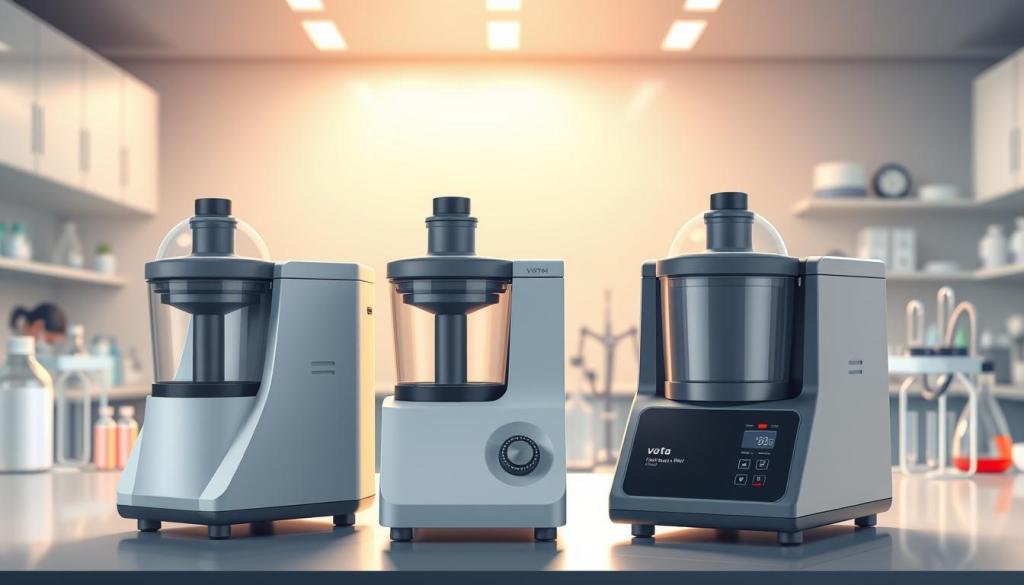
Situations Best Suited for Vortex Mixers
Vortex mixers work best in certain lab situations. They are great for:
- Quick sample preparation
- Uniform mixing of small liquid volumes
- Biochemical and microbiological research
- Preliminary sample treatment
Choosing the right vortex mixer can improve sample mixing. They offer precise control over mixing.
Digital vortex mixers add more benefits. They have speed and time displays for better control and reproducibility.
How to Choose the Right Vortex Mixer for Your Laboratory
Choosing the right vortex mixer is important. It affects how well you can do research and prepare samples. The right one can make a big difference.
- What kind of samples you work with
- How intense the mixing needs to be
- How often you’ll use it
- How much space you have in your lab
- What your budget is
Assessing Laboratory Requirements
Look at what makes a mixer good for mixing. Adjustable speed control is key for different types of research. You might need to mix samples gently or really hard, depending on your work.
| Mixer Type | Speed Range | Best Applications |
|---|---|---|
| Digital Vortex Mixer | 300-4,200 rpm | Biochemical research |
| Mini Vortex Mixer | Up to 4,500 rpm | Compact laboratory spaces |
| Multi-Tube Vortex Mixer | 300-2,500 rpm | Multiple sample processing |
Considering Space and Budget
If you’re watching your budget, look at smaller mixers. The Mini Vortex Mixer is great for small labs. It’s small, at 100 mm x 100 mm, and has adjustable speed control.
Choose a mixer that fits well with your lab’s needs. It should work well with your workflow and meet your research needs.
Conclusion: The Role of Vortex Mixers in Scientific Advancement
Vortex mixers have changed the game in labs, making sample prep faster and more precise. They are key in biotech, pharma, and environmental science. These small devices mix samples quickly and accurately in seconds.
Vortex mixers do more than just mix. They are vital for DNA work and cell cultures. They can handle many samples at once and adjust speeds. This makes them crucial for today’s science.
New tech is making vortex mixers even better. Features like digital controls and auto-protocols boost research quality. These advancements help scientists tackle tough challenges in bioscience and more.
In the future, vortex mixers will be even more important for science. Their speed, precision, and flexibility make them essential. They will help scientists make new discoveries in medicine and the environment.
FAQ
What is a vortex mixer used for in a laboratory?
A vortex mixer is key in labs for mixing small liquid samples fast. It makes a whirlpool motion to blend contents in tubes and containers. Scientists use it to mix samples quickly and evenly in research.
How does a vortex mixer work?
It works by making a circular motion with fast orbital movement. When you press a tube against it, it creates a whirlpool. This mixes the contents in seconds. It has an eccentric drive for thorough mixing.
What types of vortex mixers are available?
There are fixed-speed, variable-speed, and multi-tube vortexers. Fixed-speed mixers mix at a set rate. Variable-speed ones adjust for different samples. Multi-tube mixers mix many samples at once, great for busy labs.
What features should I look for when selecting a vortex mixer?
Look for adjustable speed, strong build, and easy use. Choose ones with variable speed, durable materials, and fit different tube sizes. Also, consider temperature resistance and digital controls.
How do I maintain a vortex mixer?
Clean it regularly and avoid contamination. Wipe it down with disinfectants after each use. Check for wear and keep the mixing head clean. Calibrate the speed and store it in a dry place.
What safety precautions should be taken when using a vortex mixer?
Wear lab coats, gloves, and safety glasses. Make sure tubes are capped before mixing. Use the right adapters and avoid overloading. Be careful of splashes and work in a safe area.
Can vortex mixers be used with different sample types?
Yes, they work with many samples like cell suspensions and chemical solutions. You can adjust the speed for different samples and needs.
How long should I typically vortex a sample?
The time depends on the sample and how mixed you need it. Most need 5-10 seconds. But, it can vary based on viscosity and tube size.






Leave a Comment
Your email address will not be published. Required fields are marked *