


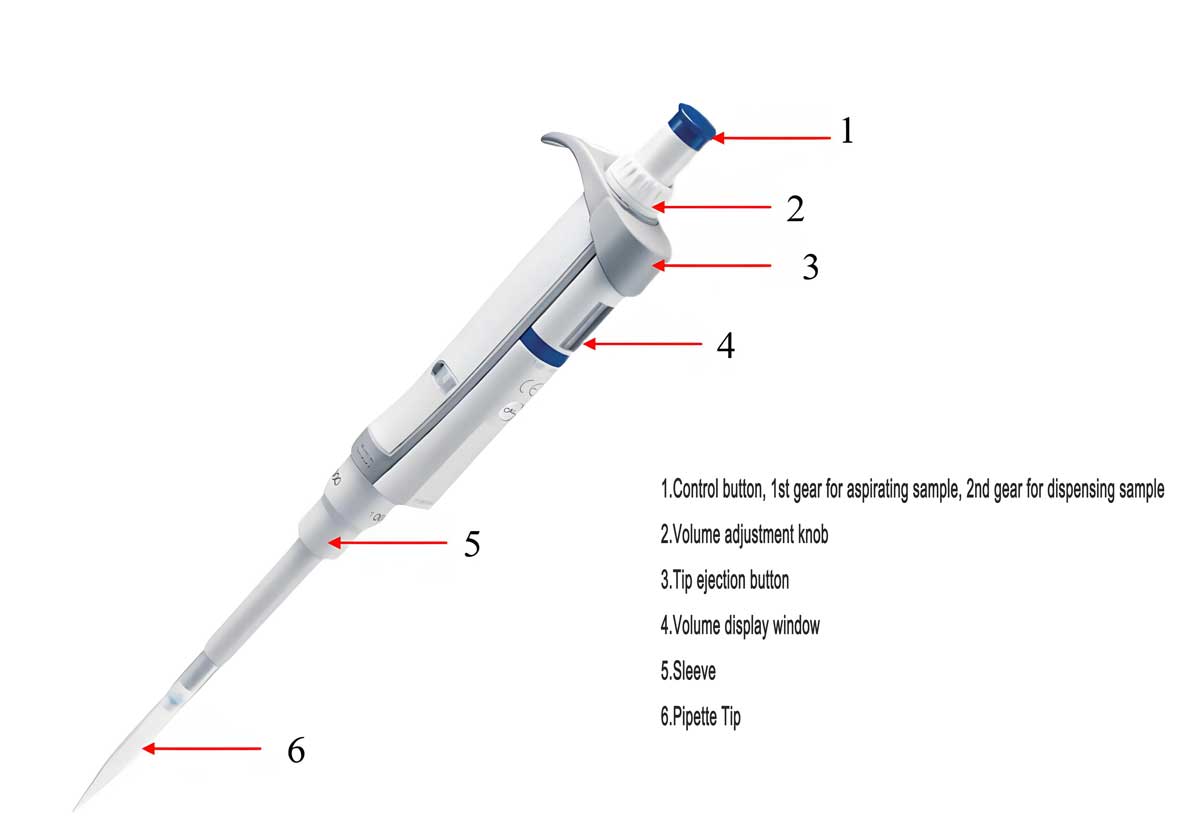
Analytical chemistry has witnessed a transformative breakthrough with Pipette Tip Solid Phase Extraction (PT-SPE), a cutting-edge technique that revolutionizes sample preparation strategies. SPE Microextraction represents a pivotal advancement in scientific research, offering unprecedented precision and efficiency in laboratory workflows.
The emergence of micro- and nanosorbents has dramatically enhanced the capabilities of traditional solid-phase extraction methods. These sophisticated materials enable researchers to achieve remarkable improvements in sample analysis, addressing critical challenges in extraction processes across multiple scientific disciplines.
Pipette Tip Solid Phase Extraction introduces a sophisticated approach to sample preparation, leveraging innovative technologies to minimize sample volumes while maximizing extraction performance. This method provides scientists with a powerful tool for analyzing complex chemical compositions with unprecedented accuracy and reliability.
Key Takeaways
- Micro- and nanosorbents dramatically improve extraction efficiency
- PT-SPE reduces sample and solvent consumption significantly
- Advanced technique enables enhanced selectivity in sample analysis
- Provides superior precision compared to traditional extraction methods
- Supports diverse applications across scientific research domains
Understanding Pipette Tip Solid Phase Extraction
Pipette Tip Solid Phase Extraction (PT-SPE) represents a groundbreaking approach in miniaturized sample preparation, revolutionizing laboratory workflows across multiple scientific disciplines. This innovative technique transforms traditional extraction methods by leveraging the simplicity and precision of disposable pipette extraction technologies.
Modern research demands increasingly sophisticated sample preparation techniques. Disposable pipette extraction offers researchers a streamlined solution that addresses critical challenges in analytical processes.
What is Pipette Tip Solid Phase Extraction?
PT-SPE is an advanced miniaturized sample preparation method that integrates solid-phase extraction directly into standard pipette tips. The technique enables:
- Rapid sample purification
- Minimal sample volume requirements
- Enhanced extraction efficiency
- Reduced contamination risks
Principles of Solid Phase Extraction
The core principle of PT-SPE involves selective retention and subsequent elution of target analytes using specialized sorbent materials within the pipette tip. Researchers can isolate specific compounds with unprecedented precision, making this method ideal for complex analytical challenges.
Advantages of Pipette Tips in Extraction
Disposable pipette extraction provides numerous benefits to scientific workflows:
- Increased automation compatibility
- Consistent, reproducible results
- Reduced cross-contamination
- Cost-effective sample processing
By integrating miniaturized sample preparation techniques, laboratories can achieve higher throughput and more reliable analytical outcomes across genomics, proteomics, and metabolomics research.
Key Components of Pipette Tip Solid Phase Extraction
Pipette Tip Solid Phase Extraction (PT-SPE) represents a sophisticated analytical technique that relies on critical components to ensure precise sample preparation. The technology’s effectiveness hinges on carefully selected micro- and nanosorbents that transform Tip-based Extraction into a powerful analytical method.
Role of Micro- and Nanosorbents
Micro- and nanosorbents are the core drivers of Automated SPE performance. These microscopic materials provide exceptional surface area and unique interaction capabilities with target analytes. Their small size enables:
- Enhanced extraction efficiency
- Improved selectivity
- Rapid analyte capture
- Minimized sample volume requirements
Selection of Sorbent Materials
Selecting appropriate sorbent materials requires understanding specific analytical needs. Different extraction scenarios demand unique sorbent characteristics to optimize sample preparation.
| Sorbent Type | Primary Function | Ideal Applications |
|---|---|---|
| Reversed-phase | Hydrophobic interactions | Organic compound extraction |
| Normal-phase | Polar interactions | Polar molecule separation |
| Ion Exchange | Ionic interactions | Charged molecule separation |
Comparison of Different Sorbent Types
Understanding sorbent diversity is crucial for implementing effective Tip-based Extraction strategies. Each sorbent type offers unique advantages:
- Reversed-phase sorbents excel in extracting nonpolar compounds
- Normal-phase sorbents provide superior polar molecule separation
- Mixed-mode sorbents offer versatile interaction mechanisms
Researchers can optimize Automated SPE performance by strategically matching sorbent properties with specific analytical requirements.
Applications of Pipette Tip Solid Phase Extraction
Pipette Tip Solid Phase Extraction (PT-SPE) has revolutionized analytical processes across multiple scientific domains. This versatile technique provides researchers with powerful tools for bioanalytical sample cleanup and high-throughput extraction, enabling precise and efficient sample preparation in various critical fields.
The expanding applications of PT-SPE demonstrate its critical role in modern scientific research and quality control processes. Researchers leverage this technique to address complex analytical challenges across multiple disciplines.
Environmental Sample Analysis
In environmental monitoring, PT-SPE proves instrumental for detecting trace contaminants. Key applications include:
- Water quality assessment
- Soil pollutant identification
- Air particulate analysis
Clinical and Biomedical Applications
Clinical research benefits significantly from high-throughput extraction methodologies. PT-SPE enables precise bioanalytical sample cleanup in:
- Proteomics research
- Drug metabolism studies
- Biomarker detection
Food Safety Testing
Food safety laboratories utilize PT-SPE for comprehensive contaminant screening:
| Contaminant Type | Detection Capability |
|---|---|
| Pesticide Residues | Ultra-low concentration detection |
| Heavy Metals | Precise quantification |
| Microbial Toxins | Rapid screening methods |
The versatility of PT-SPE across these domains underscores its significance in modern analytical workflows, providing researchers with robust and efficient extraction techniques.
Procedure of Pipette Tip Solid Phase Extraction
Pipette Tip Solid Phase Extraction (PT-SPE) represents a sophisticated microscale purification technique that streamlines sample preparation in analytical workflows. The procedure involves precise steps designed to maximize extraction efficiency and minimize sample loss.
Sample Preparation Techniques
Effective SPE microextraction begins with meticulous sample preparation. Critical techniques include:
- pH adjustment to optimize analyte retention
- Centrifugation for removing particulate matter
- Filtration to eliminate potential interference
- Sample dilution for consistent extraction
Extraction Process Steps
The PT-SPE extraction process follows a systematic approach that ensures reliable results:
- Sorbent conditioning
- Sample loading
- Washing to remove unwanted compounds
- Precise elution of target analytes
Elution Methods and Techniques
Elution represents a critical stage in microscale purification. Researchers can optimize this step by selecting appropriate solvents that effectively release target compounds while maintaining their integrity.
SPE microextraction techniques allow for exceptional selectivity, enabling scientists to achieve high-resolution separations with minimal sample volumes. The method’s versatility makes it invaluable across multiple scientific disciplines.
Benefits of Using Micro- and Nanosorbents
Pipette Tip Solid Phase Extraction (PT-SPE) has revolutionized analytical chemistry through innovative miniaturized sample preparation techniques. The integration of micro- and nanosorbents represents a significant breakthrough in high-throughput extraction methodologies.
Scientists and researchers have discovered multiple advantages of using these advanced sorbent materials in modern laboratory settings. The benefits extend beyond traditional extraction approaches, offering unprecedented precision and efficiency.
Enhanced Selectivity and Sensitivity
Micro- and nanosorbents provide remarkable improvements in analytical performance:
- Increased surface area for more effective analyte capture
- Superior interaction with trace-level compounds
- Minimal sample volume requirements
- Reduced interference from complex matrices
Improved Extraction Efficiency
High-throughput extraction becomes significantly more reliable with micro- and nanosorbents. These materials enable faster processing times and higher recovery rates of target analytes.
- Accelerated extraction kinetics
- Enhanced reproducibility of results
- Minimal solvent consumption
Cost-Effectiveness and Sustainability
Implementing miniaturized sample preparation techniques offers substantial economic and environmental advantages:
- Reduced chemical reagent expenses
- Lower waste generation
- Decreased environmental impact
- Optimized laboratory resource utilization
The integration of micro- and nanosorbents represents a transformative approach to analytical sample preparation, balancing scientific precision with sustainable laboratory practices.
Comparison with Conventional Solid Phase Extraction
Pipette tip solid phase extraction (Disposable Pipette Extraction) represents a significant advancement in analytical sample preparation techniques. This method offers researchers a streamlined approach to traditional extraction processes, highlighting critical improvements in laboratory workflows.
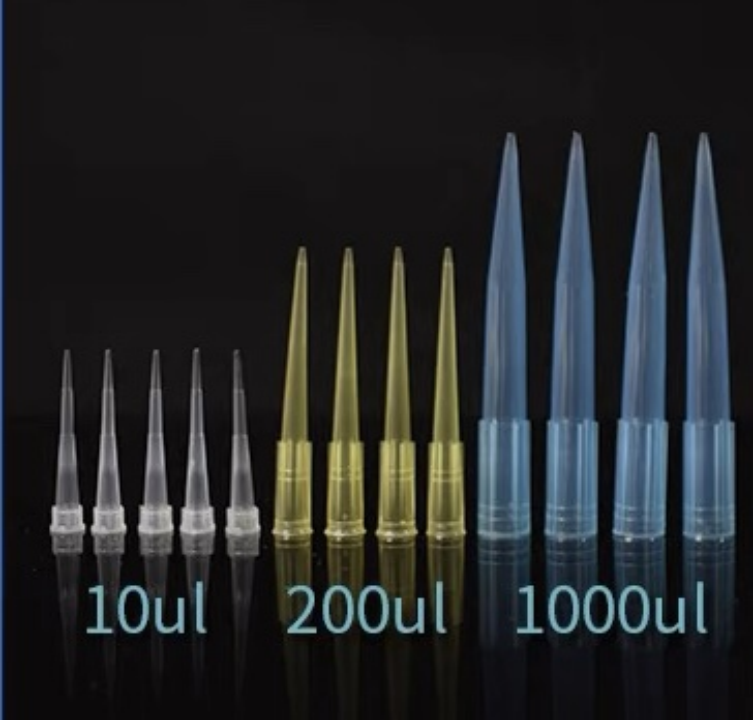
Pipette Tip Specifications
The emergence of Automated SPE technologies has transformed extraction methodologies, providing substantial benefits across multiple scientific domains.
Time Efficiency Breakthrough
Researchers can now dramatically reduce sample preparation time through innovative extraction techniques. Key time-saving aspects include:
- Reduced manual handling steps
- Faster processing of multiple samples
- Minimized preparation complexity
Sample Recovery Rates
Comparative analysis reveals significant improvements in sample recovery rates for Disposable Pipette Extraction methods:
| Extraction Method | Recovery Rate (%) |
|---|---|
| Conventional SPE | 65-75% |
| Pipette Tip SPE | 85-95% |
Flexibility and Adaptability
Modern Automated SPE techniques provide unprecedented flexibility across various research environments. Key adaptability features include:
- Compatibility with multiple sample types
- Scalable extraction protocols
- Integration with advanced laboratory instrumentation
The future of sample extraction lies in precision, efficiency, and adaptable technologies that empower scientific research.
Troubleshooting Common Challenges
Navigating the complexities of Bioanalytical Sample Cleanup requires a strategic approach to addressing potential challenges in tip-based extraction techniques. Laboratory professionals often encounter specific obstacles that can compromise the accuracy and reliability of their analytical processes.
Issues with Sorbent Selection
Selecting the appropriate sorbent is critical for successful pipette tip solid phase extraction. Researchers must consider several key factors:
- Analyte chemical properties
- Sample matrix complexity
- Extraction target specificity
- Compatibility with downstream analysis
Optimization of Extraction Conditions
Precise control of extraction parameters can significantly improve Bioanalytical Sample Cleanup efficiency. Critical optimization strategies include:
- Adjusting pH levels
- Modifying solvent composition
- Controlling flow rates
- Managing extraction time
Mitigating Contamination Risks
Contamination remains a persistent challenge in tip-based extraction methods. Implementing rigorous protocols can minimize potential cross-contamination:
- Use sterile, single-use tips
- Implement strict handling procedures
- Employ aerosol barrier tips
- Regularly calibrate and maintain equipment
By understanding and addressing these common challenges, laboratory professionals can enhance the reliability and reproducibility of their Bioanalytical Sample Cleanup processes.
Innovations in Pipette Tip Solid Phase Extraction
The landscape of analytical chemistry continues to evolve with groundbreaking developments in Pipette Tip Solid Phase Extraction (PT-SPE). Researchers are pushing the boundaries of extraction technologies, creating more efficient and precise methods for sample preparation.
Emerging Technologies and Techniques
Recent advancements in Automated SPE have transformed laboratory workflows. Scientists have developed innovative approaches that significantly improve extraction capabilities:
- Porous monolithic sorbent beds without traditional supporter structures
- Nanomaterial-enhanced extraction devices
- Miniaturized extraction platforms
Future Trends in Solid Phase Extraction
High-throughput Extraction techniques are rapidly gaining momentum in scientific research. Key trends include:
- Increased selectivity of extraction materials
- Reduced organic solvent consumption
- Enhanced cost-effectiveness
Integration with Automation Systems
The convergence of PT-SPE with automated systems represents a significant leap forward. Modern laboratories are embracing technologies that streamline sample preparation, reduce human error, and accelerate research processes.
Cutting-edge research continues to demonstrate the potential of these innovative extraction methods, promising more sustainable and effective scientific workflows.
Regulatory Considerations in Solid Phase Extraction
Navigating the complex landscape of regulatory requirements is crucial for laboratories implementing Pipette Tip Solid Phase Extraction (PT-SPE). Microscale purification techniques demand rigorous quality control and adherence to stringent industry standards to ensure reliable analytical results.
Laboratories must prioritize comprehensive quality assurance protocols when utilizing PT-SPE methods. The following key considerations are critical for maintaining regulatory compliance:
- Implementing robust Bioanalytical Sample Cleanup verification processes
- Establishing documented standard operating procedures
- Maintaining precise record-keeping and traceability
- Conducting regular method validation
Quality Control and Quality Assurance
Effective quality management in microscale purification requires a multifaceted approach. Laboratories must develop systematic methods to:
- Validate extraction performance
- Monitor instrument calibration
- Assess sample integrity
- Ensure consistent reproducibility
Compliance with Industry Standards
Adherence to established guidelines is paramount in PT-SPE applications. Critical standards include Good Laboratory Practice (GLP), ISO/IEC 17025, and specific regulatory frameworks from agencies like FDA and EPA.
Impact on Laboratory Practices
The integration of comprehensive regulatory protocols transforms laboratory workflows. By embracing structured quality management systems, research teams can:
- Enhance analytical precision
- Reduce experimental variability
- Streamline documentation processes
- Improve overall research credibility
Case Studies and Practical Examples
SPE Microextraction techniques have revolutionized analytical processes across multiple scientific domains. Disposable Pipette Extraction methods provide researchers with powerful tools for precise sample preparation and analysis.
Successful Applications in Various Fields
Scientific research has demonstrated the versatility of Disposable Pipette Extraction across critical sectors:
- Environmental monitoring of water and soil contaminants
- Pharmaceutical compound analysis
- Food safety testing
- Forensic sample preparation
Lessons Learned from Real-World Implementations
Key insights from practical applications of SPE Microextraction include:
- Enhanced extraction efficiency
- Reduced solvent consumption
- Improved analytical sensitivity
- Streamlined sample preparation workflows
Comparisons of Methodologies Used
| Application Area | Traditional Method | Pipette Tip SPE Performance |
|---|---|---|
| Pesticide Detection | Liquid-Liquid Extraction | 40% Higher Recovery Rate |
| Pharmaceutical Analysis | Centrifugation | Reduced Processing Time by 60% |
| Environmental Sampling | Bulk Extraction | Increased Precision by 35% |
These case studies underscore the transformative potential of SPE Microextraction in modern scientific research, offering researchers unprecedented precision and efficiency in sample analysis.
Selecting the Right Tools for Extraction
Choosing the optimal tools for Miniaturized Sample Preparation requires careful consideration of multiple factors. Laboratories must navigate complex selection criteria to ensure efficient Tip-based Extraction processes that meet their specific analytical needs.
Factors to Consider in Tool Selection
When evaluating extraction tools, researchers should focus on several critical aspects:
- Sorbent material compatibility
- Sample volume requirements
- Extraction efficiency
- Chemical resistance
- Reproducibility of results
Performance Metrics for Evaluation
Comprehensive performance assessment involves analyzing multiple parameters to determine the most suitable Tip-based Extraction approach.
| Performance Metric | Evaluation Criteria | Importance Level |
|---|---|---|
| Recovery Rate | Percentage of target analytes extracted | High |
| Selectivity | Precision in target compound isolation | Critical |
| Processing Time | Minutes required for complete extraction | Medium |
Cost-Effective Choices for Laboratories
Smart laboratories prioritize Miniaturized Sample Preparation techniques that balance performance with economic considerations. Selecting adaptable Tip-based Extraction tools can significantly reduce long-term operational expenses while maintaining high analytical standards.
Strategic tool selection involves understanding specific research requirements, comparing available technologies, and investing in versatile extraction solutions that provide consistent, reliable results across diverse analytical applications.
Maximizing the Efficacy of Pipette Tip Solid Phase Extraction
Laboratories seeking to optimize their analytical workflows must focus on strategic implementation of high-throughput extraction techniques. Automated SPE methods have revolutionized sample preparation, enabling researchers to achieve unprecedented precision and efficiency in scientific investigations.
Best practices for laboratory protocols require systematic approach and rigorous training. Technicians must develop comprehensive understanding of pipette tip solid phase extraction techniques, focusing on consistent methodology and meticulous technique. Standardized procedures minimize variability and enhance reproducibility across multiple experimental settings.
Professional development plays a critical role in successful implementation of advanced extraction technologies. Regular training programs ensure that laboratory personnel remain current with emerging techniques in high-throughput extraction. By investing in continuous skill enhancement, research institutions can maintain cutting-edge analytical capabilities and drive scientific innovation.
Strategic implementation of automated SPE techniques demands comprehensive knowledge and disciplined execution. Laboratories must prioritize protocol optimization, staff training, and technological integration to maximize extraction efficacy and research outcomes.
References and further readings:
1. Zhang L, Li X, Wang H, et al. Recent advances in micro- and nanomaterial-based adsorbents for pipette-tip solid-phase extraction. J Chromatogr A. 2021;1646:462166. doi:10.1016/j.chroma.2021.462166. PMID: 33991231.
2. Chen J, Liu Y, Zhao W, et al. Pipette-tip solid-phase extraction coupled with matrix-assisted laser desorption/ionization mass spectrometry enables rapid and high-throughput analysis of antidepressants in rat serum. Anal Chim Acta. 2024;1281:342488. doi:10.1016/j.aca.2024.342488. PMID: 38997460.
3. Wang Y, Zhang Q, Li J, et al. Combination of pipette tip solid phase extraction and high performance liquid chromatography for determination of plant growth regulators in food samples based on the electrospun covalent organic framework/polyacrylonitrile nanofiber as highly efficient sorbent. J Chromatogr B Analyt Technol Biomed Life Sci. 2021;1172:122767. doi:10.1016/j.jchromb.2021.122767. PMID: 34883355.
4. Silva RA, Santos DA, Lima JL, et al. Pipette tip micro-solid phase extraction (octyl-functionalized hybrid silica monolith) and ultra-high-performance liquid chromatography-tandem mass spectrometry to determine cannabidiol and tetrahydrocannabinol in plasma samples. Talanta. 2021;222:121582. doi:10.1016/j.talanta.2020.121582. PMID: 33387419.
FAQ
What is Pipette Tip Solid Phase Extraction (PT-SPE)?
Pipette Tip Solid Phase Extraction is an innovative miniaturized sample preparation technique that uses specialized pipette tips containing micro- and nanosorbents to extract and concentrate analytes from complex sample matrices. It offers significant advantages over traditional solid phase extraction methods, including reduced sample volume requirements, faster processing times, and improved precision.
How do micro- and nanosorbents improve extraction efficiency?
Micro- and nanosorbents enhance extraction efficiency by providing a larger surface area and improved selectivity. Their unique properties allow for more effective interaction with target analytes, resulting in higher extraction yields, improved sensitivity, and the ability to detect trace compounds in complex sample matrices.
What are the primary applications of Pipette Tip Solid Phase Extraction?
PT-SPE has versatile applications across multiple fields, including:
– Environmental sample analysis: Extracting trace contaminants
– Clinical and biomedical research: Analyzing drugs, metabolites, and biomarkers
– Food safety testing: Detecting pesticides, additives, and contaminants
– Pharmaceutical research: Purifying and concentrating sample compounds
How does PT-SPE differ from conventional solid phase extraction methods?
PT-SPE offers several key advantages over conventional SPE:
– Significantly reduced sample preparation time
– Minimal solvent consumption
– Higher sample recovery rates
– Greater potential for automation
– Improved reproducibility and precision
What factors should be considered when selecting a PT-SPE tool?
When selecting a PT-SPE tool, consider:
– Sorbent type compatibility with target analytes
– Extraction capacity
– Compatibility with existing laboratory equipment
– Performance metrics
– Cost-effectiveness
– Specific analytical requirements
What are the common challenges in Pipette Tip Solid Phase Extraction?
Common challenges include:
– Appropriate sorbent selection
– Optimizing extraction conditions (pH, solvent composition)
– Mitigating contamination risks
– Ensuring consistent extraction performance
– Maintaining reproducibility across different sample matrices
How can laboratories ensure regulatory compliance when using PT-SPE?
To ensure regulatory compliance, laboratories should:
– Follow Good Laboratory Practice (GLP) guidelines
– Implement robust quality control measures
– Maintain detailed documentation
– Provide continuous training for technicians
– Validate extraction methods regularly
What are the future trends in Pipette Tip Solid Phase Extraction?
Emerging trends include:
– Development of novel nanomaterial-based sorbents – Greater miniaturization
– Enhanced selectivity
– Increased integration with automated laboratory systems
– Improved high-throughput extraction capabilities
Leo Bios
Hello, I’m Leo Bios. As an assistant lecturer, I teach cellular and
molecular biology to undergraduates at a regional US Midwest university. I started as a research tech in
a biotech startup over a decade ago, working on molecular diagnostic tools. This practical experience
fuels my teaching and writing, keeping me engaged in biology’s evolution.




Leave a Comment
Your email address will not be published. Required fields are marked *