


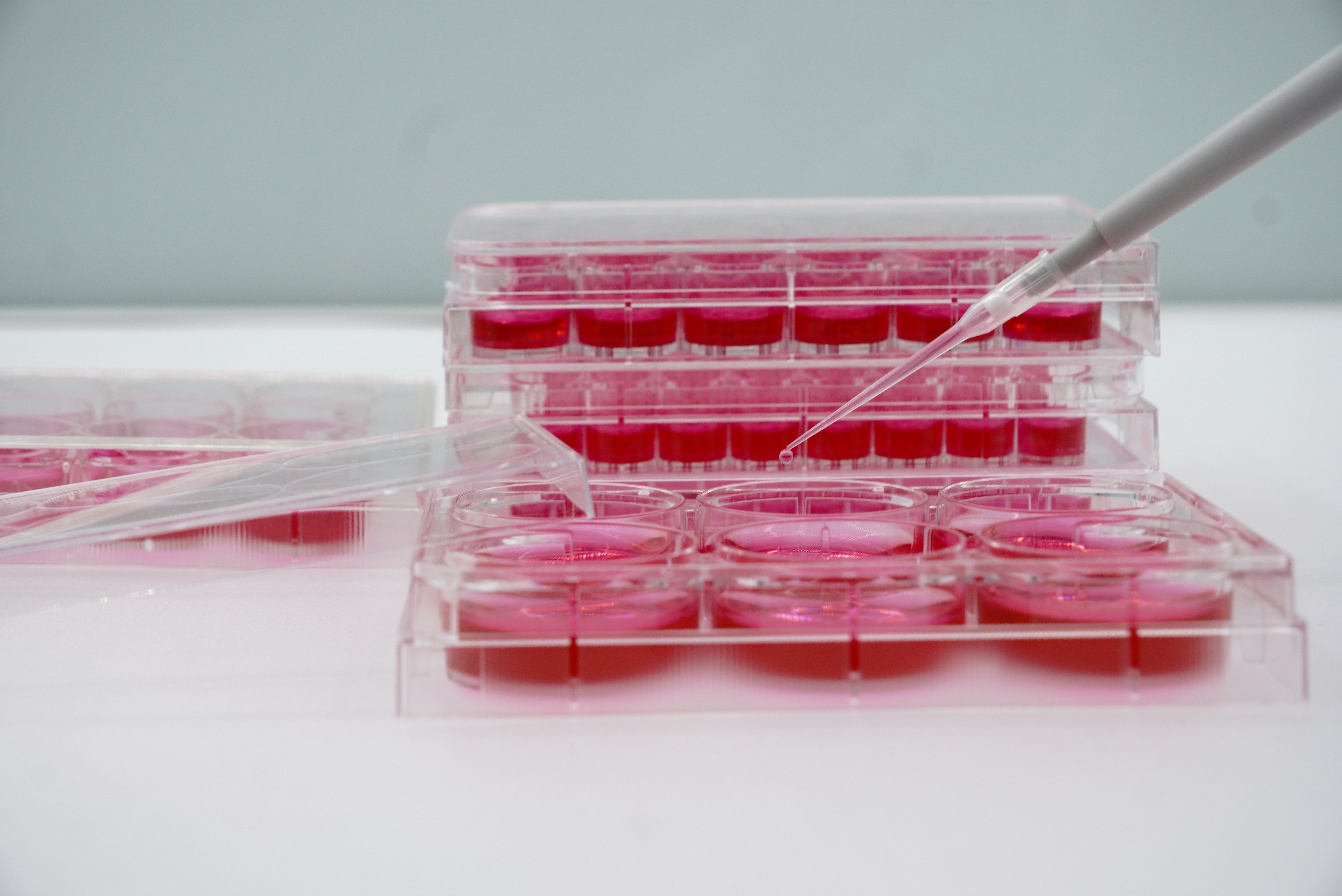
Microwell plates, or cell culture plates, are a big step forward in science. They let researchers do complex tests quickly and efficiently. With sizes from 6 to 1536 wells, they help scientists do more with less.
These plates are not just for one type of research. They’re used in many areas, from making new medicines to studying genes. Their design and flexibility make them key for fast and detailed scientific work.
Key Takeaways
- Microwell plates enable simultaneous multi-sample testing
- Available in various well configurations from 6 to 1536 wells
- Critical for high-throughput scientific research
- Used across multiple scientific disciplines
- Significantly reduce experimental time and resource requirements
Introduction to Microwell Plates
Microwell plates are a game-changer in science, making it easier to do experiments with tiny amounts of liquid. They were first made in 1951 by Dr. Gyula Takátsy. Now, they’re key to how scientists do their work.
Dr. Takátsy created these plates in Hungary when lab tools were hard to find. He made a plate with 6 rows and 12 wells, making 72 wells in total. This design made experiments much more efficient.
Defining Microwell Plates
Microwell plates are flat with many small wells. They hold tiny amounts of liquid. They have:
- Capacity to hold 10-1000 nanoliters of liquid
- Standard configurations ranging from 24 to 1536 wells
- Manufactured using materials like polystyrene and polycarbonate
Laboratory Purpose and Functionality
These special plates are crucial for science. They help with:
- Testing many samples at once
- Handling liquids with precision
- Following the same steps in experiments
“The microplate method represents a quantum leap in laboratory efficiency, saving time, labor, and resources.” – Scientific Research Quarterly
| Microplate Feature | Scientific Advantage |
|---|---|
| Multiple Wells | Simultaneous sample processing |
| Small Volume Capacity | Minimized reagent consumption |
| Material Versatility | Adaptable to various research needs |
The development of multi-well plates keeps pushing science forward. It gives scientists better tools to study complex life processes.
Types of Microwell Plates Available
Researchers use different types of microtiter plates for their studies. These plates are made for various needs, from small tests to big screenings.
- 6-well plates for first tests
- 12-well and 24-well plates for bigger sample checks
- 96-well plates for common cell tests
- 384-well plates for detailed screenings
- 1536-well plates for huge, detailed research
Standard 96-Well Plates
The 96-well plate is the most used in science. Dr. John Sever created it in 1961. It holds 320-360 μL per well, perfect for cell culture, enzyme tests, and molecular studies.
384-Well Plates and Their Applications
384-well plates are for more complex tests. They let researchers use less sample but do more tests. They’re great for genomics, proteomics, and finding new drugs.
1536-Well Plates for High-Throughput Screening
The top microwell plates have 1536 wells. They’re for the latest science. With volumes as small as 1-10 μL, they’re key for big screenings in medicine and biotech.
Scientists can pick from many shapes and coatings for their tests. This helps get accurate and reliable results in many fields.
Key Features of Microwell Plates
Microwell plates are key tools in science, especially for screening and high-throughput screening. They have special features that affect results.
Choosing the right microwell plate is important. It depends on several key features.
Material Composition and Its Significance
The material of microwell plates is very important. Scientists often pick from three main materials:
- Polystyrene: Most common for immunoassays and optical detection
- Polypropylene: Ideal for low-temperature storage (as low as -80°C)
- Glass: Provides exceptional chemical resistance
Surface Coating Options
Surface coatings can greatly improve plate performance. There are many coating types to choose from:
- High-binding surfaces for protein absorption
- Low-binding surfaces to prevent non-specific interactions
- Specialized coatings for cell culture and molecular biology
Well Volume Variability
Microplates offer flexibility in sample volumes. They range from 10 to 1000 nanoliters. Different setups meet different needs:
| Well Configuration | Sample Capacity | Typical Use |
|---|---|---|
| 24-well | 1-3 ml | Cell culture |
| 96-well | 50-300 µl | High-throughput screening |
| 384-well | 10-100 µl | Molecular biology |
| 1536-well | 1-10 µl | Advanced screening techniques |
Knowing these features helps researchers pick the best microwell plates. This ensures precise and efficient experiments.
Applications of Microwell Plates in Biotechnology
Microwell plates have changed biotechnology research a lot. They offer advanced bioassay platforms. These platforms help scientists do precise and efficient experiments in many fields.
Today, research depends a lot on cell-based assays. These assays use microwell plates in new ways. They help scientists do important research in many areas.
Cell Culture and Growth Studies
Microwell plates are great for cell culture research. They let researchers study how cells grow in detail. They use special plates that help with:
- Watching cell growth closely
- Keeping experiments controlled
- Using less sample
- Making results more reliable
Enzyme Assays and Inhibition Tests
In enzyme research, microwell plates help a lot. They let scientists quickly test how enzymes work. They can also see how different substances affect enzymes.
Drug Screening and Toxicology
Drug discovery has changed a lot with microwell plates. Pharmaceutical researchers use them to:
- Quickly test many compounds
- See how cells react
- Find new medicines
- Check if medicines are safe
Using advanced microwell plate technology is changing science. It gives researchers powerful tools to study complex life systems.
The Role of Microwell Plates in Molecular Biology
Microwell plates are key tools in molecular biology, changing how scientists work. They help with complex experiments, making them more precise and efficient.
Scientists use microwell plates for important molecular biology tasks. These tasks need quick and accurate results. The plates work for many research methods, like DNA and protein studies.
PCR and DNA Analysis
Microwell plates are vital for PCR and DNA studies. They let scientists do many genetic reactions at once. This saves time and reduces the need for samples.
- Enables parallel DNA amplification
- Supports quantitative PCR techniques
- Provides consistent thermal performance
ELISA Techniques
ELISA benefits a lot from microwell plates. These plates help detect antigens and antibodies with great accuracy.
- Standardized well configurations
- Precise volume control
- Enhanced reproducibility
Protein Interaction Studies
Protein interaction research has changed with microwell plates. Scientists can now study complex molecular interactions in detail and efficiently.
- Supports multiple protein screening methods
- Enables high-throughput interaction mapping
- Reduces material consumption
The advanced design of microwell plates keeps pushing innovation in molecular biology. They give scientists powerful tools for making new discoveries.
Advantages of Using Microwell Plates
Microwell plates have changed scientific research a lot. They offer new ways to do lab work. These plates help researchers work better, save money, and get more accurate results.
The benefits of multi-well plates are huge. They change how scientists do complex studies.
High Throughput Capabilities
Modern microplate tech lets researchers work fast and efficiently. The main benefits are:
- They can handle many samples at once
- They come in sizes like 96, 384, or 1536 wells per plate
- They cut down on the time spent on manual handling
- They make workflows more productive
Reduced Sample Volume Requirements
Multi-well plates use less sample. High-sensitivity detection technologies let researchers use tiny amounts. This saves valuable biological materials and cuts down on waste.
Cost-Effectiveness in Experimental Design
Using tissue culture plates saves a lot of money. Researchers can save by:
- Using less reagent
- Doing fewer repeat experiments
- Getting more reliable data
- Streamlining lab work
These advanced multi-well plates are a big step forward. They help scientists do more detailed, efficient, and affordable research in many fields.
Microwell Plates in Clinical Research
Clinical research uses microtiter plates a lot. These special plates help scientists do detailed medical studies. They do this with great precision and speed.
Today’s clinical labs use microwell plates for many important studies. These plates are great for complex tests. They make sure tests are done in the same way every time.
Diagnostic Test Development
Creating new tests needs strong tools. Microtiter plates give scientists big benefits:
- They can test many samples at once.
- They process samples in the same way every time.
- They need very little sample.
- They make sure tests are the same every time.
Biomarker Discovery
Assay plates are key for finding new biomarkers. Scientists can check many samples at once. This speeds up research and can lead to big discoveries.
*Precise molecular detection begins with sophisticated microplate technologies.*
Patient Sample Analysis
Clinical labs use microtiter plates for detailed patient tests. These plates help check many biological markers at once. They do this with great accuracy.
| Research Area | Microplate Application | Key Advantages |
|---|---|---|
| Oncology | Biomarker Screening | Rapid detection of cancer indicators |
| Immunology | Antibody Testing | Precise immune response analysis |
| Endocrinology | Hormone Level Assessment | Comprehensive metabolic profiling |
Using advanced microwell plate tech is changing clinical research. It gives us new insights into health and disease.
Considerations for Choosing Microwell Plates
Choosing the right microwell plates is key for successful screening and high-throughput experiments. Researchers must look at many factors to get the best results.
Scientists have to think about several important things when picking microwell plates. These things affect how well experiments work and the results they get.
Compatibility with Assays
The type of microwell plate needed depends on the assay. Different tests need different types of plates:
- Colorimetric assays do well with clear plates
- Fluorescence tests need black plates
- Luminescence studies are best with white plates
Temperature and Storage Requirements
Researchers must pick plates that can handle certain conditions. Important things to look at include:
- Can handle heat up to 120°C
- Stays stable during temperature changes
- Can be stored for a long time
Supplier Reputation and Reliability
Choosing a trusted maker is important for reliable results. Look at these key points:
| Criteria | Importance |
|---|---|
| Manufacturing Standards | High |
| Technical Support | Critical |
| Quality Control | Essential |
By looking at these factors, researchers can pick the best microwell plates. This helps make experiments better and get better results.
Best Practices for Experimentation with Microwell Plates
Researchers using bioassay platforms need to learn key techniques for accurate results. Cell-based assays require careful attention from start to finish. This includes everything from preparing samples to understanding the data.
For successful microwell plate experiments, it’s important to reduce variability and improve data quality. Scientists must follow strict protocols to keep the experiment reliable.
Sample Preparation Techniques
Getting samples ready right is key to getting good results in bioassay platforms. Important steps include:
- Keeping the sample volume consistent
- Stopping cross-contamination
- Making sure the sample is evenly mixed
- Storing samples correctly
Reagent Handling Guidelines
Handling reagents carefully is vital for cell-based assays. Here are some important tips:
- Use calibrated pipettes for exact amounts
- Try to keep pipetting consistent
- Keep sensitive reagents away from extreme temperatures
- Check if the reagents work well with the plate materials
Data Interpretation Tips
Getting useful insights from microwell plate experiments needs careful data analysis. Here are some strategies:
| Analysis Strategy | Key Considerations |
|---|---|
| Normalization | Consider background signals and experimental variations |
| Statistical Validation | Use the right statistical tests to confirm findings |
| Replicate Assessment | Check if results are consistent across different experiments |
Professional scientists know that careful technique can turn good experiments into major breakthroughs.
Innovations in Microwell Plate Technology
The world of scientific research is changing fast with new microwell plate tech. Researchers and makers are making cell culture plates better. These changes are making labs more advanced.
New microwell plate tech has changed how we do experiments. It brings amazing abilities that make research better and more precise.
Advances in Material Science
New materials are making microwell plates better. Scientists have made plates with:
- Enhanced optical properties
- Reduced background noise
- Improved surface treatments
- Greater chemical resistance
Integration with Laboratory Automation
Labs are now working with microwell plates in new ways. This makes research faster and more accurate. These systems offer:
- Increased experimental throughput
- Minimized human error
- Consistent data collection
- Rapid processing capabilities
Development of Novel Detection Methods
New ways to detect things in microwell plates are opening up new research areas. Label-free technologies and better imaging let researchers do more detailed work. This work is more precise than ever before.
The ongoing improvement in microwell plate tech shows the scientific community’s dedication. They’re always looking to make research tools better for cell culture and molecular analysis.
Regulatory Standards for Microwell Plates
Scientific research depends on strict standards for reliable lab equipment. Multi-well plates are key to quality results, thanks to strict rules.
The rules for tissue culture plates cover many important areas. They aim to ensure top performance and honest research.
FDA Compliance Guidelines
The Food and Drug Administration (FDA) sets clear rules for making microwell plates. These guidelines focus on:
- Designing the right equipment
- Keeping manufacturing consistent
- Having solid quality control steps
Quality Control Measures
Quality control is crucial in making multi-well plates. Makers must follow strict steps, including:
- Checking equipment regularly
- Calibrating instruments
- Keeping detailed maintenance records
Research Outcome Impact
Rules affect how reliable research is. Precise manufacturing specs mean tissue culture plates give the same results every time.
Standardization cuts down on mistakes and boosts scientific trustworthiness.
With strict quality control, scientists can rely on their tools. This helps them make new discoveries.
Conclusion: The Future of Microwell Plates in Scientific Research
Scientific research is always changing, and microtiter plates are key to this progress. These assay plates have changed how we do experiments. They help us do our work more accurately and quickly in many fields.
New technologies are making microwell plates even better. Now, we can use much less sample, like 2-15 μL, and still get precise results. This not only saves money but also lets us do more detailed research in areas like molecular biology and drug discovery.
The future of science will depend more on these advanced plates. Thanks to better materials, temperature control, and screening, they’re becoming crucial for solving big biological puzzles. They’ll help us make new medicines and technologies, leading to major breakthroughs in health and science.
Trends in Laboratory Equipment
Laboratory tools are getting better to meet today’s research needs. Microwell plates are now more stable, have better temperature control, and work with new automation systems. They also have digital interfaces and real-time monitoring, changing how we collect and analyze data.
The Evolving Role of Microwell Plates in Science
As science gets more complex, microwell plates will keep up. They’re essential for many types of research, from growing cells to testing drugs. Their ongoing development will bring even more innovative tools for scientists to explore and understand the world.
FAQ
What are microwell plates?
Microwell plates are special tools for labs. They have many small wells in a grid, usually made of plastic. They help scientists do lots of experiments at once in a small space.
What are the most common types of microwell plates?
You’ll often see 96-well, 384-well, and 1536-well plates. The 96-well is the most common. But 384-well and 1536-well plates are denser, for more complex research.
What materials are microwell plates typically made from?
They’re mostly made from polystyrene, polypropylene, and sometimes glass. Each material is best for different kinds of research, like growing cells or studying proteins.
How do surface coatings impact microwell plate performance?
Surface coatings are very important. They help catch proteins or antibodies, or stop them from sticking too much. Special coatings can also help cells grow or improve reactions in tests.
What are the primary applications of microwell plates?
They’re used in many fields, like growing cells, testing drugs, and studying proteins. They’re key for doing lots of research at once in biotech, molecular biology, and clinical studies.
What advantages do microwell plates offer to researchers?
They let you do lots of tests at once, saving time and money. They also use less sample, making research more efficient. This helps standardize experiments and save resources.
How do I choose the right microwell plate for my experiment?
Think about what you need for your test, like the right size and coating. Talk to experts and know what you’re doing to pick the best plate.
Are there regulatory standards for microwell plates?
Yes, they must follow FDA rules and pass strict quality checks. This makes sure they work well and give reliable results in different labs.
What recent innovations exist in microwell plate technology?
New stuff includes better materials, clearer designs, and working with lab machines. These changes make microwell plates even more useful for research.
How are microwell plates used in clinical research?
In clinical research, they’re vital for making tests, finding biomarkers, and testing new treatments. They help handle and analyze lots of samples quickly.





Leave a Comment
Your email address will not be published. Required fields are marked *