


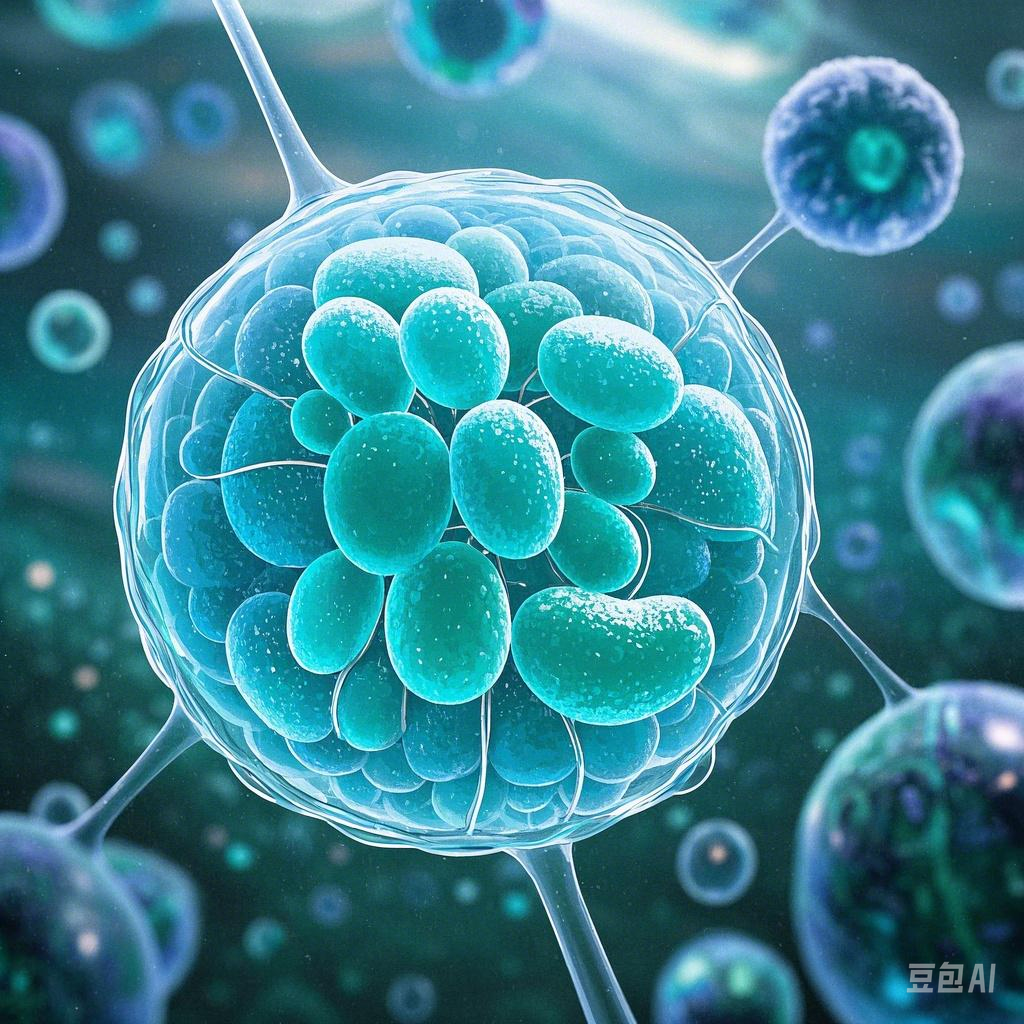
Ever wondered how scientists make millions of DNA copies in hours? The answer is the PCR well, a small but mighty tool changing molecular biology.
PCR technology started in the early 1980s. It has changed how we study DNA. The PCR well is key for making copies of DNA. This lets scientists study complex biological processes with great detail.
PCR wells are crucial in genetic research and medical tests. They help find viruses and improve personalized medicine. They are key to understanding genetics better.
Key Takeaways
- PCR wells are essential for DNA amplification processes
- Introduced in the 1980s, PCR technology has revolutionized genetic research
- PCR wells enable rapid and precise genetic material replication
- Used in medical diagnostics, research, and forensic science
- Supports detection of various viral and microbial pathogens
Understanding the PCR Well
In the world of molecular biology, PCR wells are key for genetic research and diagnostics. They are special containers for DNA amplification. This lets scientists study genes with great precision and speed.
PCR wells are tiny chambers for the PCR process. They create a controlled space for DNA to multiply quickly. This helps scientists in many fields.
Key Characteristics of PCR Wells
- Precise thermal management for DNA amplification
- Compact design enabling minimal sample volumes
- High-performance materials resistant to chemical interactions
- Compatibility with advanced molecular biology techniques
Significance in Molecular Biology
PCR wells are very important in molecular biology. They help researchers:
- Amplify tiny DNA amounts with great sensitivity
- Make millions of DNA copies in minutes
- Do precise genetic analysis and diagnostics
- Support major research in genetics and medicine
PCR wells can make one DNA molecule into millions. This has changed genetic research a lot. PCR protocols usually use 25 to 35 cycles to make lots of DNA.
PCR wells are a big step in molecular biology. They change how scientists study genes.
Today’s PCR wells support advanced methods like qRT-PCR. This lets researchers measure gene expression levels very accurately and fast.
The Structure of a PCR Well
PCR wells are key in molecular biology, used for DNA amplification. They are designed for precise research in many settings.
Today’s PCR wells are made with advanced materials. This ensures they work well in complex genetic studies.
Materials Used in Construction
Most labs use thin polypropylene for PCR plates and tubes. This material has great benefits:
- Rapid and uniform heat transfer
- Chemical resistance
- Minimal thermal mass
- High durability
Dimensions and Configurations
PCR wells come in many formats for different research needs. Scientists can pick the best one for their experiments.
| Configuration | Typical Volume Range | Common Applications |
|---|---|---|
| 96-Well Plates | 10-50 µL | High-throughput screening |
| Individual PCR Tubes | 0.2-0.5 mL | Small-scale experiments |
| Low-Profile Plates | <50 µL | Specialized thermal cycling |
Choosing the right PCR tubes and plates depends on the experiment. This includes the sample volume, thermal cycling needs, and analysis methods.
How PCR Wells Function
PCR wells are key in DNA amplification, acting as special containers for precise thermal cycling. They are vital in molecular biology and diagnostic techniques.
The DNA amplification process depends on controlled temperature changes in these wells. A thermal cycler changes the temperature for three main steps:
- Denaturation: Separating DNA strands at 95°C
- Annealing: Cooling to allow primer binding
- Extension: Rebuilding DNA strands at optimal enzyme temperatures
Mechanism of DNA Amplification
DNA amplification in PCR wells is amazing. Starting with one DNA copy, a thermal cycler can make over a billion copies in 30 cycles. Taq polymerase makes this growth possible without needing new enzyme in each cycle.
Role in Thermal Cycling
The thermal cycler’s accuracy is crucial. Each PCR well needs to keep heat evenly to ensure DNA replication is accurate. High-end thermal cyclers can handle 96 or 384 wells at once, which is very useful in research and diagnostics.
PCR allows amplification from extremely small genetic samples, such as a single hair root or a microscopic blood spot.
Researchers pick PCR wells based on material, temperature resistance, and how well they prevent contamination. Polypropylene is the top choice because it’s strong and keeps heat well.
Types of PCR Wells
Researchers in molecular biology use different PCR well setups to improve their work. Choosing the right pcr plates and tubes is key for accurate DNA amplification.
There are many PCR well types to fit various research needs. They offer flexible solutions for different scientific tasks.
Standard PCR Wells
Standard PCR wells are in individual tubes for specific research. These tubes help researchers amplify DNA precisely:
- Individual 0.2 mL tubes for low-throughput experiments
- 8-tube and 12-tube strips for moderate sample processing
- Compatibility with most thermal cyclers
Multi-Well Plates
Multi-well PCR plates are a big step forward in genetic research. They help manage samples efficiently:
- 96-well plates for routine lab work
- 384-well plates for advanced research needing small sample volumes
- Automated liquid handling compatibility
Researchers can pick from many plate types based on their needs. This ensures the best results and reliability.
Precision in PCR well selection directly impacts experimental success and data quality.
Today’s PCR products have advanced features like full skirted designs, low-profile options, and special coatings. These features improve research results.
Benefits of Using PCR Wells
PCR wells are key in advancing nucleic acid amplification in biotechnology. They offer big advantages that make experiments smoother and results better.
- Maximize experimental efficiency with simultaneous sample processing
- Ensure consistent reaction conditions across multiple samples
- Reduce potential contamination risks
- Support high-throughput research workflows
Enhancing Experiment Efficiency
Modern PCR wells boost research productivity a lot. A 96-well plate can handle up to 96 samples at once. Liquid volumes range from 10 to 200 microliters per well.
The uniform size and precise spacing of wells ensure consistent conditions. This is vital for precise gene analysis and quantitative PCR.
Reducing Contamination Risks
Advanced PCR well designs cut down on contamination risks. Materials like polypropylene reduce DNA and RNA binding. Sealing options like adhesive films keep things safe.
These features are crucial for keeping nucleic acid amplification processes clean in biotechnology research.
Using these advanced PCR well technologies, researchers get more reliable and precise results. This is true for many molecular biology applications.
Choosing the Right PCR Well
Choosing the right PCR well is key for good genetic analysis and top performance in thermal cycler experiments. Researchers must look at many factors to make sure their PCR wells fit their research needs.
Scientists have to think about several important things when picking PCR wells. These things affect how well the experiments work:
- Thermal cycler compatibility
- Sample volume requirements
- Material composition
- Experimental throughput
- Downstream genetic analysis needs
Instrument Compatibility Considerations
Different thermal cyclers need specific PCR well formats. Researchers must check the exact size needs to make sure the wells fit right and work best.
| PCR Well Feature | Specification | Typical Range |
|---|---|---|
| Well Volume | Standard Capacity | 0.2 mL – 0.3 mL |
| Wall Thickness | Ultrathin Option | Approximately 50% thinner |
| Well Configuration | Recommended Design | Fully/Semi-skirted |
Critical Selection Factors
Choosing the right PCR well means looking at many things for precise genetic analysis. Important factors include:
- Thermal Efficiency: Make sure heat spreads evenly and fast
- Contamination Prevention: Pick wells with high purity
- Signal Quality: Look for wells with special coatings for better detection
By carefully checking these points, researchers can make their thermal cycler work better. This helps make their genetic analysis experiments more reliable.
Maintenance and Care for PCR Wells
Keeping PCR wells in good shape is key for reliable molecular biology results. Regular care stops contamination and keeps lab gear working well.
Good PCR well care means following a detailed plan. It keeps your molecular biology research safe. Lab pros need to clean and store carefully to get the best results.
Cleaning Techniques for PCR Wells
Cleaning PCR wells needs to be done right. Here are the important steps:
- Use 100% isopropanol for routine cleaning
- Apply 10% bleach solution for deep decontamination
- Clean sample wells after every experiment
- Inspect wells for any visible contamination
Storage Guidelines
Storing PCR wells right is key to keeping them good. Here are some tips:
- Store PCR wells in a clean, dry place
- Keep them away from direct sunlight and extreme temperatures
- Use protective cases or containers
- Avoid storing near things that could contaminate
How often you need to maintain depends on how much you use them. High-end users should do it every 3 months, while lower-end users can do it every 6 months. It’s also important to check temperature and system performance often for accurate PCR results.
Getting the temperature right is very important in molecular biology. Even small changes can affect your results.
By following these care tips, researchers can make their PCR wells last longer and work better. This helps make scientific studies more precise and reliable.
Innovations in PCR Well Technology
The world of biotechnology is changing fast, with PCR well technology leading the way. Scientists are working hard to make better tools for studying genes. This is especially true for molecular diagnostics.
New materials in science have changed PCR wells a lot. They help with problems in genetic research. These new materials make DNA amplification more accurate and efficient.
Cutting-Edge Material Developments
- Enhanced thermal-resistant polymers
- Nano-engineered surface coatings
- Ultra-low binding surface treatments
Automation has changed PCR technology a lot. Now, PCR wells work well with automated systems. This makes genetic analysis faster and easier. Taq polymerase works better because of these new technologies.
Automation Integration Highlights
| Technology Feature | Performance Improvement |
|---|---|
| Robotic sample handling | 95% reduction in manual errors |
| Automated thermal cycling | 40% faster processing time |
| Digital result tracking | Real-time data management |
New PCR well designs can do many tests at once. This lets researchers study many genes at the same time. These advances are making genetic research easier and more efficient.
Future Trends in PCR Wells
The world of genetic analysis is changing fast, with PCR well technology leading the way. Scientists are working on new designs that will change how we do nucleic acid amplification. Now, miniaturized PCR systems can cycle through temperatures in just 0.4 seconds per cycle. This cuts down the time it takes for a reaction to less than 15 seconds.
New trends show big improvements in PCR well abilities. Digital PCR (dPCR) systems can split samples into over 1 million parts. This makes genetic analysis more precise. Microfluidic PCR-based systems are getting better too, using silicon chips for heating and advanced microscopy.
PCR wells are moving beyond the lab. The COVID-19 pandemic has sped up the development of diagnostic tools. New methods like isothermal amplification don’t need temperature changes, making them more flexible.
Researchers are working on combining sample prep with qPCR technologies. This will make diagnostic tools more portable and efficient. These advances will change genetic analysis in many fields, from medicine to environmental monitoring. They will make complex genetic research faster and more accessible than ever.
FAQ
What is a PCR well?
A PCR well is a special container for PCR experiments. It’s made of polypropylene and holds DNA samples. These wells are key in molecular biology for precise genetic analysis.
How do PCR wells contribute to DNA amplification?
PCR wells help in the thermal cycling process. They provide a controlled environment for DNA amplification. This ensures efficient and accurate nucleic acid replication.
What are the different types of PCR wells available?
There are many PCR well formats, like individual tubes and multi-well plates. Multi-well plates come in 96-well or 384-well sizes. They help in high-throughput genetic analysis.
What materials are PCR wells typically made from?
PCR wells are made from high-quality polypropylene. This material is chosen for its thermal conductivity and chemical resistance. It ensures accurate temperature transfer and prevents contamination.
How do I choose the right PCR well for my experiment?
Choosing the right PCR well depends on several factors. Consider sample volume, experimental throughput, and compatibility with thermal cyclers. Also, think about the well’s dimensions and sealing mechanisms.
What are the key advantages of using PCR wells?
PCR wells offer many advantages. They provide uniform heat distribution and reduce contamination risks. They are compatible with automated systems and support precise genetic analysis.
How should PCR wells be maintained?
Maintaining PCR wells is crucial. Clean them carefully to prevent contamination. Store them in sterile conditions and handle them with precision. Follow manufacturer guidelines to preserve your experiments.
What recent innovations exist in PCR well technology?
Recent innovations include advanced materials and features like reduced evaporation. These developments support more efficient PCR reactions and high-throughput genetic analysis.
Can PCR wells be used for different types of genetic research?
Yes, PCR wells are versatile. They are used in medical diagnostics, forensic science, agricultural biotechnology, and academic research. Their adaptability makes them essential in many molecular biology applications.
What future trends are expected in PCR well design?
Future trends include improved heat transfer and increased well density. There will also be integration of real-time monitoring capabilities. These advancements will support more sensitive and rapid genetic analysis techniques.





Leave a Comment
Your email address will not be published. Required fields are marked *