



Have you ever wondered about the role of plastic Pasteur pipettes in labs? These small tools are key to precise liquid handling in biology.
Plastic Pasteur pipettes are a big step forward in lab tools. They help scientists move tiny amounts of liquid with great care. Unlike old glass pipettes, they are safer, last longer, and are easier to use.
These tools are vital in many lab tasks, from studying microbes to analyzing chemicals. They let researchers do their work safely and without worrying about breaking things. Their light weight and low cost make them a must-have in labs everywhere.
Key Takeaways
- Plastic Pasteur pipettes provide superior liquid transfer precision
- Lightweight and durable design reduces potential research interruptions
- Cost-effective alternative to traditional glass pipetting tools
- Minimizes risk of sample contamination
- Adaptable across multiple scientific research disciplines
Introduction to Plastic Pasteur Pipettes
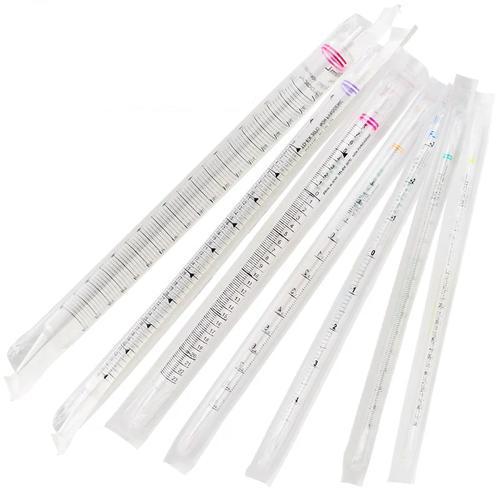
Plastic Pasteur pipettes are key tools in labs for handling liquids. They help scientists move samples with great care and precision. These disposable pipettes are vital for anyone needing to transfer liquids accurately and efficiently.
These pipettes have a fine tip for precise work. They are lightweight and easy to use. This makes them perfect for scientists who need to handle liquids with care.
Definition and Core Purpose
A Pasteur pipette is a long, thin tool for moving small amounts of liquid. It has:
- Thin, tapered glass or plastic construction
- Typically ranging from 5.75 to 9 inches in length
- Available in sterile and non-sterile configurations
- Designed for single-use or limited reuse
Common Laboratory Applications
These disposable pipettes are used in many areas of biological research:
- Cell culture investigations
- Microbial sample preparation
- Genetic research procedures
- Chemical solution transfers
- Microscopic specimen handling
“Precision is the essence of scientific discovery, and Pasteur pipettes provide that critical accuracy.” – Laboratory Research Journal
Scientists value these tools for their role in keeping experiments clean. They help manage liquids safely in delicate settings.
Material Composition and Types
Laboratory researchers use tools like polystyrene and serological pipettes for precise liquid transfers. It’s important to know the materials and their properties. This helps choose the right pipette for each scientific task.
Plastic has changed lab equipment, offering benefits over glass. Polypropylene and polystyrene are the main materials for pipettes. Each has its own chemical and physical traits.
Plastic Material Properties
- Polystyrene pipettes are very clear
- Polypropylene is great for resisting chemicals
- These materials are light, helping to keep cells and proteins safe
- They are easy to handle because they are light
Comparison of Plastic and Glass Pipettes
| Characteristic | Plastic Pipettes | Glass Pipettes |
|---|---|---|
| Durability | High impact resistance | Fragile, prone to breakage |
| Chemical Resistance | Varies by material type | Limited resistance |
| Cost | More affordable | Higher manufacturing expense |
| Weight | Lightweight | Heavier |
Serological pipettes are a special type of plastic pipette. They are used for precise liquid transfers in biological research. Their graduated markings and consistent drop volume are key for accurate measurements.
Key Considerations for Material Selection
- Chemical compatibility with research samples
- Required precision of liquid transfer
- Potential for contamination
- Cost-effectiveness
The evolution of pipette materials is driving innovation in labs. Researchers are always looking for better and more reliable ways to handle liquids.
Benefits of Using Plastic Pasteur Pipettes
Laboratory experts see plastic Pasteur pipettes as key tools for research. They are essential for scientific work. These pipettes bring many benefits to modern labs.
These tools stand out for their unique features. They greatly enhance lab work:
- Exceptional cost-effectiveness for routine laboratory procedures
- Superior durability compared to traditional glass alternatives
- Lightweight design for extended handling comfort
- Reduced risk of accidental breakage
Cost-Effectiveness and Affordability
Plastic Pasteur pipettes are a budget-friendly choice for labs. Made from low-density polyethylene (LDPE), they save money in the long run. Scientists can run many tests without spending a lot on new tools.
Reduced Risk of Breakage
Modern plastic pipettes are much safer than old glass ones. Researchers can now work with greater confidence. They know their tools are tough and less likely to break during important tests.
Lightweight Design for Easier Handling
The design of plastic Pasteur pipettes makes handling easy. They are light, allowing for precise liquid transfers up to 2.5 milliliters. This makes them perfect for detailed scientific tasks.
“Innovative design meets practical functionality in modern laboratory equipment.” – Scientific Research Quarterly
How to Choose the Right Pasteur Pipette
Choosing the right pasteur pipette plastic is key for accurate lab work. Scientists need to look at several factors for their specific needs.
When picking between volumetric pipettes and pasteur pipette plastic, consider these important points:
- Specific laboratory requirements
- Volume transfer needs
- Sample characteristics
- Sterility requirements
Factors to Consider in Selection
Different pipettes are made for different tasks in biological research. It’s important to look at key features that affect how well they work.
| Pipette Type | Typical Volume Range | Best Application |
|---|---|---|
| Graduated Pasteur Pipettes | 0.9 mL – 5 mL | Precise liquid measurements |
| Fine Tip Pipettes | Micro volumes | Delicate sample transfers |
| Narrow Stem Pipettes | 1 mL – 3 mL | Controlled liquid dispensing |
Typical Volume Capacity Options
The volume capacity is a big factor in choosing a pipette. There are many options available:
- 0.25 mL increments for small transfers
- 0.5 mL increments for medium-volume tasks
- 1 mL increments for bigger volumes
Additional Features to Look For
Today’s pasteur pipette plastics have new features. Look for things like sterility packaging, material, and special tip designs. These can make lab work more efficient.
Now, pipettes come wrapped or in bulk. This gives labs more options. The choice depends on what the lab needs and how to avoid contamination.
Proper Usage Techniques
Learning how to use microbiological supplies like Pasteur pipettes is key for good lab work. These tools need careful handling to transfer liquids accurately and avoid contamination.
Researchers must use Pasteur pipettes correctly to keep their experiments reliable. Here are the best steps to follow:
- Choose the right pipette size for your liquid amount
- Check the pipette for damage before starting
- Hold the pipette straight to avoid uneven liquid
- Press the bulb softly to create suction
- Let the liquid out slowly and evenly
Best Practices for Precision
To get precise results with Pasteur pipettes, consider a few important things. Temperature and liquid viscosity affect how much liquid you can transfer. Here’s what to do:
- Pre-rinse pipette tips for better consistency
- Use new tips each time to avoid contamination
- Keep the angle and speed the same when transferring liquid
- Clean the pipettes after each use
Experts say to calibrate pipettes often. Pasteur pipettes can handle up to 2.5 milliliters without calibration, making them great for many microbiology tasks.
Tips for Enhanced Performance
To get the most out of these tools, follow these tips:
- Keep pipettes in a clean, dry place
- Don’t expose them to extreme temperatures
- Change tips after each use
- Wear clean, lint-free gloves when handling
By sticking to these tips, scientists can handle liquids accurately and reliably in their microbiology studies.
Cleaning and Maintenance Guidelines
Laboratory experts know how important it is to keep sterile transfer pipettes clean. Even though disposable pipettes are meant for one-time use, cleaning them right can make them last longer. It also helps stop the spread of germs.
- Wash them with 70% ethanol every day to stop germs
- Check them carefully before and after each use
- Store them in a clean, dry place
- Handle them gently to avoid breaking them
Recommended Cleaning Procedures
For labs that need to be super clean, cleaning sterile transfer pipettes must be done carefully. Different germs need different cleaning methods:
- For water solutions: Rinse with distilled water
- For protein leftovers: Use special detergent
- For DNA or RNA: Use sodium hypochlorite
- For oil-based solutions: Soak in the right cleaning solution
Importance of Regular Maintenance
“Proper pipette maintenance is not just a procedure, it’s a commitment to scientific accuracy.”
Keeping disposable pipettes in good condition is key to a lab’s success. Labs should have a cleaning plan that fits their research and the types of germs they might face. How often to clean depends on how often you use them:
- For daily use: Clean every two weeks
- For occasional use: Clean every three months
- For critical research: Clean after each use
By sticking to these tips, scientists can get the most out of their sterile transfer pipettes. This helps keep their work precise and reliable.
Safety Considerations in the Laboratory
Laboratory safety is key in scientific research, especially with plastic Pasteur pipettes and other lab supplies. Biological labs need strict safety rules to keep researchers safe and prevent contamination.
Professional labs must have strong safety plans to handle biological and chemical samples safely. Studies show lab workers face special risks that need careful protection.
Critical Handling Protocols for Biological Samples
When using plastic Pasteur pipettes, researchers should follow these important safety tips:
- Always wear the right personal protective equipment (PPE)
- Use mechanical pipettes instead of mouth pipetting
- Keep your workspace clean and organized
- Dispose of contaminated materials correctly
- Check the sample’s integrity before handling it
Personal Protective Equipment Recommendations
Choosing the right PPE is vital for lab safety with plastic Pasteur pipettes. Here’s what’s recommended:
- Chemical-resistant gloves
- Safety goggles or face shields
- Lab coat or protective apron
- Closed-toe shoes
- Optional respiratory protection for aerosol-generating procedures
By following strict safety rules, lab-acquired infections can drop a lot. Approximately 500,000 individuals work in diagnostic laboratories, showing the need for thorough safety measures.
Proper safety practices protect both researchers and scientific integrity.
Putting safety first and using modern lab supplies like plastic Pasteur pipettes helps reduce risks. This way, researchers can keep their work at high standards.
Environmental Impact and Sustainability
Laboratory waste management is a big deal in science today. Disposable pipettes are a key part of this issue. Labs throw away a lot of plastic every year.
Scientists are now looking at green ways to use polystyrene pipettes. They want to cut down on waste and encourage recycling in labs.
Biodegradable Alternatives
New solutions are coming for disposable pipettes:
- Home compostable materials
- Ways to use less plastic
- Pipettes that are easy to recycle
Recyclability of Plastic Pipettes
It’s important to know which plastics can be recycled. Polyethylene Terephthalate (PET) is seen as a better choice than old plastics.
Here are some green tips for polystyrene pipettes:
- Refill systems can cut plastic use by 85%
- Some makers use 25% recycled plastic in their products
- New packaging is made from 100% recycled plastic
By choosing these green options, lab workers can greatly reduce plastic waste. They can make a big difference in their research.
Comparison with Other Pipetting Tools
Laboratory researchers use many pipetting tools for precise liquid handling. Plastic Pasteur pipettes have special benefits compared to serological and volumetric pipettes. They are key in many scientific tasks.
Different pipetting tools have their own strengths in labs. Pasteur pipettes are unique because they are versatile and easy to use in various research settings.
Advantages Over Traditional Pipettes
- Lightweight design for comfortable handling
- Low-cost disposable option
- Minimal risk of cross-contamination
- Suitable for transferring small liquid volumes
Serological pipettes need more precise calibration. Pasteur pipettes are flexible for liquid transfer. These disposable droppers are great for quick, simple sample movement.
Use Cases Where Pasteur Pipettes Excel
| Research Area | Pasteur Pipette Application |
|---|---|
| Microbiology | Cell culture media transfer |
| Biochemistry | Enzyme solution dispensing |
| Environmental Science | Sample dilution and preparation |
Volumetric pipettes are crucial for exact measurements. But Pasteur pipettes are unmatched for quick, simple liquid transfers. Their disposable nature means no need for deep cleaning, saving researchers time.
Innovations in Pasteur Pipette Design
The world of microbiological supplies is always changing, with big steps forward in lab tools. Pasteur pipettes have seen major updates, showing how fast science moves.
New tech has changed the old Pasteur pipette, adding features that make it better for science. These changes improve how precise and reliable it is for research.
Manufacturing Technology Breakthroughs
Today’s Pasteur pipettes use new materials and designs to fix old problems. The big changes include:
- Nano-engineered polymer compositions
- Enhanced chemical resistance
- Improved dimensional accuracy
- Reduced potential for cross-contamination
Future Trends in Laboratory Equipment
The future of lab tools looks bright, with smarter and more advanced designs. We can look forward to:
- Smart material technologies
- Integrated contamination detection systems
- Ergonomic handling improvements
- Enhanced volume precision
New trends are moving towards intelligent liquid transfer systems. These aim to cut down on mistakes and make results more reliable.
| Innovation Category | Key Characteristics | Potential Impact |
|---|---|---|
| Material Science | Advanced polymer compositions | Improved chemical resistance |
| Design Engineering | Precision manufacturing techniques | Enhanced volume accuracy |
| Digital Integration | Smart tracking capabilities | Reduced contamination risks |
These new ideas are a big step up for microbiological supplies. They promise better, more efficient tools for scientists everywhere.
Regulatory Compliance and Standards
Laboratory equipment, like sterile transfer pipettes, must follow strict rules. These rules ensure the accuracy and safety of scientific work. The world of compliance is complex, with many international rules for making and using pasteur pipette plastic devices.
Many regulations shape how laboratory pipettes are made and used worldwide. The European Union’s guidelines are especially important. They help set standards for scientific tools globally.
Critical Industry Standards for Laboratory Equipment
Companies making sterile transfer pipettes must follow key rules:
- ISO 13485 certification for medical device quality management
- FDA Quality System Regulations (QSR)
- CE marking for European market compatibility
- ISO 9001 quality management standards
Importance of Compliance in Laboratory Settings
Following these standards is crucial for scientific research:
- Consistent product performance
- Reproducibility of experimental results
- Safety of laboratory personnel
- Reliable data collection
The European Commission’s rules have led to better pasteur pipette plastic products. Compliance is not just a legal requirement but a cornerstone of scientific integrity.
Regulatory standards transform laboratory equipment from mere tools to validated scientific instruments.
When choosing sterile transfer pipettes, labs should look for products that meet international standards. This ensures reliable and safe research in many scientific fields.
Conclusion
Plastic Pasteur pipettes are key in scientific research. They make labs more precise and efficient. These tools help scientists handle liquids and samples accurately.
Choosing the right disposable pipettes is crucial. Labs need to know about their materials, sizes, and how to use them. This knowledge helps avoid mistakes and keeps experiments reliable.
The Significance of Strategic Selection
Researchers should think carefully about their tools. Using top-quality plastic Pasteur pipettes improves their work. It makes experiments more reliable and reduces contamination risks.
The technology behind pipettes keeps getting better. This helps scientists tackle more complex research.
Future of Laboratory Equipment
As science moves forward, better tools will be needed. Plastic Pasteur pipettes are at the heart of this progress. They show how innovation meets practical science.
FAQ
What are plastic Pasteur pipettes used for in biological laboratories?
Plastic Pasteur pipettes are key tools in labs for handling liquids. They are used in cell culture, sample prep, and studying microbes. These pipettes are sterile and efficient for moving small liquid volumes.
What materials are typically used to manufacture Pasteur pipettes?
They’re made from polystyrene and polypropylene. These plastics are better than glass because they’re durable, resistant to chemicals, and light. This makes them easier to handle in labs.
How do plastic Pasteur pipettes differ from other types of pipettes?
Pasteur pipettes are for less precise transfers and are disposable. They’re great for sterile transfers and general lab work. They offer a flexible and cost-effective solution for many tasks.
Are plastic Pasteur pipettes environmentally friendly?
Traditional plastic pipettes are not good for the environment. But, there are now biodegradable and recyclable options. Labs can choose sustainable pipettes that are good for the planet and still meet sterility and performance needs.
What safety considerations should be taken when using Pasteur pipettes?
Researchers should wear PPE, handle samples carefully, and follow sterility protocols. Plastic pipettes are safer than glass because they don’t break and cause cuts.
How do I choose the right Pasteur pipette for my research?
Consider the volume, sterility, and your specific needs. Look at the material, graduation marks, and if it fits your research. This will help you pick the right pipette.
Can Pasteur pipettes be cleaned and reused?
Some can be cleaned for non-critical use. But, for high-sterility research, it’s best to use new, sterile pipettes. This prevents contamination.
What recent innovations exist in Pasteur pipette design?
New designs include better materials, enhanced sterility, and precise graduations. There are also biodegradable options. Manufacturers aim to make lab supplies more efficient, green, and user-friendly.





Leave a Comment
Your email address will not be published. Required fields are marked *