



Have you ever wondered how scientists get such precise liquid handling? The 3ml pipette is a key precision instrument that changes research. It’s used in many scientific fields.
Today’s labs need super accurate liquid handling. A 3ml pipette is more than a tool. It’s a high-tech device that helps scientists move tiny amounts with great accuracy.
These tools are for experts in chemistry, biology, and pharma. They give scientists the confidence to do precise experiments. The 3ml pipette is vital for studying cells and complex molecules.
Key Takeaways
- 3ml pipettes offer exceptional precision in liquid handling
- Critical tool for multiple scientific research disciplines
- Engineered to minimize measurement errors
- Supports complex laboratory procedures
- Essential for maintaining research integrity
Understanding the 3ml Pipette: Definition and Purpose
Scientific research needs exact liquid handling. The 3ml pipette is a key tool for this. It helps researchers measure and move liquids with great accuracy.
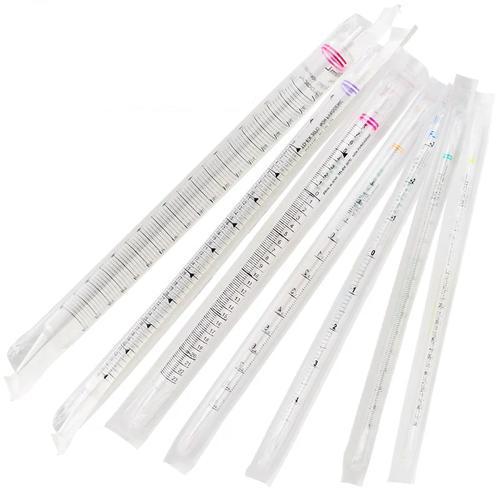
A 3ml pipette is a device for moving exactly 3 milliliters of liquid. It has features that make it essential in science:
- Measurements marked in 0.5 ml increments
- Length of 15.5 cm for ergonomic handling
- Soft and pliable design for ease of use
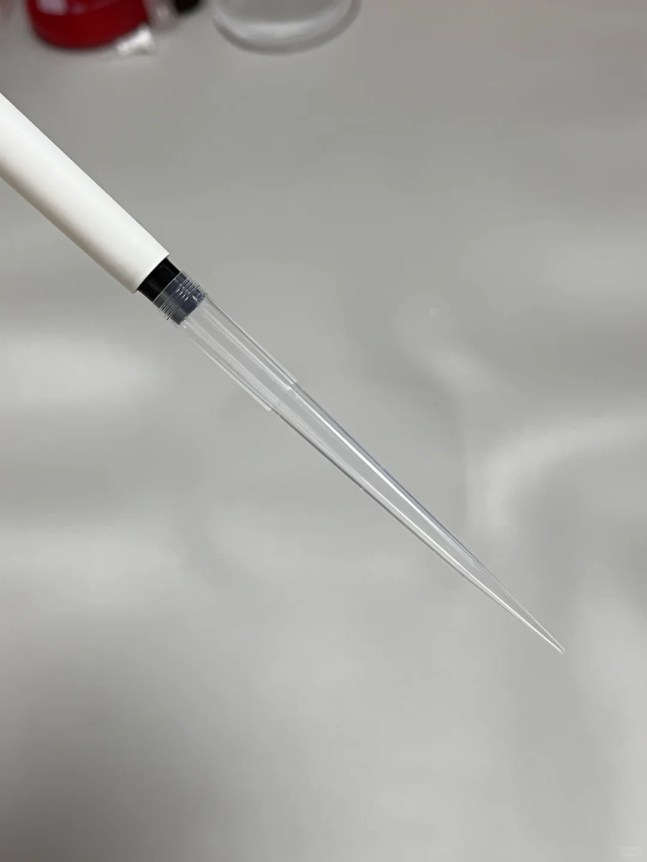
- Transparent body for clear liquid visibility
Core Function of 3ml Pipettes
3ml pipettes are great for precise liquid handling. They are used in many scientific fields. They help transfer small amounts of liquid safely.
Scientific Applications
3ml pipettes are used in many areas:
- Biology labs for cell culture
- Chemical research for mixing reagents
- Educational settings for demos
- Medical diagnostics for handling samples
| Pipette Characteristic | Specification |
|---|---|
| Capacity | 3 ml |
| Measurement Markings | 0.5 ml increments |
| Material | Polypropylene |
| Usage | Single use |
The 3ml pipette shows the importance of precision in science. It lets researchers do their work with confidence.
Key Features of a Quality 3ml Pipette
Precision instruments are vital in scientific research. 3ml pipettes are key for accurate liquid handling. They help lab professionals get consistent results in various biological studies.
Choosing a top-notch 3ml pipette needs careful thought. Several important features affect research success.
Material Construction
The durability of a pipette depends on its materials. The best 3ml pipettes are made from:
- Chemical-resistant polymers
- Medical-grade stainless steel
- Autoclavable materials
- Corrosion-resistant alloys
Accuracy and Precision
Calibration is crucial for reliable pipetting. Professional 3ml pipettes offer high precision. They can draw up to 3.5 mL and measure in 0.5 mL increments.
Compatibility with Various Liquids
Versatility is essential in biological research. A quality 3ml pipette must be:
- Compatible with different liquids
- Resistant to chemical interactions
- Consistent across various temperatures
- Have little liquid retention
Researchers can trust these precision tools for many tasks. They work well with cell culture media and special reagents. This ensures their pipetting stays accurate.
Applications of the 3ml Pipette in the Biological Field
Precision biotechnology tools are key in today’s science. The 3ml pipette is a standout tool for many biological fields. It helps with precise sample transfer and experiments.
Scientists use 3ml pipettes for many important lab tasks. They make sure results are reliable and consistent in tiny amounts of biological materials.
Sample Preparation Techniques
Getting samples ready right is crucial. Researchers use 3ml pipettes for:
- Creating exact dilutions
- Extracting tiny biological samples
- Making strong solutions
- Keeping experiments consistent
Reagent Dispensing Processes
Getting reagents right is key in biology. The 3ml pipette helps scientists:
- Measure exact amounts of chemicals
- Keep things clean and free from contamination
- Save materials by using just what’s needed
- Make sure experiments can be repeated
Cell Culture Applications
Cell culture needs precise handling of liquids. Microliters of growth media and other important substances need careful transfer. 3ml pipettes help with:
- Changing media
- Adding growth factors
- Introducing new compounds
- Keeping things clean and sterile
These advanced tools are vital for improving our understanding of biology. They help scientists measure and handle biological materials with great precision.
Benefits of Using a 3ml Pipette
Precision instruments like 3ml pipettes are key in today’s labs. They make handling liquids better in scientific research. This leads to more accurate and efficient experiments.
Laboratory experts use 3ml pipettes for their top-notch performance. These tools help manage small liquid samples well.
Enhanced Precision in Measurements
Getting the right amount of liquid is vital in science. 3ml pipettes help by:
- Ensuring consistent volume transfers
- Minimizing human error during experiments
- Providing reproducible results
Reduced Contamination Risk
Good liquid handling means no contamination. 3ml pipettes keep samples safe with:
- Disposable tip designs
- Precise volume control mechanisms
- Sterile handling protocols
Improved Workflow Efficiency
Science needs fast and smooth processes. 3ml pipettes help by:
- Reducing time spent on repetitive measurements
- Enabling rapid sample preparation
- Supporting consistent experimental protocols
Choosing high-quality 3ml pipettes can greatly improve your scientific workflow.
Choosing the Right 3ml Pipette for Your Laboratory
Choosing the right 3ml pipette is key for accurate results in biological research. The right tools can greatly affect your experiments. So, picking the best one is very important.
- Accuracy and precision performance
- Compatibility with specific research protocols
- Ergonomic design and user comfort
- Material quality and durability
Critical Selection Criteria
Researchers need to look at many things when choosing a 3ml pipette. Looking at how different pipettes perform can help a lot:
| Pipette Model | Accuracy | Reproducibility (%CV) |
|---|---|---|
| Samco 225 (3mL) | 99.0% | 1.1 |
| Competitor Brand (3mL) | 92.7% | 3.1 |
Available Pipette Types
Today, labs have two main types of 3ml pipettes:
- Manual Pipettes: Good for everyday tasks and are affordable
- Electronic Pipettes: Offer high precision and are easier on your hands
When picking tools for your research, focus on how well they work, how comfortable they are, and if they fit your lab’s needs.
Best Practices for Using a 3ml Pipette
Effective pipetting is key for accurate results in labs. It’s important for those using lab equipment to know the right techniques. These ensure precise measurements and consistent outcomes.
Mastering several key practices is crucial. They protect the pipette and the integrity of your experiments.
Calibration Fundamentals
Calibrating pipettes regularly is vital for accuracy. Scientists should follow these steps:
- Perform calibration every 3-6 months
- Use certified calibration weights
- Document all calibration processes
- Verify pipette performance using standardized protocols
Proper Handling Techniques
Correct pipetting techniques reduce errors and protect lab equipment. Important points include:
- Maintain proper vertical pipette positioning
- Use smooth, consistent plunger movements
- Select appropriate pipette tips for each liquid
- Avoid touching pipette tip to container walls
By following these best practices, you get precise measurements. This also helps your lab tools last longer.
Precision begins with proper technique and consistent maintenance.
Common Mistakes with 3ml Pipettes to Avoid
Precision in liquid handling is key for successful research. Using 3ml pipettes can be tricky. Knowing and avoiding common mistakes can make results more reliable.
Laboratory experts must watch out for errors in microliters measurement and liquid handling. These mistakes can greatly affect results:
Incorrect Measuring Techniques
Pipetting needs a lot of attention to detail. Errors can happen through:
- Inconsistent plunger pressure during liquid transfer
- Incorrect pipette angle during sampling
- Failing to pre-wet pipette tips for viscous liquids
- Not maintaining proper eye-level alignment with pipette markings
Importance of Tip Maintenance
Worn or damaged pipette tips cause big measurement problems. Researchers should focus on:
- Regular inspection of pipette tip conditions
- Immediate replacement of damaged or contaminated tips
- Understanding that a single compromised tip can invalidate entire experiments
Experts say to change pipette tips after each use to avoid contamination. Good pipetting techniques lower experiment variability and improve research quality.
Innovations in 3ml Pipette Design
The world of precision instruments is changing fast. New technologies are making biotechnology tools and lab equipment better. Modern 3ml pipettes are getting a big upgrade, thanks to these innovations.
Recent changes in pipette design are focusing on two key areas. These improvements make scientific work easier and better.
Ergonomic Improvements
Lab workers spend a lot of time using precision tools. That’s why ergonomic design is so important. Now, 3ml pipettes have:
- Lightweight designs to reduce hand tiredness
- Soft-touch grips for comfort
- Balanced weight for easier handling
- Adjustable pressure for better control
Digital Pipetting Technologies
Digital tech is changing biotechnology tools in big ways. It brings new features like:
- Electronic calibration systems
- Programmable volume settings
- Bluetooth for tracking data
- Automatic volume memory
These updates help researchers get more accurate results. They reduce mistakes and make experiments more reliable.
Environmental Sustainability in Pipette Production
The biological research community is working hard to reduce its environmental impact. Laboratory equipment manufacturers are focusing on making pipetting technologies more sustainable. They know that scientific research has a big effect on the environment.
Recent statistics show important facts about laboratory sustainability:
- 50% of pipette manufacturers are investing in eco-friendly production methods
- Approximately 30% of laboratories prioritize environmental sustainability
- An estimated 20% reduction in plastic waste is possible through reusable pipette systems
Eco-Friendly Materials in Pipette Manufacturing
New 3ml pipette designs are coming out with sustainable materials. Researchers are choosing lab equipment that’s better for the planet. Manufacturers are making pipettes with recyclable plastics and biodegradable parts, changing how they make things.
Waste Reduction Strategies
Laboratories are using new ways to manage waste from pipetting equipment. These include:
- Implementing comprehensive recycling programs
- Developing reusable pipette tip systems
- Choosing materials with lower carbon footprints
The need for eco-friendly lab products is growing by 40% in the next decade. This shows a big change in how science is done.
Future Trends in Laboratory Pipetting
The world of laboratory pipetting is changing fast. New technologies are making it easier to measure and move samples. These tools are getting better, thanks to the needs of science and new ideas.
Automation is changing how labs work. Robots are helping scientists do more detailed experiments with great accuracy. This means less mistakes and more work done, helping scientists handle more samples.
New technologies are making it possible to work with tiny samples. This is helping scientists in fields like molecular biology and drug research. The use of advanced sensors and digital systems makes handling liquids even more precise.
In the future, pipetting will keep getting better. As science gets more complex, these tools will be key. They will help scientists learn more about life, changing how we do research.
FAQ
What is a 3ml pipette used for in laboratory settings?
A 3ml pipette is a precise tool for measuring and moving liquids. It’s used in biological research, clinical diagnostics, and scientific experiments. It helps prepare samples, dispense reagents, and work with cell cultures.
How do I choose the right 3ml pipette for my laboratory?
When picking a 3ml pipette, think about how often you’ll use it and how precise you need it to be. Check if it fits with your lab’s equipment and meets your research needs. Look for manual or electronic models that are ergonomic and accurate.
What are the most common mistakes when using a 3ml pipette?
Common mistakes include holding the pipette at the wrong angle and using uneven pressure. Not replacing worn tips and skipping calibration are also errors. These mistakes can lead to wrong measurements, contamination, and bad results.
How often should I calibrate my 3ml pipette?
Most makers say to calibrate 3ml pipettes every year or after 12 months of use. But, it depends on how much you use it and your lab’s rules. Calibrating regularly keeps your measurements accurate and precise.
What makes modern 3ml pipettes more advanced than older models?
Today’s 3ml pipettes have better designs to reduce hand strain and digital features for easier use. They’re more precise and work well with different liquids. These updates make labs more efficient and comfortable.
Are there environmentally friendly options for 3ml pipettes?
Yes, there are eco-friendly 3ml pipettes made from recyclable materials. They help reduce waste and offer reusable tips. These green options aim to protect the environment without sacrificing performance.
Can 3ml pipettes be used with different types of liquids?
Yes, 3ml pipettes work with many liquids in biological research. This includes buffers, reagents, and cell culture media. But, always check if the liquid is compatible and use the right tips.
What are the advantages of electronic 3ml pipettes over manual models?
Electronic 3ml pipettes are more precise and have programmable settings. They’re easier on your hands and more consistent. They also have digital displays and can connect to lab systems.
How can I prevent contamination when using a 3ml pipette?
To avoid contamination, use sterile tips and change them between samples. Handle the pipette correctly and work in clean areas. Clean and maintain your pipette regularly. Follow strict lab protocols for handling samples.
What future trends are emerging in 3ml pipette technology?
New trends include more automation and integration with robots. There’s also a focus on nanoliter-scale pipetting and advanced volume sensing. These advancements aim to boost precision, reduce errors, and improve reproducibility in research.




Leave a Comment
Your email address will not be published. Required fields are marked *