


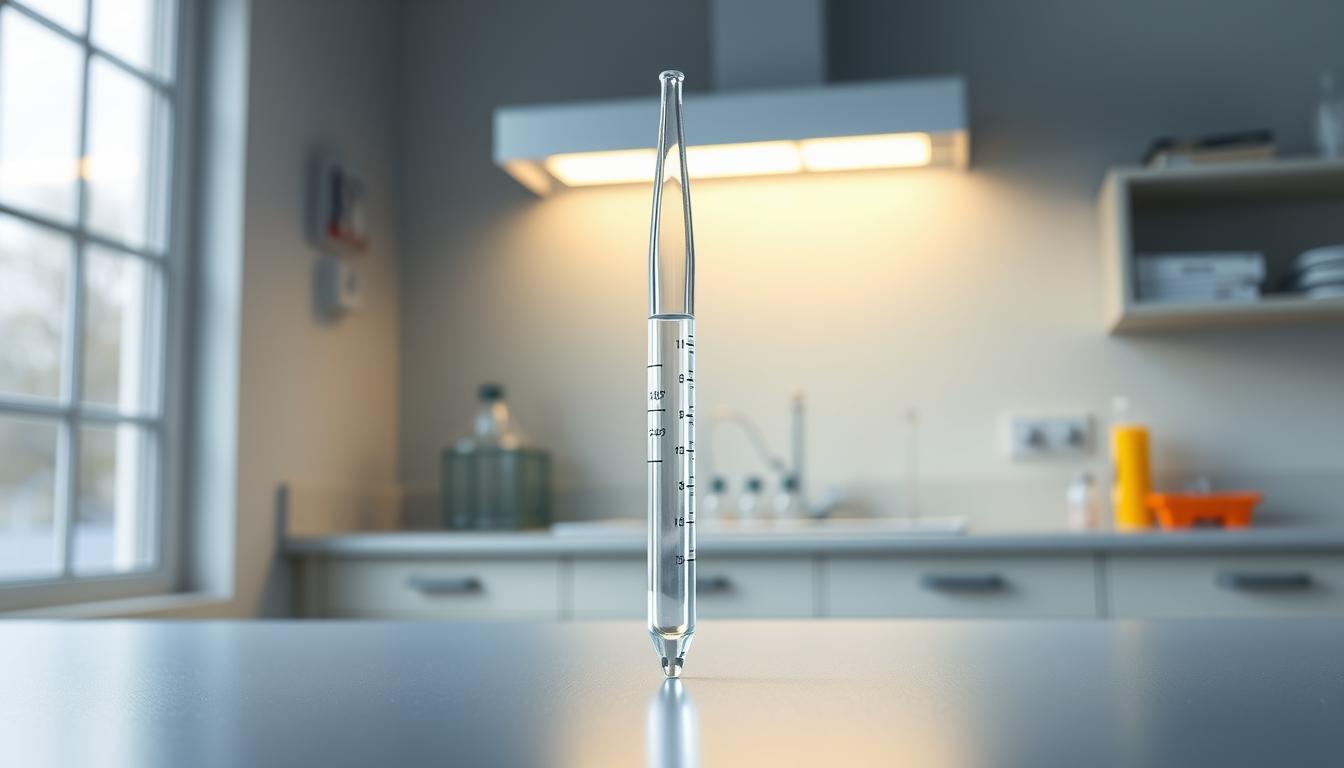
Are you ready to unlock the precision behind cutting-edge clinical laboratory techniques? Serological pipettes are key to accurate liquid measurement in modern diagnostic research. They allow scientists to transfer tiny volumes with unmatched accuracy.
Clinical microscopy needs top-notch precision, and serological pipettes are vital tools in this complex field. These specialized instruments are made to deliver exact liquid volumes. They have graduations that go all the way to the tip for maximum reliability in clinical lab work.
Modern serological pipettes have evolved from the original Pasteur pipette, which could transfer up to 2.5 milliliters. Today, they provide precise measurements for different sample types. This makes them crucial in both diagnostic and research settings.
Key Takeaways
- Serological pipettes offer unparalleled precision in liquid transfer
- Graduations extending to the tip enhance measurement accuracy
- Critical tool in clinical microscopy and diagnostic research
- Evolved from early liquid transfer techniques
- Essential for maintaining scientific reliability
Introduction to Serological Pipettes
Serological pipettes are key tools in labs, especially for clinical microscopy. They help scientists measure and move liquids with great accuracy. This is vital for preparing samples for microscopy.
Labs depend on these tools for precise liquid handling. Pipette calibration lets researchers trust their measurements. This is crucial for their work.
Definition and Purpose
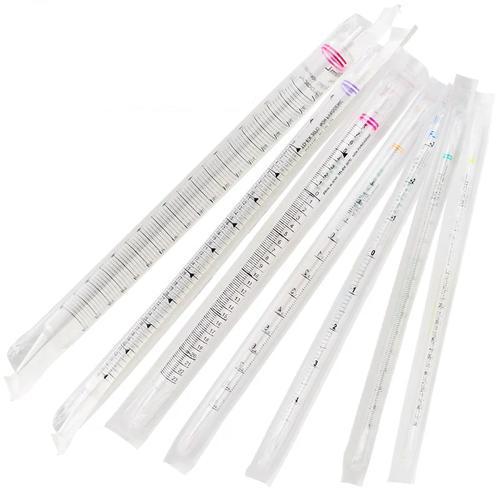
A serological pipette is a tool for measuring and moving liquids. It has:
- Graduated side markings for precise volume measurement
- Volume ranges from 0.1 ml to 100 ml
- Ability to transfer liquids with minimal error
Importance in Clinical Microscopy
In clinical microscopy, these pipettes are crucial for:
- Preparing cell cultures
- Creating precise dilution series
- Handling delicate biological samples
Overview of Applications
Serological pipettes are used in many scientific areas. Their flexibility is key in microscopy sample preparation. They are essential in fields like:
- Microbiology
- Pathology
- Clinical research
- Pharmaceutical development
Types of Serological Pipettes
Serological pipettes are key in clinical microscopy. They help researchers handle liquids with great care. Choosing the right pipette is crucial for precise work in labs.
There are many types of serological pipettes for different lab needs. Knowing their features helps scientists pick the best tool for their work.
Graduated vs. Non-Graduated Pipettes
Serological pipettes are mainly two types:
- Graduated Pipettes: Have clear marks for exact volume measurements
- Non-Graduated Pipettes: Used for transferring liquids without volume guides
Plastic and Glass Pipette Comparisons
The choice of material affects how well the pipette works:
- Plastic Pipettes:
- Easy to use and affordable
- Perfect for one-time use
- Available in 1 ml, 2 ml, 5 ml, and 10 ml sizes
- Glass Pipettes:
- Can be used many times and stands up to chemicals
- Good for special chemical environments
- Need to be cleaned well after each use
Specialty Pipettes for Clinical Applications
Some pipettes are made for specific tasks:
- Open-end pipettes for thick liquids
- Bacteriological pipettes in 1.1 ml and 2.2 ml sizes
- Blowout pipettes use air pressure to dispense
When picking serological pipettes, think about sterilization, volume, and lab needs. This ensures the best results and reliable experiments.
Key Features of Serological Pipettes
Clinical microscopy needs precise and reliable tools. Serological pipettes are key, with innovative design and advanced tech.
Volume Calibration and Accuracy
Precision is crucial in science. Serological pipettes are very accurate, from 0.1 ml to 25 ml. They measure with high precision:
- 5 ml and 10 ml pipettes: accuracy to 0.1 ml
- 25 ml pipettes: accuracy to 0.2 ml
- Larger pipettes can deliver up to 100 ml
Sterility and Contamination Prevention
Keeping samples clean is vital. Modern serological pipettes have advanced ways to prevent contamination:
- Fiber filter plugs stop fluid and vapor contamination
- FDA-approved polystyrene plastic is safe and accurate
- Seamless design means less fluid left behind
Keeping samples clean needs careful attention and smart pipette design.
Material Durability and Compatibility
The material of serological pipettes affects their performance. Important factors include:
- FDA-approved polystyrene is chemical-resistant
- Single-use options for the utmost sterility
- Available in sizes: 1 ml, 2 ml, 5 ml, and 10 ml
Labs can pick pipettes that fit their research needs. This ensures reliable results in clinical microscopy.
Proper Handling and Usage Techniques
Learning how to use a serological pipette is key in clinical microscopy. It’s all about precise liquid handling. This requires focus and special techniques to ensure your research is accurate and reliable.

Lab technicians need to follow strict rules. This keeps pipetting precise and avoids mistakes in sample prep.
Pre-Use Inspection Guidelines
Before you start, inspect the pipette carefully. This ensures it works well:
- Look for any damage or tiny cracks
- Make sure the calibration marks are clear
- Check that the pipette tip is not damaged and fits right
- Confirm the pipette is clean and ready for use
Techniques for Liquid Withdrawal
Getting liquid out right is all about the technique. It keeps your lab safe:
- Hold the pipette straight up and down
- Keep your eye level with the pipette’s marks
- Read the liquid level at the bottom of the curve
- Take the liquid slowly to avoid air bubbles
Avoiding Common Handling Errors
Lab pros can improve by spotting and fixing common mistakes:
- Don’t touch the pipette tip to the container
- Keep the pipetting angle steady
- Choose the right pipette for the job
- Rinse tips before handling thick or sensitive liquids
Remember, regular practice and careful technique are crucial for precise and reliable science.
Cleaning and Sterilization Practices
Keeping labs clean and sterile is key for good science. Cleaning and sterilizing serological pipettes right is essential for reliable research.
Cleaning well means following important steps. Labs must use strict rules to avoid contamination.
Recommended Cleaning Agents
Choosing the right cleaners is vital. Experts suggest using:
- 70% ethanol solutions
- Specialized laboratory-grade disinfectants
- Sterile water for rinsing
- Enzymatic detergents for protein-based residues
Sterilization Process
Each pipette needs its own way to be sterilized:
| Pipette Type | Sterilization Method | Temperature Range |
|---|---|---|
| Reusable Glass Pipettes | Autoclave | 121-134°C |
| Disposable Plastic Pipettes | Gamma Irradiation | 25-30 kGy |
Maintenance Tips
To make pipettes last longer, handle them with care. Regular checks and proper storage keep them in top shape.
- Store pipettes horizontally in disinfectant solution
- Avoid extreme temperatures
- Check for calibration often
- Replace broken or old pipettes right away
By sticking to these cleaning and sterilizing steps, labs can cut down on contamination. This helps keep science accurate and reliable.
Applications in Clinical Microscopy
Serological pipettes are key in clinical microscopy. They help prepare and analyze samples with great precision. This is crucial in many medical fields.
Experts use serological pipettes for detailed sample preparation. They need to be very accurate and consistent. These tools are vital in many lab techniques.
Sample Preparation Techniques
Good sample preparation needs careful handling and exact volume control. Serological pipettes are great for this:
- Creating accurate chemical dilutions
- Aliquoting biological samples
- Preparing staining solutions
- Transferring cellular specimens
Use in Hematology and Cytology
In hematological research, serological pipettes are very important. They have precise volume ranges. This helps experts:
- Prepare blood smears with minimal contamination
- Create cell suspensions for analysis
- Perform cytocentrifuge specimen preparations
Application in Pathology Studies
Pathology labs rely on serological pipettes for many tasks. They help with:
- Tissue processing
- Executing sophisticated staining procedures
- Developing diagnostic test protocols
Modern serological pipettes are made from FDA-approved polystyrene. They are very accurate and reduce contamination risks. Their pre-sterilized design and special filter plugs are key to keeping research clean.
Safety Considerations
Keeping researchers safe is key in biomedical labs. It’s important to follow strict safety rules. This includes using protective gear and preventing contamination when working with sensitive samples.
Good lab safety starts with solid protective plans. These plans keep people and labs safe from dangers.
Personal Protective Equipment (PPE)
Wearing the right PPE is crucial for lab safety. Researchers need to wear:
- Protective gloves to avoid skin contact
- Lab coats with long sleeves
- Safety goggles or face shields
- Closed-toe shoes
“Safety is not an accident. It is a deliberate and continuous process of risk management.” – Laboratory Safety Expert
Handling Hazardous Samples
Working with risky samples needs careful safety steps. Researchers should:
- Use biosafety cabinets for high-risk materials
- Implement proper containment techniques
- Minimize aerosol generation
- Use appropriate containment vessels
Disposal of Contaminated Pipettes
Getting rid of contaminated pipettes is critical. Single-use plastic pipettes go in biohazard bins. Reusable glass ones need deep cleaning.
Proper disposal stops cross-contamination risks. It keeps lab workers safe from harmful materials.
Quality Control Measures
Keeping precision in clinical labs is key. Serological pipettes are vital for accurate measurements. They need to be calibrated and precise for good research.
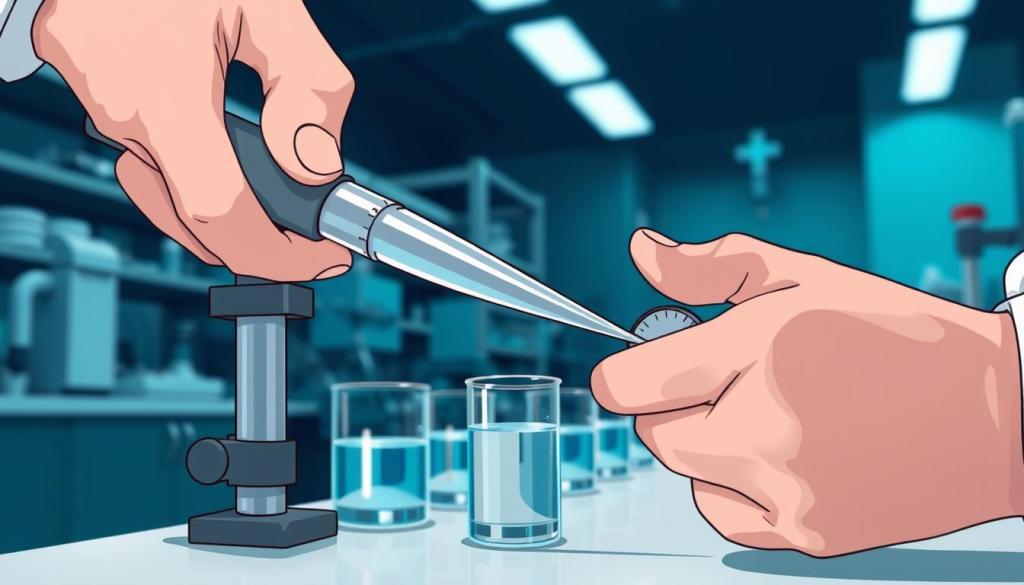
The World Health Organization set up quality control rules in 1981. These rules help labs check their work and results. They are vital for top-notch research and testing.
Standard Operating Procedures (SOPs)
Having good SOPs is essential for pipettes to work well. Important parts of SOPs include:
- Regular equipment checks
- Calibration schedules
- Clear use guidelines
- Maintenance plans
Calibration and Maintenance Checks
Annual pipette calibration is a must for accuracy. Good calibration means:
- Accurate weight checks
- Performance analysis
- Keeping records
Cross-Contamination Prevention
Stopping cross-contamination needs careful steps. Tips include using filter tips and strict cleaning. Also, clear rules for lab staff are important.
Good quality control comes from at least 20 data points over 20-30 days. This helps set good value ranges and standard deviations.
Innovations in Serological Pipette Design
The world of clinical labs is always changing, with new ideas in serological pipette design. Today’s labs need tools that are precise, efficient, and green. This has led to big steps forward in pipetting tech.
Recent Advances in Materials
New materials are making pipettes better and stronger. Scientists have come up with cool designs:
- Optically clear polystyrene that’s also tough against chemicals
- Diamond-like carbon coatings for stronger tips
- Advanced polymers that cut down on contamination
Enhancements in Accuracy and Efficiency
Pipetting has gotten more precise with new designs. The main improvements are:
- Ergonomic handles that make using them easier
- Bi-directional graduations for clearer readings
- Precision that stays within ±2%
Eco-Friendly Options
Now, labs are focusing on being green. There are eco-friendly options available:
- Pipettes made from recyclable materials
- Designs that use less plastic
- Methods to sterilize with less harm to the environment
These changes show a big push to make science tools better. They aim to improve performance, user experience, and protect the planet.
Training for Laboratory Personnel
Effective training is key to success in clinical labs. Lab workers need to learn well to be precise and safe. This training builds a strong base for top-notch science work.
Lab pros need thorough training in many areas. Here are the main parts of good lab education:
- Fundamental clinical laboratory techniques
- Advanced serological pipette handling
- Safety protocol implementation
- Equipment maintenance procedures
- Risk management strategies
Importance of Professional Development
Keeping up with new tech and safety rules is crucial. It helps lab workers stay ahead in their field.
Training Program Recommendations
| Training Component | Duration | Focus Area |
|---|---|---|
| Initial Certification | 6-12 months | Basic clinical techniques |
| Advanced Specialization | 1-2 years | Specialized laboratory skills |
| Ongoing Professional Education | Continuous | Technology updates |
Continuous Learning Resources
Lab workers can improve their skills in many ways:
- Online certification programs
- Professional workshop seminars
- Academic conference attendance
- Peer-reviewed journal subscriptions
- Institutional training modules
By investing in good training and ongoing learning, lab staff can keep up high standards of science and safety.
Case Studies in Clinical Microscopy
Clinical microscopy is growing thanks to new research and the use of serological pipettes. The way we prepare samples for microscopy is key to making new discoveries in many fields.
New studies show how well serological pipettes work in science. The Electron Microscopy and Materials Research Center is a great example. They have a JEOL Grand ARM microscope that can see things 63 picometers wide.
Successful Applications in Research
There are many examples of how serological pipettes help in clinical microscopy:
- Biological Material Analysis: The JEOL JEM-2100F TEM lets us study medical samples at the atomic level.
- High-Precision Sampling: Serological pipettes are accurate to ±2% volume, making sure samples are prepared right.
- Collaborative Research: Projects that bring together researchers from different places in southern California.
Lessons from Clinical Practices
Teams have learned a lot about preparing samples for microscopy. Accuracy and sterility are very important for good results. New pipetting methods have made research more reliable.
Future Directions in Research
Future trends in clinical microscopy include better serological pipette designs. Scientists expect more technology to improve precision, cut down on contamination, and open up new areas in biomedical research.
Conclusion and Future Perspectives
The world of serological pipettes is where precision meets innovation in labs. Researchers and lab pros keep improving pipetting tools. They make tests more accurate and faster.
Today, labs see pipetting as key to quality research. Serological pipettes have grown from simple tools to advanced instruments. They handle complex samples with great accuracy.
Future tech will change pipetting forever. Expect digital tools, auto-calibration, and smart sensors. These will make labs more precise and less prone to mistakes.
The future of lab work depends on constant improvement. Lab pros need to keep learning and using new tech. This ensures top-notch research and reliable tests in a changing world.
FAQ
What are serological pipettes and why are they important in clinical microscopy?
Serological pipettes are precise tools for handling liquids in labs. They’re vital for clinical microscopy to measure and move liquids accurately. This ensures samples are prepared correctly and safely.
How do I choose the right type of serological pipette for my laboratory work?
Choosing the right pipette depends on your needs. Consider the volume you need, the type of samples, and the application. Graduated pipettes are best for exact measurements. Plastic ones are great for single-use tasks.
What are the key safety considerations when using serological pipettes?
Safety is crucial when using pipettes. Always wear gloves, lab coats, and safety goggles. Use biosafety cabinets for hazardous samples. Follow disposal rules and safety protocols to protect yourself and the samples.
How often should serological pipettes be calibrated?
Pipettes need regular calibration to stay accurate. Most labs calibrate once a year or more often if used a lot. A routine maintenance schedule helps keep them precise and reliable.
What are the best practices for cleaning and sterilizing serological pipettes?
Clean pipettes with the right agents to remove residue without damage. Reusable ones need a sterilization process, like autoclaving. Disposable ones can be sterilized by gamma irradiation. Always store them clean and dry, following the manufacturer’s guidelines.
Can serological pipettes be used for different types of samples?
Yes, pipettes are versatile for many clinical microscopy tasks. They’re used in sample prep, hematology, cytology, and pathology. But, choose the right one for your sample to avoid contamination.
What recent innovations have improved serological pipette design?
New materials make pipettes more durable and resistant to chemicals. Ergonomic designs reduce fatigue. Eco-friendly and digital pipettes are also emerging, improving efficiency and precision in labs.
How can laboratory personnel improve their pipetting techniques?
Continuous training is essential for better pipetting. Invest in training programs that cover handling, maintenance, and safety. Practice, attend workshops, and use online courses to improve your skills and maintain accuracy.




Leave a Comment
Your email address will not be published. Required fields are marked *