



Could tiny inoculating tubes in labs hold the key to big scientific breakthroughs? These tubes are more than just containers. They are tools that help scientists see the tiny world around us with great detail.
Sterilized vials keep science clean and honest. They make sure every test starts with nothing but pure conditions. Scientists use these tubes to keep their work safe from contamination.
These tubes are key in many areas of science, like medicine and genetics. Their design shows how much thought goes into making them. They meet the high standards of today’s science.
Key Takeaways
- Inoculating tubes are essential tools in scientific research
- Sterility is paramount in maintaining experimental integrity
- These tubes support diverse research applications
- Precision engineering defines modern microbiology supplies
- Contamination prevention is a critical function of these tubes
Understanding Inoculating Tubes and Their Importance
Laboratory research needs precision and sterility. Inoculating tubes are key to keeping bacterial cultures safe. These containers are vital for scientists working with microbiological samples. They help ensure research is accurate and free from contamination.
Inoculating tubes are essential for handling samples. They give researchers a controlled space for their work. Their design meets several important needs in science:
- Protecting bacterial cultures from outside contamination
- Helping with precise sample transfer
- Keeping the right conditions for microbial growth
- Supporting clean lab practices
Defining Inoculating Tubes
An inoculating tube is a sterile container for microbiological samples. They are made with careful attention to sterility. This prevents unwanted microorganisms from getting in during research.
Critical Functions in Laboratory Environments
Researchers use inoculating tubes for many scientific tasks. They help with:
- Keeping bacterial cultures at the right temperature
- Transferring microbial samples to different media
- Doing detailed microbiological experiments
- Keeping genetic material for study
Today’s labs know that using advanced inoculating tubes is crucial. It lowers contamination risks and makes research more reliable.
Types of Inoculating Tubes Available
Laboratories use many types of inoculating tubes for different studies. These tools are key for making culture media and for precise inoculations.
Scientists pick inoculating tubes based on their needs. There are glass, plastic, and specialized tubes, each with its own benefits for labs.
Glass Inoculating Tubes
Glass inoculating tubes are a classic choice. They have many good points:
- High heat resistance
- Chemical durability
- Can handle lots of sterilizations
Plastic Inoculating Tubes
Today, labs often use plastic tubes. They are made from materials like polystyrene. These tubes are great for inoculations because:
- They are light
- Can be thrown away
- Lower risk of contamination
Specialized Inoculating Tubes
For advanced research, labs need special tubes. These tubes have specific features for certain studies:
| Tube Type | Key Features | Typical Application |
|---|---|---|
| Calibrated Loops | 1 µl and 10 µl volumes | Quantitative microbiology |
| Combo Loops | Dual-end design | Multiple volume measurements |
| Metal Loops | Nichrome or stainless steel | Reusable sterilization |
Choosing the right inoculating tubes is crucial for research. It ensures the best results and reliability in studies.
Features to Consider When Selecting Inoculating Tubes
Choosing the right inoculating tubes is key for successful microbiology research. It’s important to look at several factors. This ensures the best handling of samples and keeps experiments reliable.
Sterility Assurance: The Foundation of Reliable Research
Starting with sterile inoculation means picking tubes that prevent contamination. Lab experts should check:
- Pre-sterilization packaging
- Integrity of seal
- Manufacturer’s sterility certification
- Single-use recommendations
Material and Durability Considerations
Microbiology supplies need strong materials that can handle different conditions. Each material has its own benefits:
| Material | Characteristics | Best Use |
|---|---|---|
| Borosilicate Glass | High heat resistance | High-temperature experiments |
| Polypropylene | Chemical resistance | Molecular biology protocols |
| Medical-grade Plastic | Lightweight, disposable | Routine microbiological work |
Size and Capacity Precision
Choosing the right tube sizes is crucial for precise sample handling. Researchers should think about:
- What volume is needed for the experiment
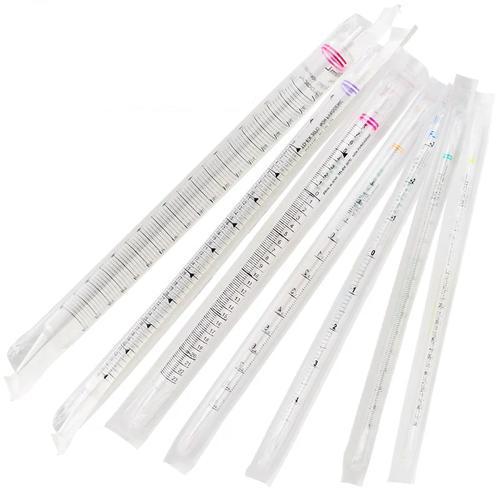
- Using color-coded tubes for easy identification
- Standard sizes like 1 μL and 10 μL
- How well the tubes work with lab equipment
By carefully looking at these features, researchers can improve their results. They can also keep their science at the highest level of precision.
Applications of Inoculating Tubes in Research
Inoculating tubes are key in many research areas. They help scientists by creating safe spaces for growing bacteria and studying life. This makes them very important in labs.
Scientists use these tubes to learn about life’s secrets. They are precise and reliable. This makes them essential for new discoveries.
Microbial Culture Techniques
Bacteria cultures are a big use of inoculating tubes. Scientists use them to:
- Grow and study different bacteria
- Look at how bacteria act in controlled settings
- Study how bacteria interact and grow
“After 6 hours of growth, 90% of biomass in Pseudomonas aeruginosa cultures consisted of aggregated bacterial spheres ranging from 5 to 600 μm in diameter.”
Genetic Studies and Transformation
Inoculating tubes help with genetic research. They allow scientists to:
- Do DNA extraction
- Do bacterial transformation
- Work on genetic engineering
Environmental Sampling
For studying the environment, special inoculating tubes are used. They help collect and study microbial samples. This is key for field studies.
Inoculating tubes are very useful in biology. They help scientists study the tiny world around us.
The Role of Sterility in Inoculating Tubes
Sterility is key in lab work, especially with inoculating tubes. It’s vital to keep things clean to get accurate results. If contamination happens, it can ruin a whole study, making it crucial to keep things sterile.
To keep things clean, labs use special methods. These methods help keep samples safe and research quality high. Lab experts work hard to ensure everything is spotless and precise.
Significance of Sterile Conditions
Keeping things sterile stops unwanted germs from messing with research. Scientists use strict rules when using sterilized vials to avoid contamination.
- Eliminate cross-contamination potential
- Protect experimental integrity
- Ensure reproducible research results
- Maintain sample purity
Methods for Ensuring Sterility
Modern aseptic techniques are essential for keeping things clean. Researchers use many ways to protect samples.
- Gamma irradiation for equipment sterilization
- Autoclave processing at 121°C
- Disposable sterile plastic loops
- Controlled laboratory environments
New tech like gamma irradiation has changed how we do sterile inoculations. Using disposable loops with precise measurements helps avoid contamination. This makes it easier for scientists to keep their work clean and reliable.
Sterility is not just a procedure, but a fundamental commitment to scientific excellence.
More labs are choosing disposable tools over old ones. They like plastic disposable loops because they’re easy to use and don’t get contaminated. These tools are great for many kinds of scientific studies.
Best Practices for Using Inoculating Tubes
Laboratory experts must stick to strict rules when using inoculating tubes. This is to ensure accurate research and avoid contamination. Handling samples and inoculation procedures are key to successful science.
Managing laboratory equipment well needs attention to detail and clear steps. Researchers must have solid plans to keep their work safe and sound.
Handling and Storage Guidelines
Proper sample handling includes several important steps:
- Keep inoculating tubes in special racks at a steady room temperature
- Don’t let tubes get direct sunlight or extreme heat
- Keep work areas clean with 70% ethanol
- Wear sterile gear when handling tubes
Proper Inoculation Techniques
Researchers must be very careful with inoculation to avoid mixing up samples:
- Make inoculating loops sterile with a Bunsen burner’s hottest part
- Hold tube caps tight when moving them
- Work with just one culture at a time
- Use each sterile pipette only once
Disposal and Waste Management
Good lab practices mean careful waste handling:
| Waste Type | Disposal Method |
|---|---|
| Contaminated Materials | Autoclave or chemical decontamination |
| Sharp Objects | Specialized sharps containers |
| Biological Samples | Biohazard waste bags |
“Precision in sample handling is the cornerstone of reliable scientific research.” – Laboratory Safety Expert
Following these best practices helps keep lab safety and research quality at their best.
Innovations in Inoculating Tube Technology
The world of microbiology supplies is changing fast. New technologies are making lab equipment and research better. Now, sterilized vials have advanced features that improve precision and results.
Scientists are seeing big changes in inoculating tube design. These changes are making labs more efficient and accurate.
Breakthrough Materials in Tube Construction
New materials in tube making are boosting lab performance. Some key improvements include:
- Borosilicate glass tubes that last longer
- Rubber-lined screw caps to lower contamination risks
- Tubes for longer incubation times
Smart Inoculating Tube Designs
New tube technologies are changing microbiology research. They come with smart features like:
- Rolling bead technology cuts subculture needs by up to 73%
- WASP® automated systems for easier specimen handling
- Advanced scanning for precise tracking
“The future of lab research is in smart, adaptable tech. It cuts down on mistakes and boosts efficiency.” – Microbiology Research Institute
These advancements show how microbiology supplies are getting smarter. They help scientists get better results with less work.
Regulatory Considerations for Inoculating Tubes
Laboratory research needs strict standards for inoculating tubes in bacterial cultures. The rules around these tools ensure top science quality and results that can be repeated.
Researchers face many rules when making and using inoculating tubes. These rules help keep science investigations top-notch and reliable.
Compliance with Regulatory Standards
Several key rules affect how inoculating tubes are made and used:
- Clinical Laboratory Improvement Amendments (CLIA) regulations
- 21 CFR parts 210 and 211 for sterile processing
- United States Pharmacopeia (USP) guidelines
Quality Control Mechanisms
Quality control is key in making sterile inoculations. Labs must have strong testing to make sure:
- Inoculating tubes work well every time
- There’s no chance of contamination
- They follow aseptic techniques
The Centers for Medicare & Medicaid Services require labs to join testing programs. These programs help labs keep up high standards in working with bacterial cultures. They also make sure research is precise.
Accurate quality control is the cornerstone of reliable scientific investigation.
Rules include keeping a clean environment, using HEPA filters, and checking temperature, humidity, and contamination risks.
Conclusion: The Essential Role of Inoculating Tubes in Modern Labs
Inoculating tubes are key in microbiology supplies, driving science forward. They change how we handle samples, making research more precise and reliable. The way we inoculate samples keeps evolving, showing the changing face of lab work.
Today, labs rely on advanced inoculating tubes for keeping things sterile. These tools help in studying bacteria and genetic research. They allow scientists to do detailed work with great accuracy.
Looking ahead, inoculating tubes might get even better. They could include new tech for better results and efficiency. This could include smart materials that track conditions or give live data. Such advancements will make these tools even more vital for scientific progress.
The importance of good inoculating tubes is huge. As science gets more complex, these tools will stay crucial. They help us get accurate, reliable results in microbiology and other sciences.
FAQ
What are inoculating tubes and why are they important in laboratory research?
Inoculating tubes are special containers for keeping samples clean in labs. They help keep samples safe and prevent contamination. This is key for getting accurate results in many types of research.
What are the main types of inoculating tubes available?
There are several types of inoculating tubes. You can find glass, plastic, and specialized tubes for different needs. Each type has its own benefits, like being durable or clear.
How do researchers ensure sterility when using inoculating tubes?
To keep tubes sterile, researchers use several methods. These include gamma irradiation and careful handling. They also follow strict lab rules to avoid contamination.
What are the primary applications of inoculating tubes in scientific research?
Inoculating tubes are used in many areas of research. They help grow microbes, do DNA work, and collect field samples. They’re crucial for many studies.
What key features should be considered when selecting inoculating tubes?
When picking tubes, look at sterility, material, size, and what you need for your research. Think about how durable they are and if they fit your experiment’s needs.
How should inoculating tubes be handled and stored?
Handling tubes right means keeping them clean and using the right storage. Store them in a clean place and avoid mixing them with other samples. Follow specific rules for each type of sample.
What recent innovations have been developed in inoculating tube technology?
New advancements include stronger materials and designs that make handling easier. These changes help make research more efficient and reliable.
Are there specific regulations governing the use of inoculating tubes?
Yes, tubes must meet strict rules and quality checks. Many are seen as In Vitro Diagnostic (IVD) devices. This ensures research results are reliable and can be repeated.
How do plastic and glass inoculating tubes differ?
Plastic tubes are cheaper and flexible, while glass ones are better at handling heat. Your choice depends on your research needs and the samples you’re working with.
What are the best practices for disposing of used inoculating tubes?
Dispose of tubes safely by following lab rules and using biohazard bins. Make sure they’re fully cleaned if they had infectious materials. Always follow local and lab rules for waste.





Leave a Comment
Your email address will not be published. Required fields are marked *