


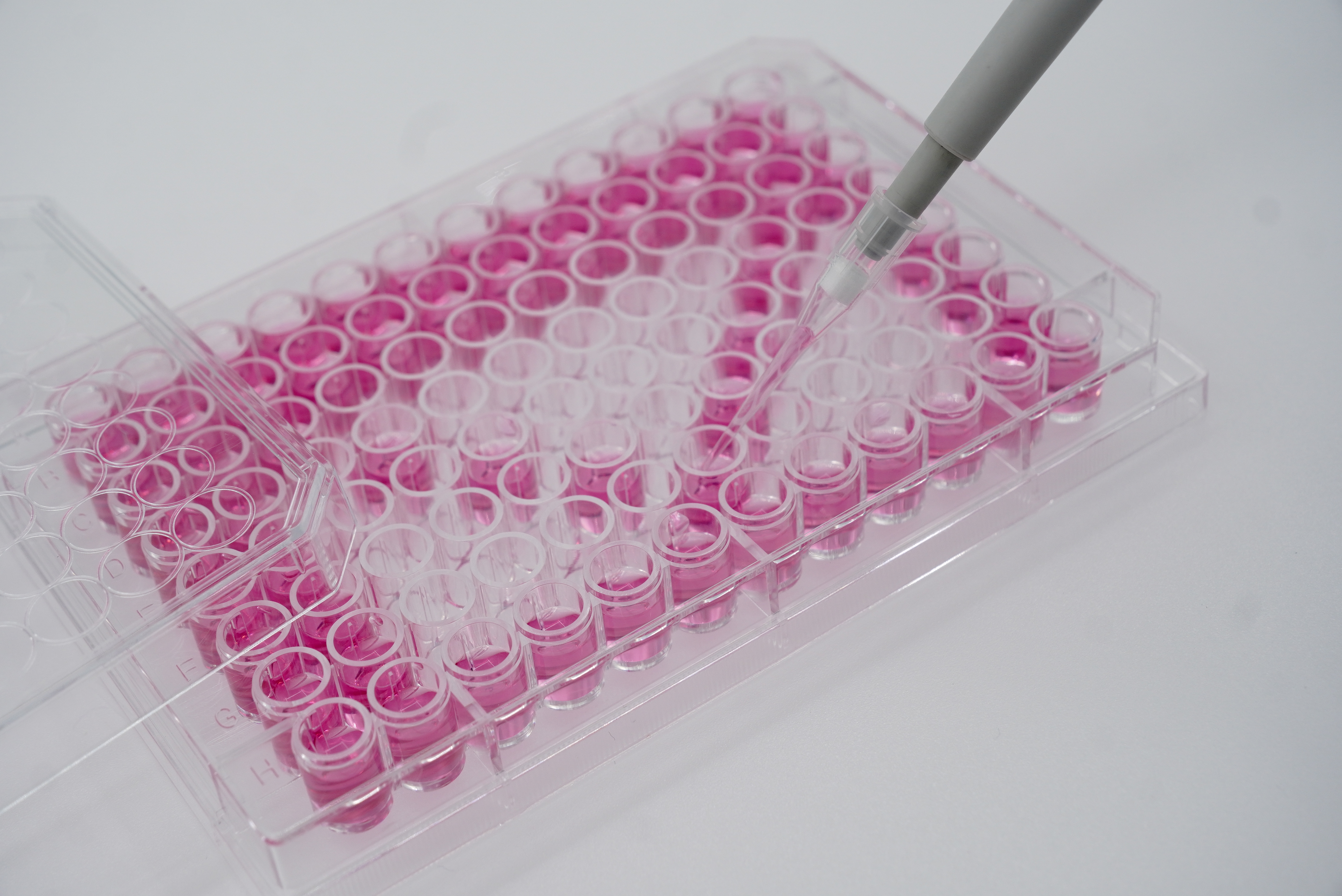
Ever wondered how scientists handle thousands of samples at once? The answer is in the 96 well plates. These plates are a game-changer for lab work, making it more efficient.
The volume of a 96 well plate is key in today’s science. These plates let researchers do lots of tests at once, using less material and getting better results. Labs in many fields use them to make complex tests easier.
96 well plates are crucial in finding new medicines and studying molecules. They have a special design that lets scientists work with tiny amounts, from 0.1 to 0.2 mL per well. This makes them perfect for detailed scientific studies.
Key Takeaways
- 96 well plates enable processing of multiple samples simultaneously
- Microplate volume ranges typically between 0.1-0.2 mL per well
- Versatile applications across multiple scientific disciplines
- Standardized design ensures experimental reproducibility
- Minimizes reagent consumption and reduces research costs
Introduction to 96 Well Plates
Scientific research needs precise tools to make experiments smoother. 96 well plates are a key innovation in lab tech. They let researchers handle many samples at once, very efficiently.
These special microwell platforms are made for many scientific studies. They have a standard design. This design has an 8×12 matrix, allowing for 96 different samples to be processed at once.
What is a 96 Well Plate?
A 96 well plate is a plastic plate with 96 wells. It’s divided into eight rows and twelve columns. Each well can hold 180-220 µL, perfect for many experiments.
- Compact design supports high-throughput screening
- Standardized dimensions enable consistent research methodologies
- Compatible with automated liquid handling systems
Purpose and Applications in Laboratories
These plates are used in many scientific fields, including:
- Cell culture research
- Enzyme activity analysis
- Molecular biology experiments
- Drug discovery screening
*Precision is the hallmark of scientific discovery, and 96 well plates epitomize this principle.*
The plates’ microwell capacity lets researchers do complex tests with small amounts of samples. This saves resources and makes experiments more efficient.
Specifications of 96 Well Plates
Laboratory researchers need precise microwell volume specs for accurate experiments. Knowing the details of 96 well plates is key for successful research in biology.
The standard 96 well plate is a vital tool in today’s science. It has specific sizes and volumes for different experiments.
Standard Volume Capacity
Microtiter plate volume ranges from 100 µL to 300 µL per well. The total plate volume is 10 mL to 30 mL. Most wells are about 10 mm deep and 6.5 mm wide.
Dimensions and Material Composition
Exact plate specs are important for lab work:
- Plate dimensions: 127.8 mm (length) x 85.5 mm (width) x 14.4 mm (height)
- Material composition:
- 70% polystyrene
- 30% polypropylene
Polypropylene makes plates more durable for certain research needs.
Researchers can pick from many 96 well plate types. About 60% are for cell culture, 30% for PCR, and 10% for other research.
Importance of Volume Measurement
Accurate volume measurement is key in scientific research, especially in high-throughput screening. It’s crucial for reliable results. Researchers must focus on precise volume to get good results.
Volume measurement is more than just handling liquids. It affects how experiments are repeated and data is trusted. Scientists know small changes can greatly affect results.
Accuracy in Experimental Procedures
Volume measurement accuracy involves several key considerations:
- Consistent liquid dispensing techniques
- Calibrated pipetting equipment
- Understanding plate-specific volume characteristics
- Accounting for potential edge effects
Research shows that outer wells in microplates can have up to 35% less metabolic activity than central wells. This highlights the need for careful volume management in high-throughput screening.
Impact on Results and Reproducibility
Good scientific research needs reliable results. Measuring assay plate volume is key to this. By using strict volume control, researchers can reduce errors and make their findings more trustworthy.
Precision in volume measurement is not just a technical detail—it’s the foundation of credible scientific investigation.
Labs doing high-throughput screening need to use advanced volume measurement methods. This keeps data quality and experiment consistency high.
Types of 96 Well Plates
Researchers use special lab tools for precise experiments in many fields. 96 well plates are key in labs, offering different types for various needs.
96 well plates are versatile, helping scientists pick the best for their work. Each type has special features for different research tasks.
Tissue Culture Plates
Tissue culture plates are made for growing and handling cells. They have:
- Surface treatments to help cells stick
- Sterile making to keep cells safe
- Materials that are good for cell growth
Assay Plates
Assay plates are for many lab tests in small spaces. They come in various styles:
- Clear flat bottom plates for seeing things
- Black plates to cut down on background noise
- White plates for better light readings
Microplate Types for Specific Applications
There are many microplate designs for small experiments:
- Round (U) bottom plates for growing cells in liquid
- Conical (V) bottom plates for exact liquid handling
- Special plates for PCR, ELISA, and protein tests
Choosing the right 96 well plate is key for good results and reliable data.
Knowing the differences between plate types helps researchers improve their work. This leads to better and more consistent results in their studies.
Pipetting Techniques for 96 Well Plates
Precise pipetting is key for accurate 96 well plate volume measurements in science. Researchers use special techniques to get reliable results in their experiments.
Choosing the right pipetting method is crucial for good microplate volume dispensing. There are two main methods: manual and automated pipetting.
Manual Pipetting Strategies
Manual pipetting needs a lot of attention to detail. Important strategies for managing 96 well plate volume include:
- Pre-wetting pipette tips at least three times before actual sample delivery
- Using high-quality tips made from virgin polypropylene
- Selecting appropriate tip designs for specific liquid properties
- Maintaining consistent pipetting speed and angle
Automated Pipetting Advantages
Automated systems improve 96 well plate volume precision. Electronic pipettes can fill plates in under a minute, making labs more efficient.
- Multichannel pipettes available in 8- or 12-channel configurations
- Electronic pipettes with programmable dispensing modes
- 96-channel instruments for simultaneous liquid transfer
- Positive displacement systems for challenging liquid types
Best Practices for Volume Dispensing
Researchers should keep these important factors in mind when working with microplate volume:
- Adjust pipetting technique based on liquid viscosity
- Use filter tips to prevent cross-contamination
- Calibrate pipettes regularly
- Maintain proper tip immersion depth (approximately 1 cm)
Systematic measurement deviation can increase to 0.2-0.4% with incorrect pipetting, underscoring the importance of precise technique in scientific experiments.
Factors Affecting Well Volume
Getting the right amount in microwells is key for good biological research. It’s important to know what can change the volume and how well plates work in experiments.
Many things can change how much liquid a 96 well plate can hold. This can lead to different results in experiments. Scientists need to think about these factors to keep their work reliable.
Liquid Density Considerations
The density of liquids is a big factor in how much liquid a microwell can hold. Different liquids have different densities. This can change how much liquid you can measure:
- Cell culture media with varying protein concentrations
- Buffers with different salt compositions
- Enzyme solutions with molecular complexity
Temperature Influence on Volume
Changes in temperature can also affect how much liquid a well can hold. Important temperature points include:
- Thermal expansion of liquids
- Changes in solution viscosity
- Potential molecular interactions
Keeping the temperature the same during experiments is important. Consistent temperature helps get the same results and accurate measurements.
Maintaining standardized environmental conditions is essential for reliable scientific research.
Knowing what affects well plate capacity helps scientists make better experiments. This makes their biological research more reliable.
Uses of 96 Well Plates in Research
96 well plates are key tools in today’s biology labs. They help scientists do precise and repeatable tests in many fields. This makes them very useful for research.
These plates are used in many important ways to help find new discoveries. Their ability to fit into many research areas makes them very valuable.
High-Throughput Screening
High-throughput screening is a big deal in research. It uses 96 well plates to test lots of things fast. This helps scientists find new medicines and understand genes better.
- Enables rapid testing of multiple samples simultaneously
- Reduces experimental time and resource consumption
- Supports drug discovery and genomic research
Cell Culture Applications
Cell culture experiments get a lot from 96 well plates. They help keep cells in the same conditions for different tests. This makes it easier to study cells.
- Supports growth of various cell types
- Provides uniform culture conditions
- Facilitates reproducible cellular studies
Enzyme Activity Assays
Testing how enzymes work needs 96 well plates. They make sure the tests are fair and accurate. This helps scientists understand enzymes better.
| Research Area | Key Benefits |
|---|---|
| Biochemistry | Precise enzyme kinetic measurements |
| Molecular Biology | Quantitative protein function analysis |
| Pharmaceutical Research | Rapid screening of enzymatic interactions |
These plates help scientists do complex tests better and faster. They are key to finding new things in science.
Common Mistakes in Using 96 Well Plates
Researchers often face big challenges when working with 96 well plates. Knowing and avoiding common mistakes can greatly improve their work’s accuracy and reliability.
Lab workers often make errors that can harm their experiments. These mistakes usually happen during liquid handling and volume control.
Overfilling and Underfilling Wells
Getting the right amount of liquid in each well is key. Some common problems include:
- Putting too much liquid in wells, more than 320-360 μL
- Using the wrong amount of liquid, between 50-200 μL
- Not spreading liquid evenly in all wells
Inappropriate Liquid Handling Techniques
There are several pipetting errors that can affect the accuracy of the assay plate volume:
- Not holding the pipettor at a 20º angle or less
- Not using the same depth for pipetting
- Not sealing the tip well
- Changing the speed of aspiration
These errors can cause big differences in results. Precision is very important in high-throughput screening. It’s crucial for researchers to practice consistent pipetting to reduce mistakes.
Proper liquid handling can cut down on experimental variation by up to 33% and save money by avoiding the need for sample reruns.
By knowing and fixing these common mistakes, lab workers can make their results more reliable. This will also help them work more efficiently.
Cleaning and Maintenance of 96 Well Plates
Proper care of miniature labware is key for small-scale experiments. 96 well plates need careful cleaning and storage for best results in biological research. Scientists must follow specific protocols to keep these tools in top shape.
Researchers using 96 well plate systems must clean them thoroughly. This is to avoid cross-contamination and keep experiments accurate.
Recommended Cleaning Protocols
- Rinse plates right after use with the right laboratory-grade water
- Use mild, non-abrasive detergents made for laboratory glassware
- Do a detailed multiple-step wash to get rid of all leftovers
- Use ultrasonic cleaning for tough residues
Storage Guidelines for Miniature Labware
| Storage Condition | Recommended Practice |
|---|---|
| Temperature | Store at room temperature (20-25°C) |
| Humidity | Keep in a low-humidity area |
| Light Exposure | Protect from direct sunlight |
| Packaging | Use original sterile packaging when possible |
Careful maintenance of 96 well plates is essential for consistent results in small-scale experiments. Labs should have set cleaning and storage rules. This helps keep these critical lab tools reliable and long-lasting.
Innovations in 96 Well Plate Design
Scientific research is always looking to improve, and 96 well plate design is no exception. New advancements in managing microplate volume and materials are changing how we do research. These changes are making a big impact in many fields.
New 96 well plate designs are making experiments more precise and efficient. Scientists get to use advanced tech that solves big problems. This tech helps them do their work better.
Revolutionary Materials and Coatings
Today’s 96 well plates use advanced materials for better results:
- Enhanced surface treatments for better cell adhesion
- Specialized coatings reducing sample absorption
- Corrosion-resistant materials extending plate lifespan
- Improved thermal conductivity for consistent temperature control
Groundbreaking Well Shape Advancements
New well shapes are changing how we manage microplate volume. Engineers have created shapes that help with liquid handling and reduce volume issues. These changes help with:
- More precise volume measurements
- Reduced liquid retention
- Enhanced sample recovery
- Improved experimental reproducibility
The pooling lid technology is a big step forward. It allows for over 90% liquid recovery in one step. This shows a lot of promise for making research easier.
Technological advancements in 96 well plate design are driving unprecedented improvements in scientific research efficiency and accuracy.
Considerations for Selecting a 96 Well Plate
Choosing the right 96 well plate is key for lab success. Researchers need to look at many factors for the best results. They must match their experiment needs with the right well plate features.
Scientists should think about several important things when picking a 96 well plate:
- What kind of experiment and what are your goals?
- Do you need a specific well plate capacity or microwell size?
- Is it compatible with your lab equipment?
- What material and surface treatment does it have?
- How much liquid will you be using?
Experiment Goals and Requirements
Each research project has its own needs for well plates. For example, high-throughput screening needs precise microwell sizes. Biological assays might require special surface treatments for better cell or protein binding.
Compatibility with Pipetting Equipment
It’s important to make sure the 96 well plate works well with your pipetting tools. Automated liquid handling platforms need specific well shapes, depths, and materials. Choosing the right plate helps avoid mistakes and makes handling safer.
By carefully looking at these key points, scientists can pick the best 96 well plate. This ensures their research runs smoothly and their data is reliable.
Conclusion and Future Perspectives
The world of microwell volume research is changing fast, with 96 well plates getting more advanced. Scientists are seeing big changes in how these plates are designed. This is because of new research needs and tech breakthroughs.
New 96 well plate technologies will focus on being more precise and flexible. Researchers are looking into better materials and surface treatments. This will make microwell volume work better for many kinds of experiments.
The future of microplates looks bright, with a focus on making them smaller and more sensitive. Companies are making special plates for complex cell cultures. This will change how we find new medicines and test them.
As tech gets better, 96 well plates will keep being key in science. The constant improvement in microwell volume shows how fast research is moving. Each new step brings us closer to better, more detailed science.
FAQ
What is a 96 well plate?
A 96 well plate is a special microplate with 96 wells in an 8×12 grid. It’s used in biological research for cell culture and assays. These plates are made from polystyrene or polypropylene, helping with small-scale experiments.
What is the standard volume capacity of a 96 well plate?
A 96 well plate can hold different volumes, usually between 50 to 400 microliters per well. Most are made for 100 to 300 microliters, helping keep experiments clean and precise.
What are the primary applications of 96 well plates?
96 well plates are used in many biological research areas. They help with high-throughput screening, cell culture, and enzyme assays. They also aid in drug discovery and molecular biology, making research more efficient.
How do I choose the right 96 well plate for my experiment?
Choosing the right 96 well plate depends on your experiment’s needs. Look at the well surface treatment, material, and analysis type. This ensures your experiment goes smoothly.
What are the common materials used in 96 well plate construction?
Polystyrene and polypropylene are the main materials for 96 well plates. Polystyrene is best for cell culture and fluorescence assays. Polypropylene is good for low-temperature storage and chemical resistance.
How can temperature affect well volume?
Temperature changes can affect the volume in 96 well plates. As it gets warmer, liquids expand. This means you need to adjust for temperature changes to get accurate results.
What are the best practices for pipetting in 96 well plates?
For pipetting, use calibrated multichannel pipettes and keep your technique consistent. Avoid air bubbles and use the right tip sizes. Automated systems can also help improve precision.
How should 96 well plates be cleaned and maintained?
Clean 96 well plates gently with lab detergents and rinse with purified water. Dry them well. For reusable plates, follow the sterilization instructions. Store them in clean, dust-free places away from sunlight.
What are common mistakes to avoid when using 96 well plates?
Avoid overfilling or underfilling wells, and handle liquids carefully to prevent contamination. Use consistent pipetting techniques and account for temperature and density changes. Following standard protocols helps avoid errors.
Are there specialized 96 well plates for specific applications?
Yes, there are specialized 96 well plates for different needs. These include tissue culture, PCR, and assay-specific plates. There are also low-volume plates and those for fluorescence or luminescence detection.





Leave a Comment
Your email address will not be published. Required fields are marked *