



Micropipettes are precision instruments critical for scientific research and laboratory work. These sophisticated tools enable researchers to transfer extremely small liquid volumes with remarkable accuracy. Scientists rely on different types of micropipettes to perform delicate experiments across molecular biology, clinical diagnostics, and environmental testing.The landscape of micropipettes includes various configurations designed to meet specific research requirements. Single channel micropipettes represent the most basic configuration, allowing precise liquid transfer in individual channels. Multi-channel micropipettes expand capabilities by enabling simultaneous liquid handling across multiple wells or sample points.
Understanding the nuanced characteristics of these different types of micropipettes is essential for researchers seeking optimal performance in their scientific protocols. Each variant offers unique features that can significantly impact experimental outcomes and efficiency.
Key Takeaways
- Micropipettes are precision instruments for accurate liquid transfer
- Single channel and multi-channel designs serve different research needs
- Selecting the right micropipette depends on specific experimental requirements
- Accuracy and volume range are critical selection criteria
- Proper maintenance ensures consistent performance
Introduction to Micropipettes
Micropipettes are critical instruments that revolutionize liquid handling in scientific laboratories. These sophisticated tools enable researchers to transfer microscopic volumes of liquids with exceptional accuracy and precision. Different types of micropipettes have become indispensable across various scientific disciplines, ensuring experimental consistency and reducing human error.
Scientists rely on these precision instruments to perform critical tasks that require minute liquid measurements. Electronic micropipettes have particularly transformed laboratory workflows by providing enhanced control and repeatability in experimental procedures.
Definition and Purpose
A micropipette is a specialized laboratory instrument designed to accurately measure and transfer extremely small liquid volumes, typically ranging from 0.1 to 1000 microliters. Their primary purposes include:
- Precise liquid transfer in molecular biology research
- DNA and protein sample preparation
- Chemical and biological experiment setup
- Maintaining experimental reproducibility
Importance in Laboratory Settings
The significance of micropipettes in scientific research cannot be overstated. These instruments provide researchers with unparalleled accuracy when working with minuscule liquid volumes. Different types of micropipettes enable scientists to:
- Minimize sample waste
- Reduce potential contamination risks
- Enhance experimental precision
- Support complex scientific protocols
Electronic micropipettes represent the cutting edge of laboratory technology, offering digital volume control, ergonomic designs, and advanced calibration features that significantly improve research efficiency.
Types of Micropipettes
Micropipettes are essential tools in scientific research, offering precision and reliability across various laboratory settings. Understanding the different types of micropipettes helps researchers select the most appropriate instrument for their specific experimental needs.
Laboratory professionals rely on four primary micropipette configurations, each designed to address unique scientific challenges:
- Single channel micropipettes
- Multichannel micropipettes
- Adjustable volume micropipettes
- Fixed volume micropipettes
Single-Channel Micropipettes
Single channel micropipettes are the most versatile laboratory instruments. Designed for precise liquid transfer, they excel in applications requiring individual sample manipulation. Researchers typically use these micropipettes for detailed genetic research, protein analysis, and delicate cellular studies.
Multi-Channel Micropipettes
Multichannel micropipettes revolutionize high-throughput experiments. With multiple channels, these devices enable simultaneous liquid transfers across multiple wells, dramatically reducing processing time in molecular biology and clinical diagnostics.
Adjustable Volume Micropipettes
Adjustable volume micropipettes provide unparalleled flexibility. Scientists can modify volume ranges within a single instrument, making them ideal for complex research protocols that demand varied liquid volumes.
Fixed Volume Micropipettes
Fixed volume micropipettes guarantee consistent and repeatable measurements. Specialized laboratories use these micropipettes for standardized procedures where precise, unchanging volume transfers are critical.
Comparison of Micropipette Types
Selecting the right micropipette is crucial for laboratory precision and efficiency. Different types of micropipettes offer unique advantages depending on specific research needs and experimental requirements.
Scientists and researchers face multiple choices when selecting micropipettes for their work. Understanding the nuanced differences between various pipetting technologies can significantly impact experimental outcomes.
Accuracy and Precision
Accuracy distinguishes quality micropipettes across various research domains. Electronic micropipettes typically demonstrate superior precision compared to traditional manual models:
- Manual pipettes: ±2-3% volume variation
- Electronic micropipettes: ±0.5-1% volume consistency
- Repeater pipettes: Exceptional for repeated dispensing
Ease of Use
Laboratory professionals prioritize user-friendly equipment. Different types of micropipettes offer varying ergonomic features:
- Single-channel pipettes: Simple, straightforward operation
- Multi-channel pipettes: Faster multiple sample processing
- Electronic micropipettes: Reduced hand strain, digital volume control
Cost Considerations
Budget plays a significant role in micropipette selection. While initial investment varies, long-term value depends on performance and durability:
Repeater pipettes represent an excellent middle-ground solution for researchers seeking cost-effective, high-performance pipetting tools.
Key Features of Micropipettes
Micropipettes are sophisticated laboratory instruments designed to handle precise liquid volumes with exceptional accuracy. Air displacement pipettes and positive displacement micropipettes represent two primary technologies that enable scientists to transfer microscopic liquid quantities with remarkable precision.
Modern laboratory professionals rely on micropipettes with advanced features that enhance performance and usability. Understanding these critical components helps researchers select the most suitable equipment for their specific scientific applications.
Volume Range Capabilities
Micropipettes come in diverse volume ranges to accommodate various research needs:
- Micro pipettes: 0.1 – 10 µL
- Standard pipettes: 10 – 1000 µL
- Macro pipettes: 1 – 10 mL
Ergonomic Design Considerations
Researchers spend significant time using these instruments, making ergonomics crucial. Air displacement pipettes typically feature:
- Lightweight construction
- Comfortable grip designs
- Reduced hand strain mechanisms
- Adjustable volume settings
Calibration and Maintenance Essentials
Positive displacement micropipettes require meticulous calibration to maintain accuracy. Key maintenance practices include:
- Regular precision testing
- Annual professional calibration
- Proper cleaning and sterilization
- Careful storage in controlled environments
Investing in high-quality micropipettes with robust features ensures reliable scientific research and consistent experimental outcomes.
Applications of Micropipettes
Micropipettes play a critical role in scientific research and diagnostic processes across multiple disciplines. Different types of micropipettes have revolutionized precision measurement and sample handling in various professional settings.
Scientists rely on single channel micropipettes and multichannel micropipettes to perform intricate laboratory procedures with exceptional accuracy and consistency.
Molecular Biology Techniques
In molecular biology, micropipettes are essential for critical research processes:
- DNA sequencing
- Polymerase Chain Reaction (PCR)
- Protein analysis
- Gene expression studies
Clinical Laboratory Applications
Clinical laboratories leverage different types of micropipettes for precise diagnostic testing and sample preparation. These instruments enable medical professionals to handle minute quantities of biological samples with unparalleled precision.
Environmental Testing
Environmental scientists utilize multichannel micropipettes for specialized research, including:
- Water quality analysis
- Soil sample preparation
- Chemical contamination detection
- Microorganism identification
Selecting the Right Micropipette
Choosing the perfect micropipette can significantly impact your laboratory workflow and research precision. Scientists and researchers must carefully evaluate multiple factors when selecting micropipettes to ensure optimal performance and reliability.

Handheld lab micropipette
Critical Factors in Micropipette Selection
When evaluating micropipettes, consider these essential criteria:
- Volume range requirements
- Frequency of use
- Liquid characteristics
- Budget constraints
Common Use Cases for Different Micropipette Types
Different laboratory applications demand specific micropipette characteristics. Adjustable volume micropipettes offer versatility for researchers who work with varying sample volumes. Fixed volume micropipettes provide exceptional accuracy for consistent, repetitive tasks.
Electronic micropipettes represent the cutting-edge solution for laboratories seeking precision and ergonomic design. These advanced instruments reduce user fatigue and enhance reproducibility across multiple experiments.
Personal Preference and Comfort Considerations
Ergonomic design plays a crucial role in micropipette selection. Consider these comfort factors:
- Weight and balance
- Button placement
- Grip comfort
- Adjustability features
Tip: Always test multiple micropipette models to find the most comfortable option for extended laboratory work.
Micropipette Accessories
Selecting the right accessories can dramatically improve the performance of different types of micropipettes. From specialized tips to calibration tools, these add-ons play a crucial role in maintaining accuracy and efficiency in laboratory settings.
Micropipette Tips: The Critical Connection
Micropipette tips are more than simple attachments. They come in various configurations that can significantly impact your research precision. Choosing the right tip involves considering several key factors:
- Graduation markings for volume tracking
- Material compatibility (plastic or filtered)
- Sterility requirements
- Volume range compatibility
Calibration Tools: Ensuring Accuracy
Precise repeater pipettes demand regular calibration. Professional calibration tools help researchers maintain the highest standards of measurement accuracy. Key calibration accessories include:
- Precision weighing scales
- Calibration verification kits
- Microvolume pipette test systems
Smart Storage Solutions
Proper storage extends the life of your micropipettes and maintains their performance. Invest in specialized storage racks, protective cases, and humidity-controlled environments to protect your valuable laboratory instruments.
Microcentrifuge Tubes and Micropipettes
Laboratory professionals understand the intricate relationship between microcentrifuge tubes and micropipettes as essential tools for precise scientific research. These instruments work together seamlessly to support critical experimental procedures across multiple scientific disciplines.
Compatibility Considerations
When selecting microcentrifuge tubes for single channel micropipettes and multichannel micropipettes, researchers must consider several key factors:
- Tube material compatibility
- Volume capacity matching
- Experimental protocol requirements
- Sample preservation needs
Strategic Usage Benefits
Integrating multichannel micropipettes with appropriate microcentrifuge tubes offers significant advantages:
- Enhanced sampling precision
- Reduced potential contamination
- Increased workflow efficiency
- Minimized sample volume waste
Practical Application Strategies
Scientific professionals can optimize their laboratory processes by carefully matching single channel micropipettes with specific microcentrifuge tube designs. Selecting the right combination ensures accurate liquid handling, consistent results, and streamlined experimental protocols.
Maintenance and Care of Micropipettes
Proper maintenance is crucial for ensuring the longevity and accuracy of different types of micropipettes. Whether you’re working with air displacement pipettes or other precision instruments, understanding the right care techniques can significantly impact your laboratory performance.
Maintaining your micropipettes requires a systematic approach that protects their delicate mechanisms and ensures consistent results.
Routine Maintenance Practices
- Clean external surfaces with 70% alcohol after each use
- Avoid exposing pipettes to extreme temperatures
- Store in an upright position in a dust-free environment
- Use manufacturer-recommended lubricants for internal components
Troubleshooting Common Issues
Air displacement pipettes often encounter performance challenges that can be resolved through careful diagnosis:
- Check for visible damage or wear on pipette tips
- Verify calibration accuracy using precision weighing methods
- Inspect seals and O-rings for potential leaks
- Perform regular performance tests
When to Replace Micropipettes
Recognizing the right time to replace your micropipettes is essential for maintaining laboratory precision. Consider replacement when:
- Calibration tests consistently show inaccurate results
- Visible mechanical damage occurs
- The pipette has been in use for more than 3-5 years
- Performance degrades despite maintenance
Professional laboratories prioritize equipment quality to ensure reliable scientific research and accurate experimental outcomes.
Innovations in Micropipette Technology
The landscape of laboratory equipment continues to evolve, with electronic micropipettes and repeater pipettes at the forefront of technological advancement. These innovative tools are transforming precision measurement and scientific research.
Laboratory professionals now have access to cutting-edge pipetting technologies that dramatically improve research accuracy and efficiency.
Digital Micropipettes: A Technological Leap
Electronic micropipettes represent a significant breakthrough in laboratory instrumentation. These advanced devices offer several key advantages:
- Programmable dispensing modes
- Enhanced precision measurement
- Reduced user fatigue
- Digital volume display
Automated Pipetting Systems
Repeater pipettes have revolutionized high-throughput laboratories by introducing automated solutions that streamline complex research processes. These systems minimize human error and increase experimental reproducibility.
Emerging Trends in Micropipette Technology
The future of electronic micropipettes includes exciting developments such as:
- Wireless connectivity
- Integration with laboratory management systems
- Advanced calibration technologies
- Smart data tracking capabilities
As technology continues to advance, researchers can expect even more sophisticated and user-friendly pipetting solutions in the coming years.
Environmental Impacts of Micropipettes
Laboratory equipment, including different types of micropipettes, plays a crucial role in scientific research. As environmental consciousness grows, researchers are increasingly examining the ecological footprint of laboratory tools and practices.
Laboratories generate significant waste through their daily operations. Positive displacement micropipettes and traditional pipetting systems contribute to this environmental challenge through multiple channels.
Waste Generation Challenges
- Disposable plastic pipette tips create substantial plastic waste
- Single-use consumables increase laboratory environmental impact
- Plastic materials often require hundreds of years to decompose
Eco-Friendly Management Strategies
Scientists can implement several strategies to reduce the environmental burden of micropipette usage:
- Select reusable pipette tips when possible
- Implement comprehensive recycling programs
- Choose manufacturers committed to sustainable production
- Invest in high-quality micropipettes with longer operational lifespans
Sustainable Alternatives
Modern laboratories are exploring innovative solutions to minimize waste. Emerging technologies include biodegradable pipette tips, advanced recycling techniques, and digital tracking systems to optimize resource consumption.
By prioritizing environmentally conscious practices, research institutions can significantly reduce their ecological footprint while maintaining scientific excellence.

Multi – channel electronic micropipette
Conclusion
Selecting the right micropipette is crucial for precision in scientific research. Different types of micropipettes play a vital role in laboratory workflows, with single channel micropipettes and multichannel micropipettes offering unique advantages for researchers across various disciplines.
Understanding the nuanced characteristics of each micropipette type empowers scientists to make informed equipment choices. Single channel micropipettes excel in applications requiring individual sample handling, while multichannel micropipettes provide efficiency for high-throughput experiments. The selection process involves carefully evaluating volume range, ergonomics, accuracy, and specific research requirements.
Laboratory professionals must prioritize ongoing maintenance and calibration to ensure optimal performance. Regular care extends equipment lifespan and maintains the critical precision needed in molecular biology, clinical research, and environmental testing. By investing time in understanding micropipette technology and best practices, researchers can significantly enhance experimental reliability and reproducibility.
Emerging innovations continue to transform micropipette design, pushing the boundaries of scientific instrumentation. Digital technologies and automated systems are reshaping how researchers approach liquid handling, promising even greater accuracy and efficiency in future scientific investigations.
References and further readings:
1.Brouwer, C., & Peters, M. (2020). Impact of pipette type on volumetric accuracy in biochemical assays. Analytical Biochemistry, 604, 113743.
https://linkinghub.elsevier.com/retrieve/pii/S000326972030275X2.Le, P. (2017). Single-channel and multi-channel pipettes: applications and limitations. Lab Manager, 7(4), 38-42.
3.Merenstein, D. A., & Chinen, J. (2015). Fundamentals of Clinical Laboratory Instrumentation (2nd ed.). Jones & Bartlett Learning.
4.Kaneko, H., & Nakagawa, Y. (2016). Design and performance evaluation of a novel positive displacement micropipette for high precision liquid handling. Sensors and Actuators B: Chemical, 225, 273-281.
https://www.sciencedirect.com/science/article/abs/pii/S0925400515306730?via%3Dihub
FAQ
What are micropipettes and why are they important in laboratory settings?
Micropipettes are precision instruments used for accurately transferring small volumes of liquid in scientific research. They are crucial in laboratories for ensuring precise measurements in molecular biology, microbiology, and biochemistry, helping to maintain experimental consistency and reduce human error.
What are the main types of micropipettes available?
The primary types of micropipettes include single-channel micropipettes, multi-channel micropipettes, adjustable volume micropipettes, and fixed volume micropipettes. Each type serves specific purposes, from individual sample transfers to high-throughput screening and specialized research applications.
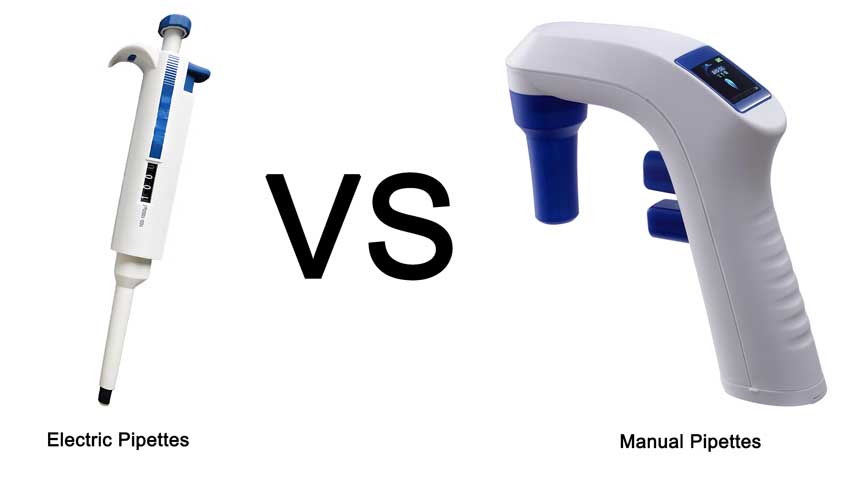
How do electronic micropipettes differ from traditional manual pipettes?
Electronic micropipettes offer advanced features such as digital volume setting, reduced user fatigue, and improved accuracy compared to manual pipettes. They typically provide more consistent results and include programmable functions that enhance laboratory efficiency and precision.
What factors should I consider when selecting a micropipette?
Key considerations include volume range, frequency of use, type of liquids being handled, ergonomics, budget constraints, and specific research requirements. Factors like accuracy, ease of use, and personal comfort are also crucial in choosing the right micropipette.
What are the differences between air displacement and positive displacement micropipettes?
Air displacement pipettes work well with aqueous solutions and use air cushioning, while positive displacement pipettes are better for viscous or volatile liquids, as they have direct liquid contact with the piston, providing more accurate measurements for challenging samples.
How often should micropipettes be calibrated?
Micropipettes should be calibrated annually or according to manufacturer recommendations, or more frequently if they are used intensively or show signs of performance variation. Regular calibration ensures continued accuracy and reliability in liquid handling.
What applications do micropipettes have in scientific research?
Micropipettes are used in various fields, including molecular biology (PCR, DNA sequencing), clinical diagnostics, environmental testing, protein analysis, and sample preparation across multiple scientific disciplines.
How can I maintain my micropipettes to ensure long-term performance?
Proper maintenance includes regular cleaning, careful handling, using appropriate tips, storing in upright positions, avoiding extreme temperatures, and following manufacturer’s guidelines for lubrication and servicing.
What are the environmental considerations when using micropipettes?
Consider using reusable tips, implementing proper waste management practices, choosing eco-friendly models, and extending equipment lifespan through proper maintenance to minimize environmental impact.
Are there any emerging technologies in micropipette design?
Recent innovations include digital micropipettes with advanced connectivity, automated pipetting systems, integration with laboratory management systems, and ergonomic designs that reduce user strain and improve overall laboratory efficiency.
Leo Bios
Hello, I’m Leo Bios. As an assistant lecturer, I teach cellular and
molecular biology to undergraduates at a regional US Midwest university. I started as a research tech in
a biotech startup over a decade ago, working on molecular diagnostic tools. This practical experience
fuels my teaching and writing, keeping me engaged in biology’s evolution.





Leave a Comment
Your email address will not be published. Required fields are marked *