



Pipettes are critical precision instruments that play a fundamental role in scientific research across multiple disciplines. Scientists rely on these sophisticated tools to measure and transfer minute liquid volumes with exceptional accuracy, enabling groundbreaking experiments in biology, chemistry, and medical research.
The scientific uses of pipettes extend far beyond simple liquid transfer. These instruments are essential for conducting precise experiments where even the smallest measurement variation can significantly impact research outcomes. Laboratories worldwide depend on pipettes to perform critical tasks such as sample preparation, solution dilution, and experimental analysis.
What are pipettes used for in science? They serve as indispensable tools in genetic research, pharmaceutical development, clinical diagnostics, and environmental testing. Researchers use pipettes to handle microscopic liquid volumes ranging from microliters to milliliters with unparalleled precision and consistency.
Key Takeaways
- Pipettes enable precise liquid measurement in scientific experiments
- Critical for maintaining experimental accuracy and reproducibility
- Used across multiple scientific disciplines
- Essential for handling microscopic liquid volumes
- Crucial in research, diagnostic, and development processes
Understanding Pipettes: Definition and Types
Pipettes are precision instruments critical for accurate liquid handling in scientific research. These essential tools enable researchers to transfer precise volumes of liquids with exceptional accuracy, making them fundamental in pipette laboratory applications across various scientific disciplines.
Scientific laboratories rely on pipettes for multiple critical functions. Researchers use these instruments to measure, transfer, and dispense liquid samples with remarkable precision.
What is a Pipette?
A pipette is a specialized laboratory tool designed to transfer specific liquid volumes with high accuracy. Volumetric pipette uses range from chemical analysis to biological research, ensuring consistent and reproducible experimental results.
Types of Pipettes and Their Functions
- Volumetric Pipettes: Ideal for precise single-volume measurements
- Graduated Pipettes: Offer multiple volume measurement capabilities
- Electronic Pipettes: Provide digital volume control and enhanced accuracy
- Multichannel Pipettes: Enable simultaneous liquid transfers in multiple wells
Advantages of Using Pipettes in Laboratories
| Pipette Type | Key Advantages |
|---|---|
| Volumetric Pipettes | Highest precision for single volume measurements |
| Electronic Pipettes | Reduced human error, consistent dispensing |
| Multichannel Pipettes | Increased efficiency in multiple sample processing |
Modern pipettes represent a crucial technological advancement in scientific research, enabling unprecedented levels of accuracy and reproducibility in liquid handling techniques.
The Role of Pipettes in Liquid Handling
Pipettes are critical instruments that revolutionize liquid handling in scientific experiments. These precision tools enable researchers to transfer minute volumes with exceptional accuracy, ensuring the reliability of complex scientific investigations.
Scientific research demands meticulous liquid manipulation, and pipettes stand at the forefront of this delicate process. The ability to perform pipette precision measurement allows scientists to:
- Transfer microscopic liquid volumes
- Maintain experimental consistency
- Reduce human error in measuring liquid in science experiments
Precision in Volume Measurement
Modern pipettes can measure liquids with remarkable accuracy, ranging from 0.1 to 1000 microliters. This incredible precision ensures that researchers can replicate experiments with minimal variation, a crucial factor in scientific validation.
Controlling Liquid Transfer Rates
Effective liquid handling requires controlled transfer rates. Specialized pipettes allow scientists to manage flow dynamics, preventing disruptions that could compromise experimental integrity. Calibrated mechanisms enable smooth, consistent liquid dispensing across various scientific disciplines.
Minimizing Contamination Risks
Contamination can invalidate entire research projects. Pipettes with advanced design features help researchers minimize cross-contamination risks. Disposable tips, sealed mechanisms, and sterile techniques protect sample integrity during delicate scientific procedures.
Pipettes in Biological and Chemical Research
Pipettes play a critical role in advancing scientific discovery across multiple research domains. These precision instruments are fundamental to conducting sophisticated experiments in biological and chemical research, enabling researchers to handle minute liquid volumes with exceptional accuracy.
Scientific research relies extensively on micropipette functions to ensure precise measurements and consistent experimental outcomes. Researchers depend on these specialized tools to maintain the highest standards of experimental integrity.
Applications in Biological Experiments
Biological experiments require meticulous liquid handling techniques. Pipettes are essential for various critical processes:
- DNA and RNA extraction
- Cell culture preparation
- Enzyme kinetics studies
- Protein quantification
Role in Chemical Analysis
Chemical researchers utilize pipettes for multiple sophisticated analytical techniques. These include:
- Precise chemical titrations
- Spectrophotometric measurements
- Chromatography sample preparation
- Concentration gradient developments
Importance in Pharmaceutical Development
In pharmaceutical research, pipettes are indispensable for critical processes such as:
- Drug formulation
- Quality control testing
- Toxicology investigations
- Molecular screening
The precision of pipettes directly impacts the reliability and reproducibility of scientific research across diverse disciplines.
Pipettes in Clinical Laboratories
Clinical laboratories rely on precise scientific laboratory tools to deliver accurate diagnostic results. Pipettes serve as critical instruments in modern medical testing, enabling healthcare professionals to handle delicate biological samples with exceptional accuracy.
Pipette techniques in biology have revolutionized diagnostic testing by providing unparalleled precision in liquid handling. These sophisticated instruments play a crucial role in various clinical procedures, ensuring reliable and consistent analysis.
Use in Diagnostic Testing
Diagnostic laboratories depend on pipettes for multiple critical functions:
- Measuring precise volumes of patient samples
- Preparing reagent mixtures
- Conducting complex molecular tests
- Analyzing genetic material
Pipettes for Blood Sample Analysis
Blood sample analysis requires exceptional accuracy. Modern pipettes enable healthcare professionals to:
- Extract minute blood volumes
- Separate plasma and cellular components
- Perform microvolume testing
- Minimize sample contamination
Ensuring Accuracy in Laboratory Results
Precision is paramount in clinical diagnostics. Advanced pipetting techniques reduce potential errors by standardizing liquid transfer processes and maintaining consistent measurement protocols.
Clinical laboratories implement rigorous calibration and quality control measures to guarantee the highest standards of performance for these essential scientific laboratory tools.
The Importance of Calibration and Maintenance
Precision is the cornerstone of scientific laboratory tools, and pipette precision measurement demands meticulous care. Proper calibration and maintenance are critical for ensuring accurate and reliable experimental results.
Maintaining scientific laboratory tools like pipettes requires a systematic approach. Laboratories must implement comprehensive maintenance protocols to preserve the integrity of their research equipment.
Regular Calibration Procedures
Calibration ensures your pipettes deliver exact volume measurements. Experts recommend the following calibration steps:
- Perform initial calibration upon first use
- Conduct annual comprehensive calibration
- Complete periodic performance checks
- Use certified calibration weights
Signs That Pipettes Need Maintenance
Recognizing maintenance requirements is crucial for pipette precision measurement. Watch for these warning signs:
- Inconsistent liquid dispensing
- Visible physical damage
- Difficulty in volume adjustment
- Unusual noise during operation
How to Properly Clean and Store Pipettes
Proper cleaning and storage extend the life of your scientific laboratory tools. Follow these best practices:
| Cleaning Step | Recommended Method |
|---|---|
| External Surface | Alcohol wipes or mild detergent |
| Internal Components | Professional decontamination service |
| Storage Environment | Cool, dry place with protective case |
Regular maintenance transforms pipettes from simple tools into precision instruments that drive scientific discovery.
Selecting the Right Pipette for Your Needs
Choosing the appropriate pipette is crucial for successful scientific research. The right pipette can significantly impact the accuracy and efficiency of pipette laboratory applications across various scientific disciplines.
When exploring what are pipettes used for in science, researchers must carefully evaluate several key factors to select the most suitable instrument for their specific experimental needs.
Critical Factors in Pipette Selection
- Volume range requirements
- Precision and accuracy specifications
- Liquid compatibility
- Ergonomic design
- Laboratory workflow demands
Comparative Pipette Type Analysis
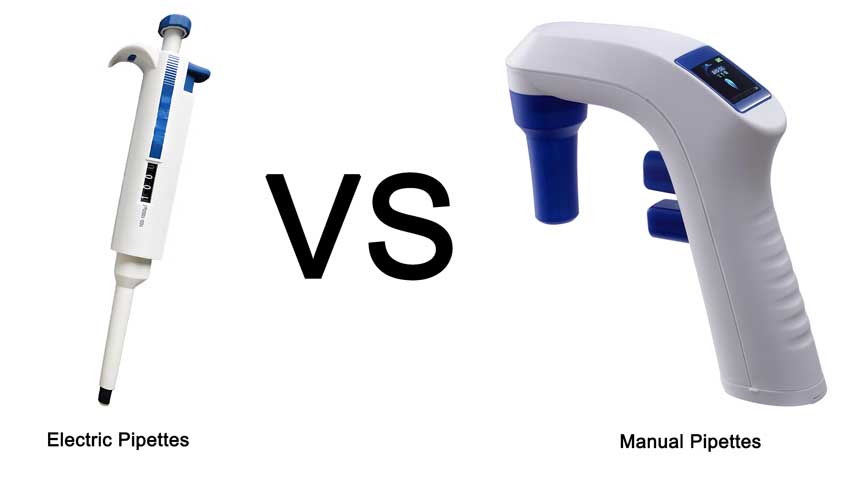
Different pipette types offer unique advantages for specific scientific applications. Manual pipettes provide cost-effective solutions for standard laboratory work, while electronic pipettes deliver enhanced precision for complex research protocols.
| Pipette Type | Best Suited Applications | Key Advantages |
|---|---|---|
| Single-Channel | Precise individual sample handling | High accuracy for small volumes |
| Multi-Channel | High-throughput screening | Rapid sample processing |
| Electronic | Complex research protocols | Maximum precision and reproducibility |
Application-Specific Recommendations
Researchers should match pipette characteristics to their specific scientific domain. Molecular biology requires high-precision instruments, while clinical diagnostics demand robust, reliable pipetting systems.
- Cell culture: Recommend gentle, low-volume pipettes
- PCR applications: Suggest electronic multi-channel pipettes
- Analytical chemistry: Prioritize high-precision single-channel models
Selecting the ideal pipette involves careful evaluation of your laboratory’s unique requirements, ensuring optimal performance and experimental success.
Training and Best Practices for Using Pipettes
Mastering pipette techniques in biology requires comprehensive training and understanding of scientific uses of pipettes. Laboratory personnel must develop precise skills to ensure accurate experimental results and maintain high-quality research standards.
Effective pipette usage goes beyond simple liquid transfer. Researchers must invest time in developing expert-level skills that minimize errors and maximize experimental precision.
Essential Training Components for Laboratory Personnel
Successful pipette training involves multiple critical elements:
- Proper pipette handling techniques
- Understanding volume calibration methods
- Recognizing different pipette types
- Learning advanced liquid transfer strategies
Common Mistakes to Avoid
Researchers frequently encounter challenges when using pipettes. Identifying and preventing these errors is crucial for maintaining experimental integrity.
- Incorrect pipette angle during liquid aspiration
- Inconsistent plunger pressure
- Failing to pre-rinse pipette tips
- Neglecting regular equipment maintenance
Best Practices for Effective Use
Implementing strategic pipetting techniques can dramatically improve research outcomes:
| Practice | Benefit |
|---|---|
| Ergonomic pipette positioning | Reduces physical strain |
| Consistent tip selection | Minimizes contamination risks |
| Regular calibration | Ensures measurement accuracy |
Remember that continuous learning and skill refinement are essential in scientific pipette techniques.
Innovations and Technology in Pipetting
The landscape of scientific laboratory tools continues to evolve rapidly, with pipettes in scientific research experiencing significant technological breakthroughs. Modern laboratories are witnessing a transformative era of precision and efficiency driven by cutting-edge innovations in pipetting technology.

Pipette for Liquid Transfer
Automated Pipetting Systems
Automated pipetting systems represent a quantum leap in laboratory productivity. These sophisticated scientific laboratory tools offer unprecedented accuracy and speed, dramatically reducing human error and increasing experimental reproducibility.
- High-throughput screening capabilities
- Reduced manual intervention
- Enhanced precision in liquid handling
Advances in Digital Pipettes
Digital pipettes have revolutionized pipettes in scientific research by introducing electronic volume adjustment and advanced data management features. Researchers can now benefit from:
- Precise digital volume control
- Integrated data logging
- Wireless connectivity options
Future Trends in Pipette Technology
Emerging technologies are pushing the boundaries of traditional pipetting methods. Artificial intelligence integration and smart connectivity are poised to transform laboratory workflows, enabling real-time error detection and seamless data management.
As scientific methodologies become increasingly complex, pipette technologies will continue to adapt, offering researchers more sophisticated, user-friendly, and intelligent solutions for liquid handling and sample management.
Conclusion: The Essential Role of Pipettes in Science
Pipettes stand as crucial instruments in scientific laboratories, enabling researchers to perform precise liquid handling across multiple disciplines. What are pipettes used for in science? They represent precision engineering that supports critical research processes in molecular biology, clinical diagnostics, and pharmaceutical development.
The scientific uses of pipettes extend far beyond simple liquid transfer. These precision tools have revolutionized experimental techniques by ensuring reproducibility and accuracy in complex scientific investigations. Research institutions and laboratories worldwide rely on advanced pipetting technologies to maintain the highest standards of experimental integrity.
Technological advancements continue to enhance pipette design and functionality. Modern pipettes integrate digital interfaces, automated systems, and improved ergonomic features that streamline scientific workflows. Researchers now have access to increasingly sophisticated tools that minimize human error and maximize experimental precision.
As scientific research becomes more complex, pipettes will remain fundamental to discovery and innovation. Their role in supporting groundbreaking research across biochemistry, genetics, medical diagnostics, and pharmaceutical development cannot be overstated. Future pipette technologies will undoubtedly continue to push the boundaries of scientific exploration and understanding.
References and further readings:
1.Mishra, P. K., & Wiedenheft, B. (2017). Critical Considerations for Accurate Pipetting in the Molecular Biology Laboratory. Journal of Visualized Experiments, 119, e55214.
https://app.jove.com/t/55214/murine-echocardiography-of-left-atrium-aorta-and-pulmonary-artery2.Wilson, D. J., & Walker, J. M. (2010). Principles and Techniques of Biochemistry and Molecular Biology (7th ed.). Cambridge University Press.
https://www.cambridge.org/highereducation/books/hydrology/59A90AFF36F02ECDE7DB2EE21C740612#overview3.Eriksson, L., et al. (2008). Using Pipettes in Cell Culture and Drug Screening Assays. Assay and Drug Development Technologies, 6(4), 535–544.
https://www.liebertpub.com/doi/10.1089/adt.2008.154
4.Sikorsky, J. A., & West, R. W. (2004). Pipetting Quality Control in Genomic Research. BioTechniques, 37(4), 602–607.
https://www.tandfonline.com/doi/full/10.2144/04374RV01
FAQ
What are pipettes primarily used for in scientific research?
Pipettes are essential laboratory tools used for precise liquid handling, enabling scientists to accurately measure, transfer, and dispense small volumes of liquids with high precision. They are crucial in various scientific disciplines, including biology, chemistry, clinical diagnostics, and pharmaceutical research.
What are the different types of pipettes available in laboratories?
The main types of pipettes include volumetric pipettes, graduated pipettes, electronic pipettes, single-channel pipettes, and multichannel pipettes. Each type is designed for specific applications, offering unique features to meet different experimental requirements and liquid handling needs.
How precise are modern scientific pipettes?
Modern pipettes can measure and transfer liquids with exceptional precision, ranging from microliters (µL) to milliliters (mL). High-quality laboratory pipettes can achieve accuracy levels within ±0.5% to ±1%, which is critical for maintaining experimental reproducibility and reliability.
Why is proper pipette calibration important?
Proper calibration ensures that pipettes maintain their accuracy and precision over time. Regular calibration prevents experimental errors, guarantees consistent liquid handling, and helps maintain the integrity of scientific research by minimizing measurement variations.
What are some common applications of pipettes in scientific research?
Pipettes are used in numerous scientific applications, including DNA and protein analysis, cell culture techniques, enzyme assays, chemical titrations, pharmaceutical development, clinical diagnostics, blood sample analysis, and spectrophotometry.
How often should laboratory pipettes be maintained?
Laboratory pipettes should be calibrated annually or semi-annually, depending on usage frequency and manufacturer recommendations. Regular maintenance includes cleaning, checking for wear, ensuring proper seal integrity, and performing accuracy tests to maintain optimal performance.
What factors should be considered when selecting a pipette?
When choosing a pipette, consider volume range, precision requirements, ergonomics, compatibility with liquid types, experimental needs, ease of use, and specific application demands such as cell culture, PCR, or analytical chemistry.
What are the emerging technologies in pipette design?
Emerging pipette technologies include automated pipetting systems, digital pipettes with electronic volume adjustment, smart pipettes with data logging capabilities, connectivity options, and potential integration with artificial intelligence for error detection and correction.
How can researchers minimize contamination risks when using pipettes?
To minimize contamination, researchers should use sterile tips, change tips between samples, avoid touching liquid surfaces, maintain proper pipetting technique, use filtered tips when handling sensitive samples, and follow strict laboratory protocols for cleaning and handling.
What are some common mistakes to avoid when using pipettes?
Common pipetting mistakes include holding the pipette at incorrect angles, applying inconsistent plunger pressure, failing to pre-rinse tips, not allowing proper tip immersion, ignoring temperature variations, and neglecting regular maintenance and calibration.
Leo Bios
Hello, I’m Leo Bios. As an assistant lecturer, I teach cellular and
molecular biology to undergraduates at a regional US Midwest university. I started as a research tech in
a biotech startup over a decade ago, working on molecular diagnostic tools. This practical experience
fuels my teaching and writing, keeping me engaged in biology’s evolution.





Leave a Comment
Your email address will not be published. Required fields are marked *