


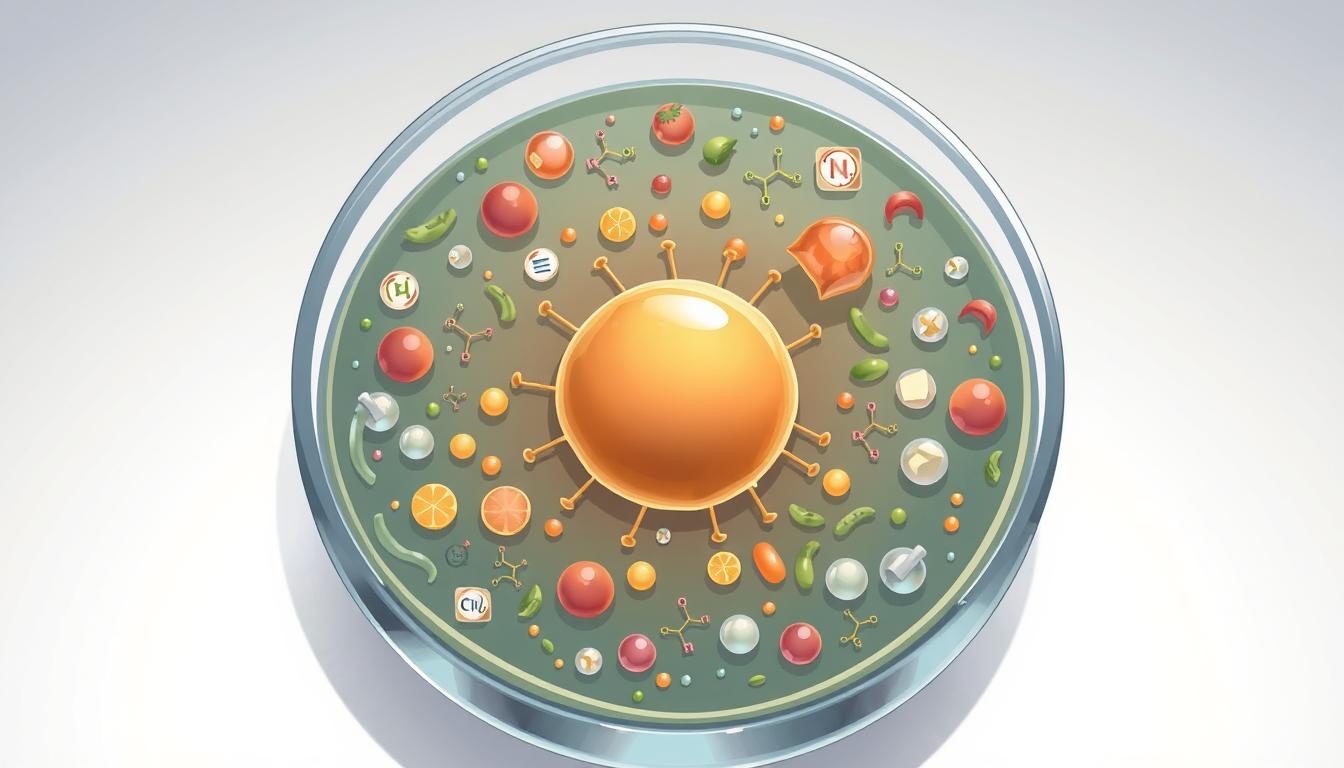
Ever thought about the invisible support that keeps cells alive in labs? Culture medium is like a life-giving ecosystem for cells, creating a perfect environment for research.
This special liquid is a blend of nutrients that helps cells grow. It’s made to mimic the conditions cells have in living bodies. Scientists mix these ingredients carefully to study cells in a controlled way.
The medium gives cells what they need to live, like glucose at 5.5 mM, just like our blood. Each part works together to help cells grow and function well.
Key Takeaways
- Culture medium provides comprehensive nutritional support for cell survival
- Precise formulation mimics natural cellular environments
- Enables controlled scientific research across multiple disciplines
- Includes essential nutrients like glucose, amino acids, and trace elements
- Supports cell nutrition through carefully balanced chemical compositions
Overview of Culture Medium
Cell culture media are special artificial environments that help cells grow and research. They provide the nutrients needed for studying cells outside their natural places.
Culture media come in solid, liquid, and semi-solid forms. They aim to mimic natural conditions for cells. They offer essential nutrients and keep growth factors in check.
Defining Culture Medium
A culture medium is a nutrient solution made for cell growth. It has many parts that help cells survive:
- Essential amino acids
- Vitamins
- Inorganic salts
- Growth factors
- pH balance regulators
Significance in Biological Research
Culture media have changed many scientific fields. They allow for controlled experiments. Scientists can study different cell types, like:
- Microorganisms
- Animal cells
- Plant cells
- Stem cells
Culture media are key to modern cell research. They give deep insights into how life works.
| Media Type | Key Characteristics | Primary Applications |
|---|---|---|
| Natural Media | Derived from animal tissues | General cell culture research |
| Synthetic Media | Chemically defined composition | Specialized research needing exact conditions |
Knowing how culture media work is crucial. It helps scientists create the best conditions for cell growth. This ensures reliable results in many scientific areas.
Nutritional Components of Culture Medium
Culture medium is vital for cells, offering key nutrients for growth and health. Scientists design these environments carefully. They aim for the best cell development and research results.
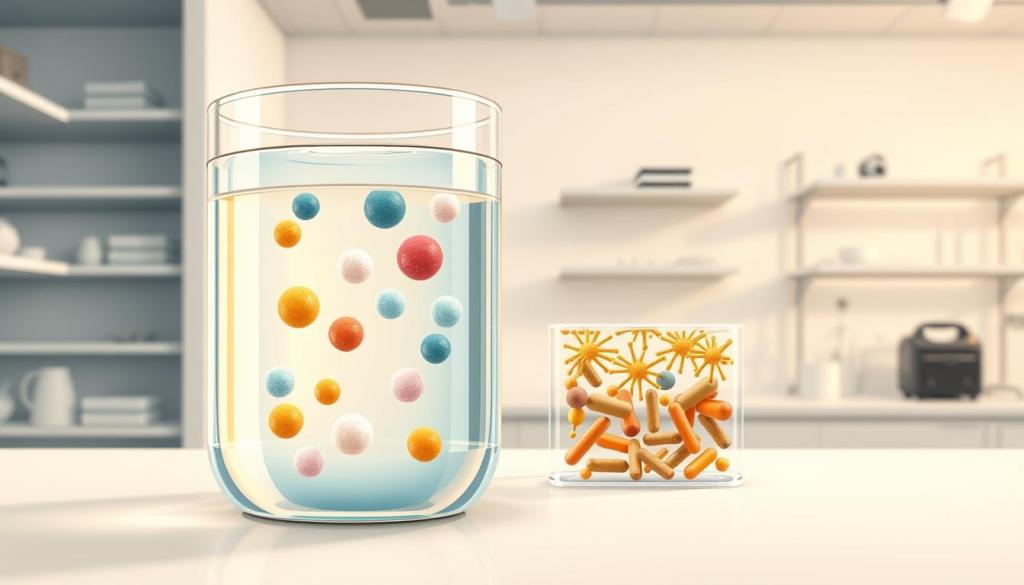
The nutritional world of culture media includes two main types of essential components:
Macronutrients: Cellular Building Blocks
Macronutrients are the basic nutrients for cell growth and function. They include:
- Glucose: The main energy source for cells
- Amino acids: Key for building proteins
- Inorganic salts: Important for electrolyte balance
- Vitamins: Needed for enzyme function
Micronutrients: Precision Cellular Support
Micronutrients offer detailed support for cell nutrition. They provide trace elements for complex cell processes. These include:
- Trace minerals
- Selenium
- Zinc
- Copper
Precise nutritional composition determines the success of cell culture experiments and research outcomes.
Different cells need different nutrients. Fastidious organisms require specialized media with complex nutritional requirements. This shows how important it is to match growth factors and nutrients to each cell type.
Role of Culture Medium in Cell Growth
Culture medium is key for cell growth and keeping cells healthy. Scientists know it does more than just feed cells.
The mix in culture medium affects how cells grow and look. Certain nutrients can change how cells behave and grow.
Supporting Cell Proliferation
For cells to grow well, they need a few important things in the culture medium:
- Precise nutritional balance
- Appropriate growth factors
- Optimal osmotic pressure regulation
“The right culture medium can transform cellular potential” – Cell Biology Research Institute
Research shows that the right mix can make cells grow faster, up to 75%. Adding the right amino acids, vitamins, and trace elements helps cells grow well.
Influencing Cell Morphology
The mix in culture medium also shapes how cells look and organize. Different media can make cells look and act differently.
- Promotes specific cell spreading patterns
- Regulates membrane protein expression
- Supports distinct cellular differentiation
By adjusting osmotic pressure and nutrients, scientists can control how cells grow. The right mix can keep cells the same or change them a lot.
Types of Culture Medium
Cell culture researchers use different media types to help cells grow and meet their needs. Choosing the right culture medium is key. It affects the results of research, especially when it comes to growth factors and antibiotics.

Scientists group culture media into three main types. Each type is used for different research goals:
- Classical Media
- Serum-based Media
- Synthetic Media
Classical Media Composition
Classical media are the traditional nutrient mixes used in microbiology. Nutrient broths and agar plates are the most used for growing microorganisms. They have basic ingredients like meat extract and peptone water.
Serum-based Media Characteristics
Serum-based media use biological fluids for a richer nutrient mix. About 25% of cell culture media are natural, like this. Bovine serum is often chosen because it has many nutrients and is easy to find.
Synthetic Media Innovations
Synthetic media make up about 75% of cell culture media today. They are made from chemicals for better consistency and less variation. Labs like them for their exact nutrient mix and reliability.
| Media Type | Key Characteristics | Primary Applications |
|---|---|---|
| Classical Media | Basic nutrient components | Microbial cultivation |
| Serum-based Media | Complex biological fluids | Mammalian cell cultures |
| Synthetic Media | Chemically defined ingredients | Precision research |
“The right culture medium can transform experimental possibilities in cellular research.” – Anonymous Cell Biologist
When picking culture media, researchers must think about growth factors, antibiotic effects, and what cells need. This ensures the best results for their experiments.
Physiological Conditions Provided by Culture Medium
Cell culture media are key to keeping cells alive and working right. They create a special environment that matches what cells experience in the body.
Maintaining Optimal pH Balance
Keeping the right pH is crucial for cell culture success. Most mammalian cells do best at a pH between 7.2 and 7.4. The culture media use special buffers to keep the pH steady. These buffers work well with 5-10% CO2.
- Normal cell lines prefer pH 7.4
- Transformed cell lines grow best at pH 7.0-7.4
- Specific cell types have unique pH requirements
Understanding Osmotic Pressure Dynamics
Osmotic pressure is another important factor in cell culture. The media’s osmolality is kept between 280 to 320 mOsm/kg. This helps prevent stress and ensures cells grow well.
“Precise osmotic pressure management is key to maintaining cell viability and functionality in culture environments.”
| Cell Type | Optimal pH Range | Osmolality Range |
|---|---|---|
| Mammalian Cells | 7.2 – 7.4 | 280 – 320 mOsm/kg |
| Insect Cells | 6.2 | 270 – 330 mOsm/kg |
| Avian Cells | 7.3 – 7.5 | 290 – 310 mOsm/kg |
By controlling pH and osmotic pressure, scientists create a close-to-natural environment. This helps them get more accurate and reliable results from their experiments.
Cell Types and Specific Medium Requirements
Cell nutrition is all about knowing the unique needs of different cells. Each cell type needs a special culture medium to grow well. Researchers must design the right culture conditions for the best results.
Cell culture is complex because different cells need different things from their medium. There are mainly two types: adherent and suspension cells. Each type needs a special approach.
Adherent Cells: Surface-Dependent Growth
Adherent cells need certain things to attach and grow. They stick to surfaces and require:
- Attachment factors like fibronectin
- Special surface coatings
- Nutrient-rich media for adhesion
Suspension Cells: Free-Floating Dynamics
Suspension cells grow in liquid and have their own needs. Important factors include:
- Protection from shear stress
- Better nutrient flow
- Custom media formulas
*Choosing the right medium is key for cell health and research success.*
Every cell type needs a unique nutritional plan. Successful cell culture depends on matching the medium to the cell’s needs.
Culture Medium Sterilization Methods
Sterilization is key in making culture media clean. It stops contamination and keeps research accurate. Scientists use different ways to kill microbes and keep cell cultures pure.
Two main methods are used in labs. They involve high temperatures and precise filters. These steps are vital for culture media quality and trustworthiness.
Autoclaving: High-Temperature Sterilization
Autoclaving is a top choice for sterilizing culture media. It uses steam under high pressure to kill microbes well.
- Standard autoclaving parameters:
- Temperature: 121°C
- Pressure: 15 PSI
- Duration: 15 minutes
- Works well for stable media parts
- Kills spores and live cells
Membrane Filtration: Precision Sterilization
Filtration is good for sensitive antibiotics and complex media. It’s a gentler way to sterilize.
| Filtration Parameter | Specification |
|---|---|
| Membrane Pore Size | 0.2 – 0.45 µm |
| Effective Organism Removal | Bacteria and Large Contaminants |
| Best For | Heat-Sensitive Media Components |
Choosing the right sterilization method is important. It depends on the media’s makeup. This ensures cells grow well and stay free from contamination.
The success of cell culture experiments fundamentally depends on maintaining sterile conditions throughout the preparation and maintenance process.
Scientists use strict sterilization methods. They use precise temperatures and filters. This makes culture media reliable for important research.
Monitoring Culture Medium Quality
Keeping cell cultures healthy means watching the medium closely. Scientists check nutrient levels and look for contaminants. This is key for good research results.

Cell culture quality control is tough. About 16.1% of studies use bad cell lines. So, checking the medium well is very important.
Assessing Nutrient Depletion
There are a few ways to track nutrient levels:
- Looking at cell shape
- Using color tests
- Measuring nutrients with spectrophotometry
- Watching pH levels
Detecting Contaminants
Keeping cultures clean is vital. Scientists use many ways to find and stop contamination:
- Looking under a microscope
- Using DNA tests
- Doing biochemical tests
Keeping an eye on things helps make research reliable.
The International Cell Line Authentication Committee found 576 bad cell lines. This shows how important quality checks are.
| Monitoring Parameter | Detection Method | Frequency |
|---|---|---|
| Nutrient Levels | Spectrophotometry | Weekly |
| Microbial Contamination | Microscopic Analysis | Bi-weekly |
| pH Balance | Electronic pH Meter | Daily |
With good monitoring, scientists can keep cultures healthy. This helps avoid problems with the medium.
Applications of Culture Medium in Research
Culture media are key in scientific research. They give living cells the nutrients and growth factors they need. This helps researchers do important studies in many fields.
Scientists use culture media to set up controlled experiments. These experiments mimic complex biological systems. The medium supports cell growth, making it easier to study cells closely.
In Vitro Studies: Exploring Cellular Dynamics
In vitro studies use culture media to study cells outside of living organisms. Researchers can look at:
- Gene function and expression
- Cellular interactions
- Disease mechanism development
- Metabolic pathway analysis
Drug Testing and Development
Culture media are vital in drug research. They help scientists test drugs thoroughly. They check:
- Drug efficacy
- Potential toxicity
- Cellular response mechanisms
“Culture media transform research by providing controlled environments that unlock cellular mysteries.” – Research Insights Journal
Today, culture media help make new scientific discoveries. They give cells the nutrients and support they need for research.
| Research Domain | Culture Medium Application |
|---|---|
| Cancer Biology | Tumor cell line investigation |
| Stem Cell Research | Cellular differentiation studies |
| Personalized Medicine | Patient-specific cell behavior analysis |
As technology gets better, culture media open up more research areas. They help scientists in many biological fields.
Ethical Considerations in Using Culture Medium
Scientific research in cell nutrition needs careful ethical thought, especially about culture media components. More and more, researchers see the value in sustainable and ethical methods in their work.
The scientific world is moving towards more responsible ways to make culture media. This shift tackles big ethical problems that old methods had.
Animal-Derived Components: A Critical Review
Fetal bovine serum (FBS) has been a key part of cell culture media for a long time. But, there are big ethical worries about how it’s gotten and used:
- It relies a lot on animal products
- There are animal welfare concerns
- It can harm the environment
Sustainable Practices in Cell Research
Now, cell nutrition is moving towards new ways that use less animal products. Scientists are looking into making culture without animals or antibiotics.
“The future of cell research lies in ethical, sustainable methodologies that respect both scientific rigor and animal welfare.” – Scientific Research Ethics Council
| Research Approach | Ethical Considerations | Development Status |
|---|---|---|
| Traditional Media | Heavy animal product dependence | Gradually being phased out |
| Synthetic Media | Reduced animal involvement | Rapidly evolving |
| Human-Derived Alternatives | Minimal ethical concerns | Emerging technology |
The OECD Test Guideline Programme helps make research more ethical. It focuses on the 3Rs principle: Replace, Reduce, and Refine animal use.
Worldwide efforts are making cell culture research more ethical. This change is moving science towards more responsible practices.
Future Trends in Culture Medium Development
The world of culture medium development is changing fast. This is thanks to synthetic biology and new ways to use computers. Scientists are working hard to make cell cultures better by improving growth factors and gas exchange.
They are testing 232 different medium combinations. This shows they are trying new things to grow cells better than before.
Synthetic Biology Approaches
Synthetic biology is changing how we make culture media. It lets scientists make media that exactly meets a cell’s needs. This is a big step forward in making cells grow well.
They focus on getting nutrients to cells right and making sure they get enough air. This is key for cells to grow and stay healthy.
Personalized Culture Media Solutions
New tech is leading to culture media made just for certain research needs. Scientists use computers and special designs to make media for specific cells. This is a big improvement over old ways of making culture media.
It could change how we do things in regenerative medicine and biotechnology. It’s a big step forward.
FAQ
What is a culture medium?
A culture medium is a special setup to help living cells grow outside their natural place. It gives them the nutrients and conditions they need to thrive. This lets scientists study and work with cells in a controlled way.
What key components does a culture medium provide to living cells?
A culture medium offers many important things to cells. It has nutrients, energy sources, and growth factors. It also has electrolytes, pH buffers, and osmotic regulators to keep the cells healthy.
How do different cell types require different culture media?
Each cell type needs its own special mix of nutrients and conditions. Adherent cells need something to stick to, while suspension cells need to stay separate. There are even special media for stem cells, cancer cells, and more.
Why is sterilization crucial in preparing culture media?
Sterilization is key to keep cells safe from harmful germs. It uses methods like autoclaving and filtration to remove bacteria, viruses, and fungi. This makes sure the cells can grow and be studied accurately.
What are the main types of culture media?
There are a few main types of culture media. You have classical media, serum-based media, synthetic media, and specialized media. Each type is made for different needs and cell types.
How do culture media maintain cellular physiological conditions?
Culture media keep cells healthy by controlling pH, osmotic pressure, and temperature. They also help with gas exchange and waste removal. This creates a stable environment for cell growth.
What are emerging trends in culture medium development?
New trends include using synthetic biology and making media that’s tailored to specific research. There’s also a push for animal-free alternatives and better ways to deliver nutrients to cells.






Leave a Comment
Your email address will not be published. Required fields are marked *