



Laboratory distilled water is a crucial resource in scientific research and testing environments, providing a pure base for experiments where contaminants could compromise results.
We use distilled water in the lab for various applications, ranging from general lab use to ultra-pure water for highly sensitive analytical procedures. The importance of distilled water stems from its exceptional purity level, achieved through a specialized distillation process that removes minerals, bacteria, and other impurities.
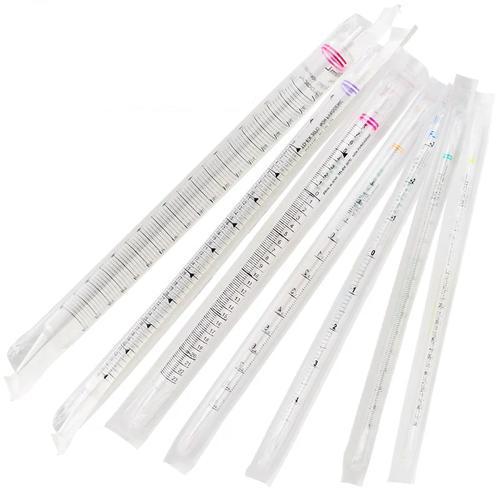
For instance, when cleaning pipettes, a final rinse with distilled water is essential to remove any leftover chemicals and prevent mineral buildup that can affect the instrument’s accuracy.
Key Takeaways
- Distilled water is essential in laboratory settings for its purity.
- Different laboratory applications require specific grades of water purity.
- The distillation process removes minerals, bacteria, and other impurities.
- Understanding laboratory water standards helps professionals select the right water quality.
- Proper storage and maintenance ensure consistent water quality.
Understanding Laboratory Distilled Water
In laboratory settings, the purity of water is paramount for accurate test results. We provide high-purity lab grade water that meets the most stringent requirements.
The Distillation Process Explained
The distillation process involves the removal of contaminants and impurities from water, resulting in a high-purity product. We utilize a continuous distillation process validated under cGMP standards to ensure the highest quality distilled water.
Purity Standards and Contaminant Removal
Laboratory water purity is classified according to established standards such as ASTM Type I-IV. Effective contaminant removal eliminates concerns about bacteria, endotoxins, and dissolved solids that could interfere with testing accuracy. Our lab grade water is available in various types, including USP Purified, Sterile Filtered, and ACS Reagent Grade, ensuring compliance with required standards.
By adhering to these standards and utilizing a rigorous distillation process, we ensure that our laboratory distilled water meets the highest grade requirements for various laboratory applications.
Essential Applications of Laboratory Distilled Water
Laboratories rely heavily on distilled water for various applications, including reagent preparation and testing procedures. The purity of distilled water ensures that it doesn’t introduce contaminants that could affect chemical reactions or analytical results.
Sample Preparation and Chemical Analysis
In laboratory settings, distilled water is used for sample preparation and chemical analysis. It helps maintain the integrity of samples and ensures accurate analytical results. Different grades of distilled water are available to cater to specific laboratory needs.
Equipment Sterilization and Calibration
Distilled water is also used for equipment sterilization and calibration. Using distilled water for these purposes prevents contamination and ensures that equipment is calibrated accurately.
Reagent Preparation and Testing Procedures
Reagent preparation is another critical application of distilled water. Laboratories use distilled water to prepare reagents with accurate concentrations, which is crucial for reliable testing procedures.
| Product | Price | Container Size |
|---|---|---|
| Water, ACS Reagent Grade, ASTM Type I, ASTM Type II | $28.47 | 4L plastic container |
| Water, Distilled, Reagent Grade | $48.82 | 1 gallon |
| Water, ACS Reagent Grade, ASTM Type II | $41.24 | 1 gallon |

Distilled water for experiment
Laboratory Water Distillers and Equipment
When it comes to laboratory water distillation, the right equipment is crucial for achieving high purity standards. We offer a range of laboratory water distillers that cater to different needs and applications.
Stainless Steel vs. Plastic Distillation Systems
The choice between stainless steel and plastic distillation systems depends on several factors, including durability, maintenance, and cost. Stainless steel systems are generally more durable and resistant to corrosion, while plastic systems are often more affordable.
Storage Considerations and Delivery Pumps
Proper storage and delivery systems are essential for maintaining the quality of distilled water. We recommend using systems with built-in pumps and leak detection controls to ensure safe and efficient operation.
Maintenance Requirements and Efficiency
Regular maintenance is crucial for ensuring the longevity and efficiency of laboratory water distillation systems. Modern systems like the PWS-7000 feature automatic contaminant draining, reducing manual cleaning requirements and improving overall efficiency.
By considering factors such as equipment type, maintenance needs, and safety features, laboratories can select the most suitable water distillation system for their specific requirements.
Conclusion
To summarize, the use of distilled water is fundamental to achieving accurate laboratory results. Different lab processes demand different water grades, from general lab use to Type I ultra-pure water for highly sensitive procedures. Modern distillation equipment provides laboratories with efficient access to purified water in various forms. Understanding the properties and applications of laboratory distilled water helps professionals make informed decisions about equipment investment and quality control measures. As laboratory techniques advance, the demand for precisely specified grades of distilled water will remain critical.
References and further readings:
1.Abou Assi, R., Ng, T. F., Tang, J. R., & Chan, S. Y. (2021). Statistical Analysis of Green Laboratory Practice Survey: Conservation on Non-Distilled Water. Water, 13(15), 2018.
https://www.mdpi.com/2073-4441/13/15/20182.Khadka, D., Amgain, R., & Joshi, S. (2021). Evaluation of distilled water pH measurement with electrolyte methods in cultivated soils of Nepal. Agrochemistry and Soil Science.
https://www.researchgate.net/publication/358240586_Evaluation_of_distilled_water_pH_measurement_with_electrolyte_methods_in_cultivated_soils_of_Nepal3.True, R. H. (1914). The harmful action of distilled water. American Journal of Botany, 1(9), 475–478.
https://www.jstor.org/tc/accept?origin=%2Fstable%2Fpdf%2F2435102.pdf&is_image=False
FAQ
What is the difference between deionized and distilled water in a lab setting?
Deionized water has had its ions removed, while distilled water is purified through the process of distillation, removing many contaminants and impurities. We recommend using distilled water for most lab applications due to its high purity.
How often should I change the storage container for my lab-grade water?
It’s recommended to change the storage container every few months or sooner if you notice any signs of contamination or bacteria growth. Regular maintenance ensures the water remains suitable for your lab needs.
Can I use distilled water for reagent preparation and chemical analysis?
Yes, distilled water is suitable for reagent preparation and chemical analysis due to its high purity standards. We ensure our distillation systems meet the required standards for lab use.
What are the benefits of using a stainless steel distillation system over a plastic one?
Stainless steel distillation systems offer greater durability and resistance to corrosion, making them a safer choice for producing high-purity water. They also minimize the risk of contaminants leaching into the water.
How do I maintain the efficiency of my lab water distiller?
Regular maintenance, such as cleaning and replacing worn-out parts, is crucial to maintaining the efficiency of your lab water distiller. We recommend following the manufacturer’s guidelines for maintenance schedules and procedures.
Is distilled water suitable for equipment sterilization and calibration?
Yes, distilled water is often used for equipment sterilization and calibration due to its purity and lack of impurities. Using distilled water helps ensure accurate results and prevents damage to sensitive equipment.
Leo Bios
Hello, I’m Leo Bios. As an assistant lecturer, I teach cellular and
molecular biology to undergraduates at a regional US Midwest university. I started as a research tech in
a biotech startup over a decade ago, working on molecular diagnostic tools. This practical experience
fuels my teaching and writing, keeping me engaged in biology’s evolution.





Leave a Comment
Your email address will not be published. Required fields are marked *