



Ground glass hepatocytes (GGHs) are very important in understanding hepatitis. They are special cells found in the liver, mainly seen in people with chronic hepatitis B virus (HBV) infection. These cells look glassy because they have a lot of hepatitis B surface antigen (HBsAg) inside them.
This is a key sign that helps doctors tell chronic HBV from other liver diseases. We will look into what GGHs are, why they matter, and how they help in diagnosing and treating hepatitis.
Key Takeaways
- Ground glass hepatocytes are key indicators of chronic hepatitis.
- They are characterized by a glassy appearance due to HBsAg accumulation.
- GGHs play a role in distinguishing hepatitis B from other liver diseases.
- Recognizing GGHs enhances the understanding of liver pathology.
- These cells are significant in the diagnosis and management of hepatitis.
Understanding Ground Glass Hepatocytes
Ground glass hepatocytes (GGHs) are key in liver studies. They help us understand liver cell problems, especially in hepatitis. This part talks about what they are, why they matter, and their role in liver studies.
Definition of Ground Glass Hepatocytes
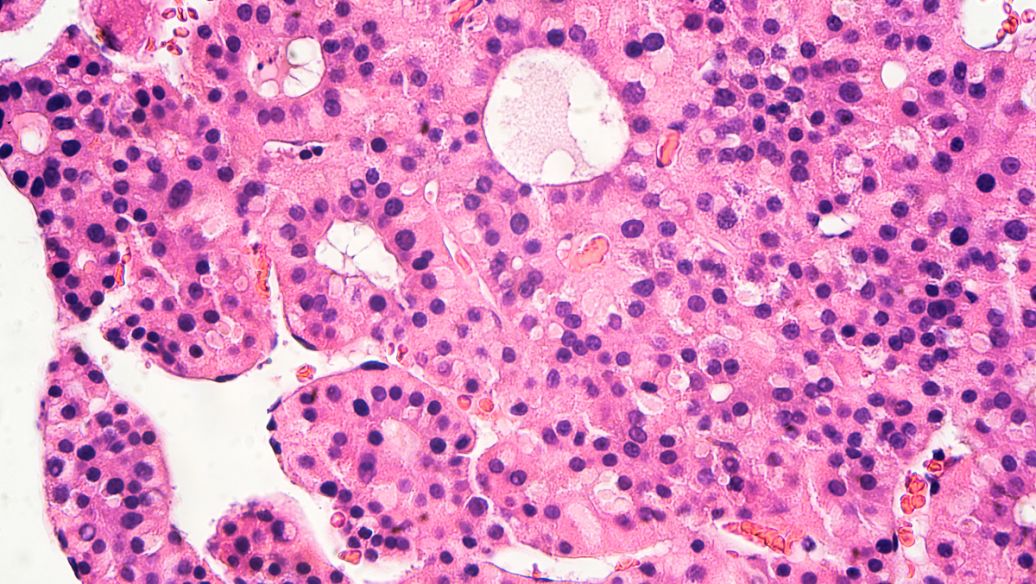
GGHs have a special look under the microscope. Their cytoplasm looks like ground glass and stains light brown. This shows they have hepatitis B surface antigen (HBsAg). They are mostly seen in people with chronic hepatitis B, helping doctors understand their condition.
Importance in Liver Histology
GGHs are important for diagnosing chronic hepatitis B virus (HBV). They show viral antigens in liver cells, helping doctors make decisions. Finding GGHs helps diagnose and understand liver diseases better.
Connection to Hepatitis
GGHs are only linked to chronic HBV infections. Their presence means the virus is still active and the liver is stressed. Spotting GGHs helps tell chronic hepatitis apart from acute infections, which is crucial for treatment.
This detailed look at ground glass hepatocytes shows their importance in liver studies and hepatitis diagnosis. It highlights how spotting these abnormalities is key in medical practice.
The Role of Ground Glass Hepatocytes in Hepatitis
Ground glass hepatocytes (GGHs) are key in understanding hepatitis. These liver cells act as a marker for different hepatitis types. They help us see how liver disease works.
This section will look at how GGHs form, the hepatitis types they are linked to, and their role in diagnosing liver disease.
Mechanism of Formation
GGHs get their glassy look because they hold hepatitis B surface antigen (HBsAg) in their endoplasmic reticulum (ER). This causes stress in the cells, showing different stages of hepatitis B virus (HBV) activity. So, GGHs can show how active the virus is and the state of the liver.
Types of Hepatitis Associated
GGHs are mainly seen in chronic hepatitis B. But, research shows they might also show up in certain stages of hepatitis C. This is less common, though. Knowing about GGHs and these hepatitis types helps us understand how the disease progresses.
Clinical Significance
Seeing GGHs in liver tissue is very important for doctors. It can show how severe liver disease is. It might even hint at liver cirrhosis or cancer. Watching GGHs helps doctors predict how a patient will do and plan their treatment.
Diagnosing Ground Glass Hepatocytes
Diagnosing ground glass hepatocytes (GGHs) uses a mix of techniques. These methods help check liver health accurately. Each one gives different views into liver health, key for spotting GGHs.
Common Diagnostic Methods
Diagnosing GGHs mainly involves looking at liver samples. Liver biopsies are key, using H&E staining to see cell changes. This helps spot GGHs and understand liver health.
Role of Liver Biopsy
Liver biopsies are the top way to find GGHs. They let doctors see liver cells up close. This gives important info on liver health and disease.
Imaging Techniques
Imaging like ultrasound and MRI help but don’t find GGHs. They show liver health and find problems like cirrhosis. But, they can’t replace the detailed view of biopsies.
Ground Glass Hepatocytes and Chronic Hepatitis B
Chronic hepatitis B is a serious health issue. It’s caused by a long-lasting infection from the hepatitis B virus. This infection can damage the liver a lot and cause symptoms over time.
Ground glass hepatocytes (GGHs) are a key sign. They show that the virus is inside the liver cells. Finding GGHs helps us understand how the virus works in the body.
Overview of Chronic Hepatitis B
Chronic hepatitis B means the virus stays in the body for a long time. It can harm the liver a lot. This harm can lead to scarring, cirrhosis, and even cancer.
Knowing about GGHs is important. It helps doctors see how bad the liver damage is. It also helps them decide the best treatment.
Pathophysiology Involving Ground Glass Hepatocytes
GGHs form because of the hepatitis B virus. The virus builds up inside liver cells. This buildup causes the cells to change and can lead to inflammation and damage.
If not treated, these changes can get worse. They can lead to cirrhosis or even cancer. This shows how important GGHs are in understanding chronic hepatitis B.

Ground-glass hepatocytes under the microscope
Ground Glass Hepatocytes and Chronic Hepatitis C
Chronic hepatitis C is a serious viral infection that causes ongoing inflammation and damage to liver cells. This condition can lead to various liver problems over time. While ground glass hepatocytes (GGHs) are most often linked to chronic hepatitis B, they can also be found in chronic hepatitis C, but it’s rare.
Overview of Chronic Hepatitis C
Chronic hepatitis C affects millions of people worldwide, leading to severe liver problems like cirrhosis and liver cancer. The virus mainly attacks hepatocytes, causing cell disruptions. Chronic hepatitis C often starts without symptoms, making it hard to diagnose and treat on time.
Histological Findings
The study of liver tissue in chronic hepatitis C shows unique features. Unlike hepatitis B, where GGHs are common, chronic hepatitis C shows different cell problems. These include lymphocytic infiltration and fibrosis, which are typical of the disease. GGHs might be found, but they are not a key sign of chronic hepatitis C.
Treatment Options for Hepatitis with Ground Glass Hepatocytes
Treatment for hepatitis with ground glass hepatocytes includes antiviral therapy, liver monitoring, and clinical management. These methods aim to control the viral infection and prevent liver damage. Knowing about these treatments can greatly help patients.
Antiviral Therapy
Antiviral therapy is key in treating hepatitis, especially chronic hepatitis B. Drugs like tenofovir and entecavir are used to stop the virus from multiplying. These treatments are important because they can lessen the number of ground glass hepatocytes in the liver.
By keeping the virus under control, symptoms can improve. This also lowers the risk of serious complications.
Liver Monitoring and Management
Monitoring the liver is crucial for patients with chronic hepatitis and ground glass hepatocytes. Ultrasound and blood tests are used to check liver health and see how well treatment is working. This ongoing care helps doctors catch any signs of liver problems early.
They can then take action quickly to prevent serious issues like cirrhosis or liver cancer.
Prognosis Related to Ground Glass Hepatocytes
Understanding the prognosis for patients with ground glass hepatocytes is key. It helps predict long-term outcomes and assess liver function. This knowledge is crucial for creating personalized treatment plans for those with chronic hepatitis.
The presence of ground glass hepatocytes often means more serious liver issues. It’s important to look closely at the possible future complications. This helps in planning for the challenges ahead.
Long-term Outcomes
Patients with ground glass hepatocytes face big long-term risks. Studies show they are more likely to develop liver cirrhosis and cancer if not treated. Regular check-ups and treatment are crucial to improve their outlook.
Without intervention, these individuals may face severe liver problems. It’s vital to monitor their health closely. This helps in managing their condition and supporting their overall well-being.
Impact on Liver Function
Ground glass hepatocytes indicate ongoing stress in liver cells. This can lead to a decline in liver function over time. If left unchecked, patients may see a decrease in their liver’s ability to function.
It’s essential to keep a close eye on liver function. This helps in catching complications early. It also allows for timely action to support the health of those with chronic hepatitis.
Comparison of Ground Glass Hepatocytes in Different Hepatitis Types
Ground glass hepatocytes show different traits based on the type of hepatitis. Knowing these differences is key for correct diagnosis and treatment. The features of these cells in hepatitis B and C are quite different, helping doctors figure out the cause.
Hepatitis B vs. C
Ground glass hepatocytes are more common and have specific traits in hepatitis B. Their presence is closely linked to the infection’s severity. In hepatitis C, these cells are less significant in the overall tissue changes. It’s important to study them closely to tell hepatitis B from C.
Variability in Histological Features
Ground glass hepatocytes look different in hepatitis B and chronic hepatitis C. In hepatitis B, they have a unique shape and special inclusions. Chronic hepatitis C shows different signs. These differences help doctors diagnose and plan treatment.
| Hepatitis Type | Ground Glass Hepatocyte Presence | Histological Features |
|---|---|---|
| Hepatitis B | Strong correlation | Distinct cellular organization and characteristics |
| Hepatitis C | Less prominent | Different histological patterns |
Emerging Research on Ground Glass Hepatocytes
Recent studies have made big strides in understanding ground glass hepatocytes (GGHs). They look into how certain viral mutants affect the disease, especially in hepatitis B. This research is key because it sheds light on how GGHs harm the liver.
Looking ahead, researchers aim to find new treatments for GGHs. They want to create therapies that not only treat symptoms but also change the disease’s course. This could lead to better care for people with chronic hepatitis B.
As research on hepatitis B advances, studying GGHs will stay important. New findings will help create targeted treatments. This could lead to better ways to manage chronic hepatitis and improve liver health.
References and further readings:
1.Li, Y., Xia, Y., Cheng, X., Kleiner, D. E., Hewitt, S. M., et al. (2019). Hepatitis B surface antigen activates unfolded protein response in forming ground glass hepatocytes of chronic hepatitis B. Viruses, 11(4), 386.
https://www.mdpi.com/1999-4915/11/4/3862.Tsai, H. W., Lin, Y. J., Wu, H. C., Chang, T. T., et al. (2016). Resistance of ground glass hepatocytes to oral antivirals in chronic hepatitis B patients and implication for the development of hepatocellular carcinoma. Oncotarget, 7(27), 27724–27736.
https://pmc.ncbi.nlm.nih.gov/articles/PMC5053683/3.Mathai, A. M., Alexander, J., Kuo, F. Y., Torbenson, M., et al. (2013). Type II ground-glass hepatocytes as a marker of hepatocellular carcinoma in chronic hepatitis B. Human Pathology, 44(7), 1437–1443.
https://www.sciencedirect.com/science/article/abs/pii/S0046817713000592
FAQ
What are ground glass hepatocytes (GGHs)?
Ground glass hepatocytes are liver cells that look glassy and hazy. This is because of hepatitis B surface antigen (HBsAg) in the endoplasmic reticulum. They are mainly seen in chronic hepatitis B virus (HBV) infection.
Why are GGHs important in liver histology?
GGHs are key markers for diagnosing chronic HBV. They show viral antigens in liver cells. This helps spot liver cell problems.
How do ground glass hepatocytes relate to hepatitis?
GGHs are linked to chronic HBV infections. They show ongoing viral replication and stress on liver cells. This helps tell chronic from acute infections.
What is the mechanism of GGH formation?
GGHs form when HBsAg stays in the endoplasmic reticulum. This causes cellular stress. It might show how HBV is replicating.
Are GGHs associated with other types of hepatitis?
GGHs are mostly seen in chronic hepatitis B. But, they might also appear in some stages of chronic hepatitis C, but less often.
What is the clinical significance of identifying GGHs?
Finding GGHs on liver histology is important. It shows how severe the disease is. It also shows the risk of liver cirrhosis or cancer.
How are GGHs diagnosed?
Diagnosing GGHs involves looking at liver tissue. This is done through liver biopsy. Hematoxylin and eosin (H&E) staining is used.
What role does liver biopsy play in diagnosing GGHs?
Liver biopsy is the best way to see GGHs. It lets doctors directly observe them. It also shows inflammation and tissue structure.
Can imaging techniques identify GGHs?
Imaging like ultrasound or MRI helps check liver disease. But, they don’t spot GGHs. They mainly check the liver’s overall health and find complications like cirrhosis.
What is the overview of chronic hepatitis B?
Chronic hepatitis B is a long-term infection. It damages the liver over time. GGHs are a key sign of this condition.
What is the pathophysiology involving ground glass hepatocytes?
HBsAg in hepatocytes can start immune responses. This might lead to cirrhosis or cancer in patients with GGHs.
How does chronic hepatitis C differ in relation to GGHs?
GGHs are not common in chronic hepatitis C. But, rare cases exist. The signs of hepatitis C are different from those of hepatitis B.
What are the treatment options for hepatitis involving GGHs?
Treatment for chronic hepatitis B includes antiviral drugs like tenofovir and entecavir. These aim to reduce viral replication and GGHs.
What monitoring is necessary for patients with GGHs?
Patients with GGHs need regular liver function checks. This includes ultrasound and blood tests. It helps manage the disease and watch for complications.
What are the long-term outcomes for patients with GGHs?
Patients with GGHs face big risks. They might develop liver cirrhosis or cancer. This is especially true if they don’t get treatment.
How do GGHs impact liver function?
GGHs show liver cell stress. This can harm liver function. So, constant monitoring is needed to manage and prevent problems.
How do GGHs differ between hepatitis B and C?
GGHs are closely tied to hepatitis B. They have unique signs. Their role in hepatitis C is less clear and not as strong.
What recent studies are being conducted on GGHs?
Researchers are studying how GGHs form. They’re looking at viral mutants and disease progression. This helps understand hepatitis B better.
What future directions are being considered in hepatitis research related to GGHs?
New studies aim to find better treatments for chronic hepatitis B. They focus on the mechanisms behind GGHs. This could lead to better disease management and outcomes.
Leo Bios
Hello, I’m Leo Bios. As an assistant lecturer, I teach cellular and
molecular biology to undergraduates at a regional US Midwest university. I started as a research tech in
a biotech startup over a decade ago, working on molecular diagnostic tools. This practical experience
fuels my teaching and writing, keeping me engaged in biology’s evolution.




Leave a Comment
Your email address will not be published. Required fields are marked *