


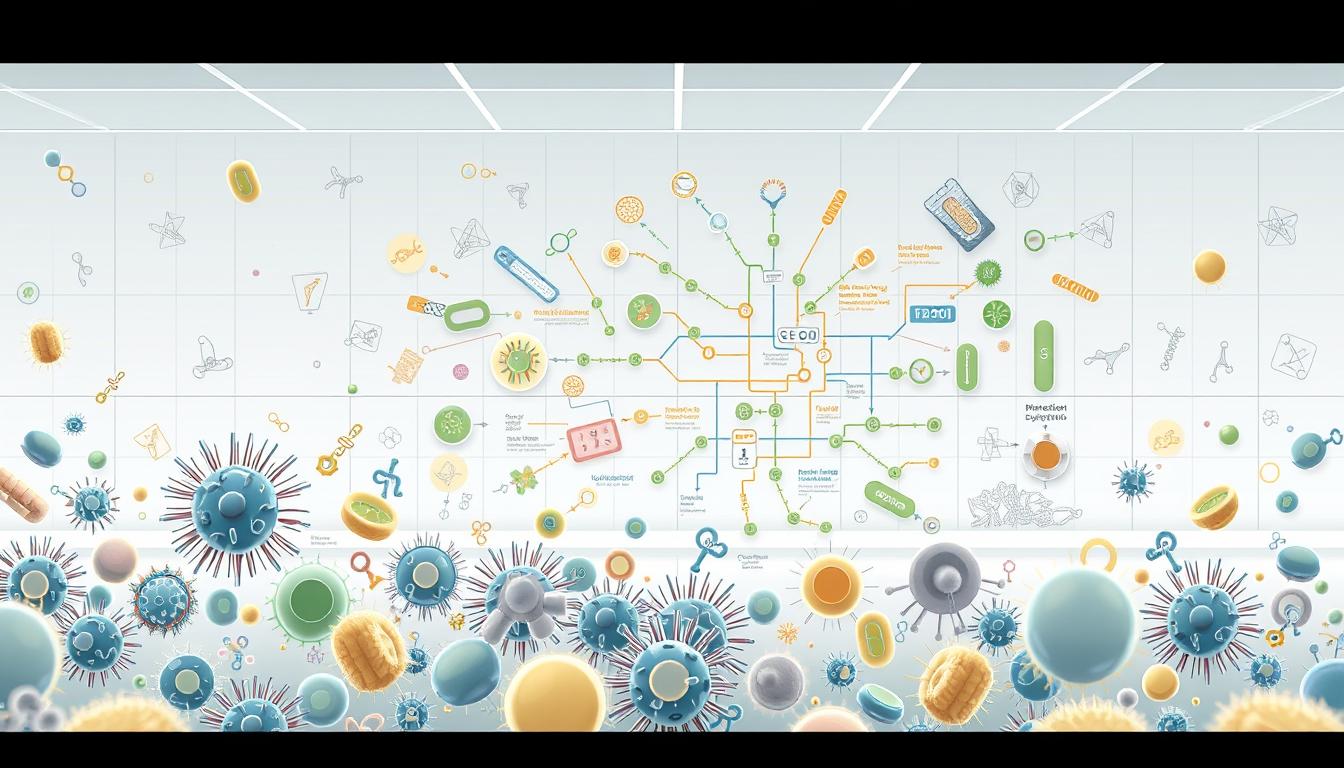
Ever thought about how tiny organisms can change whole ecosystems and industries? Bacteria are not just sitting there. They are active and can make a big impact on our world.
Bacterial production is a complex and interesting field. These tiny creatures can grow and make important things in many places. They help us in medicine and in understanding our environment.
Bacteria are very good at growing and making things. Some, like E. coli, can grow every 20 minutes. This lets them make lots of things quickly.
Key Takeaways
- Bacteria can reproduce extremely quickly, with cell division occurring as fast as every 20 minutes
- Bacterial production spans multiple environments, from human body systems to extreme conditions
- Microbial production involves complex metabolic processes and biochemical transformations
- Bacteria contribute significantly to global ecosystems and industrial applications
- Only 2% of bacterial species have been fully studied, indicating immense research potential
Introduction to Bacterial Production
Bacteria are tiny but mighty, playing big roles in our world. They are key in many ecosystems and industries. They do this through complex processes like fermentation and biosynthesis.
To understand bacteria, we must look at their unique traits and skills. They can live in extreme places and handle tough conditions.
The Importance of Understanding Bacterial Roles
Bacterial production is very interesting for scientists:
- Nutrient cycling in ecological systems
- Metabolic transformation of compounds
- Generation of beneficial biochemical products
- Supporting industrial and medical applications
Overview of Bacterial Production Types
Bacteria produce things in many different ways. Each type has its own special skills in making compounds.
| Production Type | Key Characteristics | Example Applications |
|---|---|---|
| Metabolic Transformation | Converting substrates into new compounds | Pharmaceutical ingredient synthesis |
| Fermentation Processes | Generating energy through anaerobic breakdown | Food and beverage production |
| Enzyme Production | Creating specialized protein catalysts | Industrial and research applications |
“Bacteria are the invisible engineers of biological systems, driving complex transformations that sustain life on our planet.” – Microbiological Research Journal
Bacteria are incredibly versatile. They help scientists and industries in many ways.
Types of Bacterial Production Processes
Bacterial production is a complex system of metabolic pathways. These pathways help microorganisms make energy and important compounds. They are very adaptable and efficient in turning raw materials into valuable products.
Metabolic Pathways Explained
Metabolic pathways are complex biochemical routes. Bacteria use these routes to turn nutrients into energy and essential molecules. They have two main ways to do this:
- Heterotrophic metabolism: Oxidizing organic compounds like glucose
- Autotrophic metabolism: Generating energy from inorganic compounds
In heterotrophic metabolism, bacteria can make about 38 moles of ATP from one mole of glucose. The process is about 55% efficient, turning potential energy into usable fuel.
Fermentation: A Key Player in Bacterial Production
Fermentation is a key bioprocessing technique. It allows bacteria to produce many different compounds. Each bacterial species makes unique products through fermentation.
| Bacterial Species | Fermentation Product | Industrial Application |
|---|---|---|
| Clostridium | Acetone, Isopropanol | Chemical Manufacturing |
| Acetobacter | Vinegar | Food Production |
| Lactobacillus | Lactic Acid | Dairy Fermentation |
Bioreactor systems are important for improving bacterial production. They help control the environment for better efficiency and product yield.
“Bacteria are nature’s microscopic factories, transforming raw materials into valuable compounds with remarkable precision.” – Microbiological Research Institute
Learning about metabolic pathways and fermentation shows the huge potential of bacterial production. It’s used in many industries, like food, pharmaceuticals, and environmental cleanup.
Bacterial Production of Biochemical Compounds
Bacteria are amazing biochemical factories. They make many important compounds through advanced biotechnology. Their skill in creating complex molecules is key in science and industry.
Microbial production is a complex process. Bacteria turn simple nutrients into valuable compounds. They do this through detailed biosynthesis pathways. These tiny organisms are great at making essential molecules for many fields.
Enzymes and Their Industrial Applications
Bacterial enzymes are vital in many industries. They help in making important products:
- Food processing: Amylases for bread production
- Textile manufacturing: Proteases for fabric treatment
- Pharmaceutical development: Specialized enzyme synthesis
“Bacteria are nature’s most efficient molecular engineers, converting raw materials into sophisticated biochemical compounds with remarkable precision.” – Dr. Sarah Montgomery, Microbiologist
Antibiotics: Natural Bacterial Defense Mechanisms
Bacteria make antibiotics to fight off other microbes. These compounds are a natural defense. They are crucial in medicine. Biotechnology uses these natural processes to create important drugs.
| Bacterial Species | Antibiotic Produced | Primary Application |
|---|---|---|
| Streptomyces | Streptomycin | Treating bacterial infections |
| Bacillus | Polymyxin | Combating gram-negative bacteria |
The ways bacteria make antibiotics are fascinating. They offer new ways to find medical treatments.
Bacteria in Food Production
Bacteria play a big role in making food tasty. They change raw ingredients into yummy food. This has changed how we keep food fresh and add flavor.
At the core of many food changes are prokaryotic bacteria. They are key in dairy making. These tiny bacteria make big changes in our food.
Lactobacillus: The Fermentation Powerhouse
Lactobacillus bacteria are amazing. They start fermentation in many foods. They do a lot, like:
- Turning milk into yogurt and cheese
- Making food taste unique
- Helping food last longer
“Bacteria are not just microorganisms; they are culinary artists transforming simple ingredients into complex delicacies.” – Food Science Expert
Impact on Dairy Product Production
Here are some stats on how bacteria affect food:
- 78% of milk has lactic acid bacteria
- Probiotics can cut down gut diseases by 30%
- Fermentation can make food last 25% longer
Dairy making is a complex process. Lactic acid bacteria turn milk sugars into lactic acid. This makes yogurt and cheese taste and feel different.
Bacterial Contributions to Food Safety
Bacteriocins from lactic acid bacteria are great for keeping food safe. They can stop bad bacteria, like Listeria monocytogenes, by up to 80%.
Knowing how bacteria help in food making shows us the complex world of microbes in our food.
Bacterial Production in Natural Ecosystems
Bacteria are key to keeping natural ecosystems in balance. They do this through their amazing ability to produce microbes. These tiny creatures are vital for recycling nutrients and keeping our environment healthy.
Natural ecosystems need bacteria for many important processes. These microbes can change and reuse nutrients that are essential for life.
Nitrogen Fixation by Soil Bacteria
Soil bacteria do an amazing job by fixing nitrogen. Some bacteria, like those in the Rhizobium genus, turn nitrogen from the air into a form that plants can use.
- Nitrogen-fixing bacteria transform inert atmospheric nitrogen
- Symbiotic relationships with plant roots enable nutrient exchange
- Critical for agricultural and natural ecosystem productivity
Bacterial Roles in Nutrient Cycling
Bacteria do more than just fix nitrogen. They are also involved in the cycling of carbon, sulfur, and phosphorus. This is a complex process that keeps ecosystems healthy.
| Bacterial Group | Ecosystem Role | Key Contribution |
|---|---|---|
| Proteobacteria | Soil Nutrient Cycling | Organic matter decomposition |
| Acidobacteria | Soil Metabolism | Carbon transformation |
| Actinobacteria | Decomposition | Complex organic matter breakdown |
“Bacteria are the unsung heroes of ecosystem maintenance, silently performing critical chemical transformations that sustain life.” – Environmental Microbiology Research Center
Electromicrobiomes show how bacteria can produce in many different places. Studies show these microbes are found in freshwater ecosystems, extreme environments, and even human gut flora.
The world of bacterial production is full of surprises. It shows us how these tiny organisms help keep our ecosystems alive and thriving.
Industrial Applications of Bacterial Production
Industrial biotechnology has changed how we make things. It uses bacteria’s amazing abilities. Now, scientists and engineers use bioprocessing to find new ways to help many industries.
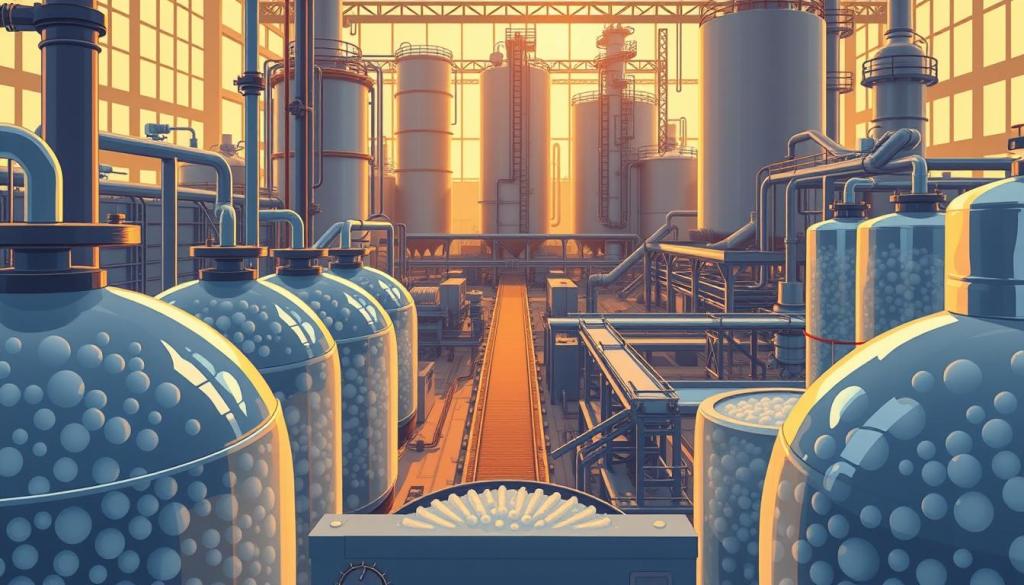
Bacteria are key in many industrial uses. They help with cleaning the environment and making medicines. Bioreactors control how bacteria grow and work. This is vital for today’s biotech research.
Bacteria in Biotechnology
Biotech uses bacteria in many ways:
- Enzyme production for industrial processes
- Pharmaceutical compound synthesis
- Biofuel generation
- Specialized chemical manufacturing
Here are some examples of how bacteria help industries:
| Bacterial Species | Industrial Application | Product |
|---|---|---|
| Bacillus coagulans | Food Industry | Glucose isomerase for sweetener production |
| Acetobacter species | Fermentation | Acetic acid for vinegar manufacturing |
| Pseudomonas stutzeri | Pharmaceutical | Cobalamin (Vitamin B12) production |
Bioremediation and Environmental Recovery
Bacteria help a lot with cleaning the environment. Hydrocarbon-oxidizing bacteria can clean up oil spills. This is very important for fixing oil spills.
“Bacteria are nature’s ultimate recyclers, transforming environmental challenges into opportunities for sustainable solutions.”
Microbial leaching can get metals from low-grade ores. This shows how biotech helps get resources while being kind to the planet.
The Role of Bacteria in Health and Medicine
Bacteria are key to our health, more than just harmful germs. They have complex roles in our bodies, showing how bacteria and humans are connected.
Scientists have found amazing facts about bacteria in us. The Human Microbiome Project showed us:
- The human body has about 100 trillion microorganisms
- These microbes make up 1-3% of our body weight
- There are 360 times more bacterial genes than human genes
Probiotics: Beneficial Bacterial Production
Probiotics are special bacteria that help us. They improve digestion, boost our immune system, and might prevent diseases.
“Probiotics are nature’s microscopic health allies, working silently within our bodies to maintain wellness.”
The Connection Between Bacteria and the Human Microbiome
The human microbiome is a huge community of trillions of microbes. Microbial production in this community makes important things like vitamins and substances that fight inflammation. Our bodies can’t make these on their own.
Studies show that having many different types of bacteria is important for our health. The way bacteria and human cells work together shows how our bodies are in balance.
Understanding Bacterial Growth Conditions
Bacterial growth is a complex process influenced by many factors. Scientists in industrial biotechnology study how bacteria grow and develop. They aim to understand the mechanisms behind this.
Bacteria can adapt to many environments. Their growth patterns can be managed with advanced bioreactor systems.
Factors Influencing Bacterial Production
Several key factors affect bacterial growth and production:
- Temperature range
- Nutrient composition
- Oxygen availability
- pH levels
- Waste accumulation
Knowing these factors helps control bioprocessing. This maximizes bacterial yields.
Optimal Conditions for Bacterial Growth
Different bacteria grow in unique ways. Some can reproduce every 20 minutes, while others take hours.
| Bacterial Species | Generation Time | Growth Environment |
|---|---|---|
| Escherichia coli | 20 minutes | Nutrient-rich media |
| Mycobacterium tuberculosis | 12-16 hours | Specialized host environments |
| Clostridium perfringens | 10 minutes | Anaerobic conditions |
Industrial biotechnology needs precise control over bacterial growth. Researchers use advanced bioreactors to manage growth. This ensures consistent and high-yield bacterial populations.
Bacterial growth is not just a biological process, but a carefully orchestrated dance of environmental interactions.
Bacteria can grow exponentially, showing their incredible reproductive ability. Strategic management of growth conditions is key for success in industry and research.
Bacterial Production and Genetic Engineering
Genetic engineering has changed how we see microbial production. Scientists use new methods to change how bacteria work. This helps a lot in medical research and biotechnology.
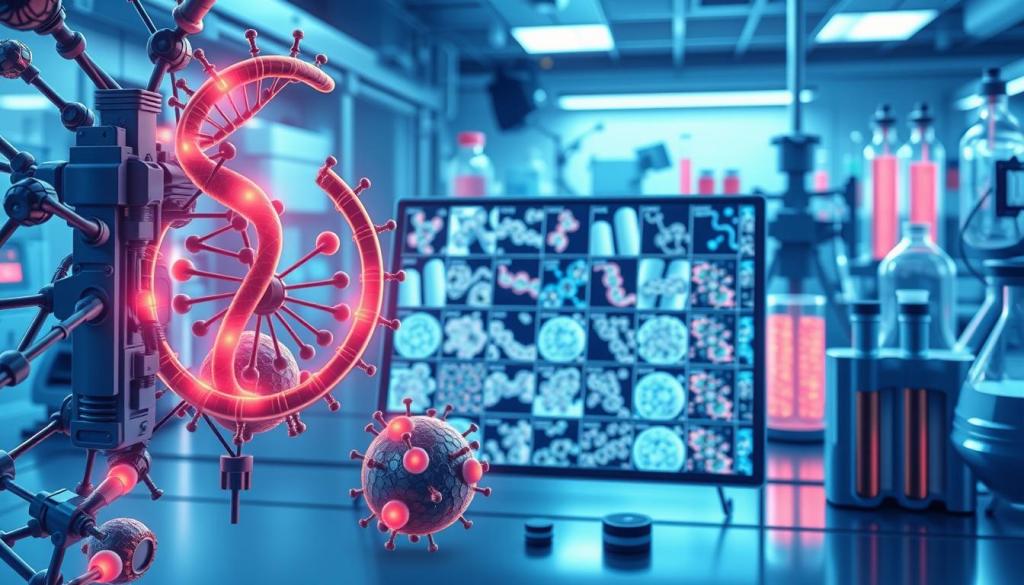
Scientists are finding new ways to make bacteria better. They use advanced techniques to change how bacteria make things. This is a big step forward in science.
Advanced Techniques for Enhancing Bacterial Production
Today, scientists can make precise changes to bacteria’s genes. They use:
- CRISPR-Cas9 technology for DNA modification
- Polymerase chain reaction (PCR) for gene fragment alterations
- Transposon-based genome editing methods
Breakthrough Applications in Medicine and Research
Genetically engineered bacteria open up new areas in science. They help in:
- Producing therapeutic proteins
- Delivering drugs
- Making diagnostic tools
| Bacterial Species | Genetic Engineering Application | Research Impact |
|---|---|---|
| E. coli | Insulin Production | Medical Biotechnology |
| Lactobacillus | Pathogen Detection | Diagnostic Research |
| Salmonella | Tumor Targeting | Cancer Treatment |
The potential of genetically engineered bacteria represents a frontier of scientific innovation, offering unprecedented opportunities for medical breakthroughs.
By changing how bacteria make things, scientists can create amazing strains. The future of bacterial production depends on our ability to control genes better.
The Future of Bacterial Production Research
The world of bacterial production is changing fast, offering new chances in industrial biotechnology. Scientists are working hard to find new uses for bacteria. They aim to change many industries with their discoveries.
- Advanced bioreactor design
- Synthetic biology innovations
- Sustainable biofuel development
- Pharmaceutical breakthroughs
Innovations in Bacterial Applications
Scientists are making big strides in bacterial production. They’re finding new ways to make bacteria work better, especially in industrial biotechnology. New research shows bacteria can make complex things more efficiently than before.
| Research Area | Potential Impact |
|---|---|
| Biofuel Production | Reducing carbon emissions |
| Biodegradable Materials | Sustainable manufacturing |
| Pharmaceutical Development | Advanced medical treatments |
Potential Challenges and Ethical Considerations
Even with the progress, there are big hurdles to overcome. Genetic changes in bacteria bring up big ethical issues. Scientists must find a balance between pushing the limits of science and being responsible.
The future of bacterial production lies in our ability to understand and responsibly harness microbial potential.
Important issues include how it affects the environment, safety, and the risks of genetic changes. The scientific world is dedicated to open research. They focus on making progress while keeping society’s best interests in mind.
Conclusion: The Diverse Roles of Bacterial Production
Bacterial production is a field that’s both fascinating and crucial. It’s unlocking new potential in many areas. From helping the environment to finding new medical treatments, it’s making a big difference.
Looking into how bacteria produce things shows us a world full of complexity. Scientists have found many ways bacteria help us and the planet. They play a big role in how our world works.
Key Insights into Bacterial Production
- Bacteria produce essential biochemical compounds
- Microbial production supports ecosystem balance
- Prokaryotic organisms enable crucial nutrient cycling
- Bacterial processes drive innovations in biotechnology
Future Research Directions
More research into bacterial production could lead to big breakthroughs. Scientists are excited to learn how bacteria can:
- Help solve environmental problems
- Make new medical treatments
- Find ways to make renewable energy
- Boost how much food we can grow
The potential of bacterial production is limited only by our imagination and scientific capabilities.
| Research Area | Potential Impact |
|---|---|
| Environmental Remediation | Microbial cleanup of pollutants |
| Medical Biotechnology | Development of novel antibiotics |
| Industrial Applications | Sustainable manufacturing processes |
Our journey to understand bacterial production is showing us amazing things. It shows how complex and adaptable these tiny organisms are.
References and Further Reading
Exploring the world of bacterial production is fascinating. It requires looking into detailed academic resources. Researchers and enthusiasts can learn more about bioprocessing techniques through scientific publications. These sources offer the latest insights into bacterial systems and fermentation processes.
Academic Journals and Articles
Important academic resources include the Journal of Bacteriology, Microbial Biotechnology, and Applied and Environmental Microbiology. These journals publish peer-reviewed research on advanced bioreactor systems and bacterial metabolic pathways. Scientists can find in-depth studies on bacterial production mechanisms, from molecular interactions to industrial uses.
Online Resources for Bacterial Studies
Digital platforms like the National Center for Biotechnology Information (NCBI) and PubMed Central have vast databases of scientific research. These websites offer free access to many scholarly articles. This lets researchers explore the latest in bacterial production techniques.
Platforms such as ResearchGate and Google Scholar are also great for finding current scientific literature in microbiology and biotechnology.
FAQ
What exactly is bacterial production?
Bacterial production is how bacteria make energy, grow, and create important compounds. They do this through processes like fermentation and making enzymes and antibiotics. This is important in many fields and in nature.
How do bacteria contribute to food production?
Bacteria are key in making food, especially through fermentation. For example, Lactobacillus species help make yogurt and cheese. They change raw ingredients into tasty, nutritious foods.
What are some industrial applications of bacterial production?
Bacteria help in many areas like biotechnology and making medicines. They clean up pollution and help make biofuels. This makes our world cleaner and more sustainable.
How do bacteria contribute to ecosystem health?
Bacteria are vital for the health of our planet. They fix nitrogen, cycle nutrients, and break down organic matter. This keeps soil fertile and the environment balanced.
What factors influence bacterial growth and production?
Things like temperature, pH, oxygen, and nutrients affect how bacteria grow. Bioreactors are used in industry to control these factors. This helps bacteria produce more efficiently.
How are genetic engineering techniques used in bacterial production?
Genetic engineering lets scientists change how bacteria make things. This can increase production and create new compounds. It’s used for medicines and other biotech products.
What role do bacteria play in human health?
Bacteria are important for our health, especially in the gut. They make compounds that help our digestion and immune system. They might even affect our mood and overall health.
What are the future prospects of bacterial production research?
Research is looking into new biofuels, materials, medicines, and better bioreactors. Scientists are also thinking about the ethics of genetic changes and large-scale production.






Leave a Comment
Your email address will not be published. Required fields are marked *