



Can precision truly define scientific discovery? The 25ml pipette stands as a silent sentinel of accuracy in laboratory settings. It transforms liquid handling from a mundane task to a critical scientific process.
Laboratory equipment like the 25ml pipette represents the pinnacle of measurement technology. With accuracy rates exceeding 99%, these sophisticated tools enable researchers to conduct experiments with unprecedented precision. Scientific instruments have revolutionized how professionals approach liquid measurement.
Researchers across pharmaceutical, biotechnological, and clinical fields rely on 25ml pipettes to ensure reproducible results. The typical error margin of ±1% makes these laboratory equipment invaluable for maintaining experimental integrity.
Key Takeaways
- 25ml pipettes offer exceptional accuracy in scientific measurements
- Precision is critical for reproducible experimental results
- Laboratory-grade pipettes meet rigorous ISO 8655 standards
- Electronic pipettes are increasingly preferred for ease of use
- Proper pipetting techniques can significantly reduce measurement errors
Understanding the 25ml Pipette
In the world of scientific research, the 25ml pipette is key for precise liquid transfer. It fills the gap between small micropipettes and big volume tools. This makes it vital in labs for biology and medicine.
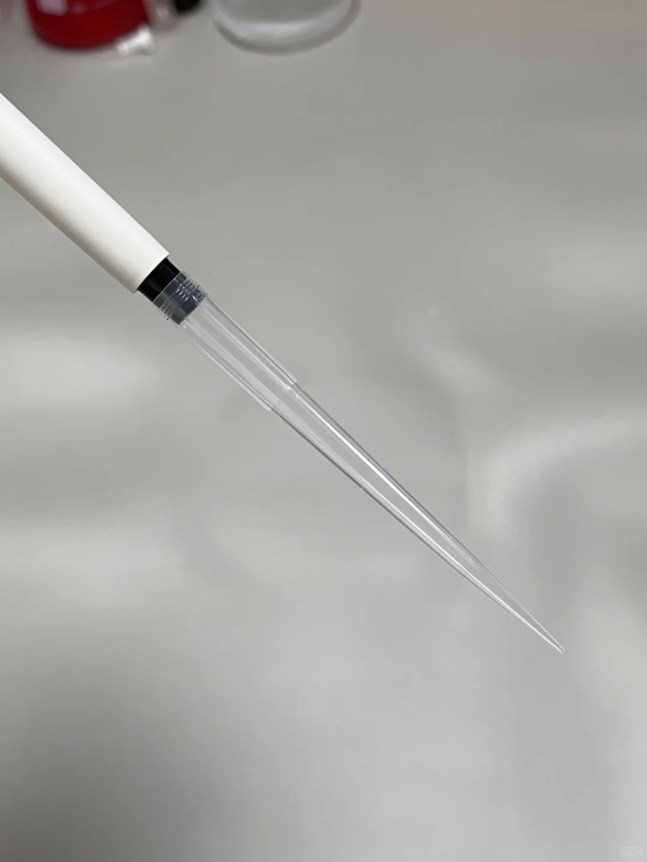
Labs use pipette tips for reliable liquid handling in many fields. The 25ml pipette is a flexible tool for handling medium volumes with great accuracy.
Definition and Precision
A 25ml pipette is a lab tool made to measure and move exactly 25 milliliters of liquid. It has important features:
- Calibrated to give precise volumes at 20°C
- Made from borosilicate glass or Pyrex
- Follows Clinical and Laboratory Standards Institute (CSLI) guidelines
Importance in Scientific Research
These pipettes are vital in many scientific areas, such as:
- Cell culture experiments
- Molecular biology research
- Microbiology studies
- Medical diagnostic tests
Precision is the core of scientific discovery, and the 25ml pipette shows this perfectly.
Researchers value the 25ml pipette for its role in making results consistent and reducing errors. Its design ensures reliable liquid transfer, making it essential in today’s labs.
Anatomy of a 25ml Pipette
Precision is key in lab work. Knowing how a 25ml pipette works helps scientists get accurate results.
Key Components Explored
A 25ml pipette has important parts for reliable measurements:
- Barrel: Holds the liquid
- Plunger: Controls liquid flow
- Tip Ejector: Makes removing tips safe and clean
- Volume Adjustment Mechanism: Allows for precise liquid control
Construction Materials
Lab supplies need top-notch materials. 25ml pipettes are made from:
| Material | Properties | Performance Impact |
|---|---|---|
| USP Class VI Polystyrene | Chemical resistant, clear | Clear readings |
| Medical-grade Plastics | Light, strong | Less fatigue for users |
| Specialized Polymers | Stable at different temperatures | Accurate in various conditions |
These materials help the pipette meet lab standards for precision.
Types of 25ml Pipettes
Precision in scientific research is key, and the right pipette is crucial. Laboratory experts use special 25ml pipettes for accurate measurements. This keeps research reliable and trustworthy.
There are two main types of 25ml pipettes for different research needs:
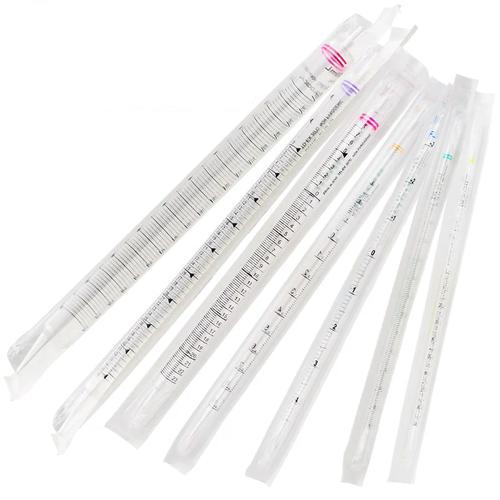
Graduated Pipettes
Graduated pipettes have incremental measurement markings. They help scientists measure volume accurately. These pipettes are made of:
- Precise volume graduations between 0.25 mL and 1 mL
- USP Class VI polystyrene construction
- Polyester fiber plug for contamination prevention
Serological Pipettes
Serological pipettes are great for transferring liquids safely. They help prevent contamination, which is vital in research.
| Pipette Characteristic | Graduated Pipettes | Serological Pipettes |
|---|---|---|
| Volume Range | 25 mL | 25 mL |
| Material | Polystyrene | Polystyrene |
| Sterilization | Gamma-sterilized | Gamma-sterilized |
Both types are essential for precise dispensing in fields like molecular biology, cell culture, and microbiology.
How to Choose the Right 25ml Pipette
Choosing the right 25ml pipette is key for precise scientific research. The right lab equipment is crucial for keeping experiments accurate, especially with delicate measurements.
Scientists need to think about a few important things when picking a 25ml pipette:
- What your experiment needs and how sensitive it is
- How often you’ll use it
- If it works with the materials you’re working with
- If it meets the right calibration standards
Critical Selection Criteria
Different fields of science need different types of pipettes. For example, environmental scientists use 25ml pipettes for water quality tests. Meanwhile, pharmaceutical researchers need pipettes that meet strict quality standards.
Application-Specific Selection
Calibration is a big deal when picking a pipette. Specialized research environments often need Class A pipettes. These meet strict ASTM E969 standards for measuring volumes.
- Biochemistry research needs very precise tools
- Pharmaceutical production needs exact volume control
- Environmental monitoring needs consistent measurements
Today’s labs often use electronic pipettes with digital screens and tracking features. These tools help labs work more efficiently and get consistent results in complex projects.
Precision is the foundation of scientific discovery. Choosing the right 25ml pipette is essential for reliable results in experiments.
Best Practices for Using a 25ml Pipette
Precision is key in biological labs. Learning how to use sterile pipettes right is essential. It helps get accurate results. Scientists need to handle pipettes in a way that avoids mistakes and keeps things clean.
- Maintain a consistent vertical position during liquid transfer
- Avoid touching the pipette tip to container walls
- Use gentle, controlled movements when aspirating and dispensing
- Select appropriate pipette tips for different liquid volumes
Accurate Measurement Techniques
Getting precise measurements is all about technique. When using a cell culture flask for experiments, follow these steps:
- Pre-wet the pipette tip by performing multiple aspirations
- Align the liquid meniscus with the calibration mark
- Release liquid smoothly without creating air bubbles
- Maintain a consistent angle during liquid transfer
Preventing Cross-Contamination
Stopping cross-contamination is crucial. Researchers must stick to strict rules for using sterile pipettes:
- Use disposable tips for each liquid sample
- Sterilize pipettes between different experiments
- Work in a clean, designated area
- Wear appropriate personal protective equipment
By paying close attention to these practices, you ensure reliable liquid transfer and uphold the highest standards of lab precision.
Maintenance and Care for 25ml Pipettes
Keeping laboratory equipment in good shape is key for precise measurements. It also helps extend the life of tools like 25ml pipettes. Good care can lower errors and keep science at its best.
Scientific accuracy relies on careful pipette upkeep. Studies show that about 80% of pipetting mistakes come from bad handling and care. By following strict care rules, labs can work better.
Cleaning Protocols
Clean lab tools to stop contamination. Here are important cleaning steps:
- Clean outside parts with 70% alcohol
- Use special pipette cleaners
- Wipe the whole tool gently
- Change pipette tips for each sample
Storage Tips
Right storage keeps your tools in top shape. Experts suggest:
- Put pipettes up in special racks
- Keep them in clean, dust-free spots
- Avoid big temperature changes
- Don’t let them get direct sunlight
Professional tip: Check calibration every 6-12 months to keep measurements precise.
Regular upkeep can make pipettes last 20-30% longer. It’s a smart move for science.
By sticking to these care tips, scientists can keep their 25ml pipettes working well. They’ll be ready for important lab tasks.
Common Applications of 25ml Pipettes
25ml pipettes are key tools in science, known for their precision and reliability. They are used in many fields, making them vital for measuring volumes in labs. Scientists and lab workers count on them for accurate handling of liquids in their work.
Advanced Applications in Biological Research
Precise volume measurement is crucial in biology. 25ml pipettes are essential for several important tasks:
- Cell culture media preparation
- PCR reaction reagent measurements
- Protein concentration analysis
- Genomic sample aliquoting
Critical Uses in Medical Laboratories
In medical labs, 25ml pipettes are vital for many tasks. Their accuracy is key for various research and diagnostic needs, including:
- Blood serum processing
- Chemical compound dilution
- Diagnostic test preparation
- Pharmaceutical compound analysis
| Laboratory Type | Pipette Usage Percentage | Primary Applications |
|---|---|---|
| Pharmaceutical Labs | 45% | Reagent Preparation |
| Clinical Laboratories | 30% | Diagnostic Testing |
| Environmental Testing | 60% | Sample Analysis |
| Educational Institutions | 90% | Teaching Techniques |
25ml pipettes are widely used in science, showing their importance. Their precision, reliability, and flexibility make them crucial for accurate volume measurements in complex labs.
Comparing 25ml Pipettes with Other Volumes
Choosing the right pipette volume is key in lab work. The 25ml pipette is great because it fits between small and big volumes.
Scientists love the 25ml pipette for its benefits in handling liquids. It’s better than small tips because it can handle more volume. This makes it useful in many fields of science.
Benefits of 25ml Size
- Ideal volume for medium-scale experiments
- Provides precise measurement accuracy
- Reduces potential for multiple pipetting steps
- Compatible with various laboratory protocols
Serological pipettes in the 25ml range are top-notch. They meet to deliver (TD) standards. This means they give exact amounts with little error.
Versatility in Experiments
The 25ml pipette is great for many areas of science, including:
- Cell culture research
- Microbiology investigations
- Biochemical analysis
- Chemical solution preparation
Using 25ml pipette tips helps keep experiments consistent. They have graduated markings for extra flexibility. This makes them a must-have in today’s labs.
The Role of 25ml Pipettes in Quality Control
Quality control is key in scientific research. It relies on precise lab tools. The 25ml pipette is crucial for consistent results in many fields.
Getting precise measurements is vital in science. The 25ml pipette helps a lot. It has important features:
- Less than 2% inaccuracy at full volume
- Manufactured under strict ISO 9001:2008 standards
- Gamma-irradiated to ensure sterility
- Designed to minimize cross-contamination
Essential for Consistency
Getting consistent lab results needs careful work. UniPlast™ serological pipettes are made with great care. They can handle different liquids well, making results reliable.
Ensuring Reproducibility
Getting the same results is crucial in science. Experts say to do many tests to be sure. The 25ml pipette helps with this by:
- Being single-use to avoid contamination
- Having color-coded graduations that meet ASTM E1380 standards
- Working with top pipettor brands
- Having aerosol barrier filters to cut down on mistakes
One test isn’t enough to prove quality. Using 25ml pipettes and careful methods helps reduce mistakes. This makes scientific work more reliable.
Innovations in Pipette Technology
The world of lab equipment is always changing. New precision dispensing tech is making big strides in science. Modern pipettes are now more accurate and efficient, thanks to new designs.
New pipette tech tackles big lab challenges. Scientists are making advanced lab tools to improve research.
Design Breakthroughs in Precision Dispensing
Some major pipette design changes include:
- Ergonomic handles to reduce hand strain
- Digital calibration for better accuracy
- New materials for better performance
- Working with automated lab systems
Future Trends in Pipette Technology
The future of pipettes is exciting. Trends include:
- Smart pipettes with digital tracking
- Automated liquid handling
- Better ergonomic designs
- Systems to prevent contamination
| Technology Feature | Performance Improvement |
|---|---|
| Digital Calibration | ±0.5% accuracy boost |
| Ergonomic Design | 30% less user fatigue |
| Smart Tracking | Real-time precision tracking |
These new techs will change lab equipment. They make dispensing more reliable, efficient, and easy to use.
Safety Considerations When Using Pipettes
Working with lab equipment needs strict safety rules to keep researchers safe and experiments accurate. Sterile pipettes are key in stopping contamination and getting precise measurements in biological research.
Lab safety is about many important things when using pipettes and biological materials. Researchers must use strong protective steps to lower risks and keep a safe work area.
Handling Hazardous Materials
Dealing with dangerous materials needs careful safety steps:
- Always wear the right personal protective gear
- Use chemical-resistant gloves for risky substances
- Work in a biosafety cabinet for high-risk stuff
- Quickly clean up spills with approved methods
Personal Protective Equipment
Key protective gear for lab work includes:
| Equipment | Purpose | Recommended Type |
|---|---|---|
| Safety Goggles | Eye Protection | Chemical-splash resistant |
| Lab Coat | Body Protection | Flame-resistant, long-sleeved |
| Gloves | Hand Protection | Nitrile or latex, right for specific chemicals |
“Safety is not an accident. It is a deliberate and consistent approach to laboratory work.”
Knowing and following these safety tips lets researchers use sterile pipettes safely. They protect themselves and keep lab equipment in top shape.
Conclusion: The Importance of the 25ml Pipette in the Lab
The 25ml pipette is key in today’s labs, showing precision and dependability in many fields. It can measure volumes accurately, up to 4 significant figures. This makes it crucial for scientists and doctors who need reliable results.
Choosing the right lab tools is vital for precise measurements. A 25ml pipette is known for its consistency. It has parts designed to reduce errors. This means professionals can count on it for precise liquid transfers in various fields.
Lab workers and researchers should focus on picking the right 25ml pipettes. They need to calibrate and maintain them well. Regular checks and using top-notch tips can greatly improve results. Learning how to use pipettes well helps scientists do better research and move science forward.
In the end, the 25ml pipette is more than a tool for measuring. It opens doors to new discoveries. Its role in getting accurate, reliable results is huge. It’s a must-have in any serious lab.
FAQ
What is a 25ml pipette, and why is it important in laboratory settings?
A 25ml pipette is a key tool for precise liquid transfer in labs. It’s used in scientific research, clinical labs, and analytical testing. It offers a special volume measurement, fitting between smaller and larger pipettes. This ensures accurate and reliable results in various biological applications.
What are the key components of a 25ml pipette?
A 25ml pipette has several important parts. These include the barrel, plunger, tip ejector, and volume adjustment mechanism. They are made from high-quality materials like glass or medical-grade plastics. This ensures durability, precision, and accurate liquid handling.
What are the different types of 25ml pipettes available?
There are two main types of 25ml pipettes. Graduated pipettes have measurement markings on the barrel. Serological pipettes are used for precise liquid transfers in cell culture and other sensitive biological applications.
How do I choose the right 25ml pipette for my laboratory work?
When choosing a 25ml pipette, consider several factors. Think about the accuracy you need, how often you’ll use it, and if it fits with your other equipment. Also, think about your specific application needs. Proper calibration is key for consistent and reliable measurements.
What are the best practices for using a 25ml pipette?
Using a 25ml pipette correctly is important. Handle it properly, use accurate aspiration and dispensing methods, and avoid cross-contamination. Always use sterile pipettes, follow cleaning protocols, and wear appropriate personal protective equipment when handling samples.
How should I maintain and care for my 25ml pipette?
Maintaining your 25ml pipette is crucial. Clean it regularly, store it properly, and calibrate it periodically. Use recommended cleaning solutions, store it in a clean, dry place, and follow the manufacturer’s guidelines. This will help keep the instrument precise and extend its life.
In what applications are 25ml pipettes most commonly used?
25ml pipettes are essential in many biological and medical applications. They’re used for preparing cell culture media, measuring reagents for PCR reactions, and aliquoting biological samples. They’re also crucial for precise scientific research that requires accurate volume measurements.
What safety considerations should I keep in mind when using a 25ml pipette?
When using a 25ml pipette, safety is paramount. Wear appropriate personal protective equipment (PPE), including gloves, lab coats, and eye protection. Follow proper handling procedures for hazardous materials, use sterile techniques, and adhere to laboratory safety protocols when working with biological or chemical samples.
How do 25ml pipettes compare to other volume pipettes?
The 25ml pipette offers a unique balance between precision and efficiency. It fills a specific niche in laboratory work. It can be used effectively with other pipette sizes to streamline liquid handling processes and provide accurate measurements for specific experimental requirements.
What recent innovations have improved 25ml pipette technology?
Recent advancements have improved 25ml pipette technology. These include better ergonomic designs, enhanced accuracy mechanisms, and integration with digital systems. Future trends include smart pipettes and increased automation in liquid handling. These advancements promise to improve efficiency and precision in laboratory settings.




Leave a Comment
Your email address will not be published. Required fields are marked *