


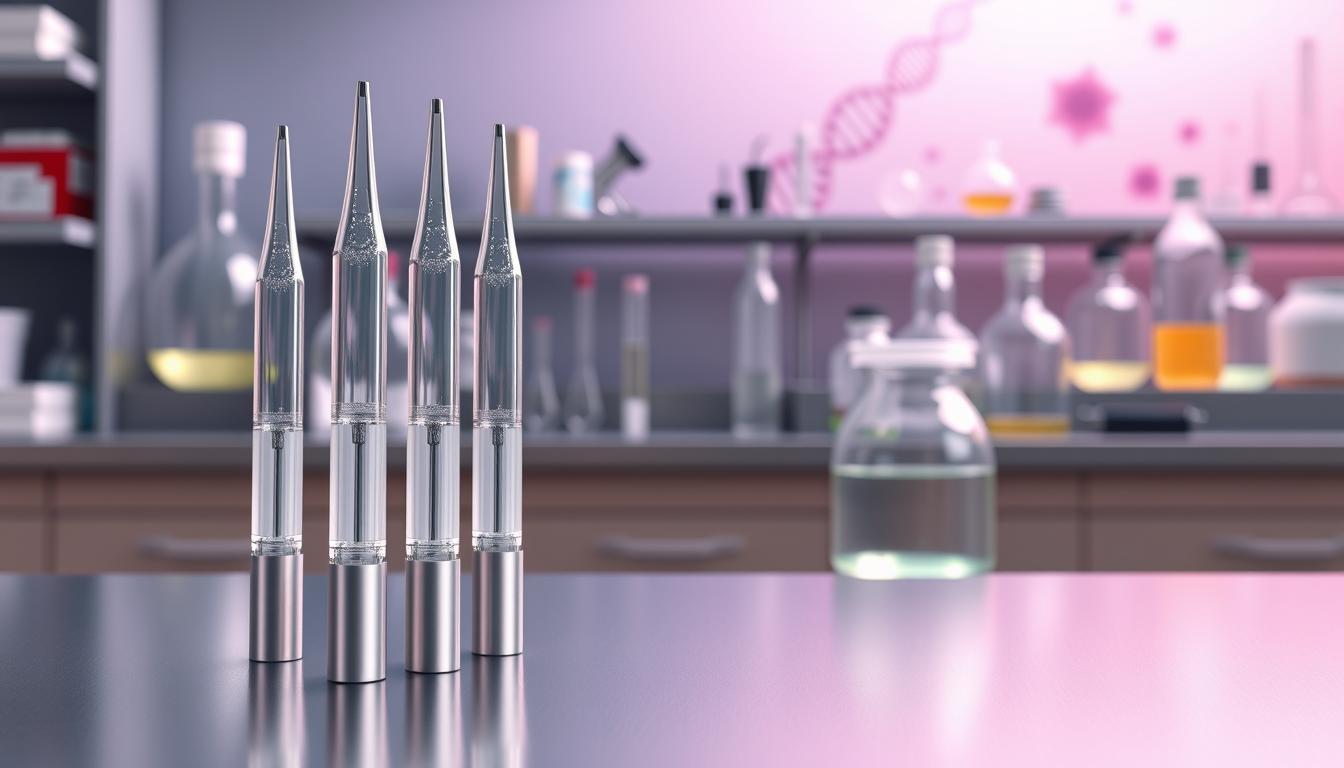
Are your lab results as precise as they could be? In the world of scientific research, 5 ml pipette tips are key to accuracy and reliability. These tools turn simple plastics into precise instruments for handling liquids.
Scientific discoveries rely on small details. The quality of pipette tips can greatly affect results. Researchers in molecular biology, microbiology, and clinical diagnostics need these tools for accurate and reproducible results.
Modern labs need equipment that meets high standards. 5 ml pipette tips are a fundamental technology. They help scientists transfer liquids with great precision, supporting important research in many fields.
Key Takeaways
- 5 ml pipette tips are crucial for precise liquid dispensing in scientific research
- These tools significantly impact experimental accuracy and reproducibility
- Quality micropipette consumables support critical research across multiple scientific fields
- Proper selection of laboratory plastics can enhance experimental outcomes
- Precision in liquid handling is fundamental to scientific discovery
Understanding the Role of Pipette Tips in Laboratory Procedures
Precision is key in scientific research. Liquid handling needs accurate volume and precise dispensing for reliable results. Even small mistakes can greatly affect research outcomes.
Pipette tips are vital for keeping experiments accurate. They help transfer precise liquid volumes in many scientific fields. Choosing the right pipette tips can greatly improve research data quality and reproducibility.
Importance of Precision in Laboratory Experiments
Precision in liquid handling is important for several reasons:
- Ensures consistent experimental results
- Minimizes potential contamination risks
- Supports reproducible scientific research
- Reduces potential errors in critical analyses
Types of Pipette Tips Available
Laboratories have many pipette tip options for different research needs:
- Standard tips: Good for general lab use
- Low retention tips: Best for thick or expensive liquids
- Sterile tips: Pre-sterilized for sensitive tests
- Filter tips: Prevent cross-contamination
Compatibility with Pipette Models
It’s crucial to pick pipette tips that fit your pipette model well. Researchers need to think about volume, tip design, and material to ensure precise handling and success in experiments.
Characteristics of High-Quality 5 ml Pipette Tips
Laboratory plastics are key in scientific research. Pipette tips are vital for handling liquids with precision. Knowing what makes high-quality sterile filtered tips important helps ensure accurate results.
Material Composition and Durability
Premium polypropylene (PP) is used to make top-notch pipette tips. It’s known for its strong chemical resistance and durability. The making of these tips follows strict quality control steps:
- Manufactured in ISO class 8 cleanroom conditions
- Compliance with ISO 9001, ISO 14001, and ISO 13485 standards
- 100% recyclable laboratory plastics
Tips Design for Optimal Performance
The design of sterile filtered tips greatly affects how well they handle liquids. Important design features include:
- Precise tip orifice shape
- Optimized internal geometry
- Consistent wall thickness
Sterility and Packaging Considerations
Keeping samples safe from contamination is crucial. High-quality pipette tips are tested thoroughly to prevent contamination:
| Sterility Parameter | Certification |
|---|---|
| DNase Free | Certified |
| RNase Free | Certified |
| Human DNA Free | Certified |
| Endotoxin Free | Certified |
The Refill Tower system is a smart packaging solution. It cuts down plastic waste by up to 61%. This shows a dedication to both scientific accuracy and protecting the environment.
Applications of 5 ml Pipette Tips in the Life Sciences
Biotechnology supplies are key to scientific progress. 5 ml pipette tips are vital in many fields. They help scientists transfer samples with great accuracy and consistency.
Laboratory experts use 5 ml pipette tips for many important tasks. These tips are crucial for various scientific methods.
Use in Molecular Biology Techniques
In molecular biology, 5 ml pipette tips are essential for several advanced methods:
- Polymerase Chain Reaction (PCR) preparation
- DNA sequencing processes
- Protein analysis workflows
- Gene expression studies
Role in Quality Control Processes
Quality control needs high precision. These pipette tips ensure:
- Consistent volume measurements
- Minimal cross-contamination risks
- Reproducible experimental results
- Compliance with ISO 8655 standards
Importance in Sample Preparation
Sample transfer is smooth with specialized 5 ml pipette tips. Researchers can handle:
- Liquid dilutions
- Aliquoting complex biological samples
- Transferring reagents with minimal volume loss
- Preparing experimental solutions
Modern 5 ml pipette tips are changing scientific research. They are a must-have in biotechnology supplies.
Choosing the Right 5 ml Pipette Tips for Your Needs
Choosing the right micropipette consumables is key for lab work. Researchers need to think about their specific needs. This ensures the best results and accuracy in their work.
When picking 5 ml pipette tips, several important things need to be considered:
- Sample characteristics and viscosity
- Experimental precision requirements
- Compatibility with existing equipment
- Potential contamination risks
Crucial Factors in Tip Selection
Lab experts must look at these points when picking micropipette consumables:
- Material Composition: Polypropylene (PP) is the top choice. It’s durable and resistant to chemicals.
- Sterility needs for certain tasks
- How well the tip handles volume transfer
- How the sample interacts with the tip material
Balancing Cost and Performance
Investing in quality lab plastics is crucial. It might cost more upfront, but it saves money in the long run. High-quality tips reduce sample loss and ensure consistent results.
Application-Specific Recommendations
Each research area has its own tip needs. Molecular biology needs filter tips to avoid contamination. Cell culture might require wide-bore tips to protect cells during transfers.
Selecting the right pipette tip is not just about price—it’s about ensuring the integrity of your scientific research.
Best Practices for Using 5 ml Pipette Tips
Precision dispensing is key in lab work. It needs careful attention and the right technique. Using 5 ml pipette tips correctly is essential for accurate results.
Improving pipetting skills can greatly enhance your experiments. Here are some important strategies:
- Maintain consistent plunger pressure during aspiration and dispensing
- Equilibrate pipettes to room temperature before use
- Choose the right tip for your specific pipette model
- Use pre-wetting techniques for enhanced accuracy
Proper Pipetting Techniques
Accurate liquid handling requires precise technique. Immersion depth is crucial. For large volume pipettes, go 5-6 mm below the meniscus. For smaller ones, aim for 2-3 mm.
This prevents air from getting in and ensures the right amount is delivered.
Maintenance and Care of Pipette Tips
| Maintenance Practice | Purpose | Frequency |
|---|---|---|
| Tip Storage | Prevent contamination | Always |
| Regular Calibration | Ensure accuracy | Annually/Bi-annually |
| Clean Tip Surfaces | Minimize cross-contamination | Between each use |
Common Mistakes to Avoid
Several common errors can ruin precision dispensing. Don’t pipette at angles for small volumes. Also, always pause for a second after aspiration to control liquid flow and prevent evaporation.
The key to successful liquid handling is consistency, attention to detail, and understanding the nuanced techniques of pipetting.
The Impact of 5 ml Pipette Tips on Experimental Accuracy
Precision is key in science, where small mistakes can change everything. Experts say 5 ml pipette tips are vital for keeping results accurate and reliable.
- Surface material characteristics
- Tip geometry and design
- Manufacturing precision
- Sterility standards
How Tips Influence Dispensing Volume
Getting the right amount of liquid is complex. Studies show that tip design is crucial for precise liquid transfer. Labs must think about:
- Tip material composition
- Inner surface treatments
- Manufacturing tolerances
Reducing Contamination Risks
Keeping samples clean is essential. Pipette tips with advanced filters help prevent contamination.
Achieving Reproducibility in Results
For consistent results, labs need to follow strict protocols. This ensures reliable outcomes.
| Parameter | Optimal Range | Impact on Accuracy |
|---|---|---|
| Temperature | 21.5°C (±1°C) | High |
| Equilibration Time | 20 minutes | Critical |
| Pipetting Angle | 90 degrees | Optimal |
Understanding these points helps researchers get the most out of 5 ml pipette tips. This leads to better experimental accuracy.
Innovations in 5 ml Pipette Tip Technology
The world of biotechnology is always changing, bringing new advancements in lab plastics and pipette tips. Scientists now have access to top-notch technologies that make their work more precise and efficient.
Recent breakthroughs in pipette tip tech have focused on several key areas:
- Enhanced tip geometry for better liquid transfer accuracy
- Development of eco-friendly material options
- Integration of advanced surface technologies
- Reduction of sample retention
Advancements in Tip Design
Today’s pipette tips have advanced designs that greatly improve lab work. FlexFit technology is a major innovation. It makes inserting and ejecting tips easier and reduces contamination risks.
Eco-Friendly Options in Pipette Tips
Sustainability is key in labs today. Companies are making pipette tips from recyclable materials and with less environmental impact. These green options still perform well and support eco-friendly lab practices.
Future Trends to Watch
The future of pipette tip tech is exciting, with several promising developments:
- Smart tips with built-in sensors
- Advanced low-retention materials
- Customizable tip configurations
- Enhanced compatibility with digital lab systems
Scientists can look forward to even better precision, usability, and eco-friendliness in lab supplies and plastics in the years to come.
The Importance of Calibration in Pipetting
Getting the right amount in lab work is key. Calibration makes sure pipettes give the exact amount every time. This keeps research results reliable.
Lab teams need to follow strict rules to keep pipettes accurate. Calibration spots mistakes that could mess up experiments.
Understanding Calibration Procedures
The calibration steps are important:
- Do at least ten tests to find the mean accuracy
- Make sure accuracy is between 99-101%
- Check calibration every 3-6 months
- Let pipettes adjust to the room for one hour before testing
Regular Maintenance for Consistent Accuracy
Keeping pipettes precise needs regular care. Labs should have a plan for pipette upkeep:
- Check O-rings and pistons weekly
- Oil moving parts often
- Pre-rinse tips by aspirating and dispensing three times
- Keep the room at 21.5°C (±1°C)
Role of Calibration in Data Integrity
Getting the exact amount is vital in science. Calibration stops errors that could ruin results. Researchers should keep records of calibration and stick to strict testing rules to keep data trustworthy.
Things like temperature, humidity, and air pressure can affect pipettes. Knowing these factors helps keep measurements and dispensing precise.
Addressing Common Challenges with 5 ml Pipette Tips
Laboratory experts face many challenges when using 5 ml pipette tips. These issues affect the accuracy and quality of samples. Knowing these problems helps keep experiments reliable.
Handling liquids precisely is crucial. Scientists must tackle several obstacles to avoid ruining their results. They need to be ready for any problem that might arise.
Troubleshooting Dispensing Issues
Dispensing problems can greatly affect research. To solve these, scientists should:
- Make sure tips are attached correctly
- Check the pipette’s calibration often
- Keep the plunger pressure steady
- Ensure tips fit the pipette model
Managing Sample Viscosity
Thick samples are hard to handle. To solve this, researchers use special methods:
- Choose longer tips for deeper containers
- Use tips that hold less liquid to avoid sticking
- Adjust how fast you pipette for thick liquids
- Wet tips before use to get the right amount
Solutions for Air Bubble Formation
Air bubbles can mess up sample volume and precision. To prevent this, scientists should:
| Prevention Technique | Effectiveness |
|---|---|
| Position pipettes vertically | High |
| Insert tips gently | Medium |
| Use a steady aspiration speed | High |
By using these methods, lab experts can improve their liquid handling. This ensures reliable sample transfer and keeps experiments consistent.
Regulatory Standards for Pipette Tips in Laboratories
In the world of biotechnology supplies, following rules is key. This ensures the quality and reliability of lab plastics. It’s all about precision and meeting standards for accurate results.
Labs must follow strict rules when picking and using pipette tips. The International Organization for Standardization (ISO) sets these rules. They guide how these tools are made and used.
Overview of Compliance Requirements
Following rules means several important things:
- ISO 8655 standards for making pipettes and tips
- Cleanroom environments checked by ISO 14644-1
- Using gamma radiation for sterilization
- Regular quality checks
Importance of Quality Assurance
Quality checks in biotech supplies are crucial. They make sure pipette tips meet strict scientific needs. Makers must test thoroughly to ensure:
- Exact sizes and shapes
- Resistance to chemicals
- Little to no contamination
- Works well with different research tasks
Documentation and Traceability
Keeping detailed records is vital for following rules. Labs need to track:
- How they’re made
- What materials are used
- How they’re sterilized
- Quality control test results
This helps researchers prove the quality of their lab plastics. It keeps their research at the highest level.
| Regulatory Aspect | Key Requirements |
|---|---|
| Sterilization | Gamma radiation to eliminate biological contaminants |
| Manufacturing | Class 5-8 Cleanroom environment |
| Material | High-grade polypropylene (PP) |
| Testing Standard | ISO 8655 Conformity |
Following rules carefully is essential for top-notch scientific research equipment.
Training Lab Personnel on Pipette Use
Precision dispensing in labs depends on well-trained staff. Good liquid handling skills are key to getting accurate results. Training is essential to make sure lab workers use pipettes well.
Good training covers many important parts of pipette use and care. Labs need to create detailed training programs. These should teach both the theory and practical skills needed.
Essential Training Topics
- Correct pipetting techniques for various sample types
- Understanding pipette calibration procedures
- Proper tip selection and handling
- Maintenance and care of pipetting equipment
- Contamination prevention strategies
Developing Standard Operating Procedures
Standard operating procedures (SOPs) are key for consistent lab work. They help standardize how liquids are handled. This reduces differences between different workers.
| Training Component | Key Focus Areas |
|---|---|
| Theoretical Training | Pipette mechanics, volume measurement principles |
| Practical Skills | Technique demonstration, hands-on practice |
| Performance Evaluation | Skills assessment, precision testing |
Importance of Continuous Education
Keeping up with education is crucial for precision dispensing. Regular training keeps lab workers up-to-date with new techniques and tech.
Thermo Scientific’s experience shows that trained staff can greatly improve experiment accuracy. Electronic pipettes can fill microplates much faster, showing the need for new tech knowledge.
Skill development is an ongoing process that directly impacts scientific research quality and reliability.
Future of Pipette Tips in Laboratory Settings
The world of biotechnology supplies is changing fast. New automated pipetting technologies are making big changes in lab research. We’re seeing a move towards more advanced and tailored pipette tips to meet the needs of complex scientific studies.
Labs are growing, and digital tools are becoming key. Automated pipetting systems are crucial for accuracy and speed. They help labs handle samples better, cut down on mistakes, and speed up tests. This change is big in high-throughput screening, where fast and precise work is needed.
The future of pipette tips is all about being adaptable and innovative. Trends in biotech research are moving towards smaller samples, personalized medicine, and detailed genomic studies. Researchers need pipette tips that can handle tiny samples with great precision. The market is expected to grow, reaching $3.44 billion by 2029, with a growth rate of 8.7%.
Investing in research and development is key for the next steps in biotech supplies. Scientists want pipette tips that perform better, are safer, and work well with new lab tools. As science keeps pushing boundaries, pipette tips will be essential for many discoveries.
FAQ
What are 5 ml pipette tips used for in laboratory settings?
5 ml pipette tips are key tools in labs. They help scientists handle liquids with great care. This is crucial for tasks like PCR and DNA sequencing.
How do I choose the right 5 ml pipette tips for my research?
Choosing the right tips involves a few steps. First, check if they fit your pipette. Then, think about your experiment’s needs. Look for tips that are sterile and handle liquids well.
What are the key differences between standard and filtered pipette tips?
Filtered tips have a special filter to stop contamination. Standard tips don’t have this. They’re vital for keeping samples clean in sensitive work.
How often should I calibrate my pipettes used with 5 ml tips?
Calibrate your pipettes every year or so. This keeps your results reliable. Daily checks and professional calibrations are also important.
What are common mistakes to avoid when using 5 ml pipette tips?
Don’t attach tips wrong or pipette at the wrong angle. Also, don’t use tips for too much or too little. Always follow the right steps and handle tips with care.
Are there eco-friendly options for 5 ml pipette tips?
Yes, there are now eco-friendly tips. They’re made to be recyclable or biodegradable. They work just as well as regular tips but are better for the planet.
How do I prevent air bubble formation when using 5 ml pipette tips?
To avoid air bubbles, use the right technique. Keep your angle steady and move slowly. Pre-wetting tips helps too.
What regulatory standards apply to 5 ml pipette tips?
These tips must meet ISO 9001 and GLP standards. These rules ensure they’re made well and work consistently in labs.





Leave a Comment
Your email address will not be published. Required fields are marked *