



Ever wondered how scientists get such precise results in their work? The secret is the sero pipette. It’s a key tool that makes scientific research more accurate.
Serological pipettes are special tools for measuring and moving liquids in labs. They are vital in cell culture, microbiology, and other fields where being exact is important.
In fields like molecular biology and medical research, sero pipettes help with precise liquid handling. Their design and markings allow scientists to move small amounts of liquid accurately.
Made from high-quality materials, these pipettes prevent contamination. They help scientists get consistent results in their research.
Key Takeaways
- Sero pipettes are essential for precise liquid handling in scientific research
- They enable accurate volume transfers across various laboratory disciplines
- Designed with advanced materials to prevent cross-contamination
- Critical for maintaining experimental consistency and reliability
- Used in multiple scientific fields, including microbiology and cell culture
Understanding the Sero Pipette and Its Purpose
Serological pipettes are key tools in science labs. They help move liquids with great precision. This is crucial for accurate results in experiments.
In science labs, serological pipettes are vital for handling liquids. They allow scientists to measure and move liquids with high accuracy. This ranges from under 1 milliliter to 50 milliliters.
Definition of a Sero Pipette
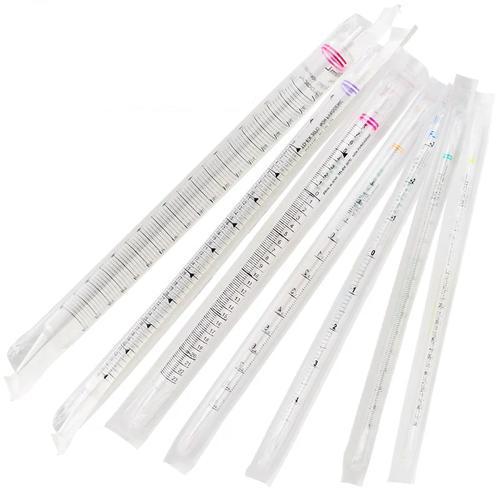
A serological pipette is a special tool for precise liquid handling. It’s different from regular pipettes because it has:
- Graduated markings for accurate measurements
- Smooth liquid dispensing capabilities
- Sterile design for contamination prevention
Key Applications in Laboratories
Serological pipettes are vital in many scientific fields. They show great flexibility in research.
| Laboratory Discipline | Specific Applications |
|---|---|
| Cell Culture | Medium preparation, cell counting, transfection experiments |
| Microbiology | Bacterial cultivation, solution preparation, sample dilution |
| Molecular Biology | DNA/RNA handling, reagent mixing, experimental setup |
The accuracy of serological pipettes makes sure scientists get reliable results. This is true for many different experiments.
Advantages of Using a Sero Pipette
Scientific research needs precision, and serological pipettes are key. They help with accurate liquid handling. These tools make experiments smoother and results more reliable.
Researchers use disposable pipettes for their top-notch performance and to prevent contamination. Sero pipettes do more than just move liquids. They support many scientific fields.
High Accuracy and Precision
Calibrated pipettes are very accurate in labs. They have:
- Less than 2% inaccuracy at full volume
- Precise volume ranges from 1 mL to 50 mL
- Color-coded graduations for easy identification
- Manufactured under strict ISO 9001:2008 standards
Ease of Use in Laboratory Settings
Sterile pipettes make lab work easier by making liquid transfers quick and efficient. They are designed to:
- Faster fill and release rates
- Work with many pipettor brands
- Lower risk of contamination
- Be versatile in research
These pipettes are great for cell culture and molecular biology. They offer precise liquid handling. Their design and making ensure they work well in many areas of science.
Types of Sero Pipettes
Choosing the right lab pipettes is key for precise liquid handling in biological research. Different serological pipettes have unique benefits for various scientific tasks. They ensure accuracy and reliability in labs.
Researchers have many specialized sero pipette designs to meet their needs:
Manual Sero Pipettes
Manual pipetting is a basic technique in labs. These traditional pipettes give researchers direct control over liquid transfer. They are known for:
- Being cost-effective for precise liquid handling
- Being good for small to medium-volume transfers
- Being a budget-friendly option for labs
Electronic Sero Pipettes
Electronic pipettes are the latest in liquid handling tech. They offer:
- Higher accuracy for fast experiments
- Less strain for repetitive pipetting
- Digital control and memory settings
Disposable Sero Pipettes
Disposable serological pipettes have changed lab work by reducing contamination risks. They bring:
- Sterile packaging to prevent contamination
- A quicker alternative to cleaning reusable tools
- Various volume options from 1 to 50 mL
Each pipette type has its own benefits for different scientific needs. This lets researchers pick the best tool for their liquid handling tasks.
How to Properly Use a Sero Pipette
Precision pipetting is key in biological research. It needs careful technique and detail. Sero pipettes help scientists work with great accuracy in labs.
Using a sero pipette right means knowing a few important things. It helps get reliable and consistent results. It’s about handling liquids in a systematic way to avoid mistakes.
Step-by-Step Pipetting Guide
- Check the sero pipette for damage or dirt
- Pick the right pipette size for your needs
- Hold the pipette straight to keep liquid off the top
- Take liquid slowly and smoothly to avoid bubbles
- Put the pipette tip just below the liquid’s surface
- Release liquid against the tube wall at a steady angle
Best Practices for Accuracy
Getting precise volume transfer is more than just skill. It’s about the environment and your technique too. This keeps your results accurate.
- Pre-wet the pipette tip before measuring
- Use soft, steady pressure when taking and giving liquid
- Check if your pipette is calibrated often
- Keep the temperature and humidity steady
Lab experts know that proper sero pipette technique is crucial. By following these tips, scientists can get reliable and consistent results in many fields.
| Pipette Volume Range | Recommended Technique |
|---|---|
| 0.1 – 1 mL | Ultra-gentle aspiration, minimal tip contact |
| 1 – 10 mL | Steady, controlled dispensing |
| 10 – 50 mL | Two-step dispensing for maximum precision |
Maintenance and Care for Sero Pipettes
Keeping calibrated pipettes in good shape is key for accurate lab results. Lab pipettes need regular care to stay precise and last longer. Sterile pipettes require careful cleaning and calibration.
Biological labs depend on top-notch tools, and sero pipettes are no different. Regular upkeep stops contamination and keeps results consistent.
Essential Cleaning Procedures
Effective cleaning of sterile pipettes involves several key steps:
- Daily surface cleaning with 70% ethanol
- Quarterly deep cleaning of pipette components
- Immediate decontamination after exposure to hazardous materials
Calibration Techniques
Calibration is vital for lab pipettes’ accuracy. Experts suggest the following:
- Calibrate at least annually
- Test volumes at maximum, minimum, and mid-range points
- Use precise water temperature (20°C) for consistent measurements
| Maintenance Activity | Frequency | Purpose |
|---|---|---|
| Surface Cleaning | Daily | Prevent contamination |
| Deep Cleaning | Quarterly | Remove residual contaminants |
| Calibration | Annually | Ensure measurement accuracy |
By sticking to these maintenance tips, researchers can make their calibrated pipettes work better. This helps keep lab work precise and reliable.
Common Challenges When Using Sero Pipettes
Precision pipetting is key in biological research. But, scientists often face challenges that can mess up their results. It’s vital to know and fix these problems to keep research reliable.
Two big challenges in liquid handling are air bubbles and liquid evaporation. These issues need special care and techniques to solve.
Avoiding Air Bubbles in Pipette Tips
Air bubbles are a big problem in precise liquid handling. They can mess up the volume and concentration of samples. This can lead to:
- Inaccurate results
- Possible retractions of research papers
- Higher costs from redoing tests
How you use the pipette is very important. To avoid air bubbles, experts suggest a few things:
- Use the right tip depth for the volume
- Pre-wet tips for volumes over 10 µl
- Use reverse pipetting for thick liquids
Managing Liquid Evaporation Challenges
Liquid evaporation can mess up small volume transfers. Scientists need to find ways to prevent this.
| Pipette Volume Range | Recommended Immersion Depth | Evaporation Prevention Strategy |
|---|---|---|
| 1 – 100 µl | 2 – 3 mm | Use sealed containers |
| 100 – 1,000 µl | 2 – 4 mm | Minimize exposure time |
| 1,000 – 5,000 µl | 2 – 5 mm | Work in controlled environment |
Training staff and using ergonomic pipettes can help a lot. These steps can lower errors and make research more reliable.
Innovations in Sero Pipette Technology
Laboratory technology keeps getting better, bringing new ideas to serological pipettes. These changes make volume transfer and scientific research better. Now, lab pipettes have advanced designs and smart software to improve how we work.
New technologies in serological pipettes have changed lab work a lot. Scientists can now use advanced tools to make their work easier.
Design Breakthroughs in Lab Pipettes
New designs in pipettes have made a big difference:
- Ergonomic handles reduce hand strain
- Improved precision tools
- Light materials make them easier to move
- Advanced calibration systems
Software Integration Transforming Volume Transfer
Today’s lab pipettes work with digital tools, offering:
- Automatic data logging
- Real-time tracking
- Bluetooth for easy connection
- Customizable protocols
| Technology Feature | Functionality | Benefit |
|---|---|---|
| Bluetooth Connectivity | Wireless Data Transfer | Reduces Manual Recording Errors |
| Digital Calibration | Precision Measurement | Enhances Experimental Accuracy |
| Automated Tracking | Performance Monitoring | Improves Laboratory Efficiency |
These new technologies show how serological pipettes are changing science. They offer scientists better accuracy and ease in their work.
Sero Pipettes in Research and Development
Precision pipetting is key in scientific discovery. Sero pipettes are vital in many biological fields. They help labs achieve accuracy, leading to breakthroughs.
Scientific research needs high accuracy. Sero pipettes provide that in crucial experiments. They are used for:
- Molecular biology experiments
- Cell culture investigations
- Genetic research protocols
- Pharmaceutical development studies
Role in Experimental Procedures
Sero pipettes are versatile. They handle small liquid volumes with great precision. Liquid handling techniques have improved, making these tools crucial for:
- Microbial sample preparation
- DNA sequencing workflows
- Protein analysis techniques
- Stem cell research methodologies
Impact on Results Reproducibility
Reproducibility is vital in science. Sero pipettes help by reducing human error. They ensure consistent liquid transfer, leading to reliable data.
Precision is not just a measurement—it’s the foundation of scientific truth.
Today’s labs see sero pipettes as key to scientific integrity. They help researchers explore new knowledge with confidence and precision.
Future Trends in Sero Pipette Usage
The world of biological research is changing fast, with serological pipettes leading the way. New trends are moving towards better liquid handling tools, like disposable and sterile pipettes. The market for these pipettes is expected to grow a lot, reaching USD 0.38 billion by 2032.
Laboratory automation is pushing the limits of pipette technology. Robotic systems and high-throughput technologies are becoming more common. North America is at the forefront of this change, thanks to its advanced healthcare systems and research investments.
Biotechnology and pharmaceutical research are also seeing big changes in pipette technology. Pipettes are now more ergonomic, accurate, and work well with automated systems. There’s a big demand for single-use and sterile pipettes, especially in clinical testing and research.
Future developments will focus on sustainable solutions and advanced materials. Pipettes will be more precise, have less risk of contamination, and work better with complex experiments. As the industry grows, serological pipettes will be key in driving scientific progress and making research more efficient.
FAQ
What is a sero pipette and why is it important in biological research?
A sero pipette is a key tool in labs for handling liquids. It helps scientists move exact amounts of liquid. This is vital for keeping experiments consistent and reliable in fields like cell culture and molecular biology.
What are the main types of sero pipettes available?
There are three main types: manual, electronic, and disposable pipettes. Manual ones are reliable and affordable. Electronic pipettes are great for big labs. Disposable ones cut down on contamination and save time.
How do I ensure accurate pipetting technique?
To pipette accurately, keep your hands right and use smooth motions. Always pre-wet the tip and hold the pipette straight. Avoiding air bubbles is also crucial for consistent results.
How often should sero pipettes be calibrated?
Experts suggest calibrating sero pipettes once a year or after 10,000 uses. This keeps the measurements accurate and reliable in experiments.
What are common challenges when using sero pipettes?
Challenges include managing air bubbles and preventing liquid from evaporating. Using the right tips and practicing good technique can solve these problems.
Can sero pipettes be used in different scientific disciplines?
Yes, sero pipettes are used in many fields like molecular biology and pharmaceuticals. Their precision makes them essential in research and diagnostics.
What emerging technologies are improving sero pipette design?
New technologies include better designs and software integration. These advancements aim to boost accuracy and user comfort in labs.
Are disposable sero pipettes better than reusable ones?
Disposable pipettes reduce contamination risks and are easier to use. They’re best for sensitive research where cleanliness is critical.
How can researchers prevent contamination when using sero pipettes?
To prevent contamination, use sterile tips and keep surfaces clean. Wear protective gear and change tips between samples. Follow strict protocols for handling pipettes.
What factors should be considered when selecting a sero pipette?
Consider the volume range, precision, and how often you’ll use it. Think about your budget and lab needs. Ergonomics and compatibility with other equipment are also important.





Leave a Comment
Your email address will not be published. Required fields are marked *