



Ever thought about how a single drop can change a big scientific experiment? Learning to drain a serological pipette right is key. It shows you’re serious about your work.
Serological pipettes are tools for measuring and moving liquids. They handle volumes from under 1 milliliter to 50 milliliters. Experts know draining these pipettes needs careful steps and the right techniques.
Getting liquid transfer right is all about precision. These tools are vital for research. They help scientists make exact measurements in many areas, like cell culture and chemical tests.
Key Takeaways
- Serological pipettes require precise handling for accurate liquid transfer
- Proper drainage techniques are essential for scientific accuracy
- Understanding volume ranges is critical for experimental success
- Different pipette sizes serve specific scientific applications
- Contamination prevention starts with careful pipette management
Understanding Serological Pipettes
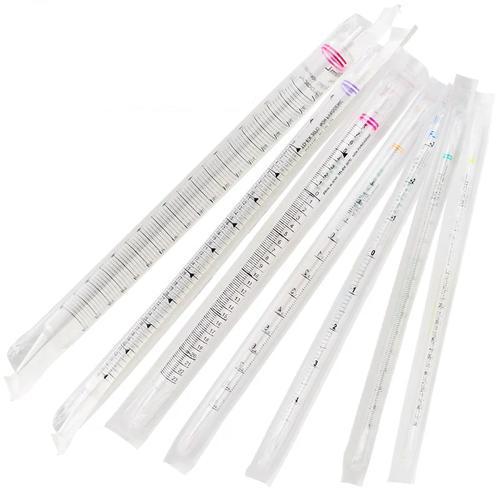
Serological pipettes are key tools in science labs. They help scientists measure liquids accurately. These tools are vital in many scientific fields.
Serological pipettes are designed for precise liquid handling. They have:
- Graduated markings for accurate volume measurements
- Varying volume capacities from 1 ml to 50 ml
- Options for sterile and non-sterile configurations
- Materials including FDA-approved polystyrene plastic
Laboratory Applications
Scientists use serological pipettes for many tasks. They are crucial in:
- Cell culture preparations
- Chemical analysis
- Reagent transfer
- Microbiological testing
Technical Specifications
To use serological pipettes right, you need to know their specs. They come in sizes from 1 ml to 10 ml. Each size is made for specific research needs.
They are made to be sterile, using methods like gamma irradiation. Labs choose between disposable plastic and reusable glass pipettes. About 70% prefer disposable plastic for its ease and sterility. The other 30% go for reusable glass.
Preparing for Drainage
For successful serological pipette drainage, preparation is key. Researchers need the right tools and must follow safety rules. This ensures precise and safe liquid transfers.
Essential Tools for Pipette Drainage
Professionals need specific tools for safe liquid transfers. The must-haves include:
- Pipette controllers
- Safety pipette bulbs
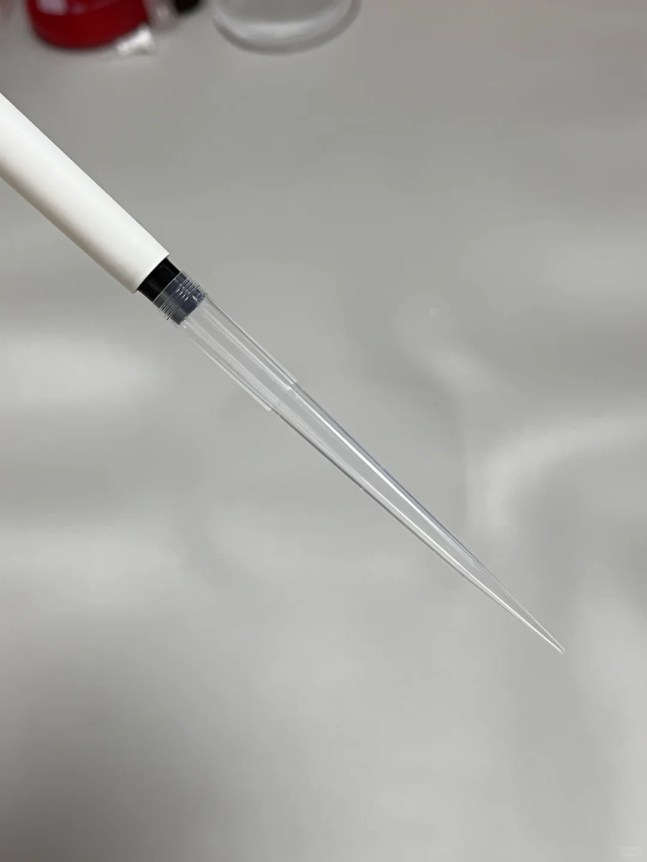
- Disposable pipette tips
- Protective laboratory gloves
- Absorbent laboratory wipes
Critical Safety Precautions
Working with serological pipettes demands strict safety rules. Never attempt oral pipetting, as it’s very dangerous. Always use mechanical pipette controllers to avoid contamination and injury.
- Wear appropriate personal protective equipment
- Inspect pipettes for damage before use
- Use gentle, controlled movements when inserting pipettes into bulbs
- Maintain a clean, organized workspace
- Dispose of contaminated materials properly
Following these safety protocols is crucial. It ensures accurate handling of liquids and keeps both the researcher and the experiment safe.
Techniques for Draining a Serological Pipette
Laboratory experts know that handling pipettes right is key for good science. Serological pipettes need special draining to move liquids well in many fields.

Scientists must learn certain ways to avoid mistakes when handling liquids. The first step is to know how to drain liquids correctly.
Standard Draining Method
The basic way to drain involves a few important steps:
- Let the liquid flow fast until it hits the bottom of the pipette
- Put the pipette tip against the inside of the container
- Wait until the flow stops completely
- Stay in this position for 10 seconds
Alternative Draining Methods
At times, scientists need different ways to drain liquids. This might be because of the liquid’s thickness or the container’s shape.
- Controlled-flow method: Slowly tilt the pipette to control the flow
- Wall-contact technique: Gently touch the container walls to help drain
- Gravity-assisted drainage: Use gravity to help move the liquid accurately
“Precision in liquid handling defines the quality of scientific research.” – Laboratory Best Practices Manual
Choosing the right draining method depends on the experiment, the liquid, and how accurate you need to be.
Best Practices for Effective Drainage
Mastering pipetting best practices is key for keeping labs precise and safe from contamination. To drain a serological pipette well, you need to be careful and pay attention to details.
Draining properly involves a few important steps. These steps help keep your work accurate and reduce mistakes:
- Always use a clean pipette for each unique sample
- Maintain a consistent vertical angle during drainage
- Control liquid flow speed meticulously
- Avoid introducing air bubbles during the process
Maintaining Consistency
To pipette well, you need a steady hand and a consistent method. Experts say to practice smooth, controlled movements. Slight pressure at the end of dispensation helps get rid of any leftover liquid.
“Precision in pipetting is not just a skill, it’s a scientific necessity.” – Laboratory Standards Institute
Avoiding Contamination
To avoid contamination, follow strict rules. Never use the same pipette for different samples or chemicals. Here are some tips to prevent contamination:
- Clean pipettes between uses
- Use disposable pipette tips when possible
- Store pipettes in sterile environments
- Regularly calibrate and maintain equipment
By sticking to these best practices, researchers can get reliable results. They also keep their labs safe and precise.
Troubleshooting Common Issues
Laboratory professionals often face challenges with serological pipettes. Knowing these issues can greatly improve how well they measure volumes. It’s key to follow guidelines for using these pipettes to solve common problems.
Getting accurate volume measurements is all about spotting and fixing potential issues. Scientists and researchers need to be very observant. They must catch small problems that could mess up their results.
Resolving Poor Drainage Challenges
Drainage problems can really affect how precise your experiments are. Some common issues include:
- Liquid sticking to the pipette walls
- Not releasing liquid consistently
- Air bubbles forming
- Not getting all the liquid out
Performance Improvement Strategies
To get better at pipetting, try these strategies:
- Keep the pipette at the right angle (15-45 degrees)
- Use the same hand movements every time
- Clean the pipettes well after each use
- Look for any damage or wear
Getting better at pipetting takes practice and paying attention to details. It’s about building muscle memory and understanding the technical side. This way, you can get consistent and reliable results from your pipettes.
Precision in pipetting is not just a skill, but a scientific discipline requiring continuous refinement.
By using these tips, lab workers can cut down on mistakes. This helps keep their experiments accurate and reliable.
Cleaning and Maintenance
Keeping laboratory equipment in top shape is key for accurate results and longer-lasting serological pipettes. Labs must follow strict pipette tip disposal and safety rules to keep research quality high.
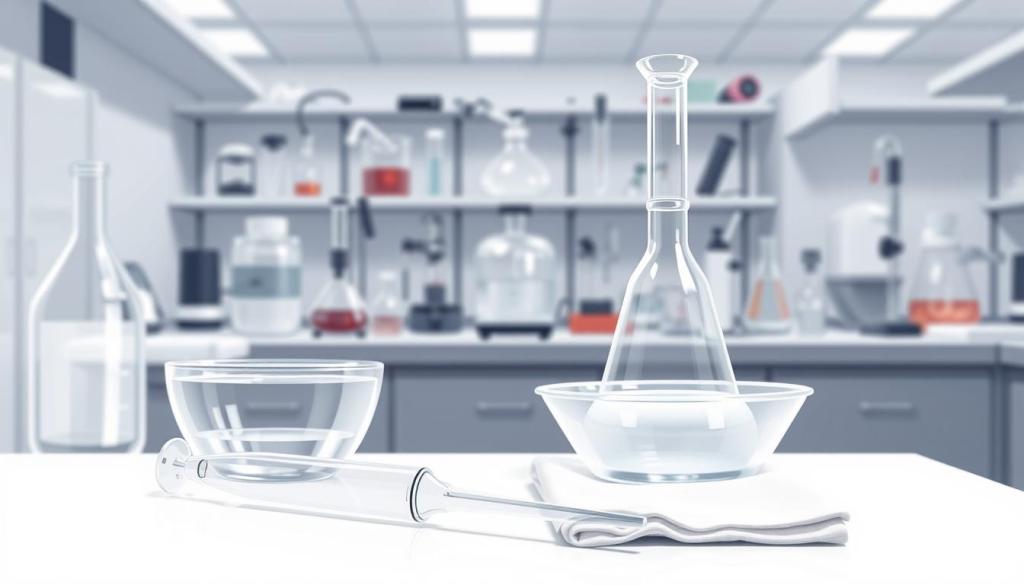
First, it’s important to know how to clean different types of pipettes. It’s crucial to use the right cleaning method for each type to avoid contamination and keep results precise.
Essential Cleaning Procedures
- Rinse pipettes right after use with the right cleaning solutions
- Start with distilled or deionized water for cleaning
- Use enzymatic detergents for protein-based messes
- Always let pipettes air dry before storing them
Maintenance Frequency Guidelines
Lab workers should stick to a regular maintenance plan for pipettes to work their best. Regular calibration and deep cleaning are essential for keeping instruments precise.
- Clean the outside of pipettes every day after use
- Do a detailed internal check once a week
- Get professional calibration every 6-12 months
- Replace any worn or broken parts quickly
“Consistent maintenance is the cornerstone of reliable scientific research.” – Laboratory Safety Expert
When dealing with pipette tip disposal, labs must follow strict safety rules. Used pipettes should go into the right waste bins or cleaning areas, based on their type.
Remember, proper cleaning not only makes your serological pipettes last longer. It also stops contamination that could mess up your results.
When to Replace a Serological Pipette
Laboratory experts need to watch their serological pipettes closely. This is to keep them working well and follow safety rules. Pipettes are very precise and need to be checked often for when they should be replaced.
Knowing when to swap out a serological pipette is key. It helps keep research accurate and stops contamination.
Identifying Signs of Wear and Tear
- Visual damage to the pipette body or tip
- Inconsistent liquid volume transfer
- Visible scratches or cracks
- Difficulty in achieving precise measurements
- Noticeable changes in pipette performance
Selecting the Right Replacement
When picking a new serological pipette, think about these important points:
- Volume range: Choose pipettes that fit your research needs
- Material compatibility with lab work
- Precision needed for your science
- Works with your lab equipment
Keeping pipettes in good shape and replacing them on time is vital. It keeps research reliable and results trustworthy.
Environmental Considerations
Good lab practices go beyond just science. It’s key to dispose of pipette tips right to keep labs safe and green.
Labs throw away a lot of waste from pipettes. Knowing how to get rid of it right can cut down on harm to the planet and keep workers safe.
Waste Segregation Strategies
- Keep plastic pipettes separate from other trash
- Use special bins for different kinds of waste
- Make sure waste bags don’t get poked
Contaminated Pipette Handling
There are special ways to throw away different kinds of pipette waste:
- Uncontaminated pipettes: Put them in bins marked for waste pipettes only
- Contaminated pipettes: Treat them as biohazardous waste
- Dispose of them in strong, leak-proof bins
Best Practices for Safe Disposal
Here are important steps to follow when getting rid of lab pipettes:
- Always use containers marked as biohazard
- Soak contaminated pipettes in the right disinfectant
- Use double-bagged biohazard bags for disposal
- Make sure to label them with international biohazard symbols
By sticking to these safety rules, scientists can handle pipette waste well. This keeps people and the planet safe.
Training and Skill Development
Learning to use pipettes well takes a lot of practice and ongoing learning. People working in labs need to keep improving their skills. This is key for doing precise and accurate research.
Good pipetting skills come from constant learning and special training. Scientists and lab workers can get better by taking part in educational programs.
Recommended Training Programs
Improving at pipette use means trying different learning methods:
- Hands-on workshop sessions
- Online certification courses
- Training from the makers of the pipettes
- Seminars on lab techniques
Continuous Learning Opportunities
To keep up with new lab methods, it’s important to keep learning:
- Go to scientific conferences every year
- Join webinars for professionals
- Read scientific journals
- Share knowledge with peers
| Training Focus Area | Key Skills Developed |
|---|---|
| Volume Precision | Learning to measure accurately |
| Equipment Maintenance | Knowing how to keep equipment in good shape |
| Error Reduction | Learning ways to avoid mistakes |
Keeping up with education helps lab workers stay at the top of their game. They ensure their work is accurate and of the highest quality.
Conclusion and Summary of Key Points
Learning to drain a serological pipette well is key for accurate measurements in labs. It’s not just about knowing how to do it. It’s about practicing, being careful, and really caring about getting it right.
When you’re draining a serological pipette, every step is important. Studies show that a slow pour followed by a quick drain of about ten seconds works best. This method helps avoid mistakes and keeps your work precise.
Lab workers should always keep learning and know the latest methods. By following the tips in this guide, they can get better at measuring volumes accurately. The main thing is to keep learning, pay close attention to details, and follow a step-by-step approach.
Getting good at lab work depends on mastering the basics. Serological pipettes are very useful if used correctly. Learning how to drain them properly is a must for any scientist.
FAQ
What is a serological pipette?
A serological pipette is a precise tool for moving liquids in labs. It’s used in research, medical tests, and labs. Its long, marked design helps measure and move liquids accurately.
How do I prevent contamination when using a serological pipette?
To avoid contamination, follow these steps:
– Use new pipette tips for each sample.
– Work in a clean area.
– Don’t touch the pipette tip.
– Change gloves between samples.
– Wear proper protective gear.
– Clean your area before and after.
What are the most common mistakes when draining a serological pipette?
Common errors include:
– Wrong angle when draining.
– Releasing liquid too fast.
– Not emptying the pipette fully.
– Getting air bubbles.
– Poor flow control.
– Inconsistent technique.
How often should I clean and maintain my serological pipettes?
Keep your pipettes clean and in good shape:
– Clean them after each use.
– Before and after different tests.
– Check calibration weekly.
– Deep clean monthly.
– Replace damaged pipettes right away.
What safety precautions should I take when using serological pipettes?
Stay safe with these precautions:
– Wear the right protective gear.
– Work in a clean area.
– Use pipette controllers.
– Don’t pipette with your mouth.
– Handle liquids carefully.
– Follow disposal rules.
– Know about chemical dangers.
How do I choose the right serological pipette for my experiment?
Choose a pipette based on:
– The volume you need.
– The liquid’s thickness.
– Your experiment’s needs.
– Material and compatibility.
– Precision and type (disposable or reusable).
– The maker’s advice.
What are the environmental considerations for serological pipette disposal?
Think about the environment when disposing of pipettes:
– Follow waste management rules.
– Separate clean and dirty pipettes.
– Look into recycling.
– Use reusable pipettes when you can.
– Reduce plastic waste.
– Decontaminate before throwing away.
How can I improve my pipetting technique?
Get better at pipetting by:
– Practicing steady movements.
– Going to training sessions.
– Doing calibration exercises.
– Watching experts.
– Keeping your hand steady.
– Learning how to handle pipettes.
– Always check and improve your skills.




Leave a Comment
Your email address will not be published. Required fields are marked *