


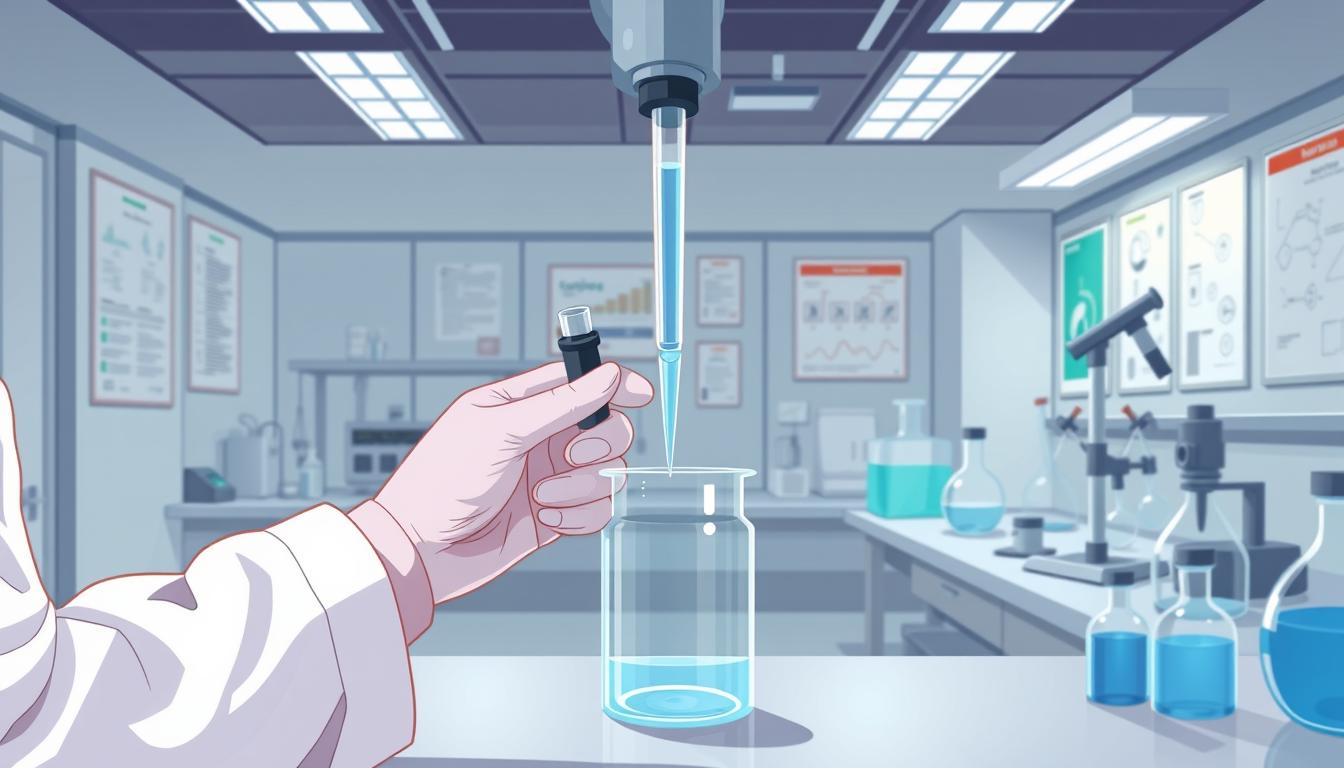
Ever thought about how important precise liquid measurements are in science? Using a serological pipette in labs requires careful attention and skill.
Handling lab equipment is a key skill for scientists in many fields. Serological pipettes help measure liquids from 0.1 to 50 milliliters very accurately.
These tools are vital for research, helping scientists do precise liquid transfers. This is important in cell culture, chemical analysis, and more. Learning the right pipetting techniques can greatly improve the quality of your research.
Key Takeaways
- Serological pipettes enable precise liquid measurement between 0.1 and 50 milliliters
- Proper handling techniques are crucial for maintaining sterility and accuracy
- Different pipette types offer varying levels of volume control and precision
- Regular calibration ensures consistent performance
- Contamination risks can be minimized through correct pipetting methods
Understanding the Serological Pipette
Serological pipettes are key tools in labs, helping with precise liquid transfers. They are used in many scientific fields. These tools are crucial for reliable experiments.
Scientists use serological pipettes to measure and move liquids from under 1 milliliter to 50 milliliters. Their design helps achieve high precision in many experiments.
Defining the Essential Laboratory Instrument
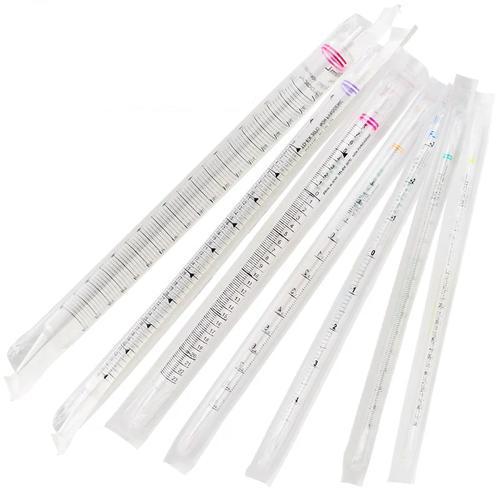
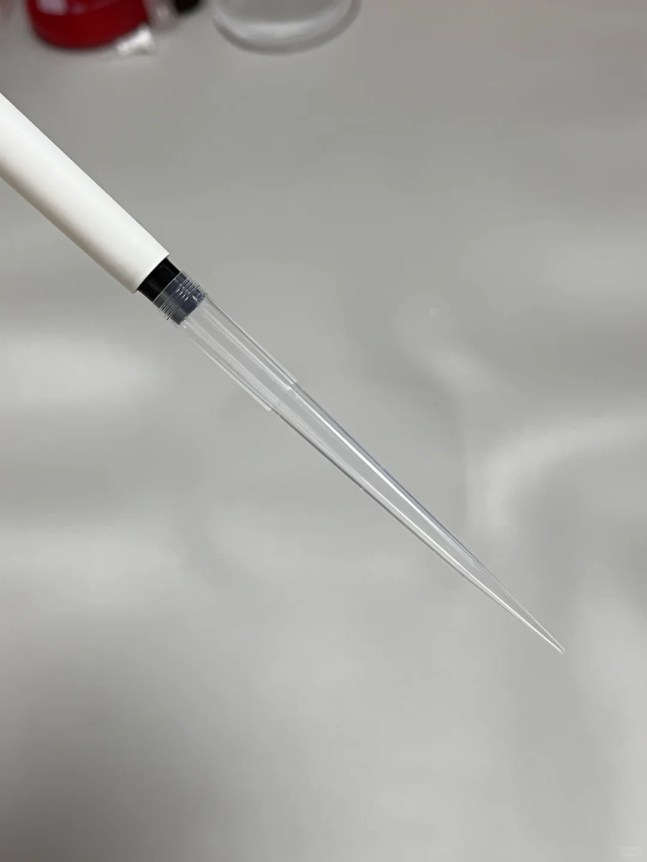
A serological pipette has a long, graduated tube with clear volume markings. This makes it easy to measure liquids accurately. There are two main types:
- Disposable plastic pipettes
- Reusable glass pipettes
Exploring Pipette Varieties
There are different serological pipettes for various research needs. Scientists can choose based on their experiments:
- Standard volume pipettes: From 1 mL to 50 mL
- Specialized precision pipettes: For better liquid transfer
- Sterile and non-sterile options: For different lab settings
Serological pipettes are accurate to within ±1% of the marked volume. They are vital for tasks like cell culture, making reagents, and chemical analysis.
Proper pipetting techniques are essential for maintaining experimental integrity and reducing potential measurement errors.
Importance of Serological Pipettes in the Lab
Serological pipettes are key tools in science and medicine. About 80% of labs use them for handling liquids. They are crucial for keeping samples safe and accurate.
Getting precise with pipettes is vital for good science. These tools can be very accurate, almost 99% when used right. Even small mistakes in liquid handling can change results a lot.
Precision in Measurements
The accuracy of serological pipettes is important in many fields. They offer:
- Volume accuracy within 1-2% of specified range
- Consistent liquid transfer capabilities
- Reduced risk of experimental contamination
- Ability to handle diverse liquid viscosities
Applications in Various Experiments
Serological pipettes are used in many areas of research. They are important in:
- Cell Culture Preparation: Precise medium transfers
- Chemical Analysis: Accurate reagent dispensing
- Microbiology: Sterile sample handling
- Molecular Biology: Precise volume measurements
Studies show that training can cut down on mistakes by up to 30%. This highlights the need to understand these tools well. The ongoing improvement in pipette technology keeps science moving forward.
Selecting the Right Serological Pipette
Choosing the right serological pipette is key for lab professionals. It’s important to think about many factors for accurate and reliable results.
Researchers need to look at several important things when picking serological pipettes. The right one can greatly affect the success of their work.
Volume Range Considerations
Serological pipettes come in sizes from less than 1 mL to 50 mL. Picking the right size is vital for precise measurements.
- 1-10 mL pipettes are great for small to medium volume transfers
- 25-50 mL pipettes are better for bigger volumes
- Choosing the right size for your experiment helps avoid mistakes
Material and Design Factors
Understanding the strengths of different materials and designs is important for pipette calibration.
| Material Type | Key Characteristics | Recommended Use |
|---|---|---|
| Disposable Plastic | Low contamination risk, single-use | Cell culture, microbiology |
| Reusable Glass | Chemical resistant, autoclavable | Experiments with corrosive substances |
Researchers should look for ergonomic features. They should also think about tip compatibility, sterilization needs, and chemical resistance.
Preparing for Pipetting
Laboratory precision begins with careful preparation. Calibrating serological pipettes and following safety measures are key. These steps help ensure accurate results in experiments. Researchers must stick to detailed protocols to keep their work reliable.

Sterilization Protocols
Keeping labs clean is crucial to avoid contamination. Bacteria and viruses can ruin experiments. So, it’s important to clean thoroughly.
- Clean pipettes with 70% alcohol solution
- Use sterile disposable tips for each experiment
- Implement regular disinfection procedures
- Store pipettes in designated clean areas
Calibration Checks
Calibrating serological pipettes is about checking volume accuracy. It’s important to do this regularly. This ensures the pipettes are accurate within ± 5% of what they should be.
- Verify pipette volume ranges (0.1 ml to 25 ml)
- Check smallest marked increments
- Use water density testing method
- Conduct annual comprehensive calibration
Lab safety is always a priority. Proper calibration is vital for reliable results and to avoid mistakes in research.
Proper Technique for Using Serological Pipettes
Mastering pipetting techniques is key for precise results in lab research. Serological pipettes need careful handling for accurate sample transfer and to avoid errors.
Following professional sample handling protocols is essential. Researchers must adopt a consistent and methodical approach to liquid transfer.
Holding and Handling Techniques
Effective serological pipette handling involves several key strategies:
- Maintain a vertical position when pipetting to ensure accurate volume measurement
- Use a pipette controller to reduce manual strain and improve precision
- Grip the pipette gently but firmly, keeping your wrist straight
- Control aspiration and dispensing speeds with smooth, consistent movements
Avoiding Contamination
Preventing sample contamination is critical in laboratory settings. Key strategies include:
- Always use disposable tips for each sample transfer
- Work in a clean, designated area
- Wear appropriate personal protective equipment
- Avoid mouth pipetting under any circumstances
Proper pipetting technique can reduce liquid waste by up to 20% and minimize experimental errors.
Research shows that about 40% of pipetting errors come from bad technique. By following these guidelines, lab professionals can greatly improve their sample handling and experimental accuracy.
Common Applications in Research and Diagnostics
Serological pipettes are key in today’s labs, showing great flexibility in many fields. They’ve made liquid handling more accurate and precise in research and testing.
Scientists use these tools for many important tasks. These tasks need careful handling of liquids.
Cell Culture Preparation
In cell culture, serological pipettes are crucial. They help keep cells in the right environment. Labs use them for:
- Transferring cell media safely
- Doing cell passaging with care
- Adding growth factors and supplements
- Checking cell count and health
Reagent Mixing and Dilutions
When making chemical solutions, accuracy is essential. Serological pipettes help scientists:
- Make solutions with the right concentration
- Do serial dilutions correctly
- Mix reagents with the right amount
- Get samples ready for spectrophotometry
The precision of these pipettes is vital for research in biotech, clinical diagnostics, and drug development.
Best Practices for Pipetting
Precision and repeatability in pipetting are key in scientific research. Lab professionals need to master certain techniques. This ensures accurate liquid handling and keeps experiments reliable.
To develop consistent pipetting techniques, pay close attention to several factors. It’s important to create a standard approach. This helps reduce variability in liquid transfer.
Maintaining Consistent Pipetting Speed
Getting reliable results depends on steady pipetting speed. Experts suggest practicing a uniform motion. This helps avoid errors:
- Use smooth, controlled movements when aspirating and dispensing liquids
- Avoid rapid or jerky motions that can introduce air bubbles
- Practice a consistent technique to improve muscle memory
Proper Pipette Disposal Guidelines
Safe and responsible pipette disposal is key for lab safety and preventing contamination. Follow these guidelines:
- Discard disposable pipettes immediately after single use
- Use designated biohazard containers for contaminated materials
- Clean reusable pipettes thoroughly between experiments
Precision in pipetting is not just a skill – it’s a scientific responsibility.
By following these best practices, you can greatly improve precision and repeatability in pipetting. This will lead to better research outcomes and more efficient labs.
| Practice | Recommended Action |
|---|---|
| Pipetting Speed | Consistent, smooth motion |
| Tip Handling | Single-use, proper disposal |
| Technique | Regular practice and training |
Troubleshooting Common Issues
Laboratory equipment handling needs precision and detail. Serological pipettes face several challenges that affect liquid transfer accuracy. It’s key to know and fix these issues to keep research results reliable.

Researchers often deal with two main problems: air bubbles and uneven volume dispensing. These issues can harm experimental results if not handled right.
Identifying and Resolving Air Bubbles
Air bubbles can mess up liquid transfer and cause measurement errors. To tackle air bubble problems, try these steps:
- Carefully check the pipette tip before starting
- Use a smooth, consistent pipetting method
- Gently tap the pipette to remove trapped air
- Make sure to use the right aspiration and dispensing angles
- Check pipette calibration often
Managing Inconsistent Volume Dispensing
To keep liquid transfer consistent, know what can go wrong. Common reasons for uneven dispensing include:
- Worn-out pipette parts
- Bad cleaning methods
- Wrong pipetting angle
- Not keeping up with maintenance
- Changes in environmental temperature
Following strict laboratory equipment handling rules can help. Regular calibration and upkeep are vital for exact liquid transfer accuracy.
Precision in pipetting is not just a skill—it’s a critical scientific discipline.
By knowing these common problems and using systematic troubleshooting, researchers can boost their pipetting skills and experiment reliability.
Cleaning and Maintenance of Serological Pipettes
Keeping serological pipettes in good shape is key for accurate lab results. They need careful handling to stay precise and last longer. Following safety rules is important for these delicate tools.
Regular upkeep stops mistakes and keeps performance steady. Studies show 90% of pipette errors come from bad cleaning. Labs must have a clear plan for pipette care.
Recommended Cleaning Agents
Choosing the right cleaners is vital for pipette health. Here are some cleaning tips:
- Use mild, non-corrosive detergents made for lab gear
- Stay away from harsh chemicals that can harm the pipettes
- Rinse with distilled or deionized water
- Use decontamination methods to cut down on contamination risks by up to 95%
Storage Tips
How you store pipettes affects their life span. Good storage can add 20% to a pipette’s life. Here are some storage tips:
- Put pipettes upright in their own stands
- Keep the area clean and free of dust
- Avoid direct sunlight and extreme temperatures
- Protect them from mechanical damage
Do maintenance checks every three months to catch problems early. Lab staff should get full training on these steps. This ensures they follow best practices.
Safety Considerations in Pipetting
Laboratory safety is key in scientific research, especially with serological pipettes. It’s important to follow strict safety rules to keep everyone safe and the lab secure.
Keeping lab workers safe involves many steps. It’s about handling samples right and keeping personal safety in mind. Sadly, many injuries happen during pipetting, which can harm health for a long time.
Personal Protective Equipment (PPE)
Using the right personal protective equipment is vital for safety. Here are some must-haves:
- Disposable gloves that resist chemicals and germs
- Full-length lab coats with a closed front
- Safety goggles or face shields
- Closed-toe shoes for protection
Safety Data Sheets (SDS) Guidelines
Safety Data Sheets are full of important info on lab materials. It’s important to:
- Check the SDS before using a new substance
- Learn about the risks of chemicals or germs
- Know how to act in an emergency
- Wear the right PPE
| Safety Consideration | Recommended Action |
|---|---|
| Repetitive Strain Prevention | Take micro-breaks every 20-30 minutes |
| Contamination Reduction | Use biological safety cabinets for high-risk materials |
| Equipment Handling | Never use mouth for pipetting operations |
By following strict safety rules and handling samples carefully, researchers can make labs safer. This helps prevent accidents and keeps everyone healthy.
Safety is not an option but a fundamental requirement in scientific research.
Ergonomics are also very important. About 60% of pipette users feel uncomfortable during long lab work. Training, proper technique, and the right tools can greatly lower health risks.
Training and Competency Assessment
Effective handling of laboratory equipment needs thorough training and regular checks. Skills like precision and repeatability in pipetting are key. They require structured learning and constant evaluation.
Initial Training Requirements
Starting with a solid training program is crucial for learning serological pipette techniques. The training should cover several important areas:
- Theoretical knowledge of pipetting principles
- Hands-on practice with different pipette types
- Understanding measurement accuracy
- Proper technique demonstration
Ongoing Competency Evaluation
Lab tests must have strict assessment plans to keep standards high. Regular checks include:
- Periodic skills assessments
- Performance tracking
- Refresher training sessions
- Documentation of individual competencies
Studies show that training greatly improves pipetting skills. Quantitative studies show that focused training can cut measurement errors by up to 30%.
Continuous learning and skill improvement are essential for lab excellence.
Top labs focus on detailed training programs. They ensure all staff handle equipment accurately and safely.
Future Developments in Pipetting Technology
The world of lab tools is changing fast with new tech. Serological pipettes are getting better, focusing on being more precise and efficient. They’re also being designed to work well with automated systems.
Today, pipettes are smaller and have more tech inside. They use smart sensors and processors for better volume control. This means less mistakes for scientists.
New pipettes will soon learn from your work. They’ll adjust to your needs and make your job easier. This tech will make labs more efficient and accurate.
Future pipettes will be easier to use and less tiring. They’ll help scientists work better and longer. This is key for labs that are getting more complex.
FAQ
What is a serological pipette?
A serological pipette is a tool for moving liquids in labs. It’s made of plastic or glass and has lines to measure liquid. It’s long and thin, used for research, cell work, and tests.
How do serological pipettes differ from other types of pipettes?
Unlike micropipettes, serological pipettes are longer and hold more liquid. They can handle 1-50 mL. They’re great for moving big amounts of liquid in labs.
What are the main types of serological pipettes?
There are two main types: disposable plastic and reusable glass. Plastic ones are for one-time use. Glass ones can be cleaned and used many times.
How do I choose the right serological pipette?
Choose based on your lab needs. Think about the liquid volume, material, and if it needs to be sterile. Also, consider the precision and the type of liquid.
What are the most common applications for serological pipettes?
They’re used in many lab tasks. This includes cell culture, mixing, diluting, and tests. They’re key in biology, chemistry, and medicine.
How can I ensure accurate pipetting?
Use the right technique. Hold it straight, move slowly, and avoid air bubbles. Make sure the tip is in the liquid. Calibrate and maintain it well.
What safety precautions should I take when using serological pipettes?
Wear gloves, a lab coat, and eye protection. Follow safety rules and use Safety Data Sheets. Be careful to avoid injuries and contamination.
How often should I calibrate my serological pipettes?
Calibrate as the maker suggests or as your lab rules. Usually, it’s once a year or more if used a lot. This keeps your measurements right.
What are the best practices for cleaning serological pipettes?
Dispose of disposable ones after use. Clean reusable ones with the right stuff. Rinse well and dry them. Store them clean and dry to avoid germs.
What should I do if I encounter air bubbles during pipetting?
To get rid of air bubbles, tap the pipette gently. Move slowly and make sure the tip is in the liquid. Avoid quick movements. If it keeps happening, check your method or ask your lab’s rules.




Leave a Comment
Your email address will not be published. Required fields are marked *