



Ever wonder how scientists measure tiny amounts of liquid with such accuracy? Laboratory pipettes are the secret heroes of science. They help researchers move tiny amounts of liquid with amazing precision.
Pipettes are key tools in labs. They make complex science experiments easier to repeat. These tools measure liquids in tiny amounts, from microliters to milliliters. They are essential in many scientific fields.
Today’s labs use pipettes for more than just measuring. They are precision tools that can change the results of experiments. Their design is advanced to reduce errors and increase reliability.
Key Takeaways
- Pipettes enable precise liquid measurements in scientific research
- Accurate volume transfer is crucial for experimental reliability
- Different pipette types serve unique scientific requirements
- High-quality pipettes minimize measurement errors
- Proper maintenance ensures consistent performance
Understanding Pipettes: The Basics of Laboratory Tools
Pipettes are key tools for precise liquid handling in science. They help researchers move exact amounts of liquid in fields like chemistry and medicine.
Scientists use micropipettes to move tiny liquid amounts with great accuracy. These tools come in different designs to fit various lab needs.
Defining Laboratory Pipettes
Micropipettes are special tools for handling small liquid amounts. They can measure and transfer liquids from 0.5 μL to 1000 μL. Their main job is to add the right amount of liquid for experiments.
Comprehensive Pipette Types
- Single-channel micropipettes: Transfer one volume at a time
- Multi-channel micropipettes: Dispense samples across 8-12 channels simultaneously
- Electronic pipettes: Automate liquid handling tasks
- Volumetric pipettes: Deliver fixed, precise volumes
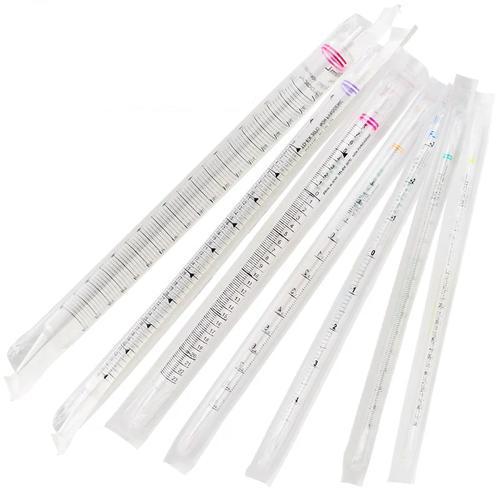
- Serological pipettes: Used for larger volume transfers
Pipette Construction Materials
Today’s micropipettes are made from strong, chemical-resistant materials. Borosilicate glass is often used for volumetric pipettes. It’s great at handling stress and temperature changes.
Researchers pick the right pipette for their needs. This ensures their work is accurate and reliable.
The Importance of Precision in Measurements
Precision pipetting is key in biological research. Even small measurement errors can change results a lot. Scientists use careful methods to get reliable and consistent results.
The need for precision is clear when thinking about the effects of mistakes. Labs must follow strict quality control to keep science high.
Impact on Experimental Accuracy
Inaccurate pipetting can cause big problems:
- It can hurt the trustworthiness of research
- It can make experiments less consistent
- It can lead to wrong interpretations of data
- It can also increase costs because of needing to do experiments again
Precision in Analytical Methods
Researchers using precision pipetting face many challenges:
- Temperature changes can affect the volume of liquid
- The density of the liquid also plays a role in how much is aspirated
- Changes in altitude can affect air pressure and how well the pipette works
Studies show pipettes usually have errors of +/- 0.1% of the volume measured. This small margin shows how crucial it is to have advanced calibration and regular maintenance in labs.
Precision is not an accident, but a deliberate result of careful technique and advanced technological support.
Today’s labs use advanced calibration systems like FLUICS CONNECT. They help keep pipette accuracy high. This ensures reliable results and reduces errors in research.
Choosing the Right Pipette for Your Needs
Choosing the right pipette is key for accurate measurements and precise dispensing in labs. The right tool greatly affects results and efficiency in research.
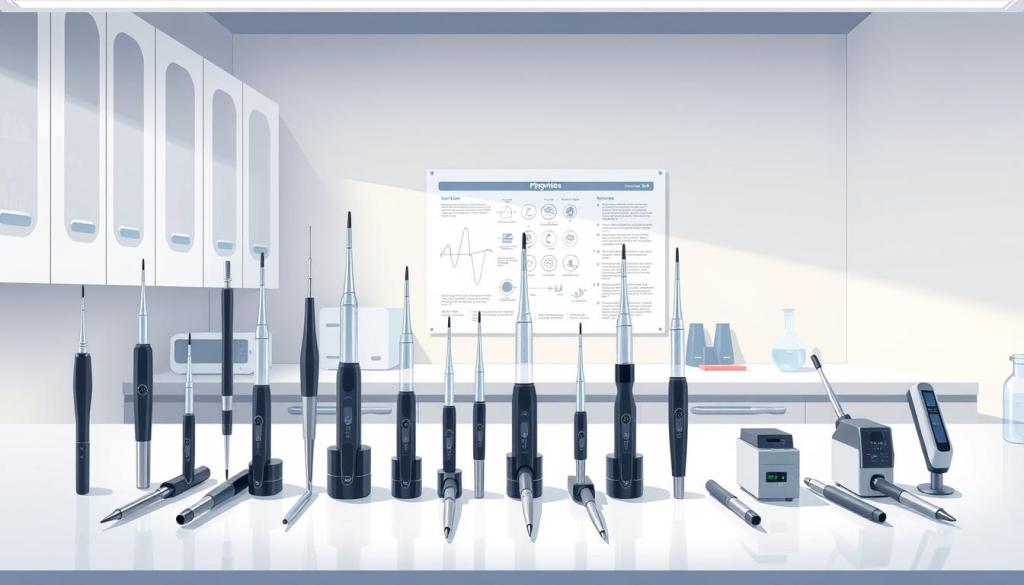
Laboratory experts need to think about several important factors when picking pipettes:
- Liquid viscosity and characteristics
- Required precision for specific experiments
- Volume range needed for research tasks
- Ergonomic considerations
Manual vs. Electronic Pipettes
Researchers must decide between manual and electronic pipettes. Manual pipettes are simple and affordable. Electronic pipettes offer better precision and less strain.
| Manual Pipettes | Electronic Pipettes |
|---|---|
| Lower initial cost | Enhanced accuracy |
| Simple maintenance | Multiple dispensing modes |
| Lightweight design | Reduced user fatigue |
Selecting the Appropriate Volume Range
Choosing the right volume range is crucial for reagent dispensing. Fixed volume pipettes range from 1 μL to 5 mL. There are six models for 1 μL to 1,000 μL. Variable volume pipettes offer flexibility from 0.2 μL to 10 mL.
Experts should consider their lab needs. This includes sample volume, liquid type, and precision needs for the best pipette choice.
How to Properly Use Pipettes
Precision is key when using laboratory equipment, especially pipettes. Learning the right way to use pipettes is crucial for accurate results. Scientists need to develop consistent skills to avoid mistakes in important lab work.
Understanding how to pipette well can greatly improve research. Using pipettes wrong can cause errors from 0.5% to 50%. So, mastering the technique is vital for scientific accuracy.
Essential Step-by-Step Usage Instructions
- Hold the pipette vertically to ensure accurate volume measurement
- Select appropriate pipette tips for specific sample transfer needs
- Pre-wet pipette tips to enhance liquid aspiration consistency
- Release the plunger slowly and smoothly to prevent air bubbles
- Maintain a distance of approximately 2mm from the sample surface
Common Pipetting Mistakes to Avoid
- Angling the pipette during sample transfer
- Using incorrect pipette tips for specific liquids
- Pipetting too quickly or forcefully
- Neglecting to change tips between different samples
- Failing to perform regular maintenance
Using advanced techniques like prerinsing pipette tips can improve volume consistency. Electronic pipettes also help by reducing errors and making lab work more efficient.
Mastering pipette techniques is not just a skill, but a critical scientific discipline.
Maintenance and Care for Pipettes
Keeping laboratory equipment in top shape is key for precise pipetting and trustworthy results. Pipettes are delicate and need special care to work well.
There are important steps to keep pipettes working right. Scientists and lab techs must follow a detailed plan for pipette upkeep.
Routine Cleaning Procedures
Cleaning pipettes well is vital to avoid contamination and keep them precise. Different substances need different cleaning methods:
- For aqueous solutions: Rinse well with distilled water
- For organic solvents: Clean with a detergent solution and then rinse with distilled water
- For DNA contamination: Soak in 3% sodium hypochlorite for 15 minutes
- For RNase removal: Use a detergent solution and 3% hydrogen peroxide
Calibration Importance
Calibration is crucial for accurate pipetting. Pipettes should be checked every 3 to 12 months, based on how often they’re used.
*Accurate calibration is the cornerstone of reliable scientific research.*
Professional labs stick to strict calibration rules to keep their equipment at its best. Gilson’s service centers, following ISO 8655, offer certified calibration services. These help labs keep their pipettes in top condition.
Regular upkeep not only makes pipettes last longer but also cuts down on mistakes in research. It’s a must in biological labs.
Factors Affecting Pipette Accuracy
Getting precise measurements is key in science. Lab workers need to know what can mess up their work. They must pay close attention to many things to get accurate results.
- Temperature fluctuations
- Humidity levels
- User technique
- Equipment maintenance
Environmental Conditions
The lab environment is very important for pipetting. Temperature changes can make liquids expand or shrink. This affects how accurate the measurements are. Humidity also plays a part, especially with air displacement pipettes.
User Technique and Potential Errors
How people use pipettes can really affect results. Some common mistakes include:
- Inconsistent plunger pressure
- Improper tip attachment
- Incorrect pipetting angle
- Inadequate pre-wetting techniques
Studies show that manual pipetting can have errors up to 8% for small volumes. Micropipettes usually stay accurate within 3% of what’s needed. So, keeping your technique consistent is very important.
Precision is not an accident, but a result of careful attention and practice.
To improve, lab workers should get regular training and keep their equipment in good shape. Following set protocols helps too. Knowing these factors helps scientists make their work more reliable.
Innovations in Pipette Technology
The world of liquid handling has changed a lot with new micropipettes. These tools are making scientific research better. Now, labs use advanced tech to improve how they handle liquids.
New micropipettes bring smart solutions to old problems. They focus on two main things: better dispensing and design for comfort.
Smart Pipetting Solutions
Today’s tech in liquid handling has made big strides in science:
- Automated dispensers with liquid class calibration
- Advanced sensors for precise measurement
- Multi-well format processing
- Cloud-based software integration
These systems are now super accurate. They cut down on mistakes and make results more reliable. This means scientists can work faster and better.
Advancements in Ergonomics
Modern micropipettes also care about your comfort and safety. They’ve made big changes for better design:
- Lightweight designs reducing strain
- Adjustable grip configurations
- Reduced repetitive motion risks
- Intuitive digital interfaces
These changes are a big deal for labs. They show how important both science and safety are. As tech keeps getting better, labs will see even more helpful tools.
Pipette Accessories: Enhancing Functionality
In the world of biological research, pipette accessories are key. They help improve accuracy and reduce contamination risks. They also make scientific workflows smoother.
Lab professionals know the right pipette tips and accessories matter a lot. Studies show 75% of researchers see better workflow efficiency with the right choices.
Critical Pipette Tips Selection
Choosing the right pipette tips is crucial for keeping experiments reliable. Different research needs different tip features:
- Low-binding tips for protein analysis
- Filter-equipped tips to prevent cross-contamination
- Color-coded tips for volume identification
Advanced Storage Solutions
Storing pipette tips and lab equipment right is important. It keeps them working well for longer. New solutions include:
- TerraRack™ bases for various tip rack sizes
- Carousel Stands for multiple pipettes
- Hang-Ups™ pipette holders for a tidy workspace
Accessory Innovations
Today’s pipette accessories focus on function and user comfort. They come with color-coded volume stickers and ergonomic storage. This helps labs keep high standards of precision and organization.
60% of users believe high-quality pipette tips directly improve pipetting accuracy.
Choosing the right pipette accessories is more than just convenience. It’s about ensuring reliable, clean scientific research.
Training and Best Practices for Pipetting
Precision pipetting is more than just using the right tools. It’s about mastering the art of sample transfer. This skill is key to getting reliable results in research. Sadly, 50% of pipette users haven’t had proper training, which hurts lab performance.

Good training is vital for becoming skilled at pipetting. Labs can cut down on mistakes by teaching well. This includes:
- Hands-on practice sessions
- Competency assessment protocols
- Regular performance evaluations
- Technique refinement workshops
Creating a Robust Training Framework
Getting good at precision pipetting takes several important steps. Researchers need to:
- Keep a steady grip
- Practice aiming correctly
- Use smooth and steady pressure
- Take time for each step
“Precision in pipetting is not about speed, but about methodical technique and attention to detail.” – Laboratory Performance Institute
Advanced Pipetting Techniques
Professional labs know that sample transfer needs special skills. Using standard operating procedures can cut errors by 50%. Training should cover the fine details, like handling different samples and knowing equipment limits.
By investing in detailed training, labs can boost accuracy. This leads to better research results and less variability in experiments.
Regulatory Standards and Compliance
In labs, following strict standards is key. This is because analytical methods and equipment are crucial for research and tests. Keeping to these rules makes sure our science is accurate and reliable.
The U.S. has set up detailed rules for lab work. The FDA and CLIA require specific steps for managing and checking equipment.
Guidelines for Pipette Use
When using pipettes, labs must follow strict rules. This ensures they work with precision and consistency. The main rules include:
- Annual calibration of all precision measurement instruments
- Detailed documentation of maintenance activities
- Implementation of quality control checks
- Proper staff training on equipment handling
Importance of Standard Operating Procedures
Standard Operating Procedures (SOPs) are key to following rules. They help labs work in a structured way. This includes:
- Setting up consistent pipetting methods
- Reducing mistakes
- Keeping track of measurements
- Helping with lab accreditation
| Regulatory Aspect | Key Requirements |
|---|---|
| Calibration Frequency | Minimum annual verification |
| Documentation | Comprehensive record-keeping |
| Quality Control | Regular performance testing |
| Training | Periodic staff education |
Following rules is not just about obeying. It’s about upholding the highest standards of scientific integrity and precision in lab work.
Future Trends in Pipetting
The global pipette market is changing fast. It’s expected to grow from US$2.0 Billion in 2023 to US$3.0 Billion by 2030. This growth shows how liquid handling tech is evolving in biological research.
Now, making pipettes more eco-friendly is a big focus. There’s a push for refillable tips, biodegradable packaging, and rechargeable batteries. These changes aim to cut down on waste and protect the environment without sacrificing performance.
Sustainable Pipetting Solutions
Electronic pipettes are getting smarter. They now come with data management systems like LIMS and ELNs. This makes data entry less error-prone and improves tracking in labs.
Designs are also getting better to make using pipettes easier. These updates help reduce fatigue and lower the chance of mistakes in lab work.
Anticipated Technological Advancements
Future pipettes will be more customizable and programmable. With a 5.7% CAGR, we can expect pipettes that handle everything from small to large volumes. They’ll be useful in many scientific fields, from basic research to clinical diagnostics.
FAQ
What are laboratory pipettes, and why are they important?
Laboratory pipettes are tools for measuring and moving small amounts of liquid. They are key in labs for biology and chemistry. They help get accurate results and are vital for scientific work.
What are the main types of pipettes available?
There are many types of pipettes. You have mechanical, electronic, single-channel, and multi-channel pipettes. Each is for different lab tasks, from simple to complex.
How do I choose the right pipette for my laboratory work?
Choosing the right pipette depends on several things. Think about the liquid volume, type of liquid, needed precision, and your research. Consider viscosity, how often you’ll use it, and the accuracy needed.
What are common mistakes to avoid when using pipettes?
Don’t insert tips wrong, use uneven pressure, or pipette at the wrong angle. Also, don’t forget to pre-wet tips for thick liquids and use the right tip size. These mistakes can mess up your results.
How often should pipettes be calibrated?
Pipettes need calibration every year or after 10,000 uses, whichever first. But, it depends on how much you use them and your lab’s standards. Calibrating regularly keeps your work accurate.
What factors can affect pipette accuracy?
Many things can affect pipette accuracy. Temperature, humidity, how you use it, and the liquid’s properties matter. Good training and regular care are key for precise work.
Are electronic pipettes better than manual pipettes?
Electronic pipettes have benefits like less fatigue and better consistency. They’re great for repetitive tasks. But, manual pipettes are simpler, cheaper, and reliable for many tasks.
How should pipettes be maintained?
Keep pipettes clean and store them right. Avoid extreme temperatures and use the right tips. Follow the maker’s advice for upkeep. Handle them gently and store them upright.
What are the emerging trends in pipette technology?
New trends include smart pipettes and better designs. There’s also AI for complex tasks, eco-friendly materials, and advanced calibration. These aim to improve precision and user experience.
What safety precautions should be taken when using pipettes?
Wear the right protective gear and use the right tips. Avoid mixing things up and handle dangerous stuff carefully. Follow safety rules and get regular training.




Leave a Comment
Your email address will not be published. Required fields are marked *