


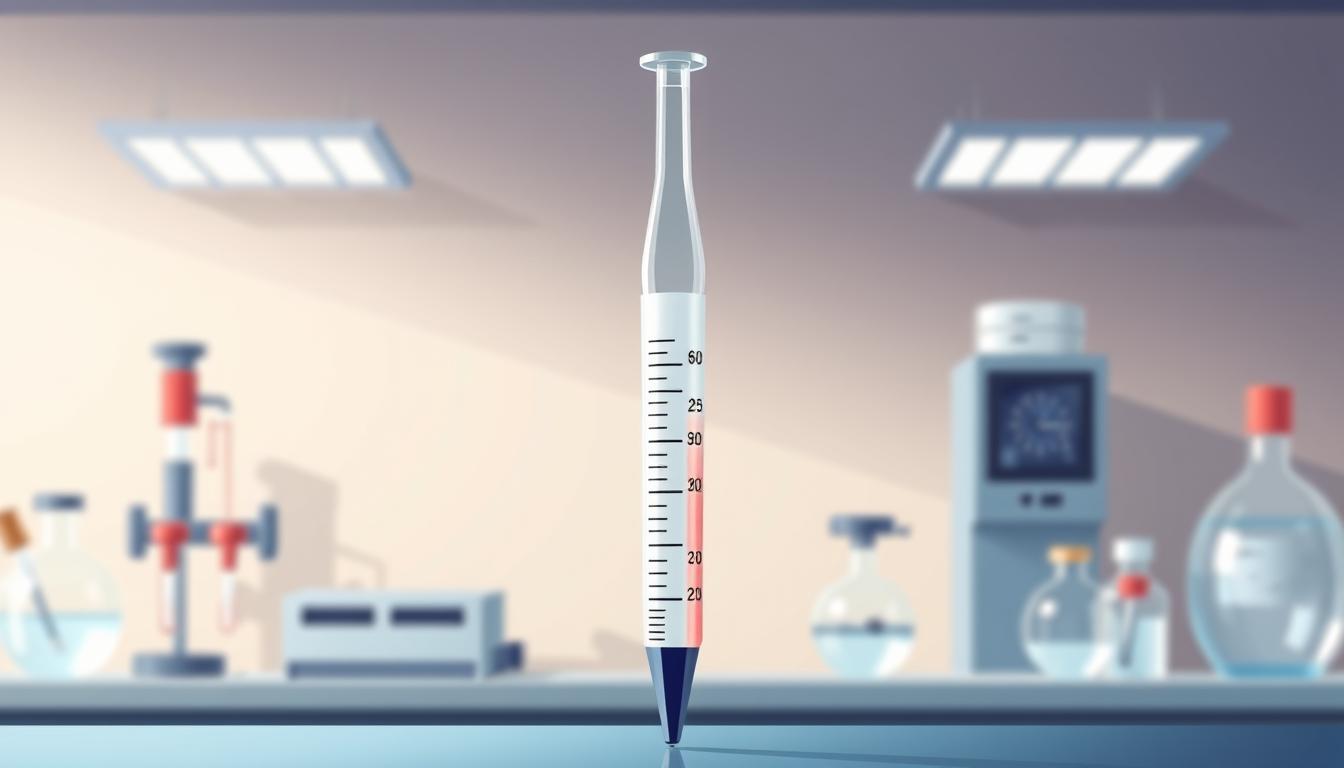
Have you ever wondered how scientists get such precision in handling liquids? This precision is key in many research experiments. The 25 ml serological pipette is a vital tool in labs, changing how we measure liquids in science.
Serological pipettes are top-notch scientific tools. They are made for precise liquid transfer. These tools are crucial in biology, medicine, and molecular studies. Even a small amount of liquid can change the results of an experiment.
Today’s labs use these pipettes for their ability to measure and move liquids accurately. The 25 ml serological pipette is especially useful. It meets the needs of researchers in many fields.
Key Takeaways
- Essential instrument for precise liquid handling in scientific research
- Enables accurate volumetric measurement in multiple disciplines
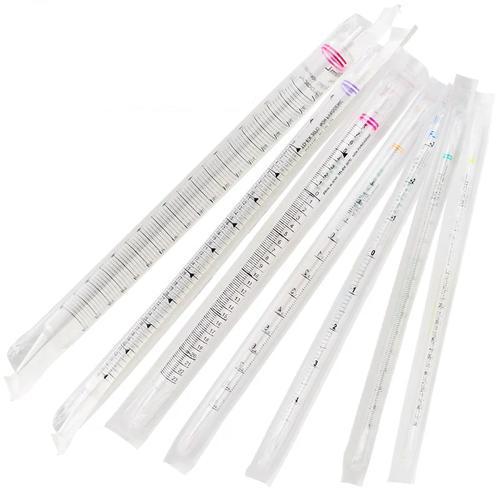
- Designed for single-use applications to prevent cross-contamination
- Critical tool in cell culture, molecular biology, and microbiology
- Gamma-sterilized for maximum reliability and safety
Importance of Serological Pipettes in the Laboratory
Serological pipettes are key in today’s science and medicine. They help labs handle liquids with great care. About 75% of labs use them for precise work.
These pipettes are vital for labs to keep their work accurate and reliable. The 25 ml serological pipette is especially useful, used in about 40% of lab work.
Role in Biological Research
In biology, serological pipettes are crucial for many tasks:
- Cell culture preparation
- Sample dilution techniques
- Reagent mixing and distribution
- Microbial study implementations
Applications in Clinical Diagnostics
Clinical diagnostics rely on serological pipettes for precision. They help cut down errors in liquid handling by up to 15%.
| Laboratory Discipline | Pipette Usage Percentage |
|---|---|
| Immunology | 52% |
| Microbiology | 48% |
| Cell Biology | 35% |
Contribution to Quality Control
Quality control is crucial in labs. Serological pipettes are 98% accurate when calibrated right. 85% of lab techs love them for their ease and precision.
Serological pipettes are essential tools for scientists. They help get consistent and reliable results across many fields.
Design Features of 25 ml Serological Pipettes
Serological pipettes are key in lab work, helping with precise liquid handling. They are made with advanced engineering and practical design. This makes them perfect for scientific research.
Material Composition
These pipettes are made from high-quality polystyrene. This material is great for labs because it:
- Resists chemicals well
- Is clear for easy volume checking
- Is light but strong
- Works well in different temperatures
Graduated Markings
Accurate measurements are crucial for these pipettes. The graduated markings help researchers:
| Marking Feature | Specification |
|---|---|
| Calibration Accuracy | ±2% at full volume |
| Graduation Range | Negative graduations to -10 mL |
| Marking Type | Bidirectional scales |
Design Ergonomics
The design of these pipettes focuses on comfort and precision. They are 345 mm long and have markings for easy use. This helps researchers avoid fatigue during long lab sessions.
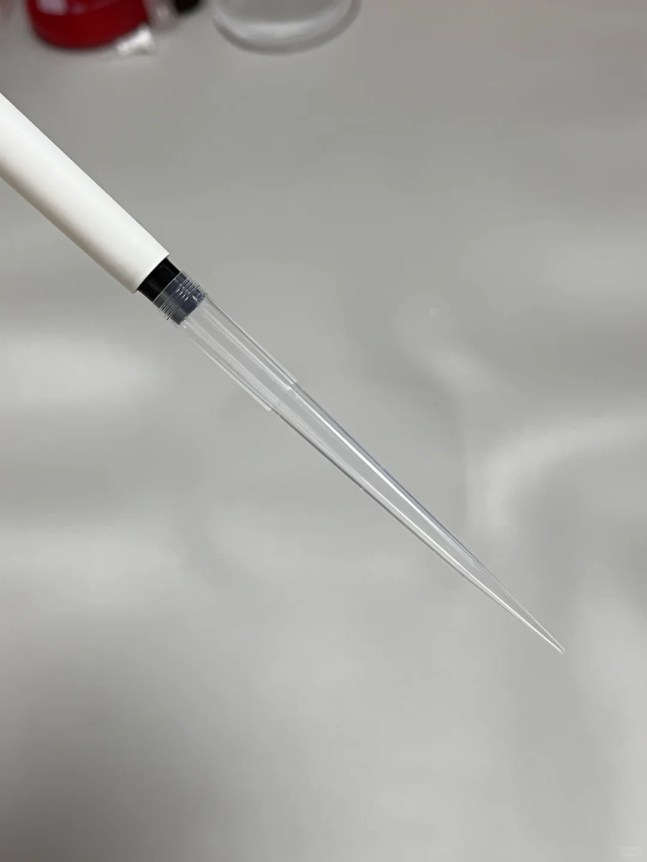
- Anti-drip tips reduce liquid loss
- Color-coded labels for quick size identification
- Compatible with major pipette controller brands
Each 25 ml serological pipette is designed for top scientific accuracy and user experience.
How to Select the Right Serological Pipette
Choosing the right serological pipette is key for accurate liquid handling in labs. Lab experts need to look at many factors. This ensures the best measurement and research results.
Choosing the right lab supplies means knowing what affects science results. It’s important for good experiments.
Considerations for Volume Accuracy
Getting the right volume is about a few important things:
- Matching the pipette’s size to your needs
- The material of the pipette
- The clarity of the markings
- How well it’s calibrated
Calibration Standards
Calibration is key for reliable liquid handling. Labs follow strict standards:
- They test for precision often
- They keep detailed records
- They make sure all equipment is traceable
Choosing Between Sterile and Non-Sterile
Deciding between sterile and non-sterile pipettes depends on your research:
| Pipette Type | Recommended Applications | Key Considerations |
|---|---|---|
| Sterile Pipettes | Cell culture, microbiology | Individually wrapped, contamination prevention |
| Non-Sterile Pipettes | General laboratory work | Cost-effective, bulk packaging |
“Precision in liquid handling begins with selecting the right pipette for your specific scientific application.”
Lab experts must think about their needs carefully. They should consider their research, budget, and accuracy needs when picking pipettes.
Proper Techniques for Using a 25 ml Serological Pipette
Serological pipettes are key for precise liquid handling in science. Learning the right techniques is crucial for reliable results and keeping experiments valid.
Pre-Usage Preparation
Before starting, researchers need to prepare:
- Check the pipette tips for damage
- Make sure the calibration marks are clear
- Ensure the pipette controller is on right
- Verify the pipette fits the volume needed
Pipetting Techniques for Accuracy
For the best results, follow these steps:
- Hold the pipette straight up at 90 degrees
- Move it smoothly when taking and giving out liquid
- Let the tip just touch the liquid
- Don’t let air bubbles form when moving liquid
Common Mistakes to Avoid
Be careful of mistakes that can mess up your results:
| Mistake | Potential Consequence |
|---|---|
| Over-aspiration | Incorrect volume readings |
| Incorrect angle holding | Uneven liquid spread |
| Contaminated pipette tips | Invalidates your results |
Sticking to consistent techniques and careful handling is essential for reliable science in biology and medicine.
Cleaning and Maintenance of Serological Pipettes
Maintaining scientific glassware needs precision and care. Serological pipettes, like other lab supplies, require a detailed cleaning and maintenance routine. This ensures they work well and reliably in research.
Keeping sterile plastic labware clean is key to avoiding contamination and keeping research accurate. It’s important for scientists to stick to thorough cleaning protocols. This helps keep their equipment in top shape.
Recommended Cleaning Solutions
Cleaning pipettes right involves different methods for different types of dirt:
- For water-based dirt: Rinse with 70% ethanol or clean water
- For radioactive stuff: Use Decon solution and rinse carefully
- For protein stains: Use special detergents
- For DNA or RNA: Treat with glycine/HCl buffer
Storage Guidelines
Storing scientific glassware right helps avoid damage and keeps it clean. Important tips include:
- Keep pipettes upright in clean spots
- Use protective cases to block dust
- Keep a steady temperature and humidity
- Avoid sunlight and extreme weather
*”Proper maintenance reduces laboratory errors and extends equipment lifespan.”*
Importance of Regular Calibration
Calibration keeps lab supplies accurate. Studies show 15% of pipettes are off during checks. Regular checks ensure:
- Accurate liquid transfer
- Consistent results
- Reliable equipment
- Standards compliance
With strict cleaning, right storage, and regular checks, scientists can get the most out of their serological pipettes.
Advantages of Using 25 ml Serological Pipettes
Serological pipettes are key tools in today’s labs. They offer top-notch performance in many scientific fields. These tools make measuring volumes very accurate and quick.
Laboratory experts love 25 ml serological pipettes for several reasons:
- They are very accurate, with less than 2% error at full volume
- They work well with different liquid thicknesses
- They meet ISO 9001:2008 quality standards
Enhanced Precision and Accuracy
The UniPlast™ serological pipettes are made from one piece of polystyrene. This design avoids weld points that could mess up measurements. Their 4.50 mm inside diameter helps with precise liquid transfers, perfect for detailed scientific work.
Cost-Effectiveness in Volume Management
Disposable plastic pipettes save money. They cut down on sterilization needs, lower labor costs, and prevent breakage issues with glass pipettes. They can handle volumes from 1 ml to 50 ml, making them great for many lab tasks.
Versatility Across Various Applications
These tools are great for many scientific areas, including:
- Microbiology research
- Cell culture workflows
- Chemical analysis
- Clinical diagnostics
With their advanced design and strict manufacturing, 25 ml serological pipettes are vital for scientists. They provide reliable ways to measure volumes.
Safety Regulations in Using Pipettes
Laboratory safety is key for scientific research, especially with sensitive equipment. It’s important to follow safety rules to protect people and research. This is true when using sterile plastic labware and other supplies.
Good safety plans need careful steps and safety measures. It’s crucial to know the risks of different materials. Then, use strong safety methods to protect against them.
Understanding Lab Safety Protocols
Safe lab practices include several important steps:
- Find and understand potential dangers before starting any experiment
- Use strict methods to prevent contamination
- Have clear plans for emergencies
- Keep detailed records of safety rules
Personal Protective Equipment (PPE) Guidelines
Wearing the right protective gear is key when working with lab supplies. Always wear:
- A lab coat that can resist chemicals
- Safety goggles with side shields
- Gloves made for the materials you’re working with
- Footwear that covers your toes
Handling Hazardous Materials
Working with dangerous substances needs strict rules:
| Material Type | Required Protection | Handling Procedure |
|---|---|---|
| Biological Samples | Double gloves, face shield | Use sterile plastic labware, work in biosafety cabinet |
| Chemical Reagents | Chemical-resistant apron | Use fume hood, neutralization stations nearby |
| Radioactive Materials | Lead apron, specialized gloves | Designated containment area, radiation monitoring |
Safety is not optional—it’s a fundamental requirement in scientific research.
Innovations in Serological Pipette Technology
The world of scientific research is always changing. Pipette controllers and lab supplies have seen big improvements. Scientific glassware has also changed a lot, thanks to new materials and digital tech.
Research labs are seeing big changes in pipetting tech. These changes are making things more precise and efficient.
Advances in Material Science
Modern serological pipettes have changed a lot. The main changes include:
- Switching from old glass to new polymers
- Using biodegradable materials
- Materials that can handle chemicals better
- Things that last longer and work better
Automated Pipetting Solutions
Automation has changed lab work a lot. It makes things more accurate and cuts down on mistakes. Today’s pipette controllers have cool tech that lets them:
- Watch volume in real time
- Keep track of temperature
- Measure with digital precision
- Work well with lab management systems
Future Trends in Laboratory Equipment
The future of scientific glassware looks exciting. New trends are all about smart tech and being green.
| Technology Trend | Key Features |
|---|---|
| Smart Pipetting | Digital tracking and calibration |
| Sustainable Materials | Biodegradable components |
| Automation Integration | Enhanced laboratory efficiency |
“Innovation distinguishes between a leader and a follower in scientific technology.” – Research Insights
New tech is changing how scientists do precision work and lab tasks.
Conclusion: Maximizing Efficiency with 25 ml Serological Pipettes
Laboratory experts know that tools like the 25 ml serological pipette are key for good research. These tools have changed how we handle liquids in many fields, from immunology to cell culture.
To work best, you need to know how serological pipettes work. They measure liquids accurately, from 0.1 to 50 milliliters. This makes them very precise. By training well and keeping them calibrated, you can cut down on mistakes.
Key Performance Insights
Using 25 ml serological pipettes right means paying close attention. Keeping them in good shape can stop up to 40% of problems. Also, using them correctly can cut down errors by 50%.
Lab workers should check their pipettes every year. They should also learn about the special things these tools can do.
Strategic Recommendations
To do well in the lab, keep learning about pipettes. Knowing about new pipetting systems and multi-channel tools can help your research. It keeps your work at the top level of science.
FAQ
What is a 25 ml serological pipette used for in laboratory settings?
A 25 ml serological pipette is a key tool for precise liquid handling. It’s used in biological research, clinical diagnostics, and more. It helps transfer large volumes accurately, reducing contamination risk.
How do I choose the right serological pipette for my laboratory work?
When picking a serological pipette, think about volume accuracy and calibration. Also, consider the type of sample and if you need it sterile or not. The 25 ml size is great for big volume transfers.
What materials are 25 ml serological pipettes typically made from?
Most 25 ml serological pipettes are made of polystyrene. This material is durable, resistant to chemicals, and clear. It ensures accurate measurements and works well in labs.
How should I maintain and clean my serological pipettes?
To keep your pipettes in good shape, use the right cleaning solutions for polystyrene. Follow storage tips to avoid contamination. Regular calibration is also key to keeping them accurate and lasting longer.
What safety precautions should I take when using serological pipettes?
Always wear the right PPE and follow lab safety rules. Use sterile pipettes for sensitive materials. Proper technique and consistent handling prevent contamination.
Can 25 ml serological pipettes be used with pipette controllers?
Yes, 25 ml serological pipettes work well with pipette controllers. This setup reduces fatigue and boosts precision. Make sure to attach it correctly and follow the manufacturer’s guidelines.
What are the key advantages of using a 25 ml serological pipette?
The main benefits are better precision for large volumes, cost savings, and versatility. They’re useful in many lab settings, from research to diagnostics.
How do graduated markings on serological pipettes improve accuracy?
Graduated markings help read both dispensed and remaining volumes accurately. They ensure consistent and reliable measurements, crucial for scientific work.
Are there different types of 25 ml serological pipettes available?
Yes, there are various types, including sterile and non-sterile options. They have different graduation intervals and designs for specific lab needs and research.
What recent innovations are emerging in serological pipette technology?
New advancements include better materials for durability, automated pipetting to cut down on errors, and digital integration. These changes aim to boost lab efficiency and precision.




Leave a Comment
Your email address will not be published. Required fields are marked *