



Can one tool change how we do science? The 10 ml pipette is key in labs, making measurements super accurate. It helps scientists get the right amounts of liquid with great reliability.
Getting things right is what science is all about. A 10 ml pipette lets scientists move liquids with little mistake. This is vital for making sure experiments work the same way everywhere.
Today’s labs know how important it is to measure right. Choosing the right 10 ml pipette can really change what we learn. It’s important for scientists to know how these tools work.
Key Takeaways
- 10 ml pipettes provide exceptional liquid transfer precision
- Accurate measurements are critical for scientific research
- Laboratory supplies directly impact experimental results
- Volumetric measurement requires specialized instrumentation
- Pipette selection influences research reproducibility
Introduction to 10 ml Pipettes
Precision instruments are key in scientific research, especially in handling liquids. The 10 ml pipette is a vital tool that makes complex lab work precise and reliable.
Lab experts use these tools to move small liquid amounts with great accuracy. The 10 ml pipette’s design lets researchers do fine work in many fields.
Importance in Lab Settings
Liquid handling needs careful attention. The 10 ml pipette is essential for many scientific tasks, such as:
- Cell culture research
- Molecular biology experiments
- Microbiology investigations
- Chemical analysis procedures
Overview of Functionality
These instruments work through a complex system for accurate liquid transfer. They measure volumes precisely and control liquid flow.
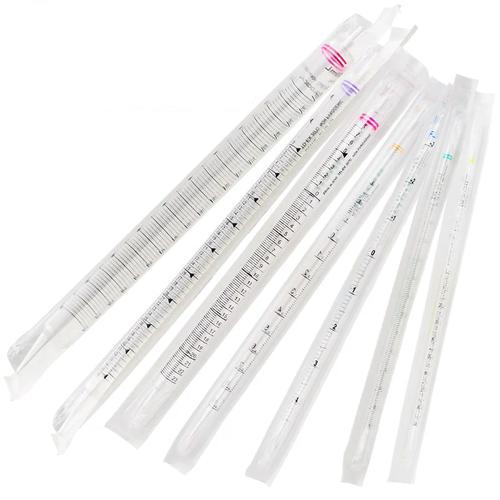
10 ml pipettes have important features, like:
- Precise volume graduations from 0.1 to 1 mL
- Single-use design for contamination prevention
- Compatibility with various laboratory controllers
- Sterilization through gamma radiation
Scientists rely on these tools for reliable results. The 10 ml pipette is crucial for consistent and dependable scientific outcomes.
Types of 10 ml Pipettes Available
Scientific glassware and biotechnology equipment are key in lab research. Scientists use calibrated devices for precise experiments. Knowing the different 10 ml pipettes helps pick the right tool for each study.
Laboratory experts have many pipette options for their work. Each type has special features for different research needs.
Glass Pipettes
Glass pipettes are traditional scientific tools with unique qualities:
- Exceptional chemical resistance
- High heat tolerance
- Precise measurement capabilities
- Reusable after thorough cleaning
Plastic Pipettes
Biotechnology uses plastic pipettes for their benefits:
- Lightweight design
- Disposable options
- Reduced contamination risks
- Cost-effective solutions
Electronic Pipettes
Modern labs use electronic pipettes with advanced features:
- Digital volume control
- Enhanced accuracy
- Programmable settings
- Ergonomic design
Scientists can choose the best pipette type for their experiments. This ensures the best results in biological and chemical studies.
Selecting the Right 10 ml Pipette
Choosing the right pipette is key for precise scientific research. Researchers must look at several factors when picking the best tools for their work.
Scientists should think about a few important things when picking pipette tips for their research:
- Volume range compatibility
- Material durability
- Experimental requirements
- Accuracy specifications
Calibration and Precision
10 ml pipettes need careful calibration for accurate results. Studies show that pipette accuracy can change a lot depending on the volume:
- At 100 µL: ±0.8% accuracy
- At 50 µL: ±1.6% accuracy
- At 20 µL: ±4% accuracy
Material Considerations
The type of material used in pipettes affects their performance over time. Air displacement pipettes are best for water-based solutions. Positive displacement pipettes work better with thick or volatile liquids.
Intended Use Cases
Each research area needs specific pipetting methods. Clinical, forensic, drug discovery, and life science labs all need different pipettes for precise liquid handling.
Optimal pipette usage typically ranges between 35% and 100% of maximum capacity for greatest accuracy.
Benefits of Using a 10 ml Pipette
Laboratory professionals need precise tools for accurate results. The 10 ml pipette is a key tool for precise measurements. It’s vital for scientific research and analytical work.
These advanced tools help researchers in many lab settings. They offer great benefits for improving research quality and workflows.
Enhanced Accuracy in Measurements
Precision is crucial in science. A 10 ml pipette ensures accurate measurements. This leads to reliable results.
- Consistent volume transfer with minimal deviation
- Reduced risk of experimental errors
- Ability to handle various liquid viscosities
- Traceability through calibration software
Ease of Use in Laboratory Procedures
Modern 10 ml pipettes focus on user comfort. They have features that make handling easier and faster:
- Lightweight design for comfortable handling
- Reduced attachment and ejection forces
- Faster dispensing capabilities
- Intuitive operation for both students and professionals
Versatility in Applications
The 10 ml pipette is very versatile. Researchers use it in many biological research areas. This includes cell culture and complex studies.
Choosing a high-quality 10 ml pipette is smart for labs. It ensures reliable, efficient, and precise liquid handling.
Proper Techniques for Using a 10 ml Pipette
Mastering liquid handling in labs needs precision and careful technique. Devices like the 10 ml pipette require specific skills. This ensures accurate measurements and reliable research outcomes.
Successful pipetting involves understanding critical steps and avoiding common errors. These errors can compromise experimental results.
Steps for Accurate Liquid Transfer
Researchers must follow a systematic approach when using 10 ml pipettes:
- Hold the pipette vertically at eye level
- Ensure the tip is clean and undamaged
- Submerge the tip slightly below the liquid surface
- Draw liquid smoothly without creating air bubbles
- Release liquid slowly against the vessel wall
Avoiding Common Mistakes
Several critical mistakes can impact liquid handling precision:
- Inconsistent pipetting angle can lead to volume variations
- Failing to pre-wet the pipette tip reduces accuracy
- Incorrect temperature management affects liquid volume
- Not checking calibration regularly compromises measurement integrity
Precision in laboratory supplies begins with understanding your equipment’s nuanced requirements.
Professionals recommend practicing these techniques. This helps develop muscle memory and maintain consistent performance with 10 ml pipettes.
Maintenance and Care for 10 ml Pipettes
Keeping precision instruments in top shape is key for accurate lab work. Tools like 10 ml pipettes need careful handling to work well. It’s important for researchers to clean, store, and calibrate these tools properly.
There are a few key steps to keep your scientific gear in good condition:
- Daily external surface cleaning with 70% ethanol
- Quarterly deep cleaning of pipette components
- Annual professional calibration
- Proper storage in controlled environments
Cleaning Recommendations
Cleaning lab supplies is crucial to avoid contamination. Researchers should clean the outside of pipettes daily with 70% ethanol or a similar disinfectant. For a deeper clean, follow these steps:
- Use mild detergents safe for scientific glassware
- Avoid harsh materials that could harm the instruments
- Make sure to remove all biological or chemical residue
Storage Tips
Storing 10 ml pipettes right helps keep them in good condition. Place them upright, away from sunlight and extreme temperatures. Use protective cases to keep dust and damage away.
Regular Calibration Practices
Calibration is vital for the accuracy of scientific tools. Labs should get professional calibration at least once a year. This ensures your tools keep giving reliable results.
Regular maintenance extends the life of your laboratory equipment and guarantees consistent, accurate measurements.
Common Applications of 10 ml Pipettes in Biology
10 ml pipettes are key in biological research. They help scientists do precise work. This is important in many fields of science.
Sample Preparation Techniques
For making precise samples, 10 ml pipettes are vital. Scientists use them to:
- Make serial dilutions
- Move biological samples
- Keep sample concentrations the same
Reagent Dispensing Precision
Getting the right amount of reagents is key. 10 ml pipettes help by:
- Measuring small liquid amounts
- Lowering contamination risks
- Keeping experiments the same
Cell Culture Techniques
Cell biologists use 10 ml pipettes for critical cell culture work. They help with:
- Transferring nutrient media
- Keeping things sterile
- Handling cells carefully
10 ml pipettes are crucial for precise work in labs. They help scientists do their work well and reliably.
Challenges in Using 10 ml Pipettes
Liquid handling in biological research is tricky. It can affect how precise your experiments are. Researchers face many obstacles to get accurate results.
Working with lab supplies needs careful handling. This is especially true for special liquid transfer methods. The main challenges come from two main areas:
Navigating Viscous Liquid Challenges
Viscous liquids are hard to handle. They cause problems when pipetting substances like:
- Glycerol solutions
- Protein preparations
- High-concentration molecular mixtures
These thick liquids resist pipetting, which can mess up your measurements. Careful technique is key when working with them.
Managing Air Bubble Interference
Air bubbles are another big challenge. They can mess up your measurements by:
- Reducing actual volume transferred
- Creating inconsistent dispensing
- Introducing measurement errors
| Challenge Type | Impact on Measurement | Recommended Mitigation |
|---|---|---|
| Viscous Liquids | Reduced Transfer Accuracy | Slow, controlled pipetting |
| Air Bubbles | Volume Inconsistency | Careful pre-dispensing techniques |
Doing well in the lab means paying close attention to these small but important details in liquid handling.
Innovations in Pipette Design
The world of biotechnology equipment is changing fast. Precision instruments are getting more advanced. New technologies are changing how labs handle liquids and measure things.
New developments in devices have made research better. Scientists now have pipettes that are more accurate and efficient.
Technological Advancements in Design
Modern pipettes are getting better in several ways:
- Ergonomic designs reduce user strain
- Digital volume control makes things easier
- Calibration systems are more advanced
- Materials are better and last longer
Emerging Trends in Laboratory Equipment
There’s a lot of progress in precision instruments. Now, researchers have pipettes with:
- Digital systems for easier management
- Chemical resistance is better
- They last longer
- Using them is simpler
| Innovation Category | Key Improvements |
|---|---|
| Ergonomic Design | Reduced plunging force ( |
| Digital Integration | 4-digit volume display |
| Material Technology | Enhanced chemical resistance |
| Calibration Precision | Volume ranges from 0.1 µL to 10 mL |
These changes are big steps forward in lab technology. They help researchers do their work more accurately and efficiently.
Regulatory Considerations for Pipette Usage
Working with laboratory supplies means following strict rules. Tools like 10 ml pipettes need to meet international standards. This ensures they work well and accurately in scientific studies.
Devices used in biological research must pass tough quality checks. There are many important rules that scientists need to know and follow.
Compliance with Laboratory Standards
Lab workers must stick to certain global rules when using pipettes. Important standards include:
- European Standard BS EN ISO 8655:2002
- American National Standards Institute (ANSI) standards ASTM E542-01 and ASTM E1154-89
- Good Laboratory Practice (GLP) guidelines
Safety and Handling Guidelines
Using pipettes safely is crucial:
- Keep the lab temperature between 15°C and 30°C
- Make sure humidity is over 50%
- Calibrate them as recommended
| Calibration Recommendation | Frequency |
|---|---|
| Initial Reception | Upon delivery |
| Regular Maintenance | Annually |
| Post-Repair | After any maintenance |
Researchers should focus on precision and consistency with lab supplies. Following these rules helps make scientific work of the highest quality.
Training and Resources for Pipette Users
Learning to handle liquids well is key for researchers. They use scientific glassware and need to measure volumes accurately. Getting professional training makes pipetting a skilled science.
Lab experts know that pipetting needs deep learning and constant practice. It’s not just about knowing how the equipment works.
Essential Skills for Effective Pipette Usage
Good pipette use involves several important skills:
- Knowing the basics of liquid handling
- Mastering precise movements
- Spotting and fixing measurement mistakes
- Keeping technique consistent with volume changes
Key Training Focus Areas
Researchers should focus on improving their accuracy and reliability. Key areas to focus on include:
- Learning how to calibrate pipettes right
- Reducing human error in technique
- Understanding what the equipment can do
- Knowing how to take care of the equipment
Today’s labs push for continuous learning for pipette users. Staying updated with new tech and methods is crucial.
Precision in pipetting is not inherited—it is learned through dedicated practice and professional guidance.
There are many ways to improve your skills. You can use online resources, watch videos, or join workshops. These help with using scientific glassware and measuring volumes accurately.
Conclusion: The Role of 10 ml Pipettes in Biological Research
The 10 ml pipette is key in modern biotechnology. It combines precision with scientific discovery. Researchers use these tools for accurate liquid handling in many fields.
From studying microbes to pharmaceutical research, these pipettes help scientists. They transfer tiny amounts of liquid reliably.
Precision in research is crucial, and these pipettes deliver. They work well in many situations. Regular checks, like quarterly in drug industries, show a commitment to quality.
Future pipettes will be even better. Electronic ones are replacing old models, making labs safer and more efficient. New tools will help researchers get better results and stay safe.
The 10 ml pipette is vital for advancing research. It shows how technology and human skill come together. Together, they help us understand the tiny world around us.
FAQ
What makes a 10 ml pipette critical for biological research?
A 10 ml pipette is key for exact liquid measurements in labs. It ensures experiments are accurate and reliable. This is crucial for keeping scientific work precise and trustworthy.
How do I choose the right type of 10 ml pipette for my research?
Choose a pipette based on your research needs. Look at material, chemical resistance, and durability. Glass, plastic, or electronic pipettes might be best for your work.
What are the most common challenges when using a 10 ml pipette?
Handling thick liquids and avoiding air bubbles are big challenges. Maintaining consistent technique and preventing contamination are also key issues.
How often should I calibrate my 10 ml pipette?
Calibrate your pipette every year or after 3-6 months of heavy use. This keeps your measurements accurate and prevents mistakes in research.
What maintenance practices are essential for 10 ml pipettes?
Keep your pipette clean and store it properly. Avoid extreme temperatures and use the right tips. Follow the maker’s sterilization advice.
Can electronic pipettes improve laboratory efficiency?
Yes, electronic pipettes offer better control and accuracy. They reduce strain and are more precise than manual pipettes. They’re great for advanced research.
What safety considerations are important when using 10 ml pipettes?
Wear the right protective gear and follow safety rules. Handle biohazards carefully and follow lab procedures. This keeps everyone safe.
How do I prevent air bubbles when using a 10 ml pipette?
To avoid air bubbles, use the right technique and tips. Pre-wet tips for thick liquids and control your speed and angle. This helps keep your samples bubble-free.
What training is recommended for new pipette users?
New users should get hands-on training. Learn about ergonomics and precise techniques. Get guidance from experts to improve your skills.
Are there specific regulations governing pipette use in research?
Yes, labs must follow ISO 8655 and GLP guidelines. These rules ensure pipettes are accurate and used correctly in research.




Leave a Comment
Your email address will not be published. Required fields are marked *