


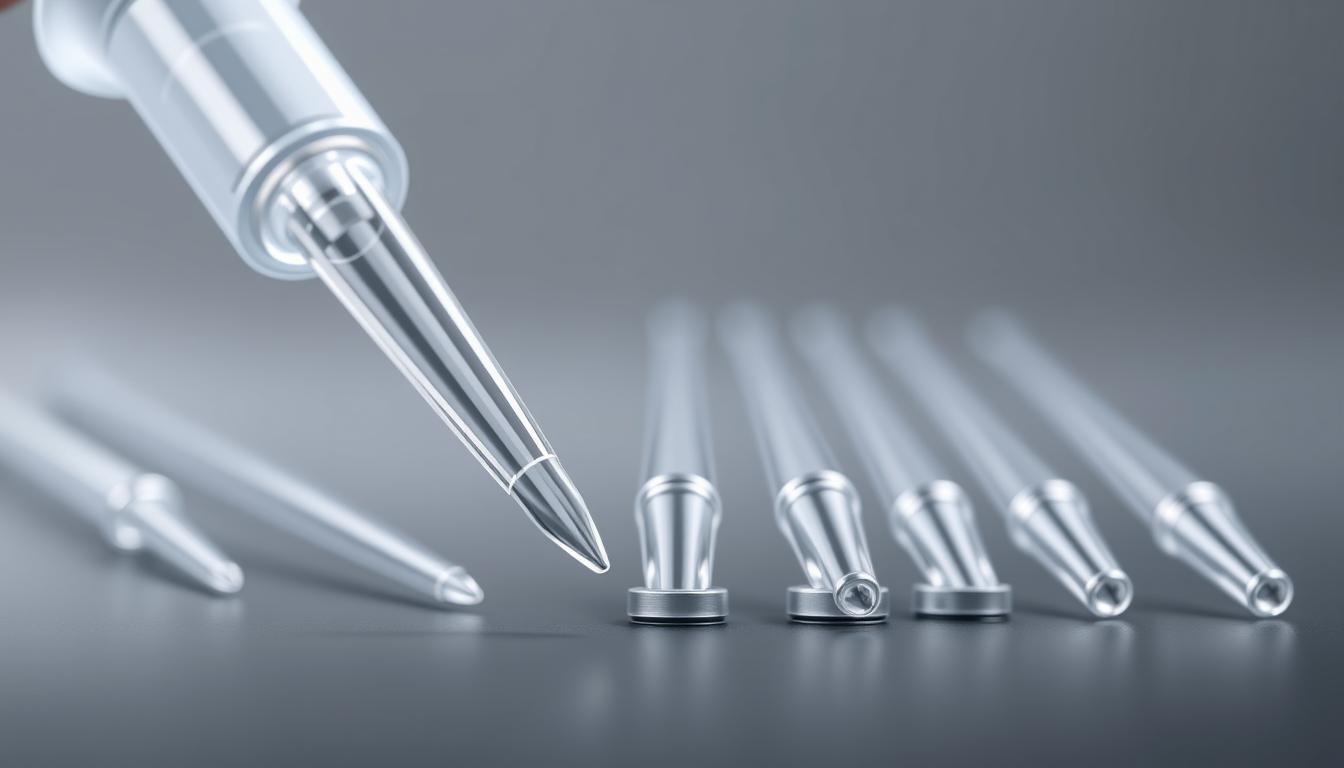
Are traditional pipette tips holding back your research precision? Scientists and researchers face critical challenges when handling delicate biological samples. The solution might lie in a specialized laboratory equipment innovation: wide bore pipette tips.
Wide bore pipette tips represent a breakthrough in laboratory equipment design. They are specifically engineered to address complex sampling challenges. These specialized tools provide researchers with enhanced capabilities for managing viscous materials, fragile cell lines, and sensitive biological specimens.
Modern laboratories demand advanced solutions that can streamline scientific workflows. Wide bore pipette tips offer unique advantages. They reduce sample manipulation risks and improve overall transfer efficiency. Their distinctive design enables researchers to work with greater confidence and accuracy across various scientific disciplines.
Key Takeaways
- Wide bore pipette tips solve complex sample handling challenges
- Specialized design supports delicate biological research
- Enhanced precision for viscous and fragile sample transfers
- Critical tool for advanced laboratory applications
- Improves overall research workflow efficiency
Understanding Wide Bore Pipette Tips
Scientific supplies are key in labs, with pipetting being crucial for success. Wide bore pipette tips are a big step forward. They help solve problems that regular tips can’t handle.
These tools stand out because of their unique design. They have a big opening, three times larger than usual tips. This makes them great for handling samples.
Definition and Characteristics
Wide bore pipette tips have a bigger opening. This brings many benefits:
- Less stress on delicate samples
- Fast flow for thick materials
- Less damage to cells
- Better sample recovery
Importance in Laboratory Settings
In sensitive labs, wide bore tips are very important. Cell viability studies show big improvements. Cells are less damaged during pipetting.
Comparison with Standard Pipette Tips
Wide bore tips have clear advantages:
- Standard tips: Narrow, might lose some sample
- Wide bore tips: Big opening, better sample transfer
- More cells survive during handling
- Works better with hard-to-handle samples
Researchers in many fields see wide bore pipette tips as vital. They help keep samples safe and improve results.
Applications of Wide Bore Pipette Tips
Large orifice tips have changed biological research a lot. They solve big problems in labs. These tips are very useful in many fields, helping scientists work with samples more accurately.
Scientists use these tips for many important tasks. They help move samples better and keep them clean.
Cell Culture and Virology Research
In cell culture and virology, these tips are very helpful. They let researchers move:
- Fragile cell suspensions
- Viral samples
- Sensitive tissue cultures
Handling Viscous Samples
Working with thick or sticky materials is common in research. These tips are great for moving:
- Genomic DNA
- Protein extracts
- Viscous cellular preparations
“Wide bore pipette tips have transformed our ability to handle complex biological materials with unprecedented precision.” – Dr. Elena Rodriguez, Molecular Biology Research Center
Nucleic Acid Extraction
Getting nucleic acids right is key. These tips help keep samples intact during tricky steps. This means researchers can use high-quality genetic material for further study.
These tips are a big step forward in lab tools. They give scientists better ways to handle complex lab work.
Choosing the Right Wide Bore Pipette Tips
Choosing the right wide bore pipette tips is key for precise lab work. Researchers need to look at several factors for the best results. This ensures their tools work perfectly.
When picking wide bore pipette tips, several important things to consider are:
- Sample characteristics and viscosity
- Volume needs for certain experiments
- How well they fit with lab equipment
- The quality of the material and its standards
Considerations for Selection
Researchers should pick tips that fit their specific needs. Wide bore tips have big benefits. They can cut down liquid retention by up to 15% compared to regular tips.
Their big opening is great for handling thick or messy solutions. This makes them perfect for tough lab tasks.
Compatibility with Pipette Models
It’s crucial to make sure the tips fit right for accurate pipetting. Different tools need different tip designs. About 60% of labs doing protein analysis use wide bore tips to get better at handling samples.
Material and Quality Factors
The material used is very important for how well the tips work. Sterile filter tips keep out aerosol contamination. Low retention tips are best for sticky liquids like PCR master mixes.
Lab experts should think about:
- How sterile the tips need to be
- If they can handle chemicals
- If they should be used once and then thrown away
- How they are packaged
By looking at these points carefully, researchers can make their lab work better. They can keep their science at the highest level of precision.
Benefits of Using Wide Bore Pipette Tips
In the world of liquid handling and lab supplies, wide bore pipette tips are key for biologists. They bring big advantages that make lab work smoother and more precise.
Enhanced Sample Transfer Efficiency
Wide bore pipette tips change the game for sample transfer. Their wider inside lets researchers:
- Move thick samples easily
- Face less resistance when pipetting
- Keep more sample during transfer
Reduced Risk of Clogging
Dealing with thick samples and particles is tough. Wide bore tips help by:
- Stopping blockages
- Keeping liquid handling smooth
- Less time fixing pipetting issues
Improved Precision in Measurements
In biology, getting the numbers right is crucial. Wide bore pipette tips help by:
- Dispensing the same amount every time
- Lowering surface tension
- Helping get the same results over and over
Accurate liquid handling is the cornerstone of reliable scientific research.
Best Practices for Using Wide Bore Pipette Tips
Laboratory experts use wide bore pipette tips for precise sample handling. Knowing the best ways to use these tools is key. It helps keep samples safe and accurate in research.
Proper Pipetting Techniques
Using wide bore pipette tips right is important. Here are some key practices to follow:
- Maintain a vertical 0° aspiration angle for maximum accuracy
- Use reverse pipetting for viscous or volatile liquids
- Pre-wet tips at least 5 times when handling volatile substances
- Select tips matching the specific pipette model for optimal performance
Avoiding Contamination Risks
Keeping samples clean is vital when using wide bore pipette tips. These tips seal well, reducing contamination risks.
- Use filtered tips for sensitive applications
- Change tips between different samples
- Work in sterile environments
- Inspect tips for damage before use
Cleaning and Maintenance Protocols
Keeping wide bore pipette tips in good shape is important. Polypropylene tips can withstand autoclaving at 121°C, making cleaning easy.
- Autoclave biohazardous tips before disposal
- Store tips in cool, dry environments
- Check expiration dates on sterile tips
- Regularly inspect for warping or discoloration
By following these tips, researchers can get the most out of wide bore pipette tips. This ensures their work is precise and reliable.
Quality Standards for Wide Bore Pipette Tips
Laboratory equipment and precision instruments need strict quality control. This is to ensure reliable research results. Wide bore pipette tips are key in scientific work, needing high quality standards and certification.
Wide bore pipette tip makers must follow strict rules. These rules ensure the tips work well and prevent contamination. This protects the quality of scientific research by making sure each tool meets strict standards.
Regulatory Compliance Certification
Comprehensive certification processes check wide bore pipette tips on many important points:
- DNase-free certification
- RNase-free validation
- DNA contamination screening
- ATP elimination verification
- PCR inhibitor detection
- Endotoxin-free assessment
Testing Procedures for Laboratory Equipment
Wide bore pipette tips go through many quality checks:
- Dimensional accuracy verification
- Material composition analysis
- Contamination screening
- Performance consistency evaluation
- Sterility confirmation
Quality standards are the base of reliable scientific research. They make sure every precision instrument meets top performance standards.
Innovations in Wide Bore Pipette Tip Design
The world of scientific supplies has changed a lot with new pipetting technologies. Wide bore pipette tips have made a big difference in lab work. They bring better precision and efficiency to biological studies.
New ways of making pipette tips have improved a lot. These changes focus on several important areas:
- Enhanced material composition
- Advanced ergonomic features
- Improved sample handling capabilities
- Sustainable manufacturing processes
Advances in Manufacturing Technologies
New manufacturing methods have led to better wide bore pipette tips. These advancements help solve big problems in science, like keeping samples safe and accurate.
| Innovation Category | Key Improvements | Performance Impact |
|---|---|---|
| Material Engineering | Ultra-pure polymers | 30% increased sample retention |
| Precision Molding | Seamless tip construction | Reduced contamination risk |
| Surface Treatment | Low-binding coatings | Improved liquid transfer efficiency |
Features Enhancing Functionality
Now, wide bore pipette tips come with cool features like lift-off lid racks and designs for genomics. These updates make pipetting easier and cut down on mistakes in sensitive lab work.
Sustainable Material Options
More people care about the environment, leading to eco-friendly pipetting options. Companies are making wide bore pipette tips from recyclable materials and using green methods.
The constant improvement in wide bore pipette tips shows science’s dedication to being precise, efficient, and green in labs.
Common Issues with Wide Bore Pipette Tips
Liquid handling experts often face problems with wide bore pipette tips. It’s important to know these issues to keep analysis precise and labs running smoothly.
Troubleshooting Clogging Problems
Clogging is a big problem with wide bore pipette tips, even with their big openings. To solve this, researchers can try a few things:
- Check tips for debris before using them
- Pipette gently to avoid clogs
- Choose the right tip material for your samples
- Clean tips well between samples
Addressing Volume Inaccuracies
Volume errors can mess up your results. To fix this, follow strict calibration steps. Regularly check your pipette tips to keep measurements accurate.
- Calibrate your pipettes every week
- Use certified materials for checks
- Train staff on correct pipetting
- Replace worn-out tips
Handling Physical Damage
Wide bore pipette tips can get damaged, which hurts your work. Keeping them safe and stored right is key to avoiding damage.
- Keep tips in a stable environment
- Stay away from extreme temperatures
- Protect tips from knocks and bumps
- Check for damage before important tests
Looking after your wide bore pipette tips well is crucial for good research.
Training Laboratory Personnel on Wide Bore Pipette Tips
Training is key to getting the most out of lab equipment in biological research. People using wide bore pipette tips need to know the right techniques. This ensures they get accurate results.
Training programs are vital for making lab workers skilled. They teach the fine details of using specialized equipment.
Importance of Proper Training
Good training covers several important points for wide bore pipette tips:
- Knowing the tip’s specs and design
- Learning how to pipette accurately
- Understanding when to use them in research
- Keeping samples clean from contamination
Recommended Training Resources
There are many ways to improve your skills:
- Online tutorial platforms with interactive lessons
- Workshops from the equipment makers
- Hands-on training with experts
- Webinars on advanced pipetting
Ongoing Education Opportunities
Keeping up with new knowledge is crucial in lab work. You should:
- Go to scientific conferences every year
- Read professional journals
- Join manufacturer certification programs
- Share knowledge with peers
Investing in training makes lab work better and leads to great scientific results.
Comparing Different Brands of Wide Bore Pipette Tips
Choosing the right wide bore pipette tips is key for lab work and research success. Researchers face many challenges when picking these tools. These choices can greatly affect their results.
Lab experts look at wide bore pipette tips through detailed performance metrics. This ensures they get reliable scientific results. Knowing what to compare helps researchers make better choices.
Evaluating Performance Metrics
Researchers check wide bore pipette tips based on important performance indicators:
- Sample recovery efficiency
- Material compatibility
- Liquid handling consistency
- Chemical resistance
Analyzing User Feedback
User experiences offer valuable insights into wide bore pipette tip quality. Key feedback areas include:
- Ease of use (50% of users prioritize this factor)
- Contamination prevention
- Compatibility with multiple pipette models
Identifying Industry Leaders
Top-performing wide bore pipette tips stand out through:
- Material quality (70% prefer certified materials)
- Innovative design features
- Consistent performance across applications
“Precision in laboratory instruments determines research reliability” – Scientific Research Quarterly
Choosing wide bore pipette tips needs careful thought. It’s important to consider many factors. This ensures they work well in different scientific settings.
Future Trends in Pipette Tip Technology
The world of scientific supplies and lab consumables is changing fast. Pipette tip technology is leading this change. As research gets more complex, makers are creating new solutions for labs.
The global pipette tips market is growing fast. It’s expected to hit $2.92 billion by 2027 with an 8% annual growth rate. Several trends are changing the industry:
Emerging Designs and Features
New pipette tip technologies are bringing big changes. They’re making tips more precise and better at their job:
- Nanotextured surface coatings for better sample holding
- Ergonomic tips to reduce hand strain
- Microfiltered tips to stop contamination
Digital Integration and Automation
Labs are moving to automated pipetting systems. Digital tech is changing scientific supplies by:
- Adding smart tracking features
- Checking volume in real-time
- Using AI for calibration
Sustainability Initiatives
People are now caring more about the environment in labs. Makers are working on:
- Recyclable plastic options
- Lower carbon footprint production
- Research on biodegradable materials
“The future of pipette technology lies in precision, sustainability, and intelligent design.” – Research Innovation Quarterly
Big companies like Thermo Fisher Scientific are investing $140 million in making more tips. This means exciting new things for research.
Summary of Wide Bore Pipette Tips in Research
Wide bore pipette tips are key for scientists working with sensitive biological samples. They have a larger opening than regular tips, which helps in handling samples better. This design makes it easier to pipette and keep samples safe.
These tips are great for cell culture work. They reduce damage to cells when moving them, keeping more cells alive. This is especially true for detailed tests like cell viability assays.
Choosing the right wide bore pipette tips is important for research success. They come in different sizes, from 130 µl to 1000 µl. Using them correctly can greatly improve research results.
Recapping Key Benefits
Wide bore pipette tips are better for thick samples and delicate cells. They help avoid losing samples and damage during transfer. This makes them vital for today’s biological research.
Highlighting Their Role in Laboratory Success
Accurate pipetting is crucial for good science. Wide bore pipette tips are a big step forward. They help scientists get more reliable results in many biological studies.
Encouraging Best Practices for Optimal Use
It’s important for researchers to get proper training and keep up with new pipetting tools. Knowing how to use wide bore pipette tips well can lead to better research. This helps in making stronger scientific findings.
FAQ
What are wide bore pipette tips?
Wide bore pipette tips are special tools for labs. They have a bigger hole than regular tips. This helps move thick or delicate samples without harming them.
How do wide bore pipette tips differ from standard pipette tips?
Wide bore tips have a bigger hole than regular tips. This makes it easier to move samples without damaging them. They’re great for handling tricky samples that regular tips can’t handle.
What are the primary applications of wide bore pipette tips?
These tips are used a lot in cell culture and virology. They’re also good for getting DNA and handling thick samples. They help with research that needs careful handling of samples.
How do I choose the right wide bore pipette tips?
When picking tips, think about how much sample you need and what kind it is. Also, check if they fit your pipette and are made well. Make sure they work well for your research.
What certifications should I look for in wide bore pipette tips?
Look for tips that are DNase, RNase, DNA, ATP, PCR Inhibitor, and Endotoxin Free. These show the tips are safe and won’t mess up your samples.
What are the key advantages of using wide bore pipette tips?
The big benefits are better sample transfer, less chance of clogging, and more accurate measurements. These are key for keeping samples safe in research.
How can I prevent contamination when using wide bore pipette tips?
Use filtered tips and follow good pipetting habits. Keep your area clean and regularly clean your tips. Handle them carefully to avoid mixing samples.
What are some common challenges with wide bore pipette tips?
You might face issues like clogging, not getting the right amount, or breaking tips. But, using the right technique and keeping tips in good shape can help.
Are there sustainable options for wide bore pipette tips?
Yes, there are eco-friendly tips being made. Companies are working on materials and ways to make tips that are better for the planet without losing quality.
How important is training for using wide bore pipette tips?
Training is very important. It helps people use tips right and get the most out of them. They need to learn how to handle them and when to use them.






Leave a Comment
Your email address will not be published. Required fields are marked *