


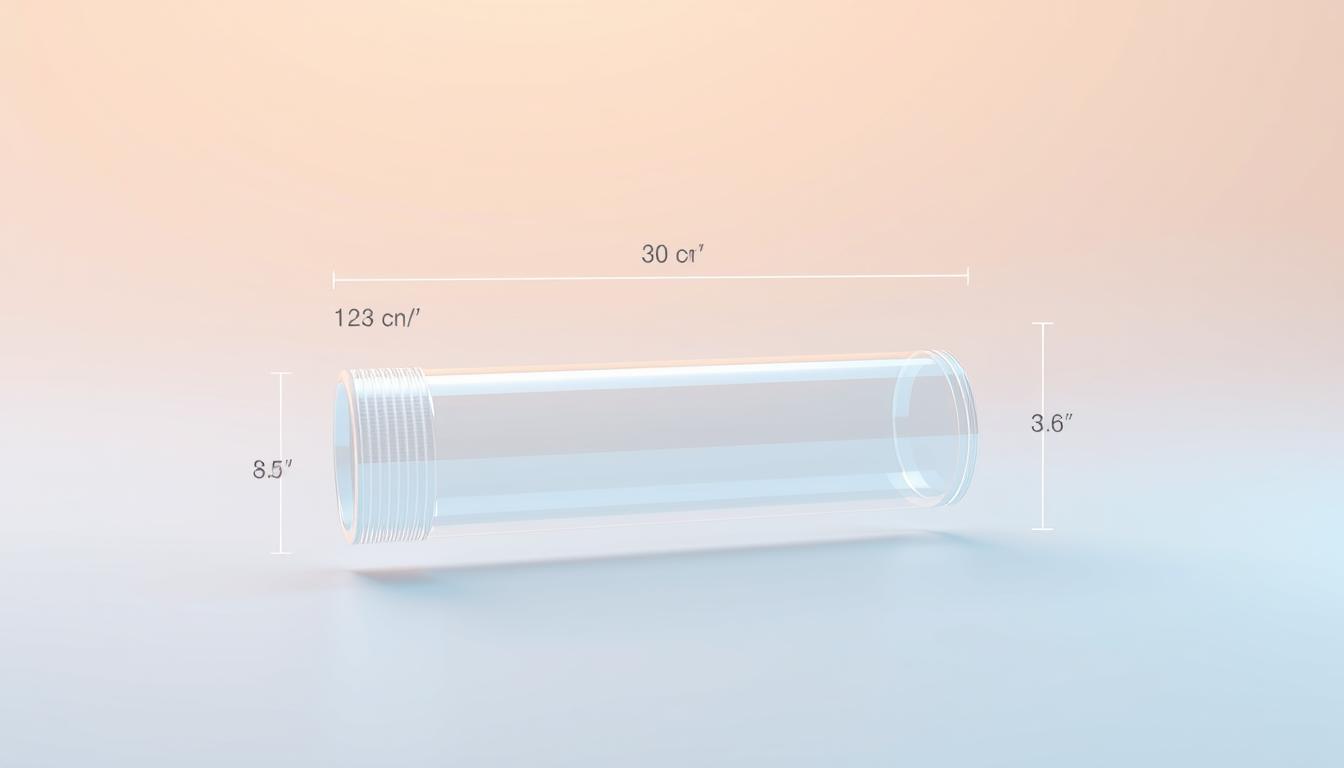
Ever thought about how a small PCR tube can reveal genetic secrets? The field of molecular biology relies on precise PCR tube sizes for major breakthroughs.
PCR tubes are key in molecular biology labs. They help scientists amplify and study DNA samples with great accuracy. These containers are made to meet different research needs, usually with a 0.2 ml volume.
Scientists pick PCR tubes based on their size to get the best results in DNA amplification. The tube’s volume is important for success. It depends on the experiment’s needs and the thermal cycler’s compatibility.
Knowing about PCR tube sizes can greatly help research. These small containers are vital for studying genes and molecular research.
Key Takeaways
- Standard PCR tubes have a consistent 0.2 ml volume capacity
- Tube dimensions significantly impact experimental precision
- Different PCR tube types support various research applications
- Thermal cycler compatibility is crucial when selecting tube sizes
- Proper tube selection enhances DNA amplification efficiency
Understanding PCR Tube Sizes
PCR tubes are key in molecular biology, fitting various needs. They manage pcr tube capacity and control pcr reaction volume. This is crucial for scientists and researchers.
Labs use different PCR tube sizes for specific needs. These tubes are versatile, allowing for work with many sample volumes and protocols.
Definition of PCR Tubes
PCR tubes are small, thin-walled plastic containers for polymerase chain reaction. Their main job is to hold and protect genetic material during thermal cycling. They come in sizes to meet different research needs:
- 0.2 mL standard tubes for typical reactions
- 0.1 mL low-profile tubes for minimal sample volumes
- 0.5 mL tubes for larger sample preparations
Common Applications of PCR Tubes
Researchers use PCR tubes in many fields, including:
- Genetic research and DNA amplification
- Quantitative PCR (qPCR) experiments
- Gene expression analysis
- Forensic DNA testing
- Medical diagnostic procedures
Choosing the right pcr tube capacity is key to success. Individual tubes are best for low-throughput work. PCR strips and plates are for high-volume research.
Precision in tube selection ensures optimal reaction conditions and reliable scientific outcomes.
Standard PCR Tube Dimensions
In molecular biology, precision is key. PCR tube dimensions are crucial for success. Knowing the standard sizes helps researchers improve their work.
Lab experts need specific PCR tube sizes for accurate results. Common sizes include:
- 0.2 ml tubes: Great for saving samples
- 0.5 ml tubes: Perfect for complex tests
- 1.5 ml tubes: Ideal for detailed genetic studies
Typical Volumes of PCR Tubes
Experiments need different sample sizes. PCR tubes hold from 10 µl to 200 µl, with 0.2 ml being standard. It’s important to pick the right size for your experiment.
Length and Width Measurements
PCR tube dimensions affect thermal cycling. Standard sizes are:
- Diameter: About 7.5 mm
- Height: Around 20.65 mm
- Length: About 21.7 mm
Wall Thickness Specifications
The wall thickness of PCR tubes is vital. Ultra-thin walls help with fast heating and cooling. This is key for DNA amplification.
Choose tubes made from medical-grade polypropylene. They ensure good heat transfer and chemical resistance. Tubes are also free from RNase, DNase, and PCR inhibitors. This supports top-quality molecular biology research.
Types of PCR Tubes
PCR tubes are key in molecular biology labs. They come in many types to meet different needs. Knowing about these helps scientists pick the best one for their work.
There are many PCR tube types, each for a specific use. When choosing, scientists think about the material, shape, and special features.
Plastic vs. Glass PCR Tubes
Most labs use pcr microcapillary tubes made of polypropylene. They are light and affordable. Glass tubes, though less common, are better at handling heat and last longer for certain tasks.
- Plastic tubes: Lightweight and economical
- Glass tubes: Enhanced heat resistance
- Thin-walled PCR tubes: Improved heat transfer
Features of Different Tube Shapes
PCR tubes vary in shape for different experiments. Standard tubes have a conical bottom. Some have special shapes for specific needs.
Specialized PCR Tubes
There are many specialized thin-walled PCR tubes. They include microcapillary tubes for small reactions and tubes with dome or flat caps.
- Individual 0.2 mL tubes available in 1000-pack quantities
- Tubes with frosted caps for easy labeling
- DNase and RNase-free options
- Manufactured under clean room conditions
Choosing the right PCR tube is key for good results. Things like heat transfer, volume, and material matter a lot in molecular analysis.
Selecting the Right PCR Tube Size
Choosing the right PCR tube is key for successful molecular biology experiments. Researchers need to think about several factors. This ensures the best pcr tube compatibility and pcr reaction volume efficiency.
The selection process involves several critical considerations. These factors directly impact the experimental outcomes:
- Sample volume requirements
- Thermal cycler specifications
- Experimental protocol demands
- Reaction component characteristics
Crucial Factors in Tube Selection
Researchers should evaluate their specific experimental needs when selecting PCR tubes. Standard PCR tubes have a 0.2 ml volume capacity. This makes them suitable for most routine applications. Low-profile tubes are better for thermal cyclers with tight lid clearances.
Compatibility with PCR Machines
Different thermal cyclers have unique specifications that impact tube selection. Compatibility is crucial for consistent results. Some key considerations include:
- Instrument lid pressure requirements
- Well dimensions
- Thermal transfer capabilities
- Sample volume limitations
Volume Requirements Evaluation
PCR tube size directly influences reaction performance. Researchers can choose from multiple sizes:
- 0.2 ml tubes: Ideal for limited sample material
- 0.5 ml tubes: Best for routine PCR experiments
- 1.5 ml tubes: Suitable for larger reaction volumes
Precision in PCR tube selection can significantly enhance experimental reproducibility and data quality.
Optimal tube selection requires careful analysis of experimental parameters. This ensures maximum pcr tube compatibility and efficient pcr reaction volume management.
Storage and Handling of PCR Tubes
Keeping PCR tubes in good condition is key for scientific research. It’s important to know the right pcr tube size and volume. This ensures the best results in experiments.
Managing PCR tubes well is crucial. It helps keep samples safe and prevents contamination.
Optimal Storage Conditions
- Store tubes at room temperature (15-25°C)
- Keep away from direct sunlight and heat sources
- Maintain a clean, dust-free environment
- Use sterile storage containers when possible
Best Handling Practices
Here are important tips for handling PCR tubes:
- Always wear clean, powder-free gloves
- Use sterile techniques when handling tubes
- Avoid touching the tube walls or caps directly
- Never return unused tubes to the original packaging
Material Considerations
Medical-grade polypropylene tubes are great for labs. They are certified free of RNase, DNase, and PCR inhibitors. This means they keep samples in top condition.
Standard PCR tubes usually have:
- Standard volume: 0.2 mL
- Available pack sizes: 100, 500, and 1000 pieces
- Ultra-thin walls for optimal thermal transfer
- Tightly fitting caps to minimize sample evaporation
Storing and handling PCR tubes correctly is vital. It keeps experiments reliable and accurate. By following these steps, researchers can safeguard their samples and get consistent results.
Importance of PCR Tube Size in Experiments
PCR tube capacity and pcr reaction volume are key to successful molecular biology experiments. Choosing the right tube size is crucial for the success of PCR processes.
When it comes to PCR experiments, tube size matters a lot. Researchers need to think about several important things when picking PCR tubes:
- Optimal heat transfer capabilities
- Minimizing sample evaporation risks
- Preventing potential cross-contamination
- Maintaining consistent reaction volumes
Effects on Reaction Efficiency
The size of the PCR tube affects how well it works during thermal cycling. Smaller tubes heat up faster, while bigger ones take longer. Precise tube sizing ensures uniform heat distribution, which is key for accurate DNA amplification.
Influence on Sample Integrity
Tube size also affects how well samples stay intact during thermal cycling. The wrong pcr reaction volume can cause:
- Rapid evaporation of reaction mixtures
- Condensation on tube walls
- Potential sample degradation
- Reduced amplification efficiency
Role in Contamination Prevention
Choosing the right PCR tube size helps prevent contamination. Tubes with good seals and the right volume reduce contamination risks, leading to more reliable results.
Precision in PCR tube selection is not just a technical detail—it’s a fundamental aspect of molecular research success.
Innovations in PCR Tube Design
The world of molecular biology is changing fast with new PCR tube designs. Scientists and makers are working hard to make thin-walled pcr tubes better. They want to help with the tough tasks of today’s science.
New ideas have changed how scientists do molecular tests and genetic studies. The creation of advanced pcr microcapillary tubes has made experiments more precise and quick.
Materials Revolution in PCR Technology
Big steps have been taken in making PCR tubes better. The focus is on several key areas:
- Ultra-thin wall technology reducing thermal transfer resistance
- Enhanced thermal conductivity for faster temperature cycling
- Improved chemical resistance and durability
- Specialized surface treatments minimizing sample contamination
Performance-Enhancing Features
Today’s PCR tubes have cool features that change how experiments work:
- Integrated optical windows for real-time PCR applications
- Advanced sealing mechanisms preventing evaporation
- Specialized cap designs (dome and flat) for varied experimental needs
- Low-profile configurations reducing air space and minimizing sample loss
The growth of ultrathin wall technology is amazing. Tube walls are now about 50% thinner than before. This lets for quicker heating and cooling in lab tests.
Troubleshooting Common PCR Tube Issues
Laboratory researchers often face problems with PCR tube performance. These issues can affect the results of their experiments. It’s important to know how to solve these problems to keep research accurate.
PCR tube compatibility and dimensions are key to avoiding common problems. Scientists need to watch out for issues that can happen during PCR.
Addressing Tube Leaks
Leaks in tubes can ruin experiments. To prevent leaks, consider these steps:
- Choose tubes with the right PCR tube dimensions
- Make sure the tubes seal well
- Check the tubes for damage before using them
- Use tubes that work well in centrifuges
Resolving PCR Inhibition Problems
PCR inhibition can come from many sources. It’s important to think about:
- Is the tube material good for the reagents?
- Is the primer concentration right?
- Is the DNA quality good?
- Have you adjusted the reaction conditions?
| Common Inhibition Cause | Potential Solution |
|---|---|
| Contaminated template | Purify DNA using specialized extraction kits |
| Suboptimal Mg2+ concentration | Adjust magnesium chloride levels |
| Inadequate tube sealing | Use high-quality heat-sealed tubes |
By using these troubleshooting methods, researchers can reduce errors. This helps make PCR results more reliable.
Conclusion: Best Practices for PCR Tube Selection
Choosing the right PCR tube size and volume is key for successful molecular biology experiments. Researchers need to think about their specific needs to get the best results. The right tube can make a big difference in DNA amplification accuracy and speed.
Scientists must understand the unique features of PCR tubes to make smart choices. Different sizes fit various sample volumes, from small to large-scale reactions. Polypropylene is the top choice because it’s very resistant to chemicals and heat, helping keep molecular analysis consistent.
When picking PCR tubes, lab experts should look at thermal cycler fit, sample safety, and avoiding contamination. Thin-walled tubes with good heat transfer help in even heating and cooling. As PCR tech evolves, tube designs will likely get better, aiming for more efficiency and fewer variables.
By following strict selection rules and keeping up with new tech, researchers can get the most out of their PCR tubes. The field of molecular biology is always changing, so lab equipment must keep up with these advancements.
FAQ
What are PCR tubes used for in molecular biology?
PCR tubes are special containers for PCR experiments. They help amplify DNA samples in a controlled environment. This is key for genetic research, diagnostics, and studying gene expression.
What are the most common PCR tube sizes available?
Common PCR tube sizes are 0.2 ml, 0.5 ml, and 1.5 ml. These sizes fit different sample sizes and needs. The 0.2 ml tubes are most used for standard PCR reactions.
How do I choose the right PCR tube for my experiment?
Choosing the right PCR tube involves several factors. Consider the sample volume, reaction components, and thermal cycler compatibility. Also, think about your specific experimental protocols.
What is the difference between thin-walled and standard PCR tubes?
Thin-walled PCR tubes improve heat transfer for faster temperature changes. They offer better thermal conductivity than standard tubes. This is important for precise PCR results.
Can I use the same PCR tube for different types of reactions?
While some PCR tubes are versatile, it’s best to use tubes designed for your specific reaction. Different reactions may need specialized tubes, like those for real-time PCR or certain molecular biology techniques.
How should I store PCR tubes to maintain their integrity?
Store PCR tubes in a cool, dry place away from sunlight and extreme temperatures. Keep them in sealed containers or storage boxes at room temperature or in a fridge. Avoid freeze-thaw cycles to keep tubes in good condition.
What materials are PCR tubes typically made from?
PCR tubes are made from high-quality polypropylene or polycarbonate plastics. Some are made from glass or other materials for specific needs. The material choice depends on the experiment’s requirements.
How can I prevent contamination when using PCR tubes?
Use sterile techniques and work in a clean environment. Use filtered pipette tips, wear gloves, and handle tubes carefully. Choose PCR tubes with flat caps or special seals to reduce contamination risk.




Leave a Comment
Your email address will not be published. Required fields are marked *