



Are you ready to unlock the secrets behind precision scientific research? Cell culture tubes are the unsung heroes of modern labs. They are key vessels for groundbreaking discoveries in many scientific fields.
These tubes are designed to support delicate cellular environments. They provide researchers with controlled spaces for growing and maintaining diverse cell lines. This is crucial for experiments in medical, biological, and pharmaceutical research.
Scientists use cell culture tubes to create sterile, consistent environments. This protects sensitive cellular specimens. Their design allows researchers to observe and conduct experiments on cellular behavior. This helps advance our understanding of complex biological processes with great accuracy.
Key Takeaways
- Cell culture tubes are essential for maintaining sterile research environments
- Specialized design supports precise cellular growth and observation
- Critical for research across medical, biological, and pharmaceutical fields
- Enables controlled experimental conditions
- Supports advanced scientific investigations
Understanding Cell Culture Tubes in Laboratory Settings
Cell culture tubes are key in scientific research. They help keep cells alive and healthy. This is crucial for studying cells in detail.
Scientists use different tubes for their work. This includes centrifuge tubes and cryogenic vials. These containers come in various sizes and materials to meet many needs.
Definition and Purpose
Cell culture tubes are made to help cells grow and survive. They create a controlled space that’s like the body’s environment. This is important for cell health and growth.
Types of Cell Culture Tubes
- Centrifuge tubes: Used for separating cell components
- Cryogenic vials: Designed for long-term cell storage at ultra-low temperatures
- Standard culture tubes: Support cell growth and maintenance
- Specialized research tubes: Tailored for specific experimental protocols
Key Features to Consider
When picking cell culture tubes, researchers look at a few things:
- Material composition: Tells if it’s safe for cells
- Sterility requirements
- Volume capacity
- Temperature tolerance
- Optical clarity
Choosing the right tube is key for good research. Centrifuge tubes and cryogenic vials are great for different studies. They help scientists do precise work in many fields.
Materials Used in Cell Culture Tubes
Laboratory research relies heavily on the quality of materials in cell culture tubes. Scientists need special containers that keep cells safe and support their growth. These containers must also meet the needs of the research.
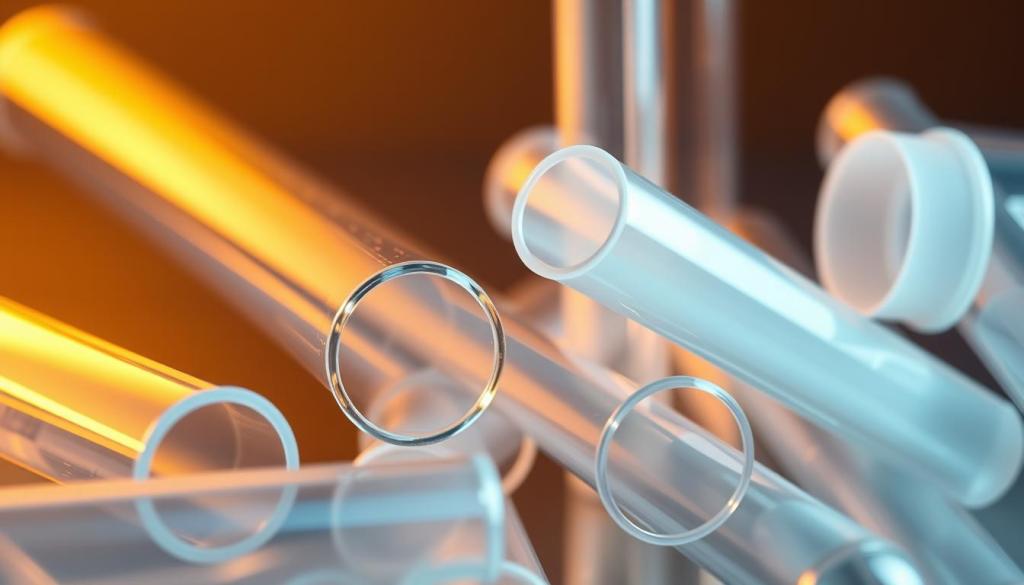
Today, cell culture tubes are made mainly from virgin polypropylene resin. This material is chosen for its top-notch performance in scientific studies. It has key features that are vital for precise cell studies.
Common Materials and Their Benefits
Polypropylene is the main material for cell culture tubes. It has several big advantages:
- Exceptional chemical resistance
- High transparency for visual observation
- Nonpyrogenic properties
- Non-cytotoxic composition
Sterilization and Biocompatibility
Researchers use serological pipettes and cell culture media in their work. They need tubes that can handle tough sterilization. Polypropylene tubes are great because they are biocompatible. This means they don’t harm cell growth or the results of experiments.
Sustainability Considerations
Research labs are now looking at ways to be more eco-friendly. Tube makers are working on materials that are good for the planet but still perform well. This helps make science tools more sustainable.
Choosing the right materials for tubes is key to good research. It’s important for scientists to understand this to get the best results from their cell studies.
Applications of Cell Culture Tubes
Cell culture tubes are key in scientific research. They help scientists study how cells work and make new discoveries. These containers give a controlled space for complex biological studies.
Many labs use cell culture tubes for different studies. They help keep experiments precise. This is done inside biosafety cabinets.
Cell Growth and Maintenance
These tubes create the best settings for cells to grow. Scientists use them to:
- Grow different types of cells
- Watch how cells multiply
- Keep cells growing the same way
- Save cells for a long time
Examination of Cellular Responses
Scientists use cell culture tubes to see how cells react to things. They use cell scrapers to get and study these reactions. Important areas include:
- How drugs work
- Studies on toxins
- Looking into genetic diseases
- Research on viruses
Supporting Various Research Fields
Cell culture tubes are used in many fields. They are crucial in many research areas like:
- Studying cancer
- Creating vaccines
- Exploring stem cells
- Testing medicines
These tubes are essential for today’s science. They help scientists understand cells better than ever before.
Selecting the Right Cell Culture Tube
Choosing the right cell culture tubes is key for researchers. They need to think about many factors for the best results in the lab.
Size and Volume Considerations
Cell culture tubes vary in size to meet different needs. It’s important to pick the right size for your experiment:
- 15 mL tubes: Ideal for small-scale cell cultures
- 50 mL tubes: Suitable for medium-volume experiments
- 250 mL tubes: Perfect for larger cell culture volumes
- 500 mL tubes: Designed for extensive research projects
Compatibility with Laboratory Equipment
It’s vital that cell culture tubes work well with lab equipment. They must be compatible with microscopes and micropipette tips. The right tube helps with precise cell observation and handling.
| Equipment Compatibility | Key Considerations |
|---|---|
| Centrifuges | Check maximum g-force and tube material resistance |
| Incubators | Verify temperature and CO2 tolerance |
| Micropipette Tips | Ensure proper fit and minimal sample loss |
Evaluating Brand Credibility
When picking cell culture tubes, look at important quality signs:
- Certification standards
- Quality control processes
- User feedback and reputation
- Consistent manufacturing practices
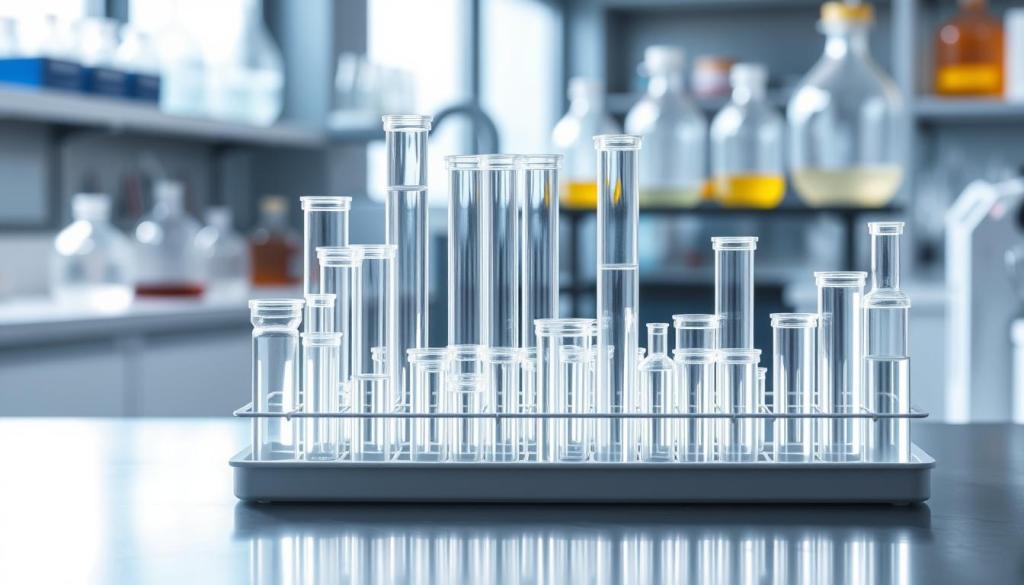
Careful selection of cell culture tubes can dramatically improve research outcomes and experimental reliability.
Maintenance and Care of Cell Culture Tubes
Keeping cell culture tubes in good shape is key for research success. It’s important to follow strict care routines. This helps keep these tools working well.
Cell culture tubes need careful handling to avoid contamination. Labs should have detailed plans for cleaning, storing, and managing these tubes.
Proper Cleaning Protocols
Here are the steps for cleaning cell culture tubes right:
- Rinse tubes with sterile water right after use
- Use gentle, non-ionic detergents made for lab glassware
- Stay away from harsh cleaners that can scratch the tubes
- Rinse well to get rid of all chemicals
Storage Recommendations
Storing cell culture tubes correctly is crucial:
- Keep them in clean, dust-free spots
- Store at a steady temperature of 20-25°C
- Shield from sunlight and extreme humidity
- Use special racks to avoid damage
Lifespan Considerations
The life of tissue culture flasks and tubes depends on several things. Regular checks can spot any wear and tear. It’s best to replace tubes every 6-12 months or when they show signs of wear.
Researchers should watch for:
- Surface scratches
- Build-up of chemical residue
- Signs of microbial contamination
- Any changes in material quality
With strict maintenance, labs can keep their cell culture tubes in top shape. This ensures reliable and consistent research results.
Sterilization Techniques for Cell Culture Tubes
Keeping a sterile environment is key in cell culture research. Any contamination can ruin results and waste time and money. It’s crucial to use strict sterilization methods for tubes and vials to keep research safe.
There are many ways to kill off microbes. Each method has its own strengths for making lab tools ready for use.
Options for Effective Sterilization
- Autoclaving: High-temperature steam sterilization
- Gamma irradiation: Penetrative sterilization method
- Chemical sterilization: Using ethylene oxide or hydrogen peroxide
- UV light treatment: Surface decontamination technique
Importance of Aseptic Technique
Using aseptic techniques is vital to avoid contamination. Scientists must stick to strict rules when working with tubes and vials. This keeps everything clean and safe.
| Sterilization Method | Effectiveness | Best Used For |
|---|---|---|
| Autoclaving | 99.9999% | Glass and metal equipment |
| Gamma Irradiation | 99.9999% | Disposable plastic tubes |
| Chemical Sterilization | 99.95% | Heat-sensitive materials |
Ensuring Contamination-Free Environments
To have a clean workspace, you need a solid plan. Important steps include:
- Using laminar flow hoods
- Wearing the right protective gear
- Keeping surfaces clean
- Following strict handling rules
Good sterilization practices are essential for reliable research results.
Innovations in Cell Culture Tube Design
The world of lab research is always changing. Cell culture tube design is leading this change. Today’s scientists need better tools for precise and efficient cell culture work.
New materials in science have changed cell culture tubes. These tubes now offer advanced features for lab work. They work well with serological pipettes and cell culture media.
Material Science Breakthroughs
New materials have improved tube design in several ways:
- They are clearer for better microscope views
- They have less protein binding
- They resist chemicals better
- They stay stable in temperature
Features Enhancing Usability
Today’s cell culture tubes have features that make them easier to use:
- They have leakproof caps to keep things clean
- They have more space for writing sample info
- They are shaped for easy handling
- They work with automated lab systems
Future Trends in Design
The future of cell culture tubes is about being green and adaptable. We’ll see tubes made from eco-friendly materials. They will also work well with new lab tech.
Innovation in cell culture tube design is a big step forward for complex scientific research.
Best Practices for Using Cell Culture Tubes
Successful cell culture research needs careful handling of lab equipment. Cell culture tubes are key to keeping cells healthy and experiments reliable. It’s important to have good strategies to get the best results and avoid contamination.

Labeling and Documentation Strategies
Keeping track of cell culture experiments is crucial. It’s important to label tubes clearly. Include:
- Cell line identification
- Date of preparation
- Passage number
- Media composition
- Researcher’s initials
Handling Techniques for Optimal Results
When using cell culture tubes, it’s vital to follow aseptic techniques. Biosafety cabinets help a lot in keeping things clean. Here are some tips:
- Use sterile cell scrapers for gentle cell removal
- Keep the temperature steady during handling
- Reduce tube exposure to outside environments
- Move smoothly and carefully
Troubleshooting Common Issues
Cell culture research faces many challenges. Quick action to solve problems keeps experiments on track.
| Common Issue | Potential Cause | Recommended Solution |
|---|---|---|
| Contamination | Poor aseptic technique | Enhance biosafety cabinet protocols |
| Cell Detachment | Improper cell scraper usage | Adjust scraping technique |
| Reduced Viability | Incorrect storage conditions | Optimize temperature and humidity |
By following these best practices, researchers can greatly improve their cell culture experiments.
Regulatory Standards for Cell Culture Tubes
Scientific research needs strict rules, especially with delicate lab tools like cell culture tubes. These rules help make sure research is reliable and safe in many fields.
Research labs face many rules for making and using cell culture tubes. These rules cover important parts of lab work, like what materials to use and how to avoid contamination.
Overview of Relevant Regulations
Groups that make rules set detailed guidelines for cell culture tubes. These rules are key to keeping research honest. Some important rules include:
- Ensuring tubes are nonpyrogenic and non-cytotoxic
- Maintaining strict purity standards
- Documenting comprehensive testing protocols
- Adhering to Good Manufacturing Practices (cGMP)
Importance of Compliance in Research
Following rules is very important when using tools like micropipette tips and inverted microscopes. Labs must carefully follow these guidelines to prove their findings and keep their research respected.
| Regulatory Aspect | Key Requirements |
|---|---|
| Material Safety | Free from extraneous contaminants |
| Testing Protocols | Scientifically validated assays |
| Documentation | Comprehensive record-keeping |
Impact of Non-compliance on Research Outcomes
Not following rules can hurt the trustworthiness of research. Non-compliance may lead to:
- Invalidated experimental results
- Potential publication rejections
- Compromised scientific integrity
- Risk of contamination in cell cultures
Researchers must focus on following rules to keep their work top-notch and reliable.
Conclusion: The Importance of Quality Cell Culture Tubes
Cell culture tubes are key in scientific research. They help scientists study how cells work and create new medical treatments. These tubes keep cells in the right environment, which is vital for research in many fields.
Scientists use top-notch cell culture tubes and flasks to keep cells safe from harm. Modern tubes are designed for detailed experiments, especially in virology and oncology. This helps make research more reliable and consistent.
New technologies are making cell culture tubes even better. They aim to reduce contamination and improve performance. As research gets more complex, these tubes will keep getting better, helping scientists make new discoveries and treatments.
Research Potential Unleashed
About 80% of drug studies use cell culture systems. These tools are crucial for scientific progress. The growth of cell culture technology shows how important they are for medical research and understanding life’s complexities.
FAQ
What are cell culture tubes and why are they important in research?
Cell culture tubes are special containers for growing cells in the lab. They keep cells safe and healthy. This is key for studying cells and finding new treatments.
What materials are typically used to manufacture cell culture tubes?
Most tubes are made from polypropylene. It’s strong, doesn’t react with chemicals, and is clear. This material is safe for cells and helps keep them healthy.
How do I choose the right cell culture tube for my research?
Pick the right tube based on your research needs. Think about the size, how you’ll sterilize it, and what it’s made of. Make sure it fits your lab and research goals.
What sterilization methods are recommended for cell culture tubes?
You can sterilize tubes by autoclaving, gamma irradiation, or chemicals. Choose based on the tube’s material and your research. Always follow the manufacturer’s advice to avoid contamination.
How long can cell culture tubes be used?
The life of a tube depends on its quality, how you store it, and how often you use it. Single-use tubes are best to avoid contamination. Reusable ones need regular cleaning and checks.
What are the most common applications of cell culture tubes?
Tubes are used in many areas like cell biology and drug development. They help grow cells and test how they react to different things. This is crucial for scientific studies.
How should cell culture tubes be stored?
Store tubes in a cool, dark place. Keep them clean and away from dust. Some tubes need to be kept cold or frozen, depending on the cells inside.
What regulatory standards apply to cell culture tubes?
Tubes must meet FDA and ISO rules. These ensure they are safe and work well. Researchers should check for these certifications to get reliable results.
What recent innovations have improved cell culture tube design?
New tubes are clearer, stick less to cells, and have better caps. They also work with lab automation and are made more sustainably. This makes research easier and greener.
How can researchers prevent contamination when using cell culture tubes?
Use biosafety cabinets and follow strict cleaning rules. Wear protective gear and handle tubes carefully. Training and following best practices are key to avoiding contamination.





Leave a Comment
Your email address will not be published. Required fields are marked *